
A step-by-step guide to planning a traditional Indian wedding reception
A traditional Indian wedding reception brings together family, food, music, rituals, and joyful celebration in one memorable evening. While the ceremony may follow its own customs, the reception is where guests gather to bless the couple, enjoy a lavish meal, and celebrate their new beginning.
Planning this occasion requires more than selecting a date and sending invitations. The guest list, venue layout, menu, stage décor, entertainment, hospitality, and timing must work together to create a smooth experience for everyone.
With a practical schedule and clear responsibilities, couples and families can honour cultural traditions while creating a comfortable, elegant celebration. The following steps can help turn the planning process into an organised wedding reception experience.
Set the wedding vision and budget
Begin by discussing the overall style of the reception. Some families prefer a grand traditional celebration with ornate floral arrangements, a decorated stage, live music, and a large vegetarian feast. Others may want a simpler gathering with contemporary lighting, restrained décor, and more focus on family interactions.
Create a realistic budget before booking suppliers. Divide it into major categories such as venue hire, catering, décor, photography, entertainment, invitations, attire, transportation, and emergency expenses. Keeping a reserve for last-minute requirements can prevent stress when guest numbers or décor needs change.
It is also useful to assign specific responsibilities to trusted relatives or a wedding planner. One person can manage suppliers, another can coordinate the family, and someone else can oversee guest hospitality. Clear ownership helps avoid confusion on the reception day.
Choose a convenient venue
The venue influences the guest experience from the moment people arrive. Look for a banquet hall with sufficient capacity, convenient access, clean facilities, parking support, reliable power, and comfortable dining arrangements. Families travelling from Delhi, Ghaziabad, and nearby areas may particularly value a location close to public transport and major roads.
A suitable venue should also accommodate the reception stage, buffet counters, seating, photography areas, dance performances, and a separate space for gifts or family belongings. This banquet venue in Sahibabad offers event spaces, vegetarian multi-cuisine catering, décor support, and hospitality services for large social gatherings.
Before confirming the booking, inspect the hall at the same time of day as the planned event. This helps you understand natural lighting, parking conditions, traffic patterns, and how the space may feel when filled with guests.
Prepare the guest experience
The guest list should be divided into close family, relatives, friends, professional contacts, and community members. This makes it easier to estimate attendance and plan seating. Send invitations early, especially when guests are travelling from another city or when the reception falls during a busy wedding season.
Traditional Indian wedding invitations may include details about the couple, parents, venue, date, timing, dress expectations, and parking information. Digital invitations can be shared for convenience, but printed cards often remain meaningful for elders and close relatives.
Plan the arrival experience carefully. Place welcome signage near the entrance, arrange a reception desk if needed, and ensure elderly guests can find seating without walking long distances. A small welcome drink, traditional instrumental music, or floral greeting can create a warm first impression.
Coordinate food and hospitality
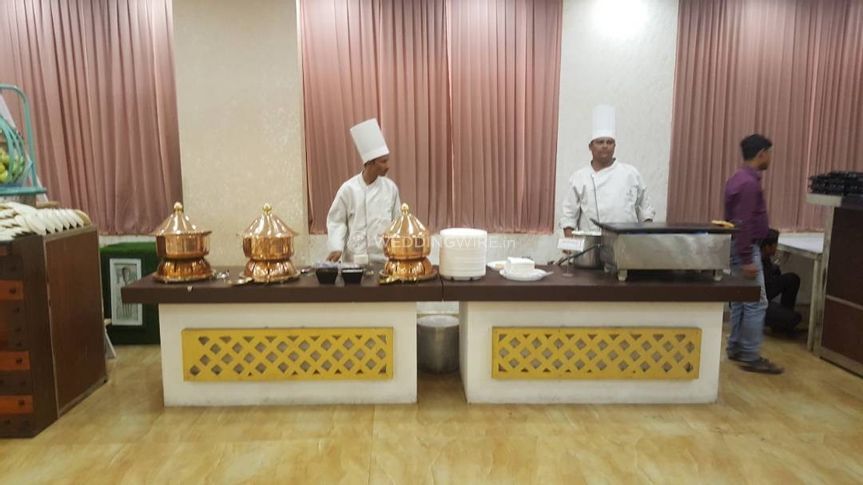
Food is one of the most important parts of an Indian wedding reception. A well-planned vegetarian menu can include regional favourites, North Indian dishes, South Indian selections, Indo-Chinese items, live counters, chaats, breads, desserts, and refreshing beverages. Choose dishes that reflect family preferences while offering enough variety for different age groups.
Discuss the menu with the caterer in detail. Confirm the number of starters, buffet stations, serving staff, dessert options, children’s choices, and arrangements for guests with dietary restrictions. A tasting session can help assess flavour, presentation, portion sizes, and service speed.
The dining layout should prevent crowding. Multiple buffet lines, clearly marked counters, and separate beverage stations allow guests to move comfortably. Professional staff should monitor replenishment, cleanliness, table service for elders, and the smooth flow of the meal.
| Planning area | Traditional reception priorities | Practical check |
|---|---|---|
| Venue | Spacious hall, stage, dining area, parking | Confirm capacity and layout |
| Décor | Floral backdrop, mandap-inspired details, warm lighting | Approve materials and setup time |
| Catering | Vegetarian regional and multi-cuisine menu | Schedule tasting and finalise quantities |
| Entertainment | DJ, live music, family performances | Prepare a timed programme |
| Guest care | Welcome desk, seating assistance, clear signage | Assign hospitality coordinators |
| Photography | Couple portraits, family groups, candid moments | Prepare a shot list |
Design the décor and programme
Reception décor should complement the couple’s clothing and the family’s preferred cultural style. Marigold garlands, roses, brass accents, fabric drapes, traditional lamps, rangoli designs, and soft stage lighting can create an inviting setting. Modern LED panels or minimalist floral installations may be added without losing the traditional character.
The stage is usually the visual centre of the celebration. It should be large enough for the couple and family photographs, yet positioned so guests can see it clearly. Keep the background attractive but not overly crowded, and provide comfortable seating for the newlyweds.
Prepare a running order for the evening. A typical programme may include guest arrival, couple entry, family welcome, exchange of garlands if planned, speeches, cake cutting or a ceremonial moment, performances, dinner, photography, and farewell. Share the schedule with the emcee, DJ, photographer, caterer, and family coordinators.
Manage traditions, photography, and logistics
Discuss cultural customs with both families in advance. Some receptions include a formal couple entry, blessings from elders, family introductions, aarti, gift presentation, or regional music and dance. Decide which elements are essential and how much time each one should receive so the event remains respectful without becoming rushed.
Give the photographer a list of important people and combinations for family portraits. Schedule couple photographs before the main programme or during a brief quiet interval. This protects valuable memories while allowing the couple to spend time with guests.
Prepare a final checklist one week before the event. Confirm supplier arrival times, décor installation, menu quantities, stage access, sound equipment, parking, power backup, invitation responses, and emergency contacts. On the day, a designated coordinator should handle these details so the couple can focus on welcoming loved ones.
Final planning priorities
- Confirm the venue capacity, access, parking, facilities, and setup schedule.
- Finalise the vegetarian menu after a tasting session and communicate dietary needs.
- Create a detailed reception timeline for the emcee, vendors, and family members.
- Assign separate coordinators for hospitality, photography, gifts, and supplier management.
- Keep a printed contact sheet and an emergency budget for last-minute needs.
A thoughtfully planned reception balances family traditions with guest comfort. When the venue, catering, décor, entertainment, and hospitality are coordinated in advance, the evening feels effortless and leaves the couple with lasting memories.
Begin by fixing the guest count, preferred date, and budget, then schedule a venue visit and discuss your requirements with the Pearl Grand Banana Tree team. A clear plan made early can transform your traditional Indian wedding reception into a graceful and joyful celebration for every guest.
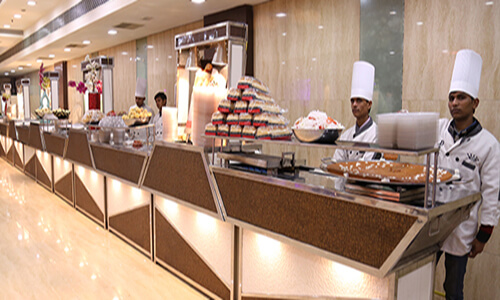
We have a specialized team of highly trained and experienced managers all from 5 stars, captains and other staff and they look after all of the needs of the guests. Our staff is dedicated, polite, courteous, neat and honest
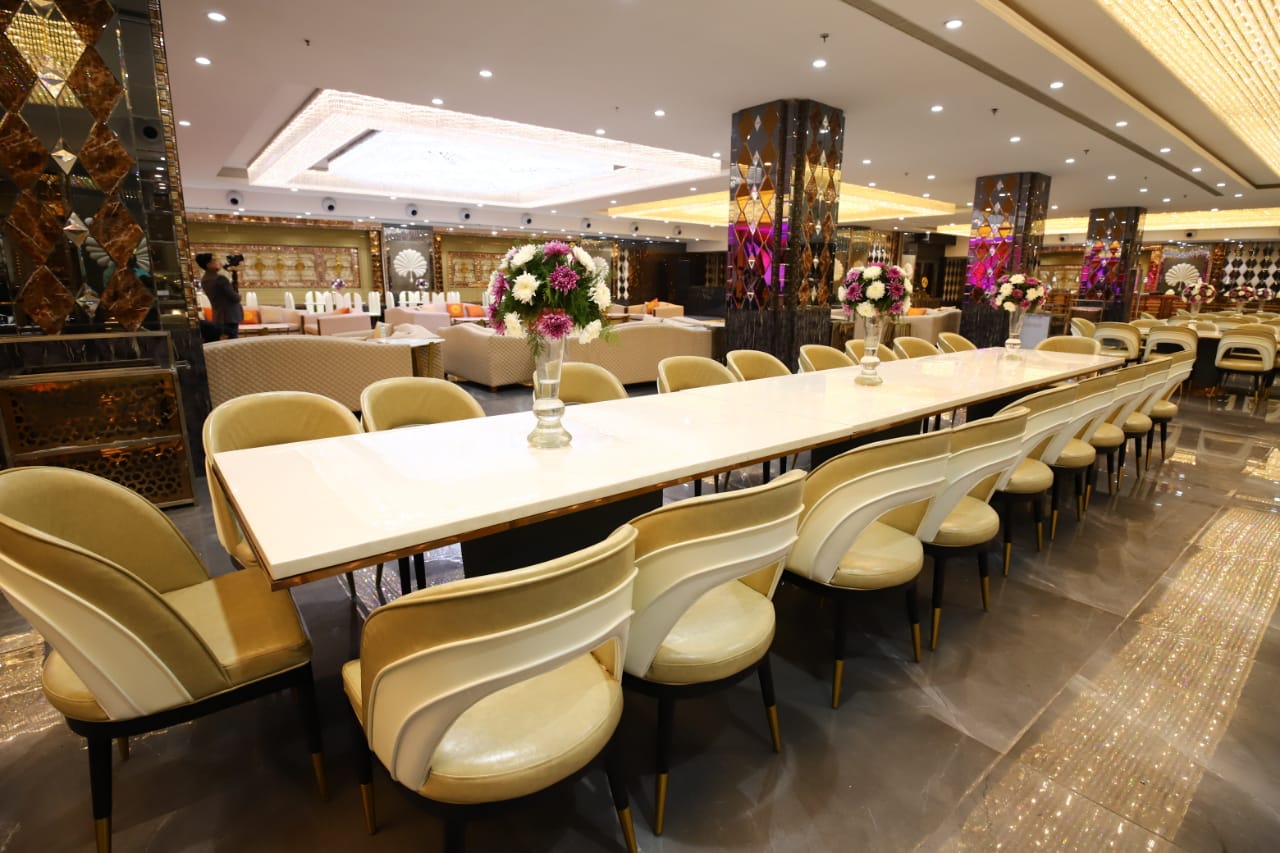
Spacious Elevators and escalated staircase is installed for convenience of our guests. All halls come with Bridle Room with lock for security of belongings of guest. Special Bar Counters

We are serving delicious snacks, some of them have been developed by our expert chefs, and they are our gift to the food industry. We serve full quantity of snacks from start till end of the function.
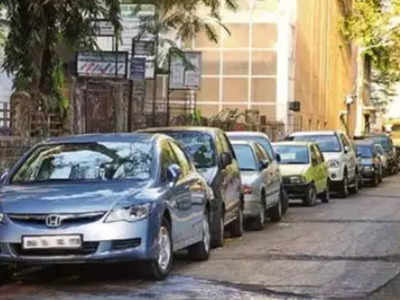
We provide ´Valet Parking´ facility at no extra cost to you. The cars of our guests shall be parked by our expert Valet parking drivers.

The richness of the ambience can be felt from the Cascading waterfalls, ornamental crystal chandeliers, beautiful Italian marble, light emitting onyx stone and ornate wood work. We have halls large enough to hold parties of 80 to 5000 guests. Beauty of our halls is unmatched in whole of East Delhi.
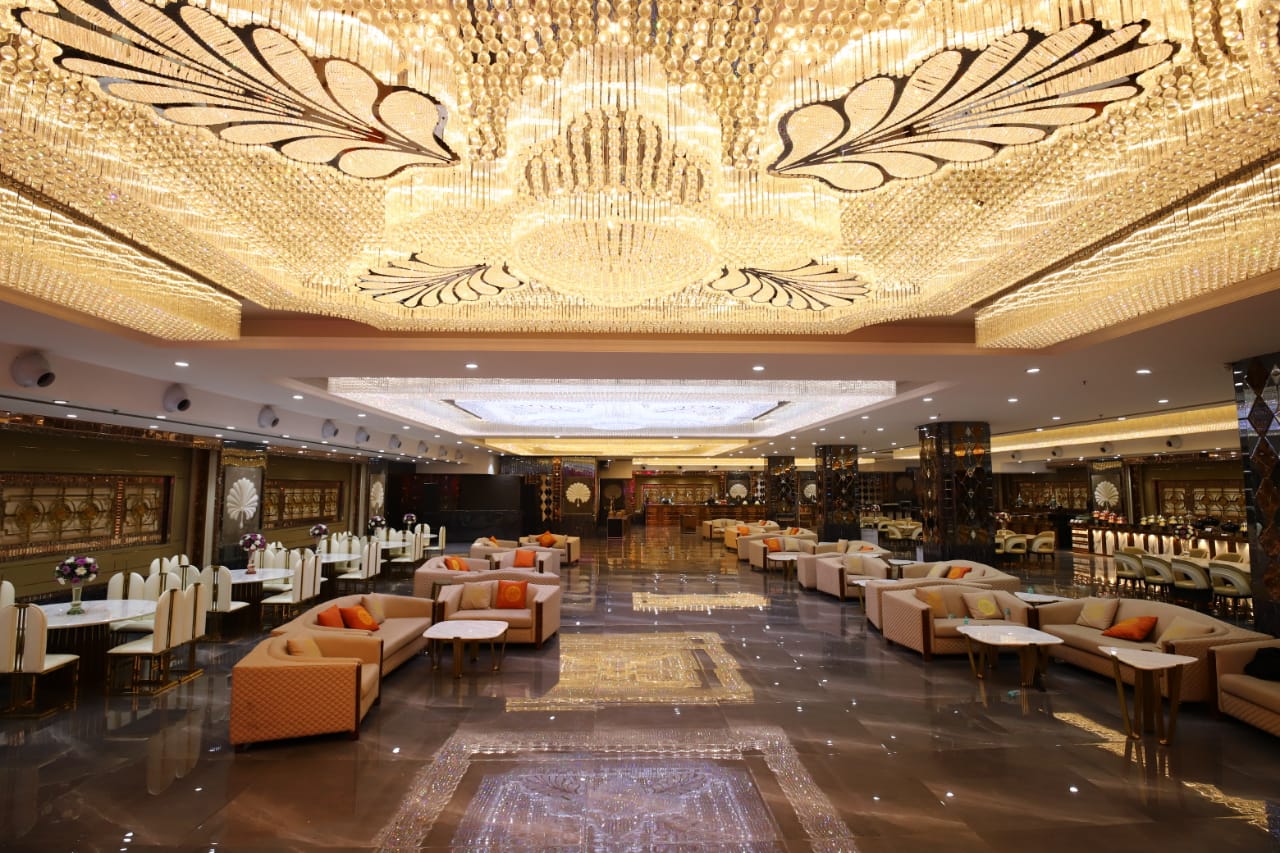
Our Banquet Halls are centrally Air-Conditioned. We run our AC on generators and hence it never stops and it is very effective in the middle of summer too.