
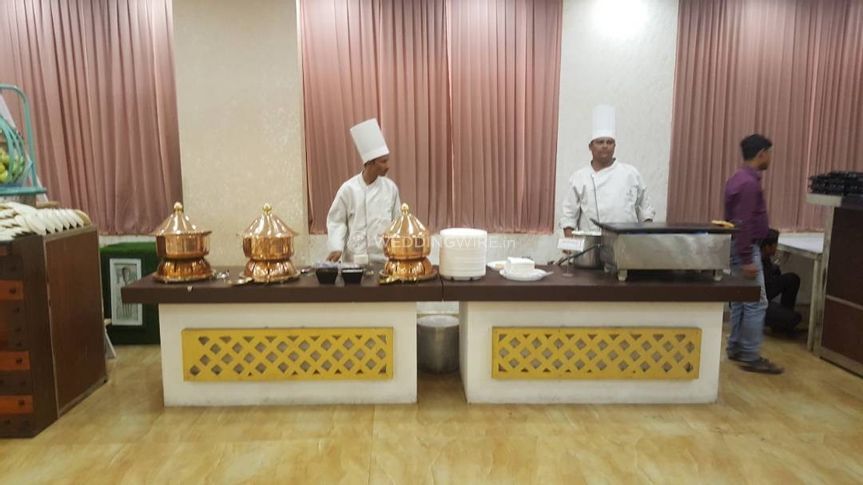
Designing a Tailored Corporate Lunch Menu with Diverse Dietary Options
Corporate lunches in Australia have evolved significantly over the past decade, moving beyond the standard sandwich platter to become a reflection of workplace culture and inclusion. Modern teams span multiple generations, cultural backgrounds, and dietary philosophies, making a one-size-fits-all approach impractical for any serious event planner.
In cities like Sydney, Melbourne, and Brisbane, corporate catering has had to adapt to a workforce where veganism, gluten intolerance, halal requirements, and pescatarian preferences sit alongside traditional omnivorous tastes. Venues that understand this layered landscape, such as those offering vegetarian multi-cuisine catering, can transform a routine lunch into a memorable professional gathering.
Reading the room: dietary trends in Australian workplaces
Australia's multicultural fabric shapes its lunch tables. According to recent industry observations, roughly one in four Australians follows some form of plant-based diet at least part of the week, while halal and kosher needs are common in Sydney's CBD towers and Melbourne's corporate hubs. Indigenous Australian flavours, sometimes called bush tucker, are also appearing in boardroom menus, featuring lemon myrtle, wattleseed, and finger lime.
Beyond religious and ethical choices, medical requirements drive significant menu variation. Coeliac disease affects approximately 1 in 70 Australians, making gluten-free options essential rather than optional. Lactose intolerance, nut allergies, and low-FODMAP needs further complicate the planner's job, which is why forward-thinking venues now build flexibility into their base menus rather than treating dietary requests as last-minute add-ons.
Building a foundation: cuisine styles and protein architecture
The starting point for any inclusive corporate lunch is selecting two or three complementary cuisine styles. A pan-Asian spread works well alongside Mediterranean selections, as both can be adapted for vegetarian, vegan, and gluten-free diners without isolating anyone. Pearl Grand Banana Tree, for instance, structures its vegetarian multi-cuisine offerings around this principle, allowing hosts to mix North Indian gravies with Continental grills and Asian stir-fries.
Protein variety matters as much as cuisine choice. Consider building menus around paneer and tofu preparations, lentil-based dishes such as dal makhani or chana masala, plant-based meat alternatives, mushroom and jackfruit centrepieces, and dairy-forward options like cottage cheese tikka. For those wanting extra heat or adventurous flavour profiles, partnering with a specialist such as Chili Chillin can introduce chilli-infused oils, spicy chutneys, or peri-peri elements that elevate even simple sandwiches.
Balancing presentation, timing, and service flow
Corporate lunches rarely run for more than 90 minutes, which means the menu must balance visual appeal with practical service. Buffets remain popular in Australian boardrooms because they allow guests to self-select portions, but seated plated lunches are gaining ground in client-facing meetings where impression matters. A hybrid approach, with a small buffet for mains and individually plated desserts, often works best.
Timing within the workday also matters. In Perth and Adelaide, lunches typically begin around 12:30pm, while Sydney CBD teams often push to 1:00pm to clear morning meetings. Menu planners should account for travel time from kitchen to boardroom, ensuring hot dishes remain hot and cold items stay chilled, particularly during the warmer months when Australian summers can push temperatures above 35°C in conference rooms without proper ventilation.
Navigating allergen laws and inclusive communication
Australia's food labelling framework, administered by Food Standards Australia New Zealand (FSANZ), requires clear disclosure of common allergens including gluten, dairy, eggs, soy, sesame, fish, shellfish, peanuts, and tree nuts. For corporate events, this means every dish must be accompanied by accurate ingredient information, either through printed cards, digital QR codes, or staff briefings.
Work Health and Safety legislation in each state adds another layer of responsibility. Hosts can be held liable if a guest has an allergic reaction to an undisclosed ingredient, making it essential to gather dietary requirements during the RSVP process. Best practice involves sending a short pre-event survey asking guests to identify any restrictions, then passing that information directly to the catering team without compromise.
Sample combinations and practical takeaways
| Menu focus | Best for | Key vegetarian components |
|---|---|---|
| Indian heritage | Cultural celebrations, large teams | Paneer tikka, dal makhani, biryani, raita |
| Mediterranean light | Summer events, client meetings | Falafel, hummus, grilled vegetables, tabbouleh |
| Asian fusion | Tech firms, creative agencies | Stir-fried tofu, sushi rolls, edamame, miso soup |
| Continental classic | Formal board gatherings | Stuffed mushrooms, vegetable lasagne, bruschetta |
| Healthy modern | Wellness-focused teams | Quinoa bowls, plant-based proteins, fresh salads |
Recommendations for planners shaping their next corporate lunch:
- Survey guests at least two weeks ahead to capture dietary needs accurately
- Build the menu around three cuisine styles maximum to avoid kitchen overwhelm
- Confirm allergen protocols with the venue, asking how cross-contamination is prevented
- Include at least one signature dish that sparks conversation beyond the everyday
- Provide clearly labelled serving dishes with ingredient cards at every station
- Offer a mild and a spicy option for any dish where heat can be adjusted
- Keep beverages varied, including water, juice, tea, and coffee alongside any alcohol service
A thoughtful corporate lunch is more than fuel for the afternoon's meetings. It signals how much a host values every individual in the room, from the colleague managing diabetes to the client observing halal practice. By investing time in menu customisation and working with venues experienced in dietary variety, planners in any Australian city can deliver an experience that feels both professional and genuinely welcoming.
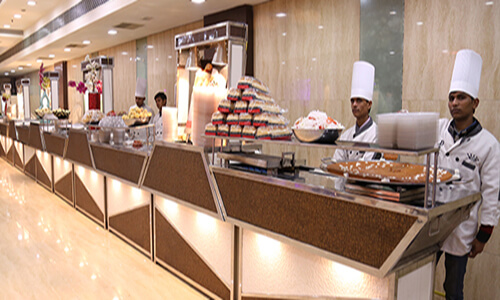
We have a specialized team of highly trained and experienced managers all from 5 stars, captains and other staff and they look after all of the needs of the guests. Our staff is dedicated, polite, courteous, neat and honest
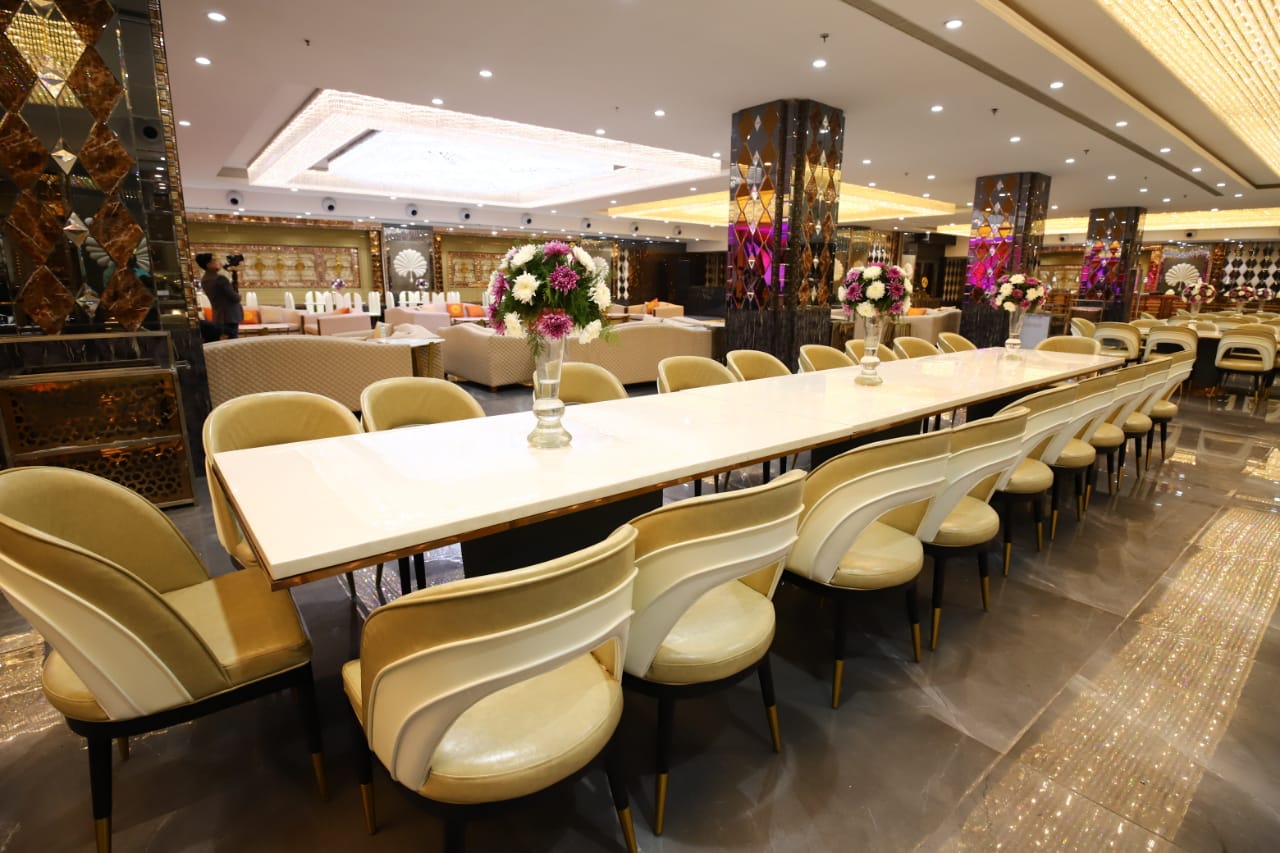
Spacious Elevators and escalated staircase is installed for convenience of our guests. All halls come with Bridle Room with lock for security of belongings of guest. Special Bar Counters
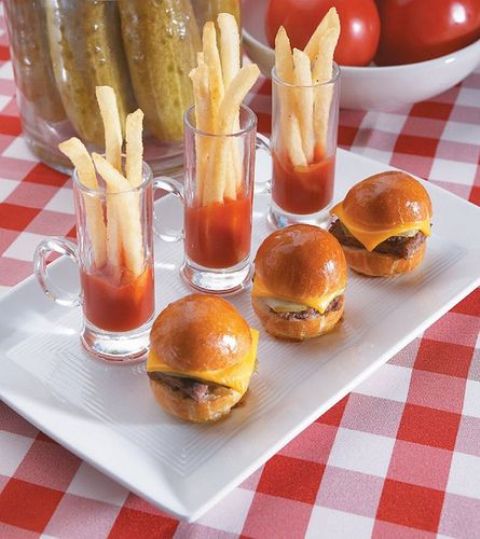
We are serving delicious snacks, some of them have been developed by our expert chefs, and they are our gift to the food industry. We serve full quantity of snacks from start till end of the function.
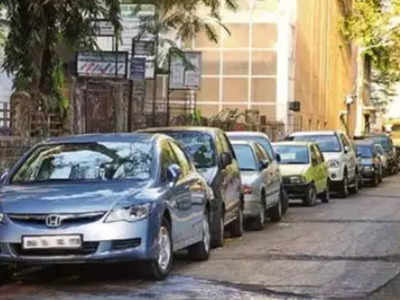
We provide ´Valet Parking´ facility at no extra cost to you. The cars of our guests shall be parked by our expert Valet parking drivers.

The richness of the ambience can be felt from the Cascading waterfalls, ornamental crystal chandeliers, beautiful Italian marble, light emitting onyx stone and ornate wood work. We have halls large enough to hold parties of 80 to 5000 guests. Beauty of our halls is unmatched in whole of East Delhi.
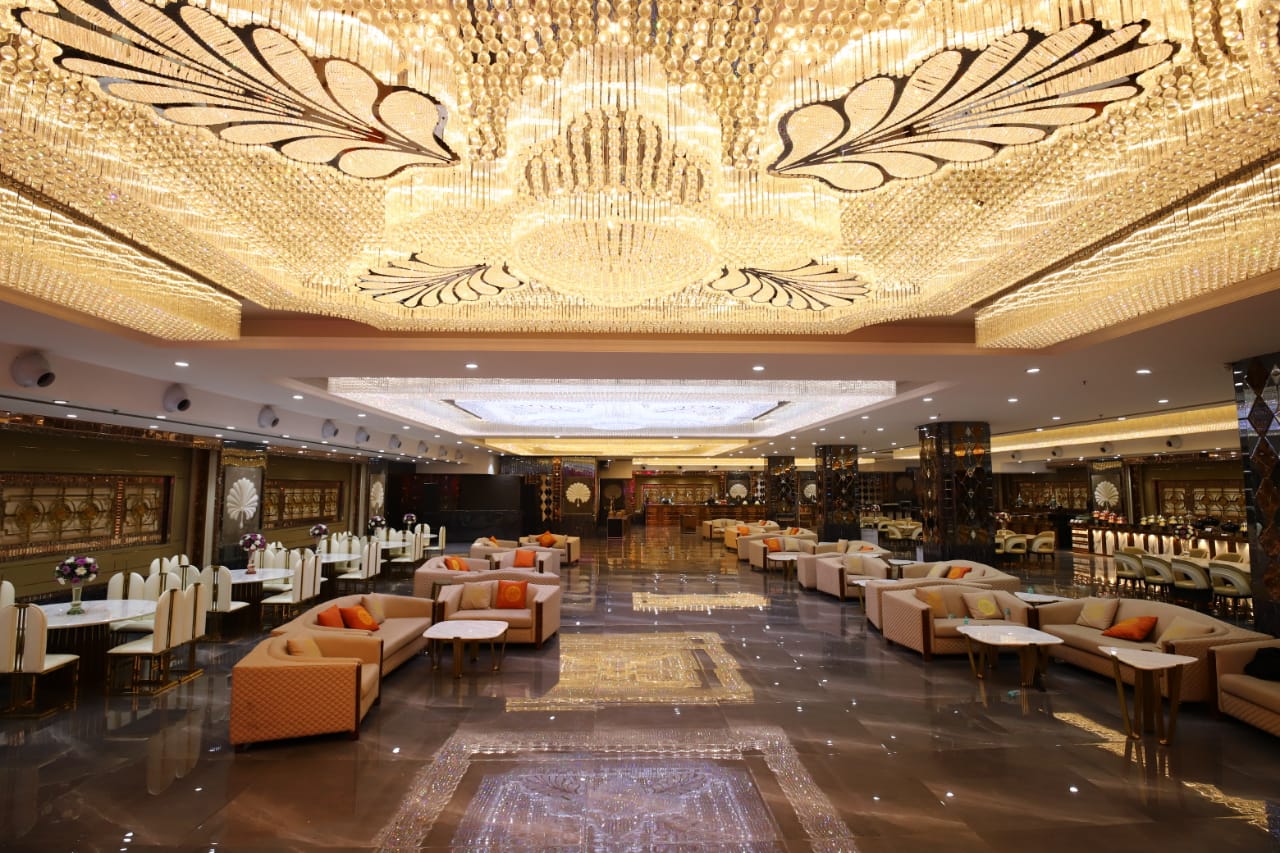
Our Banquet Halls are centrally Air-Conditioned. We run our AC on generators and hence it never stops and it is very effective in the middle of summer too.