
Creating a Sustainable Event with Eco-Friendly Decor and Minimal Waste
A memorable celebration does not need a mountain of disposable decorations. With thoughtful styling, reusable furnishings and careful catering decisions, weddings, receptions, birthdays and corporate functions can feel polished while producing far less rubbish.
This approach suits Australian event expectations, where guests increasingly notice single-use plastics, excessive floral foam and avoidable food waste. A Melbourne engagement party or Sydney corporate dinner may also need to follow venue policies and local council requirements for recycling, composting and temporary installations.
For families travelling to India, sustainability can also be part of the event experience. A vegetarian multi-cuisine menu, locally sourced décor and durable tableware can reflect both Australian environmental values and the generous hospitality associated with Indian celebrations.
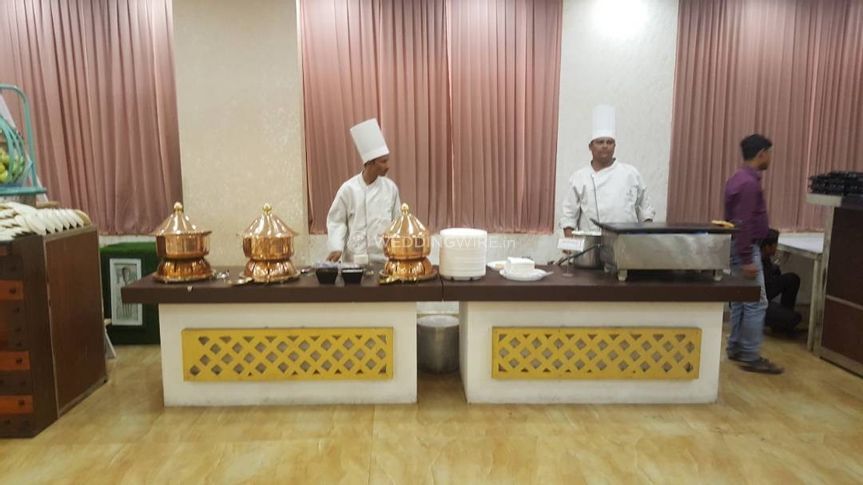
Pearl Grand Banana Tree in Sahibabad, Ghaziabad, offers a practical setting for large gatherings, with event arrangements, décor support and experienced hospitality staff. Its location near Kaushambi Metro Station and Pacific Mall can also simplify guest movement, especially for visitors unfamiliar with the area.
Design With Reuse in Mind
Begin with a design brief that limits disposable elements. Choose a small colour palette, then repeat it through fabric draping, fabric napkins, potted plants, reusable signage and lighting. A few substantial features usually look more considered than dozens of small decorations that are used once and discarded.
Renting is often the most efficient option for an Indian wedding or large reception. Backdrops, plinths, table runners, lanterns, chairs and display stands can be used across multiple events. If custom printing is necessary, avoid dates and names on large signs so the item can be repurposed for another function.
Digital invitations, QR-code menus and electronic seating plans reduce paper consumption, while a smaller number of printed welcome signs can still support older guests and those with limited phone access. For Australian families coordinating across time zones, a shared online event folder can hold schedules, supplier contacts and design references.
Materials That Earn Their Place
Natural materials can create warmth without relying on synthetic glitter, plastic confetti or foam-based floral arrangements. Terracotta pots, jute, bamboo, cotton, timber, recycled paper and seasonal foliage are useful choices when they can be collected, cleaned and stored after the event.
Use flowers strategically rather than covering every surface. Potted herbs, palms or flowering plants can decorate the entrance and later be given to family members. If cut flowers are preferred, ask the florist to avoid floral foam and design arrangements that can be composted or donated.
A reliable low-waste styling kit may include:
- Reusable fabric drapes in neutral or event colours
- Potted plants that can be replanted after the celebration
- Timber or metal signage with interchangeable lettering
- LED lighting that can be hired and used repeatedly
- Glass or ceramic vessels instead of disposable containers
Select materials with the local climate in mind. A summer event in Brisbane may need heat-tolerant plants and shaded areas, while an outdoor celebration in Melbourne should have a wet-weather plan that protects fabric, paper and electrical equipment.
Plan Catering Around Real Demand
Food planning has one of the greatest effects on an event’s environmental footprint. Confirm attendance carefully, separate adult and children’s numbers, and ask guests about allergies or dietary requirements before finalising quantities. A vegetarian menu can offer variety through regional Indian dishes, fresh salads, breads, rice, grilled items and lighter desserts without creating a narrow dining experience.
Buffet service can be efficient for large groups, but portion control still matters. Smaller serving dishes can be replenished as needed, keeping food fresher and reducing the amount left exposed. For plated meals, accurate RSVP data helps the caterer prepare closer to actual demand.
| Event element | Lower-waste choice | Practical benefit |
|---|---|---|
| Invitations | Digital invitations with a small printed option | Less paper and easier updates |
| Table setting | Reusable crockery, cutlery and cloth napkins | Avoids single-use serviceware |
| Beverages | Water dispensers and returnable glassware | Reduces plastic bottles |
| Centrepieces | Potted plants or reusable vessels | Can be reused or gifted |
| Leftovers | Pre-arranged donation or family collection | Keeps edible food out of landfill |
| Signage | Modular boards without fixed dates | Useful for future events |
Discuss surplus food with the venue and caterer before the event day. Food donation must meet applicable food-safety requirements, so establish who will pack, label and transport suitable leftovers. Items that cannot be donated may still be separated for composting where the venue’s waste system allows it.
For Australian guests, clear allergen labels are especially valuable. This is also a useful place to explain unfamiliar dishes without adding excessive printed material: a concise digital menu can include ingredients, spice levels and dietary symbols.
Coordinate Suppliers and Guest Habits
Sustainable décor works best when every supplier follows the same plan. Ask decorators, florists, caterers and entertainers how they will minimise packaging, remove materials and handle hired equipment. A venue with coordinated event services can reduce duplicated deliveries and simplify communication.
When comparing spaces, Pearl Grand venue can be considered alongside capacity, catering, décor assistance, accessibility and transport convenience. For guests travelling from Australia, proximity to Kaushambi Metro Station and Pacific Mall may help with accommodation, shopping and last-minute essentials.
Give guests simple information rather than a long list of rules. A note on the invitation can mention shared transport, reusable gifting, digital RSVPs or a preference for experiences instead of wrapped presents. Australian customs such as wishing wells and charity donations can translate well into a lower-waste gift option for weddings and milestone birthdays.
Practical measures for supplier coordination include:
- Set one collection point for cardboard, glass, food scraps and general waste
- Request reusable crates instead of excessive plastic wrapping
- Choose suppliers who can collect hired décor after the event
- Confirm that candles, lights and structures meet venue safety requirements
- Provide one contact person for waste and sustainability decisions
- Arrange transport routes that combine deliveries where possible
Make Timing and Measurement Part of the Plan
Waste reduction becomes easier when tasks are assigned to specific times. Schedule décor collection immediately after the event, place leftover food into approved containers before staff leave, and organise a final waste check once guests have departed. A detailed run sheet prevents recyclable items from being mixed with general rubbish during a rushed pack-down.
Small timing tools can support this process. Event teams managing installation windows, meal service and supplier collection may find this guide to high-resolution intervals useful when building precise operational schedules.
After the celebration, record a few simple measures: the number of rented décor items returned, the volume of food donated, the quantity of disposable products avoided and the amount of waste sent for recycling. These figures do not need to become a public performance; they help families and businesses make better choices for their next event.
A sustainable celebration should still feel abundant, welcoming and visually distinctive. The strongest results come from planning early, selecting durable materials, ordering food responsibly and giving suppliers clear responsibilities. Start by asking the venue and caterer to create a shared waste and reuse checklist for your event, then assign one person to review it before booking each supplier.
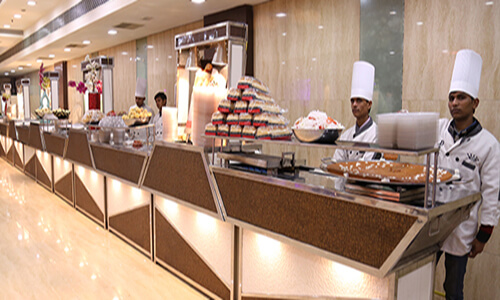
We have a specialized team of highly trained and experienced managers all from 5 stars, captains and other staff and they look after all of the needs of the guests. Our staff is dedicated, polite, courteous, neat and honest
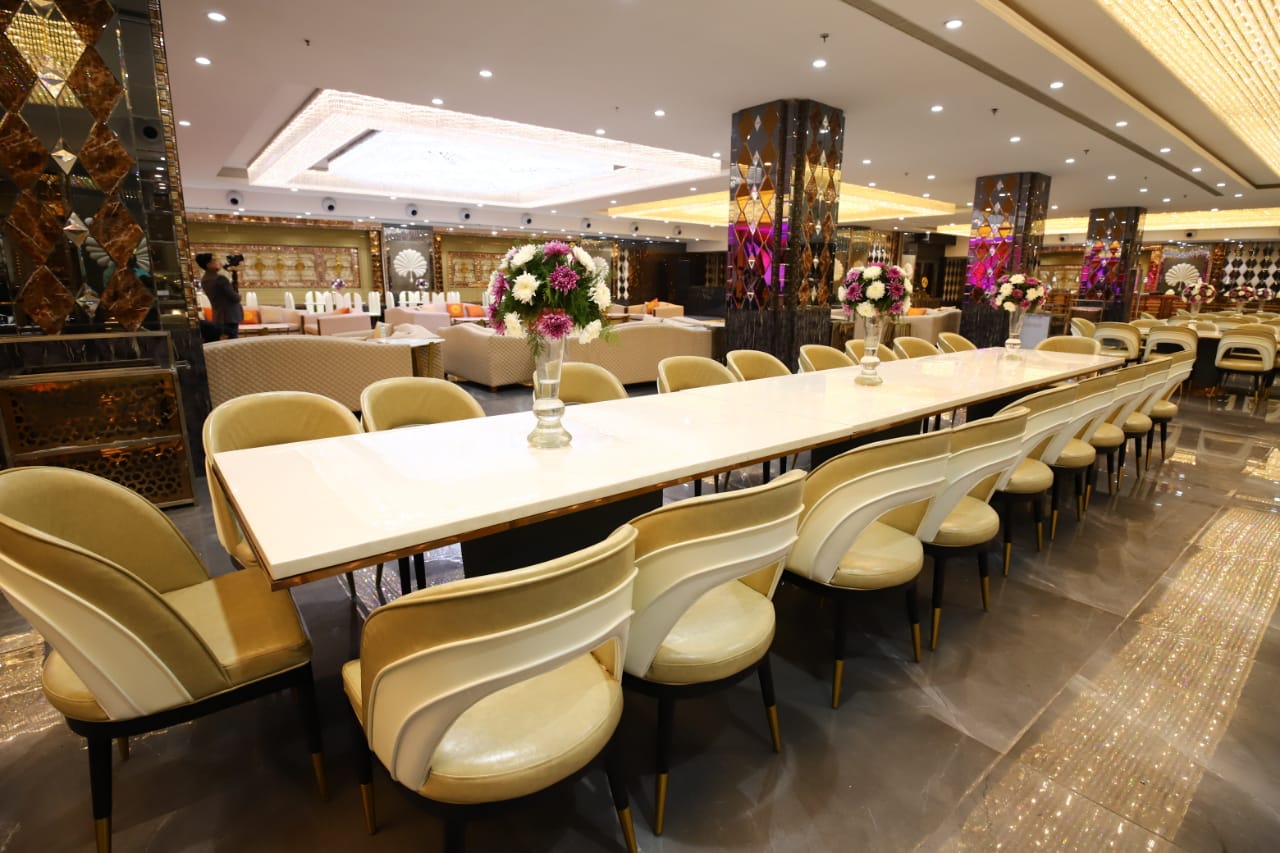
Spacious Elevators and escalated staircase is installed for convenience of our guests. All halls come with Bridle Room with lock for security of belongings of guest. Special Bar Counters
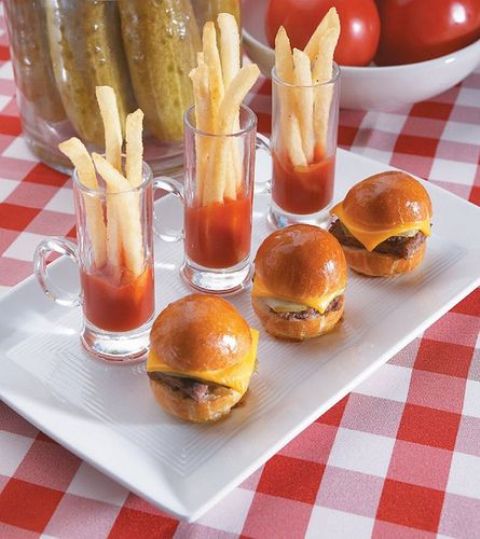
We are serving delicious snacks, some of them have been developed by our expert chefs, and they are our gift to the food industry. We serve full quantity of snacks from start till end of the function.
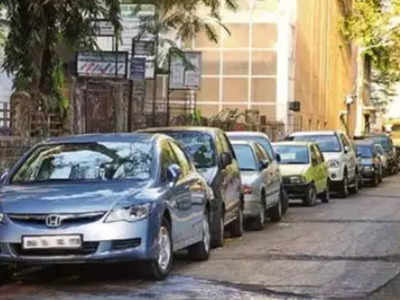
We provide ´Valet Parking´ facility at no extra cost to you. The cars of our guests shall be parked by our expert Valet parking drivers.

The richness of the ambience can be felt from the Cascading waterfalls, ornamental crystal chandeliers, beautiful Italian marble, light emitting onyx stone and ornate wood work. We have halls large enough to hold parties of 80 to 5000 guests. Beauty of our halls is unmatched in whole of East Delhi.
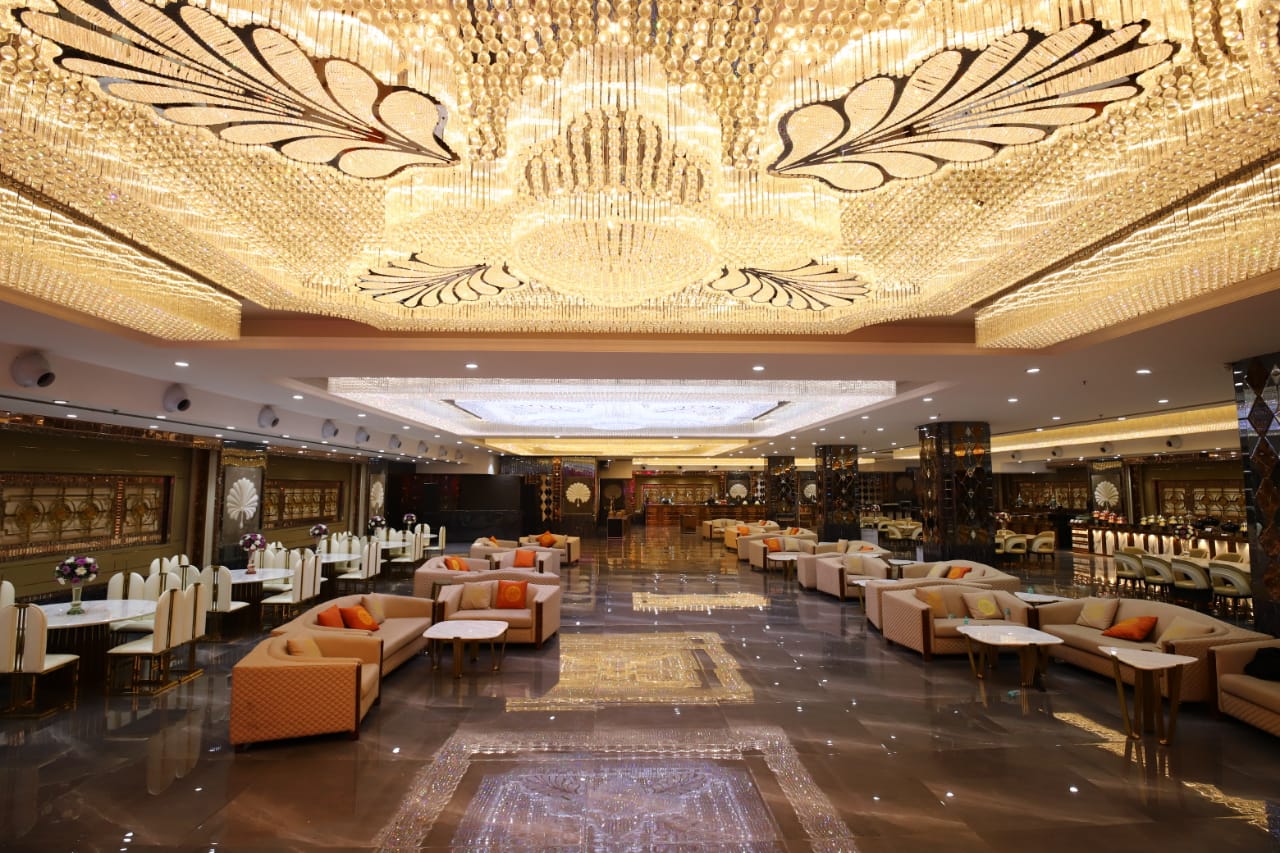
Our Banquet Halls are centrally Air-Conditioned. We run our AC on generators and hence it never stops and it is very effective in the middle of summer too.