
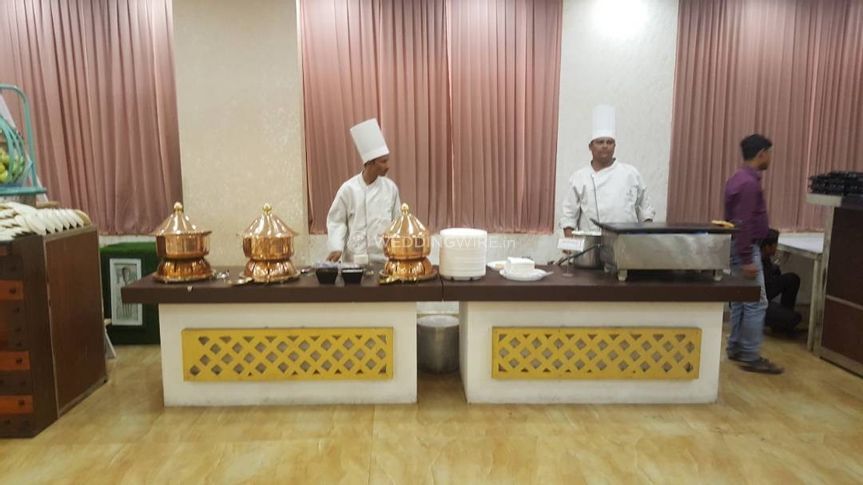
How to Choose the Perfect Color Palette for Your Banquet Hall Décor
Colour shapes the mood of an event before guests notice the flowers, furniture or table settings. A warm terracotta scheme can make a daytime celebration feel welcoming, while ivory and sage can create a calm, elegant atmosphere for a wedding reception. The right palette should support the occasion, photograph well and suit the architecture of the venue.
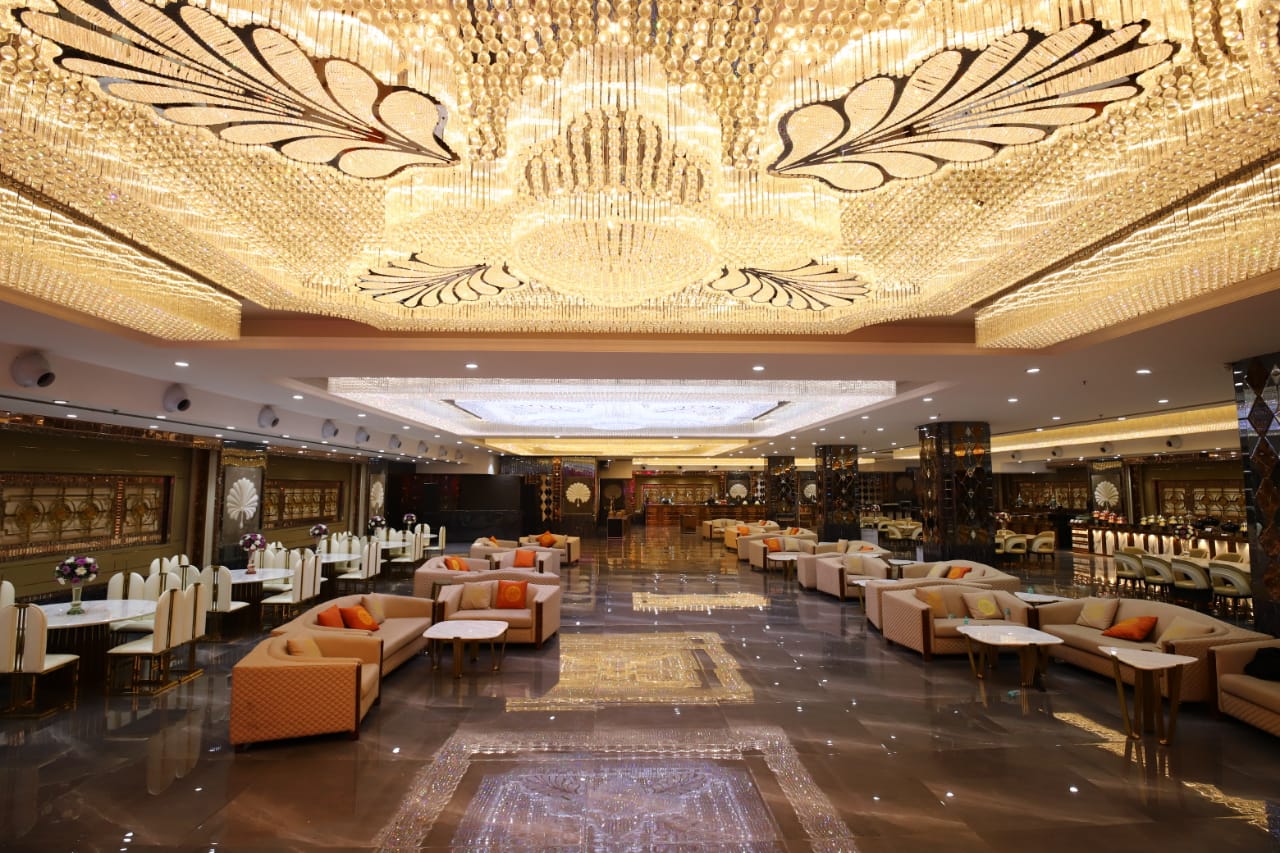
At Pearl Grand Banana Tree in Sahibabad, Ghaziabad, the scale of the banquet spaces allows colour to work across entrances, stages, dining areas and guest seating. Its location near Kaushambi Metro Station and Pacific Mall also makes it practical for large family gatherings and events attended by guests travelling from different parts of Delhi-NCR.
For Australians arranging a wedding, birthday, anniversary or corporate function in India, the palette may also carry personal meaning. Eucalyptus green, coastal blue, sandstone, ochre and muted gum-leaf tones can connect the décor with home, while jewel shades and traditional Indian textiles add richness without making the room feel crowded.
A successful event colour scheme is therefore a balance between personal taste, venue conditions, cultural details and practical styling. It should look considered in person, remain consistent across the catering and floral design, and appear attractive in photographs taken under changing indoor light.
Start With Venue Light And Event Mood
Begin by studying how light moves through the banquet hall. A room with strong daylight can handle deeper colours, while a space lit mainly by warm chandeliers may make red, orange or gold appear more intense. Ask the venue team about ceiling height, wall finishes, carpet colours and fixed lighting before selecting fabrics or floral arrangements.
The event type should guide the emotional direction. A wedding may suit ivory, blush, champagne and sage; a sangeet or pre-wedding ceremony can support magenta, coral, saffron or emerald. For a corporate dinner, navy, white and metallic silver usually appear polished, while a child’s birthday can use two strong accent colours rather than a mixture of every bright shade.
Australian celebrations often place value on relaxed elegance. A Sydney or Melbourne couple may prefer a restrained palette with natural textures, while a Brisbane event may lean towards tropical greens and lighter tones. These preferences can be translated into a banquet setting without losing the warmth of Indian event décor.
Build The Scheme Around Practical Anchors
Choose one dominant colour, one supporting colour and one or two accents. The dominant shade should cover larger visual areas such as drapes, backdrops or table linens. The supporting shade can appear in chair covers, runners and floral arrangements, while accents belong in candles, napkins, signage or small decorative details.
Start with elements that are difficult or expensive to change. Existing flooring, chandeliers, wall panels, stage structures and banquet furniture should form the base of the scheme. If the room already includes dark wood or ornate gold details, adding several competing colours may make the setting feel busy. Soft neutrals can create breathing space around elaborate décor.
Use physical fabric and flower samples rather than relying only on digital images. Screens display colour differently, and a pale beige that looks fresh online may appear yellow under warm lighting. Review samples inside the actual hall at the approximate event time, particularly if guests will arrive during daylight and stay after sunset.
Coordinate Décor, Catering And Guest Experience
Colour consistency matters across the complete event journey, from the welcome sign to the dessert display. At a vegetarian multi-cuisine venue such as Pearl Grand Banana Tree, food presentation can complement the scheme through serving ware, garnish, buffet skirting and menu cards. The décor should frame the catering rather than make dishes difficult to see.
Create a simple styling brief that every supplier can follow:
- Dominant shade: the colour used for the largest surfaces
- Supporting shade: the tone that connects linens, flowers and seating
- Accent shade: a brighter or darker detail used sparingly
- Neutral base: ivory, white, beige, taupe, grey or charcoal
- Finish direction: matte, glossy, metallic, natural wood or woven texture
Keep strong colours away from areas where guests take formal photographs unless they are intentional. A vivid red wall can cast colour onto faces, while bright green lighting may make skin tones look unnatural. Neutral backdrops with controlled accents usually produce more flattering wedding and family portraits.
A second checklist helps prevent unnecessary decoration:
- Limit the palette to three main colours plus neutrals
- Repeat each important shade at least three times
- Match printed stationery to the stage and dining design
- Check floral colours against the chosen fabric samples
- Reserve metallic finishes for defined details rather than every surface
Balance Australian Preferences With Local Requirements
Australian clients may be familiar with accessible event planning under the Disability Discrimination Act 1992. When arranging an event in Sahibabad, ask the venue about step-free access, accessible toilets, aisle width and seating for older guests or guests using mobility aids. Strong colour contrast between flooring, steps, signage and walls also improves wayfinding.
Food and beverage planning requires local coordination. Australia has strict food safety expectations under the Food Act framework, while an event in Uttar Pradesh will follow Indian regulations and venue procedures. Confirm how vegetarian catering is handled, how allergens are communicated and whether outside desserts or specialty items are permitted. If alcohol is part of the celebration, check the venue’s service arrangements and applicable local licensing requirements well in advance.
Seasonal timing can influence the colour choice as well as guest comfort. Australians often plan weddings around spring or autumn, avoiding extreme summer heat in cities such as Perth, Adelaide and Brisbane. For a destination celebration in the Delhi-NCR region, review the expected weather, indoor cooling and guest clothing before selecting heavy fabrics, dark drapes or densely layered table décor.
Compare Palettes Before You Book
A palette becomes easier to assess when its visual effect, suitability and practical risks are compared together. The following combinations work well for different event styles and can be adapted to the hall’s existing finishes.
| Palette | Best suited to | Visual effect | Practical note |
|---|---|---|---|
| Ivory, sage and champagne | Weddings and receptions | Soft, refined and natural | Works well with daylight and pale florals |
| Navy, white and silver | Corporate dinners and formal anniversaries | Clean, professional and modern | Needs warm lighting to avoid feeling cold |
| Terracotta, peach and cream | Engagements and intimate celebrations | Warm, relaxed and welcoming | Complements wood, brass and neutral flooring |
| Emerald, fuchsia and gold | Sangeet and festive parties | Energetic, rich and celebratory | Use neutrals to prevent visual overload |
| Sandstone, eucalyptus and muted blue | Australian-inspired destination events | Calm, organic and contemporary | Natural textures help the colours feel connected |
Request photographs of Pearl Grand Banana Tree’s stage, dining area and entrance in both daytime and evening conditions. Compare those images with your chosen swatches, then confirm what the venue provides, what the décor team supplies and which elements carry additional charges. A clear palette brief should also identify the preferred flowers, linen colours, metallic finish, lighting temperature and signage style.
The final decision should be based on how the colours behave throughout the event, not just how they appear in a mood board. Before booking the décor, send the venue a one-page palette brief with three colour swatches, reference images and a list of fixed items to be retained.
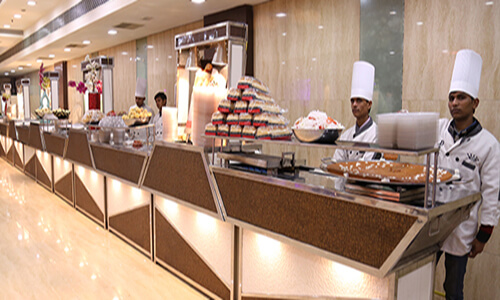
We have a specialized team of highly trained and experienced managers all from 5 stars, captains and other staff and they look after all of the needs of the guests. Our staff is dedicated, polite, courteous, neat and honest
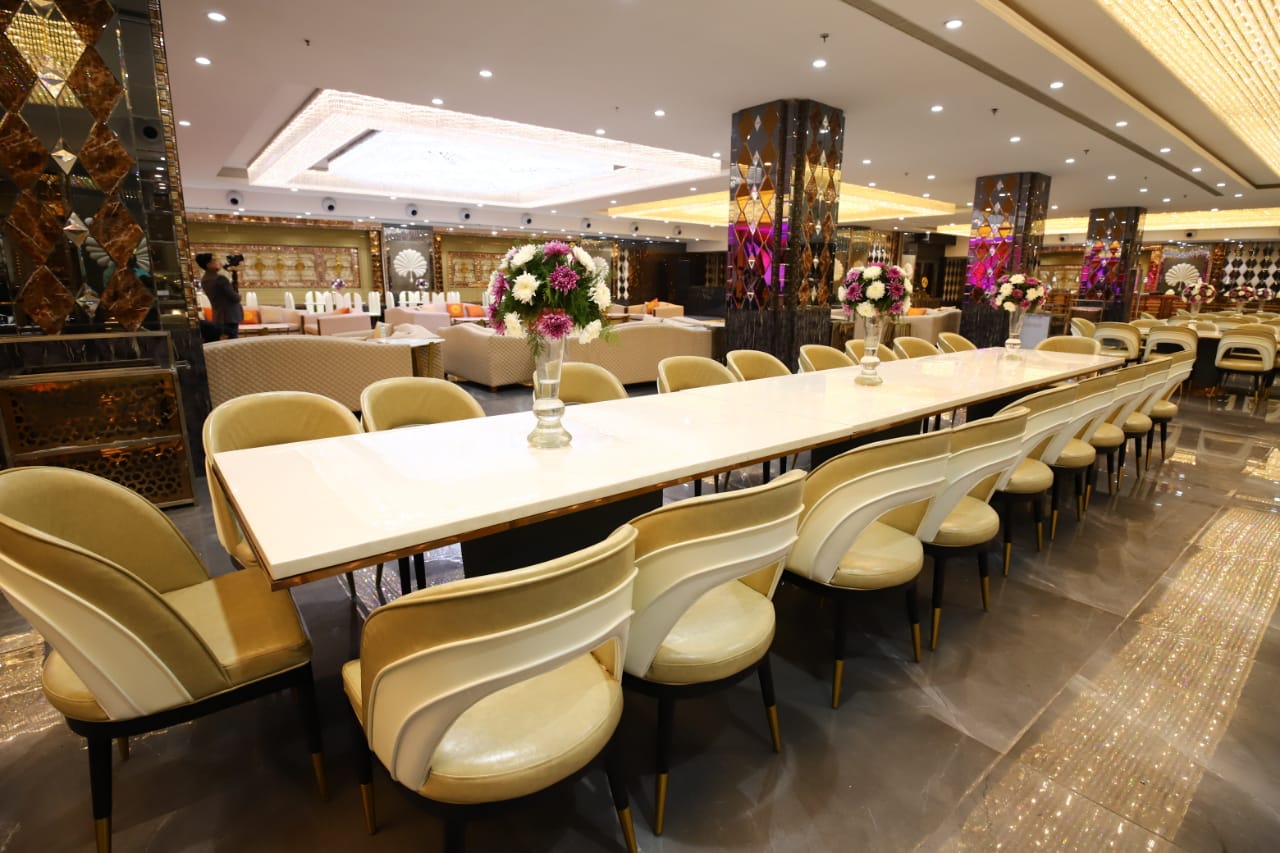
Spacious Elevators and escalated staircase is installed for convenience of our guests. All halls come with Bridle Room with lock for security of belongings of guest. Special Bar Counters

We are serving delicious snacks, some of them have been developed by our expert chefs, and they are our gift to the food industry. We serve full quantity of snacks from start till end of the function.
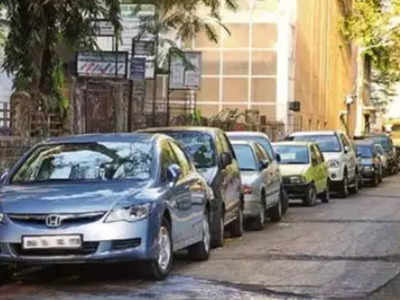
We provide ´Valet Parking´ facility at no extra cost to you. The cars of our guests shall be parked by our expert Valet parking drivers.

The richness of the ambience can be felt from the Cascading waterfalls, ornamental crystal chandeliers, beautiful Italian marble, light emitting onyx stone and ornate wood work. We have halls large enough to hold parties of 80 to 5000 guests. Beauty of our halls is unmatched in whole of East Delhi.
Our Banquet Halls are centrally Air-Conditioned. We run our AC on generators and hence it never stops and it is very effective in the middle of summer too.