
How to Coordinate with a Wedding Photographer for Indoor Shots
Indoor wedding photography depends on preparation, communication, and a clear understanding of the venue. Natural light may change throughout the day, artificial lighting can create colour shifts, and crowded rooms may limit movement. A photographer who knows the schedule and layout in advance can create polished images without interrupting the celebration.
The couple, planner, venue team, and photographer should work from the same timeline. This is especially important for weddings with several ceremonies, family portraits, stage moments, and dining arrangements. When everyone understands what will happen and when, the photographer can focus on emotion, composition, and storytelling.
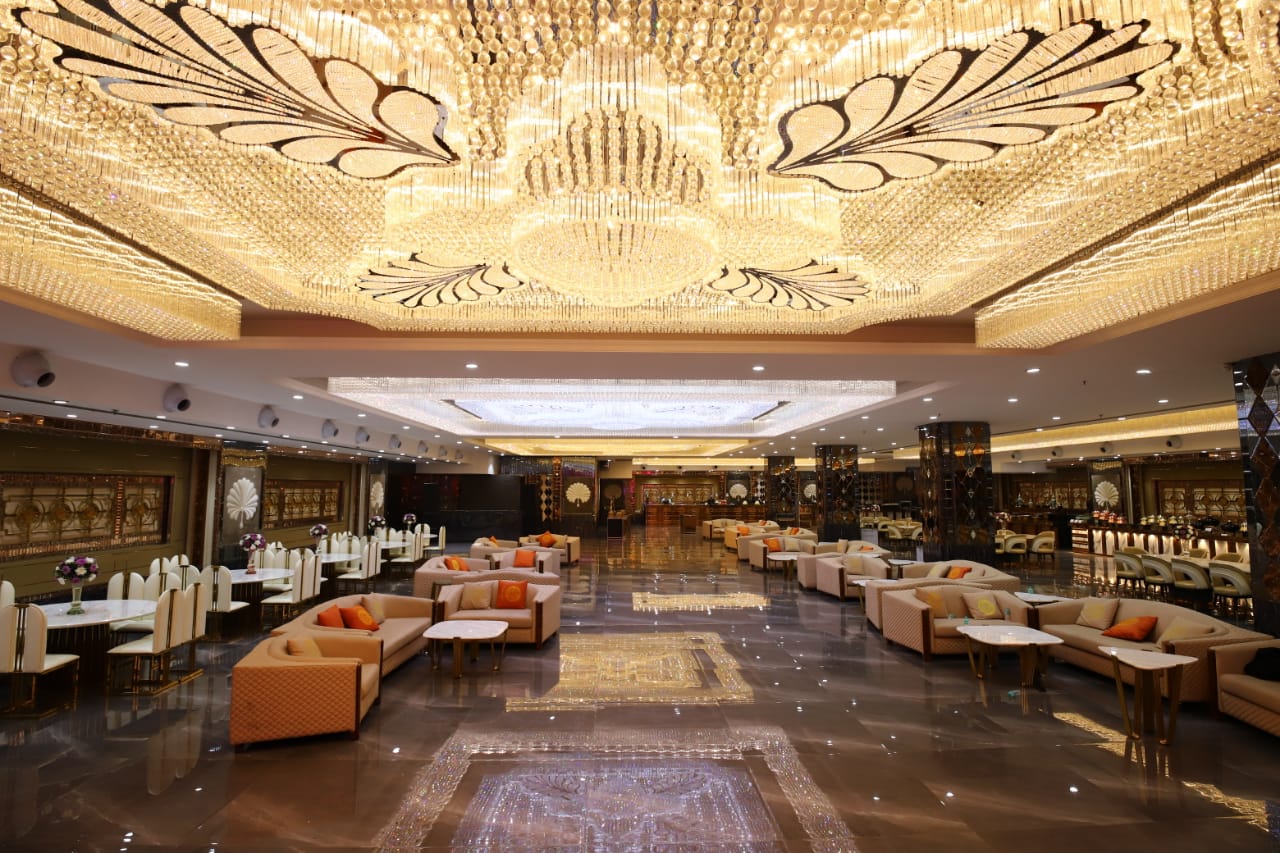
At a spacious venue such as Pearl Grand Banana Tree, the photography plan can cover decorated halls, entrance areas, dining spaces, and formal portrait zones. Sharing the event details early helps the photographer make the most of each setting.
Set Expectations Before the Event
Arrange a planning call or meeting at least a few days before the wedding. Discuss the photography style, preferred colour treatment, must-have family groups, important rituals, and the balance between candid and posed images. Couples should also explain whether they want close emotional moments, wide venue photographs, fashion-focused portraits, or a mixture of all three.
Share the complete event schedule, including guest arrival, rituals, speeches, cake cutting, meals, and departure times. Mark moments that cannot be repeated, such as exchanging rings, traditional ceremonies, or surprise performances. The photographer can then position equipment and assistants before each key moment begins.
It is useful to provide names or descriptions of essential guests. A designated family member can help gather relatives for group portraits, saving time and preventing the photographer from searching through the crowd. This small coordination step often keeps formal photography calm and efficient.
Study the Venue’s Indoor Light
Before the event, walk through the banquet hall with the photographer or send clear photographs and a short video of the space. Point out windows, chandeliers, stage lighting, mirrors, pillars, dark corners, and areas with coloured decorative lights. These details affect exposure, skin tones, background quality, and the choice of lenses.
Ask the photographer to identify two or three reliable portrait locations. One may offer soft window light, another may have a decorated backdrop, and a third may provide enough space for large family groups. Having alternatives prevents delays if one area becomes crowded or receives harsh light.
Lighting equipment should be discussed in advance. Flash, LED panels, bounce flash, or diffusers may be appropriate depending on the ceiling height and décor. The photographer should also confirm whether stands, cables, or assistants will interfere with guest movement. A professional setup should improve the images while remaining discreet.
Build a Practical Shot List
A shot list gives structure without forcing every photograph to feel staged. Begin with essential images: the couple separately, the couple together, parents, grandparents, siblings, close friends, wedding party members, and important ceremonial details. Add meaningful combinations based on family traditions and personal relationships.
Include details that establish the atmosphere of the indoor celebration. Examples include invitations, jewellery, floral arrangements, table settings, clothing details, the decorated stage, welcome signage, and guests arriving. These photographs create visual continuity in the final album.
Keep the list realistic. A long catalogue of combinations can take the couple away from their guests and create fatigue. Group similar portraits together, use a single well-lit location where possible, and allow time for candid photographs between formal sessions.
| Photography Need | Suitable Indoor Setting | Lighting Approach | Suggested Timing |
|---|---|---|---|
| Couple portraits | Decorated stage or quiet corner | Soft off-camera flash or window light | Before guests gather |
| Large family groups | Open area near the hall entrance | Even front lighting | Immediately after a ceremony |
| Close emotional portraits | Window-side seating or uncluttered wall | Diffused natural light | During quiet transitions |
| Ceremony coverage | Clear side angle with a wide view | Fast lens and low-disruption flash | Throughout the ritual |
| Décor and venue details | Empty hall or reception area | Ambient light with subtle fill | Before the event begins |
| Dance and celebration | Open floor | Fast shutter with controlled flash | During performances |
Coordinate Family and Formal Portraits
Formal portraits work best when the location, sequence, and participants are decided before the session begins. Start with the largest group, then release people in stages for smaller combinations. For example, photograph both families together first, followed by parents, siblings, and close friends.
A coordinator should stand near the portrait area with the shot list. This person can call groups by name, check that elderly relatives are comfortable, and make sure children are present when needed. The photographer can then concentrate on posing, expression, focus, and framing.
Tell guests to avoid standing directly behind the couple or blocking the primary light source. Small adjustments to posture, spacing, and chin position can make group photographs look more natural. The photographer should also take several frames of each important combination because people blink, move, or look away.
Keep Movement and Timing Flexible
Indoor wedding coverage rarely follows the schedule perfectly. A ritual may run late, a speaker may need extra time, or a group of relatives may arrive after the planned portrait session. Build short buffers into the timeline so the photography team can adjust without missing important moments.
The photographer should know which areas may become unavailable during the event. A dining section may be occupied, a dance floor may need clearing, or a stage may be reserved for a ceremony. Share these changes promptly through the planner or a designated contact instead of relying on several people to give conflicting instructions.
Candid photography requires freedom to move, so keep pathways reasonably clear. Ask venue staff to manage unnecessary bags, spare chairs, and equipment near the main action. At a large Ghaziabad banquet venue, clear communication between hospitality staff and the photography crew can help preserve both guest comfort and image quality.
Prepare a Smooth Backup Plan
Indoor photography should include alternatives for technical and environmental problems. The photographer should carry spare batteries, memory cards, flashes, triggers, and essential lenses. If a camera or light fails, the celebration should continue without a visible disruption.
Discuss what will happen if the hall becomes too dark, decorative lights change colour, or a preferred portrait area is occupied. A second location and a simplified lighting setup give the team immediate options. Couples should also decide whether they are comfortable with a brief portrait session in a foyer, covered entrance, or quieter side room.
Protecting the final images matters as much as capturing them. Confirm that the photographer will create backups during or immediately after the event and clarify delivery expectations for edited photographs, previews, albums, and digital files. Written details prevent confusion after the wedding.
Practical Recommendations
Good coordination is usually built from a few clear responsibilities rather than constant instructions. Assign one decision-maker for the couple, one family contact for group portraits, and one venue contact for access, lighting, and schedule changes.
- Send the photographer the venue layout, timeline, and décor references before the event.
- Reserve a clean, well-lit area for couple and family portraits.
- Appoint a reliable person to gather relatives and identify important guests.
- Include buffer time between ceremonies, group photographs, and reception activities.
- Confirm backup equipment, image storage, editing style, and delivery dates in writing.
A short venue visit can resolve many issues before they become visible in the photographs. It allows the team to test angles, identify distractions, assess light, and decide how to move through the space discreetly.
Choose a photography plan that matches the hall, guest count, ceremony schedule, and atmosphere of the celebration. Coordinate early with the venue team and photographer, then reserve your wedding date with Pearl Grand Banana Tree for a well-organised indoor celebration and memorable photographs.
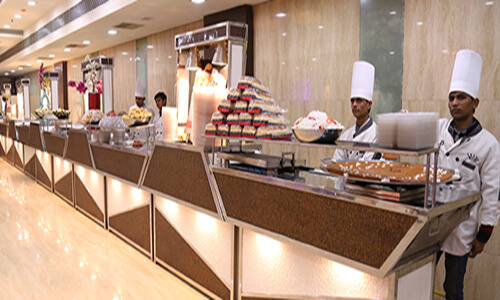
We have a specialized team of highly trained and experienced managers all from 5 stars, captains and other staff and they look after all of the needs of the guests. Our staff is dedicated, polite, courteous, neat and honest
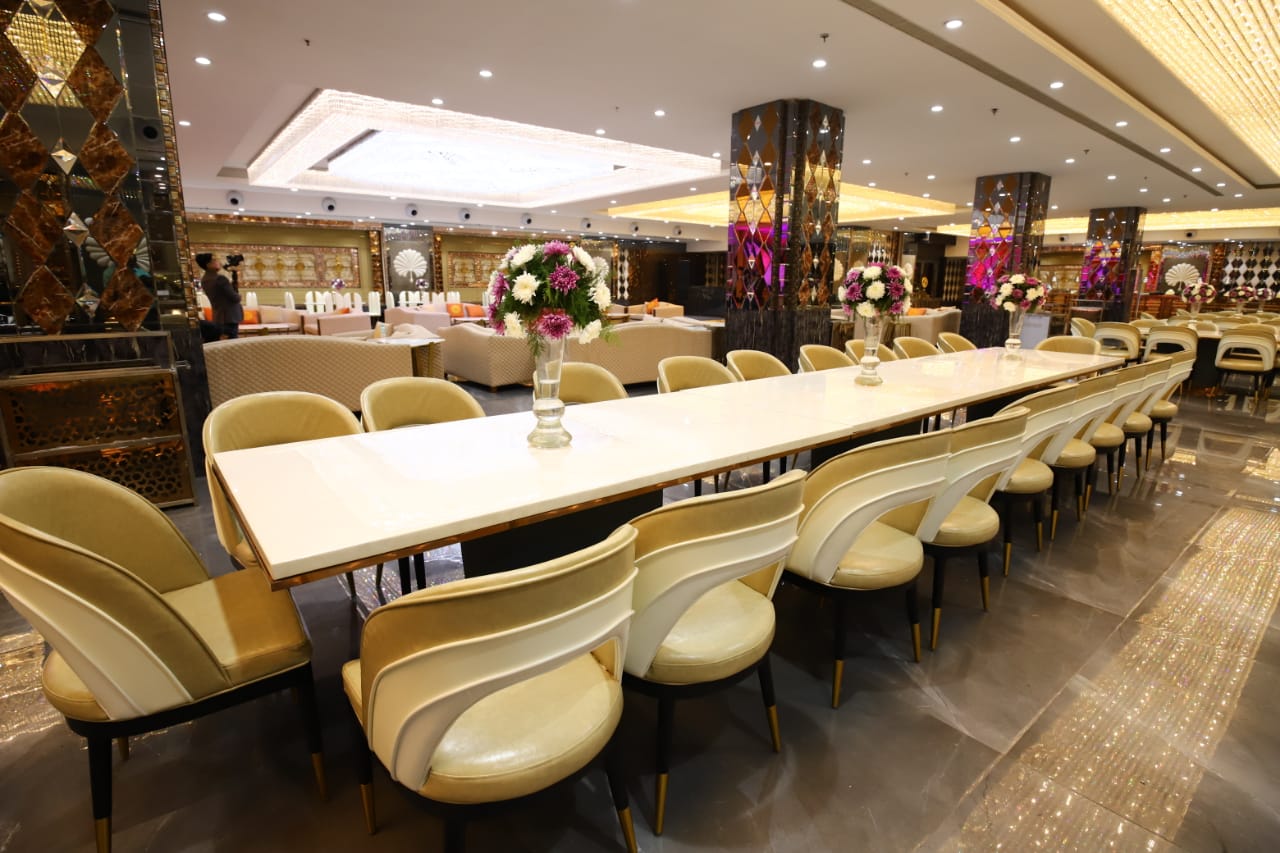
Spacious Elevators and escalated staircase is installed for convenience of our guests. All halls come with Bridle Room with lock for security of belongings of guest. Special Bar Counters

We are serving delicious snacks, some of them have been developed by our expert chefs, and they are our gift to the food industry. We serve full quantity of snacks from start till end of the function.
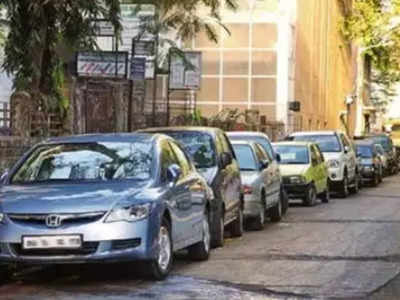
We provide ´Valet Parking´ facility at no extra cost to you. The cars of our guests shall be parked by our expert Valet parking drivers.

The richness of the ambience can be felt from the Cascading waterfalls, ornamental crystal chandeliers, beautiful Italian marble, light emitting onyx stone and ornate wood work. We have halls large enough to hold parties of 80 to 5000 guests. Beauty of our halls is unmatched in whole of East Delhi.
Our Banquet Halls are centrally Air-Conditioned. We run our AC on generators and hence it never stops and it is very effective in the middle of summer too.