
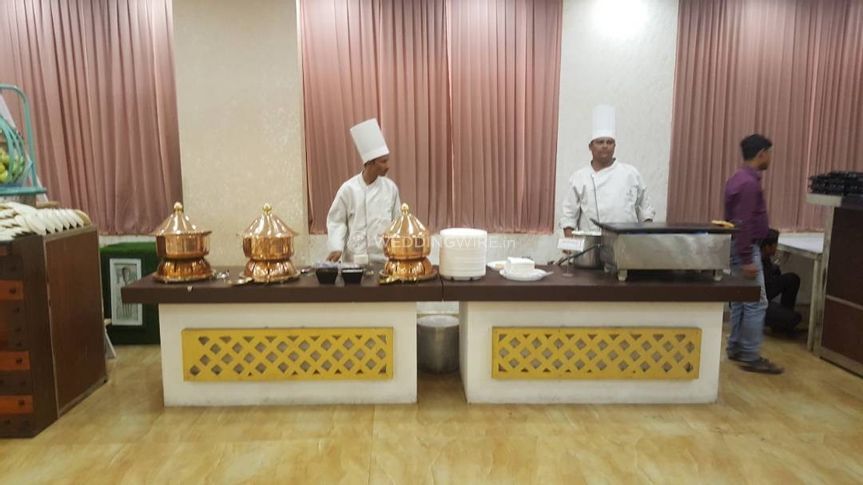
Coordinating a Themed Food Station with Our Catering Team
A themed food station transforms an ordinary banquet into an immersive dining experience, and at Pearl Grand Banana Tree, the catering team works closely with hosts to bring each concept to life. From the moment guests approach a live chaat counter or a sizzling tandoor station, visual theatre and aroma set the tone for the evening. Coordination between host and catering staff is what turns a sketched idea into a memorable spread.
Hosts planning events from Sydney, Melbourne, or Brisbane often contact venues in Sahibabad for destination weddings or family reunions. The multicultural backdrop of Australian hospitality, shaped by appreciation for Greek souvlaki trucks, Vietnamese pho bars, and Lebanese mezze spreads, has influenced modern expectations of food stations worldwide. Pearl Grand Banana Tree's team blends this global sensibility with Indian regional traditions, creating stations that feel both familiar and refreshingly new.
Effective coordination begins well before the tasting session. Hosts who arrive with a clear vision, a workable guest count, and an understanding of preferred cuisines find the process smoother. The following sections explain how to collaborate with the catering team to design and execute a themed food station suited to any occasion.
Initial Consultation and Brief
The first step is a detailed consultation where the host shares the event type, guest numbers, and cultural elements to highlight. Whether the occasion is a sangeet night, an anniversary, or a corporate gala attended by teams visiting from Adelaide or Perth, the catering lead listens carefully and notes preferences, dietary restrictions, and existing décor plans.
The team typically asks about flavour profiles the host enjoys, cuisines encountered at recent events, and reference images from Pinterest or Instagram. Australian hosts often draw inspiration from Melbourne's food halls or the seafood-forward menus popular in coastal weddings around Byron Bay. Sharing these references helps craft a station that resonates with the host's taste.
A well-prepared brief shortens the planning cycle. Hosts should mention the event timing, expected footfall at each station, and whether children or elderly relatives will attend in significant numbers. This shapes portion sizes, counter height, and overall accessibility.
Selecting a Cuisine Theme
Pearl Grand Banana Tree's kitchen specialises in vegetarian multi-cuisine offerings, opening the door to many themed stations. Popular choices include a North Indian tandoor corner, a South Indian dosa counter, a Pan-Asian noodle bar, a Mediterranean mezze spread, and a dessert station featuring jalebi, rabri, and Australian-inspired pavlova shooters for fusion-minded hosts.
The choice often depends on the broader event theme. A Moroccan-inspired mehendi might pair with a Mediterranean station, while a corporate event may favour regional Indian counters such as a Gujarati farsan corner or Bengali sweets. Hosts based in Australia frequently request Indo-Chinese stations that recall family gatherings in suburbs like Parramatta or Box Hill.
Choosing two or three complementary cuisines works better than packing too many ideas into one evening. The team advises which flavour families harmonise and which combinations may overwhelm guests. A balanced selection keeps the food station as the highlight rather than a chaotic buffet.
Menu Customisation and Tasting
Once the theme is locked in, the culinary team drafts a customised menu listing each dish, portion size, and service style. Chefs welcome feedback at this stage and adjust spice levels, ingredients, and presentation based on host preferences. Australian hosts sometimes request milder versions of traditional Indian dishes for guests unaccustomed to high chilli content.
A tasting session follows, scheduled weeks before the event. The host samples each proposed dish and refines final selections, while the team discusses live-cooking elements such as a chef tossing pasta, flipping dosas on a flat griddle, or finishing plates with shaved truffles for a wedding hosted by relatives flying in from Western Australia.
Treating the tasting as a working meeting rather than a simple meal yields better results. Notes on salt levels, garnishes, and serving temperature help the kitchen deliver consistent plates on the day.
| Cuisine Theme | Best Suited For | Signature Items | Service Style |
|---|---|---|---|
| North Indian Tandoor | Wedding receptions, sangeet | Paneer tikka, mushrooms, kebabs | Live griddle |
| South Indian Counter | Morning ceremonies, brunch | Dosa, idli, uttapam, sambhar | Chef-prepared |
| Pan-Asian Noodle Bar | Corporate events, cocktail hours | Hakka noodles, dim sum, curry | Wok-tossed live |
| Mediterranean Mezze | Engagements, anniversaries | Hummus, tabbouleh, stuffed pita | Platter display |
| Dessert Fusion | Closing hour, kids' corner | Jalebi, rabri, pavlova shooters | Chilled display |
Logistics, Layout, and Equipment
Behind every successful food station lies careful logistical planning. The catering lead walks the venue floor with the host to place each counter, ensuring smooth guest flow and avoiding bottlenecks near entrances or the dance floor. The hall's proximity to Kaushambi Metro Station and Pacific Mall allows fresh ingredients to arrive easily on event morning.
Equipment requirements vary by station. A live chaat counter needs refrigeration for yoghurt and tamarind chutney, while a tandoor station demands proper ventilation and heat-resistant flooring. Dessert stations often require chilled display units and dry ice for theatrical presentation, a trend seen in contemporary weddings across Sydney and Mumbai alike.
The team coordinates with décor partners so that each station matches the event's colour palette and theme. Whether it is Rajasthani puppets for a folk-inspired mehendi or minimalist signage for a corporate gathering, visual harmony is planned in advance rather than left to chance.
Cuisine ideas worth considering
- A Bengali sweets counter with sandesh, rasgulla, and mishti doi for regional flavour lovers.
- A Goan-inspired vegetarian station with mushroom and jackfruit preparations styled like a beach shack.
- A Delhi-style chaat lane with gol gappa, aloo tikki, and bhalla papdi prepared live in front of guests.
- A dessert bar pairing traditional mithai with lamingtons or finger lime cheesecakes for an Australian touch.
- A pasta station with hand-tossed sauces and seasonal vegetables for a casual gathering.
Points to confirm with the catering team
- Approximate guest count at each station during peak hours.
- Preferred spice levels, allergens, and dietary restrictions.
- Live-cooking elements versus pre-plated dishes.
- Décor coordination, including signage, props, and florals.
- Power, water, and ventilation requirements for each station.
Dietary Requirements and Guest Comfort
Vegetarian multi-cuisine catering accommodates many preferences, but hosts with guests following stricter practices appreciate additional options. Jain-friendly preparations without onion and garlic, vegan alternatives to dairy-heavy dishes, and gluten-free choices can all be incorporated without compromising flavour.
Hospitality staff label each dish clearly with allergen information such as nuts, dairy, or soy. This matters at multicultural events where guests from different backgrounds may not recognise every ingredient. Signage in English and Hindi is standard, with additional languages arranged on request.
Seating and standing arrangements near each station allow elderly guests, children, and those with mobility needs to access food comfortably. Soft lighting, attentive queue management, and steady service ensure that every guest enjoys the station experience equally.
Day-of Coordination and Final Execution
In the final days before the event, the catering team confirms the headcount, finalises the run sheet, and briefs service staff on the sequence of operations. Each chef and steward knows exactly when to begin preparation, when to move to the station, and how to replenish dishes without disrupting guest flow.
On the day itself, the catering lead remains on-site as the main point of contact for the host. Last-minute changes, such as a late-arriving guest or a request for an additional sweet, can be accommodated swiftly because the team prepares with buffer ingredients and flexible protocols.
Hosts who treat the relationship as a partnership rather than a transaction consistently see the best outcomes. Approaching the catering team with clarity, trust, and a willingness to refine ideas ensures the themed food station becomes a memorable highlight of the celebration, leaving guests talking about the food long after the venue lights go down.
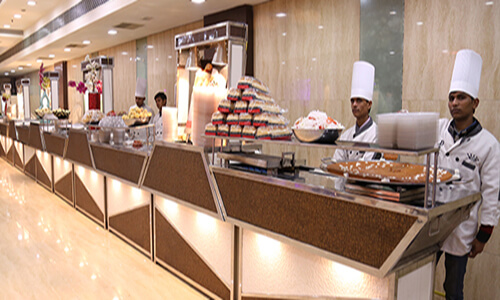
We have a specialized team of highly trained and experienced managers all from 5 stars, captains and other staff and they look after all of the needs of the guests. Our staff is dedicated, polite, courteous, neat and honest
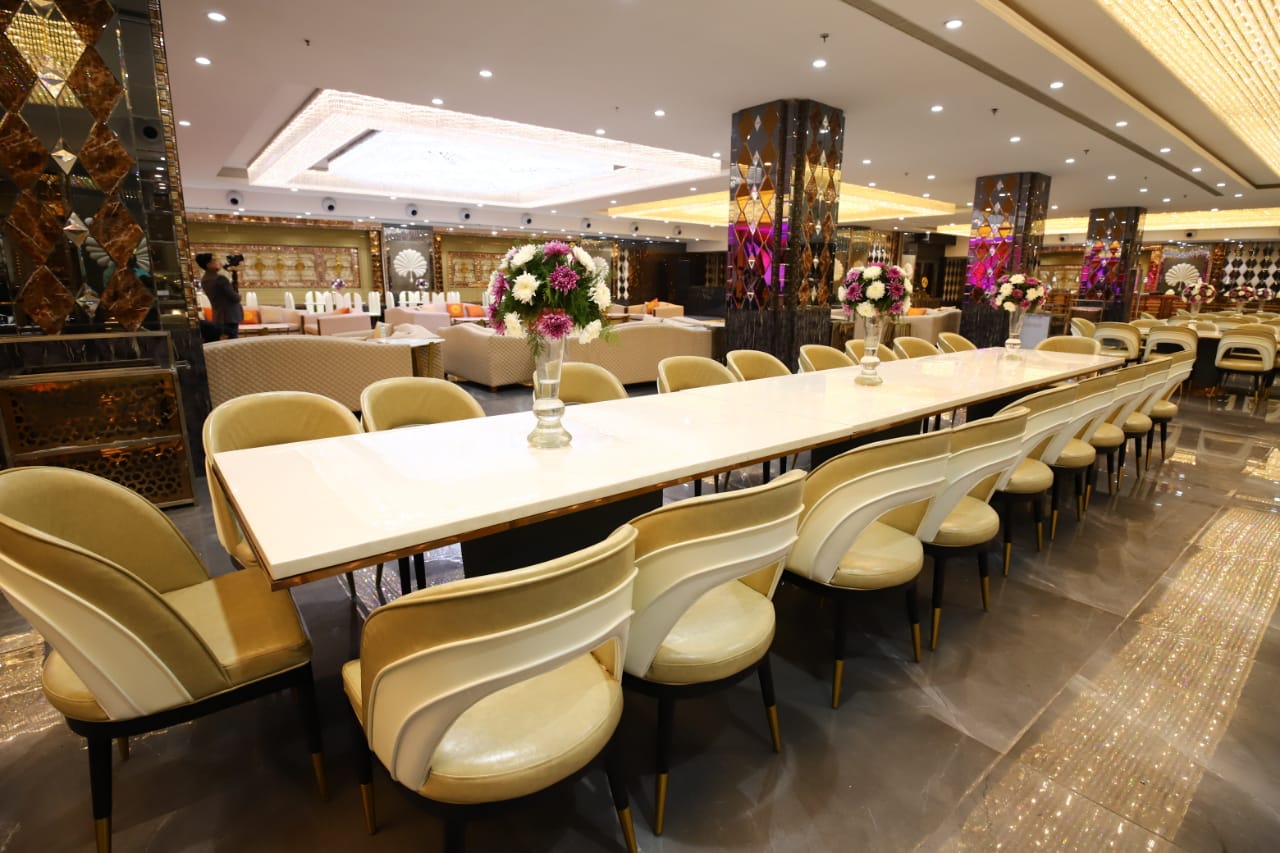
Spacious Elevators and escalated staircase is installed for convenience of our guests. All halls come with Bridle Room with lock for security of belongings of guest. Special Bar Counters
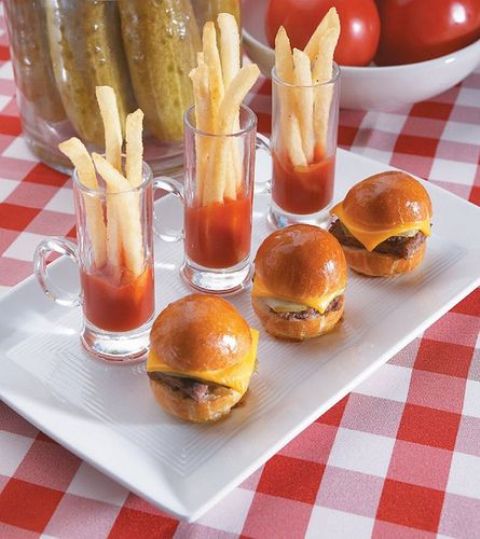
We are serving delicious snacks, some of them have been developed by our expert chefs, and they are our gift to the food industry. We serve full quantity of snacks from start till end of the function.
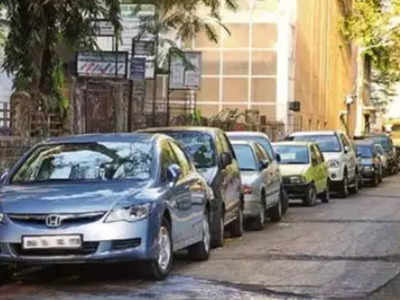
We provide ´Valet Parking´ facility at no extra cost to you. The cars of our guests shall be parked by our expert Valet parking drivers.

The richness of the ambience can be felt from the Cascading waterfalls, ornamental crystal chandeliers, beautiful Italian marble, light emitting onyx stone and ornate wood work. We have halls large enough to hold parties of 80 to 5000 guests. Beauty of our halls is unmatched in whole of East Delhi.
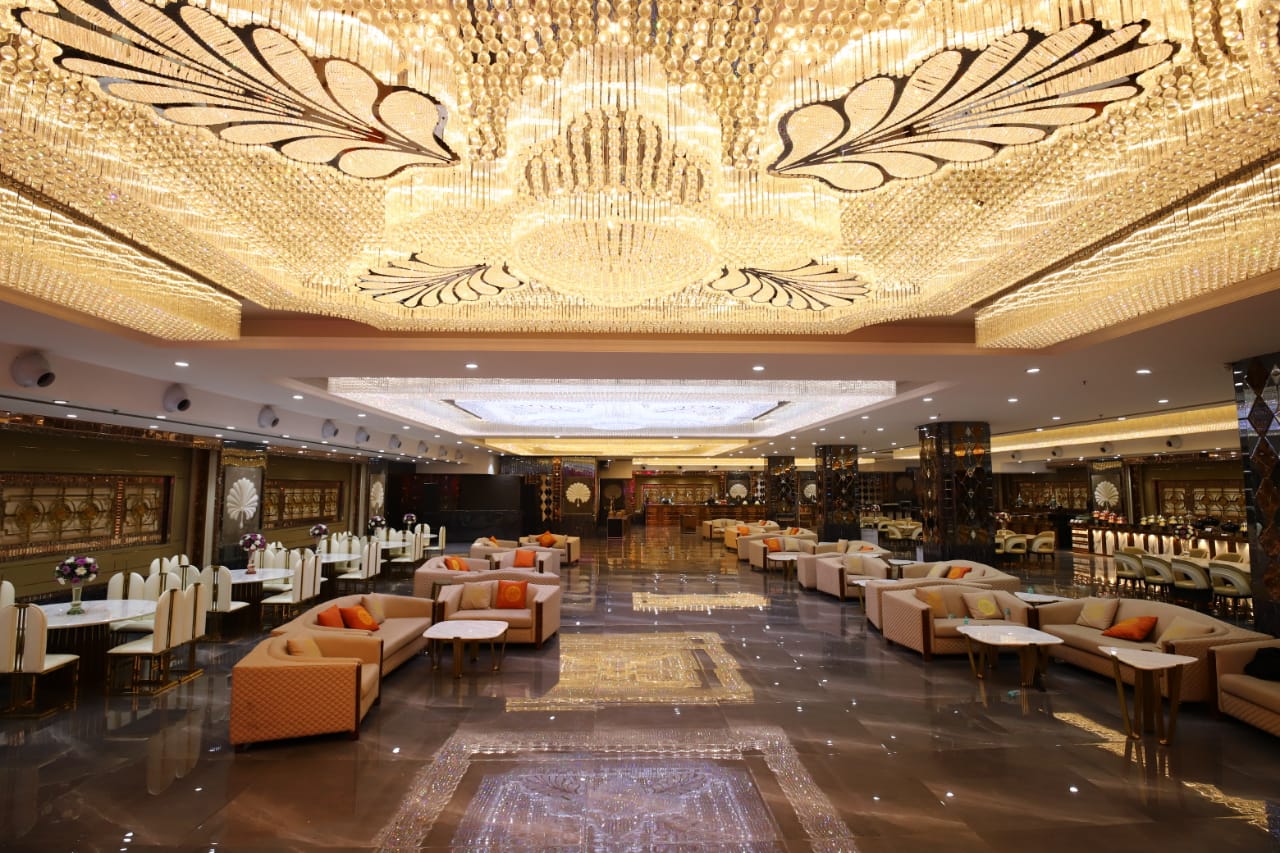
Our Banquet Halls are centrally Air-Conditioned. We run our AC on generators and hence it never stops and it is very effective in the middle of summer too.