
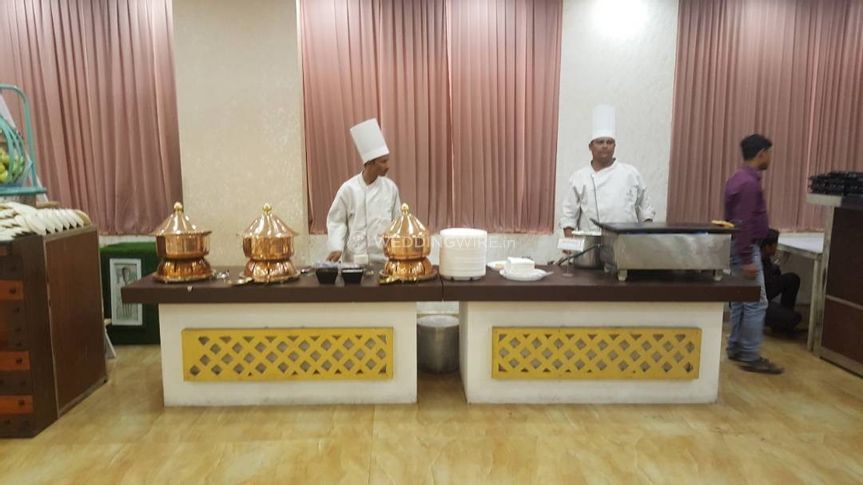
Smooth Guest Traffic for Weddings and Large Events
Pearl Grand Banana Tree in Sahibabad, Ghaziabad, hosts weddings, receptions, birthdays, anniversaries, corporate gatherings, and other large celebrations. Each event creates a different transport pattern, so a traffic plan designed for one function may not suit the next. Clear arrival and departure arrangements help protect the guest experience, reduce pressure on surrounding roads, and allow the venue’s event and hospitality staff to focus on service.
How to ensure smooth traffic flow for guest arrival and departure begins before invitations go out. Planners need to understand guest numbers, transport choices, local access points, and the timing of each ceremony. The objective is not simply to move vehicles quickly, but to make every journey predictable for drivers, families, older guests, and people with limited mobility.
The venue’s location near Kaushambi Metro Station and Pacific Mall adds useful transport options while also creating several potential points of congestion. Metro passengers, mall visitors, delivery vehicles, taxis, ride-hailing cars, and event guests may use nearby roads at the same time. A good site plan keeps these movements separate and gives drivers clear instructions rather than relying on last-minute directions from security staff.
Australian event planners can adapt several useful practices from home, although the rules applying in Sahibabad come from the relevant Uttar Pradesh authorities. Australian motorists generally drive on the left and give way to vehicles already in a roundabout, while Australian venue operators routinely use valet teams, coach shuttles, professional traffic-management personnel, and designated ride-hailing bays.
Start with a traffic and guest-flow brief
Begin with expected attendance, RSVP information, ceremony times, coach bookings, and likely arrival modes. Note guests who require accessible transport, those arriving with children, and vehicles carrying wedding décor or luggage. This information determines how much forecourt space is needed and whether arrivals should be divided into timed groups.
Create a profile for both the busiest arrival and departure periods. A wedding may bring a concentrated rush before the ceremony, a sudden movement after the reception, and another wave when farewell guests leave. Receptions, birthdays, and corporate functions can follow different patterns, so the plan should reflect the actual programme rather than reuse a standard schedule.
Assign one person or event team as the traffic-flow coordinator. That person should maintain the guest list, speak to drivers and transport providers, monitor congestion, and escalate delays to the venue manager. Clear ownership prevents contradictory instructions from guards, decorators, caterers, and transport staff.
Map the site and surrounding roads
Walk the full route from the nearest approach road to the guest entrance. Identify turning points, parking access, drop-off areas, pedestrian crossings, metro approaches, Pacific Mall driveways, emergency lanes, and areas where buses or coaches can stand without blocking normal traffic. The final map should show separate spaces for moving vehicles, stationary vehicles, and pedestrians.
Use physical barriers, signs, cones, and lighting to make the route understandable. Drivers should receive a pin, a landmark, and a named drop-off point rather than only the venue name. Keep the accessible route short and level, and separate it from queues, reversing vehicles, and two-wheeled traffic.
Australian conditions offer useful reminders. Sydney CBD roads often contain clearways and strict parking controls, so stopping for a passenger may be unlawful during specified hours. Brisbane school zones may impose lower speed limits and no-stopping periods near event times. Left-side traffic and roundabout priority rules also affect how marshals should direct vehicles in unfamiliar settings.
Coordinate transport providers and permissions
Compare coaches, hired minibuses, taxis, ride-hailing services, private cars, and shuttle transfers based on reliability rather than price alone. The Australian events market commonly combines accredited shuttle operators with dedicated valet and ride-hailing zones. Confirm vehicle capacity, arrival procedures, mobile contact details, waiting time, and contingency arrangements before the event.
Permissions depend on location, capacity, and the nature of the gathering. In Australia, liquor service, responsible service of alcohol, road occupation, crowd management, and event access are governed by state or territory legislation, while councils or road authorities may require a traffic-management plan. At Pearl Grand Banana Tree, confirm the equivalent local permissions with Ghaziabad authorities and the venue management team.
Book providers together so their operating areas do not overlap. A coach should not discharge beside a car drop-off, and ride-hailing drivers should not enter the pedestrian entrance zone. Keep at least one alternative vehicle available for late arrivals, emergencies, or a delayed shuttle.
Control arrivals with clear instructions
Include arrival information in invitations and send a short reminder closer to the event. Give drivers the correct map, expected window, assigned passenger area, parking instructions, and a contact number. Ask guests with limited mobility to identify their requirements in advance so staff can reserve an accessible drop-off close to the entrance.
Use trained marshals to direct vehicles quickly and politely. They should keep radio communication with the traffic coordinator and have authority to prevent unsafe parking or pedestrian conflicts. Drivers should be told where to wait, when to move forward, and where they can safely leave their vehicle.
- Publish the correct entrance, drop-off point, map link, and arrival window to every attending driver.
- Position marshals at the approach junction, drop-off bay, pedestrian crossing, and coach holding area.
- Keep a short vehicle holding area available so drivers do not circle or double-park while waiting.
- Route cars, coaches, taxis, and two-wheelers to separate collection points.
- Record each coach arrival, major delay, parking problem, or access restriction for the traffic coordinator.
Monitor the area continuously rather than waiting for complaints. Track queue length, vehicles waiting to leave, pedestrians crossing, and whether the entrance remains clear. A ten-minute delay at the approach road can become a much larger problem if every driver arrives at the same time.
Release departures in managed waves
Departure planning should account for the order of the programme, not just the final guest count. Keep ceremonial departures separate from general traffic, and release private cars in small groups once the main exit or collection route is clear. Coordinate coaches and shuttles with this sequence so they do not compete for the same turning space.
Ask drivers to remain parked until their party is ready. Guests who have consumed alcohol should not be encouraged to drive, and the venue can arrange taxis or approved transport where required. Provide visible lighting, a staffed waiting point, and secure luggage handling to keep people away from moving vehicles.
- Release private cars in controlled waves rather than allowing every vehicle to move simultaneously.
- Keep coaches in a reserved collection area until their boarding point is ready.
- Reserve accessible parking near the entrance for guests with mobility requirements.
- Establish a dedicated ride-hailing pickup zone away from private-car traffic.
- Hold vehicles that are blocking the route while directing them to a safe waiting space.
Continue staffing until the final coach, taxi, or family vehicle has left. Record delays and conflicts during the departure period, since these details often reveal changes needed for the next event or season.
Test, measure and refine the plan
Run a site walk with the venue coordinator, security team, decorators, caterers, and transport providers. Test the plan at the expected arrival time, including radio coverage and the movement of buses, delivery vehicles, guests, and pedestrians. This rehearsal can expose blocked routes before they cause significant delays.
Measure useful indicators such as average waiting time, the longest vehicle queue, coach turnaround time, pedestrian conflicts, and the number of incorrect turns. Record whether guests could identify the correct entrance and whether accessible passengers received timely assistance. Small adjustments, such as moving a sign or separating the taxi lane, often produce immediate benefits.
The principle to remember is that reliable guest movement depends on preparation, clear communication, and active coordination. A well-managed arrival and departure keeps roads usable, gives guests a calmer experience, and allows the hospitality at Pearl Grand Banana Tree to begin without unnecessary confusion.
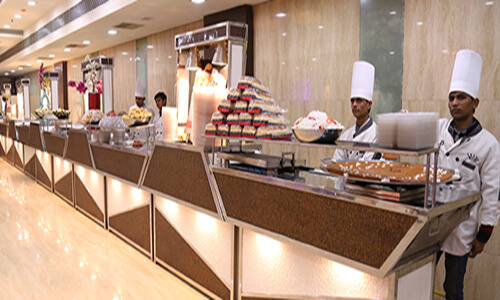
We have a specialized team of highly trained and experienced managers all from 5 stars, captains and other staff and they look after all of the needs of the guests. Our staff is dedicated, polite, courteous, neat and honest
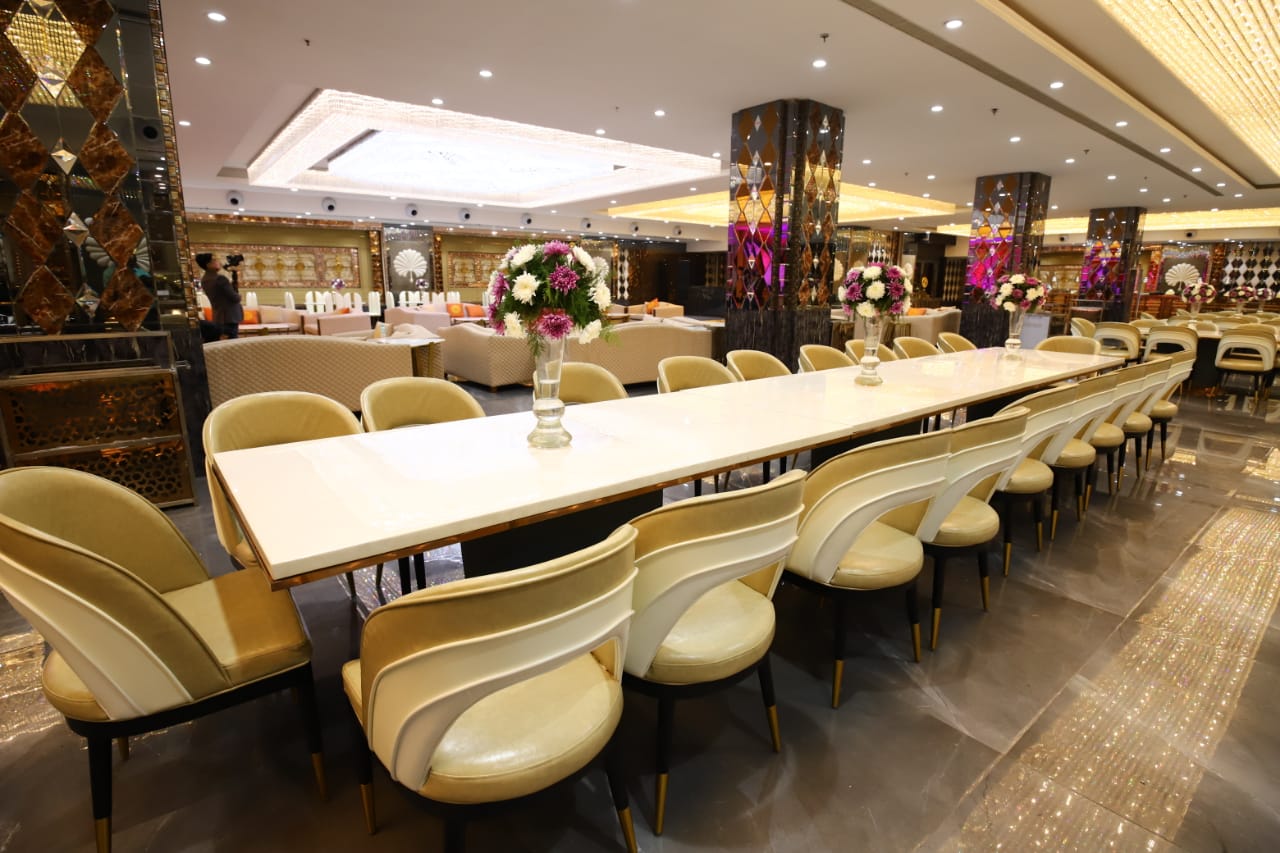
Spacious Elevators and escalated staircase is installed for convenience of our guests. All halls come with Bridle Room with lock for security of belongings of guest. Special Bar Counters

We are serving delicious snacks, some of them have been developed by our expert chefs, and they are our gift to the food industry. We serve full quantity of snacks from start till end of the function.
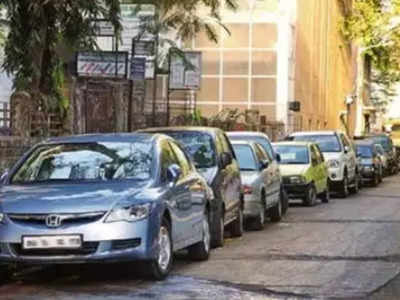
We provide ´Valet Parking´ facility at no extra cost to you. The cars of our guests shall be parked by our expert Valet parking drivers.

The richness of the ambience can be felt from the Cascading waterfalls, ornamental crystal chandeliers, beautiful Italian marble, light emitting onyx stone and ornate wood work. We have halls large enough to hold parties of 80 to 5000 guests. Beauty of our halls is unmatched in whole of East Delhi.
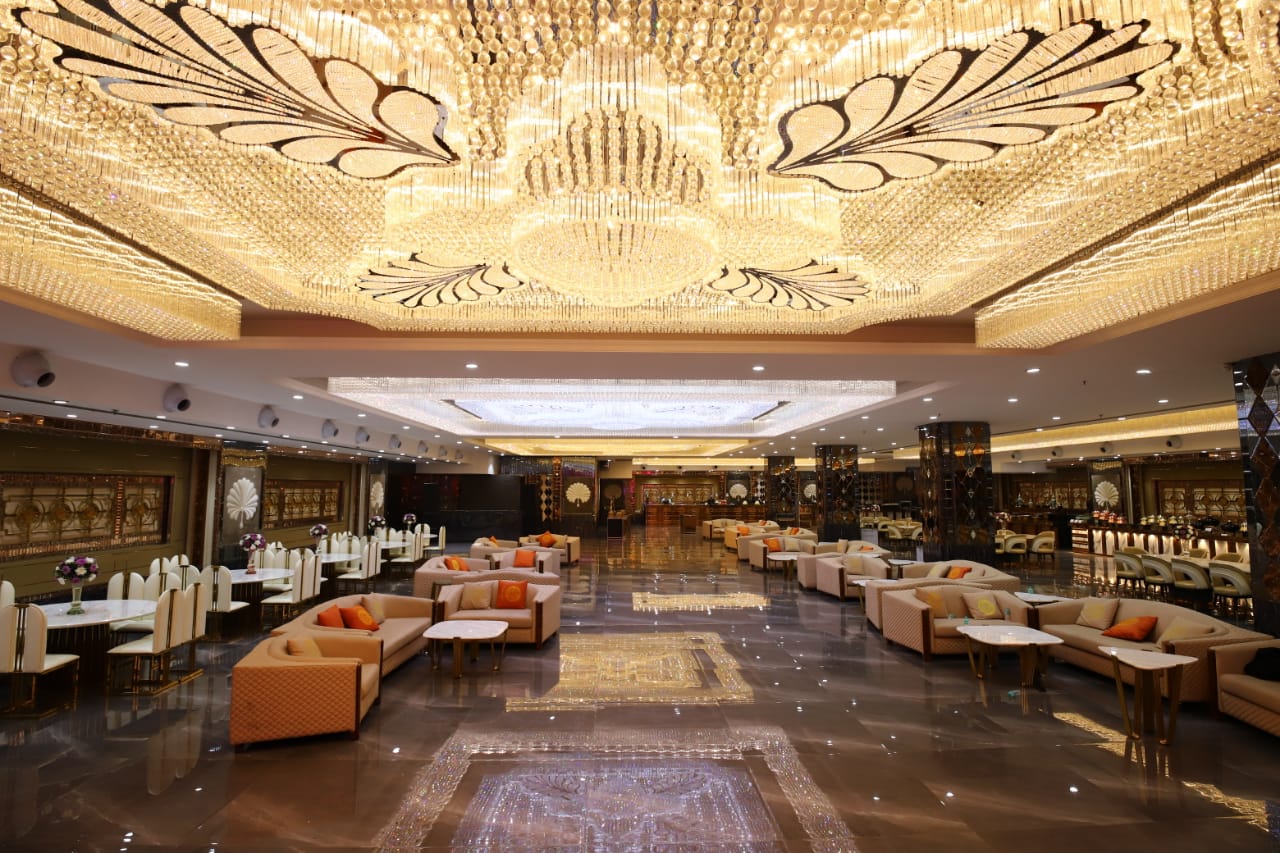
Our Banquet Halls are centrally Air-Conditioned. We run our AC on generators and hence it never stops and it is very effective in the middle of summer too.