
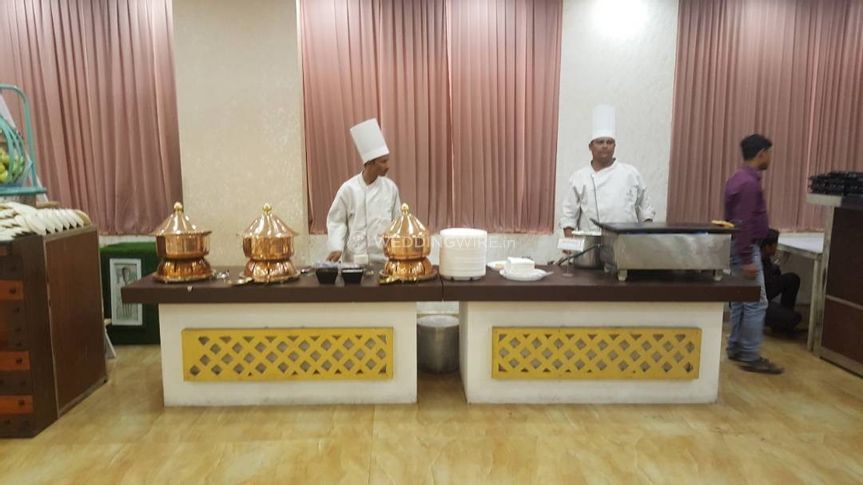
How To Estimate Catering Quantities For A North Indian Wedding
Planning food for a North Indian wedding requires more than multiplying the guest count by a standard serving size. A baraat lunch, engagement dinner, mehndi function, and reception can each need a different menu balance, service format, and quantity. Accurate catering estimates help protect the budget while ensuring that guests enjoy generous, well-presented meals.
The first step is to create a realistic attendance forecast. Use confirmed invitations, family responses, travel plans, and the type of function to estimate how many people will actually eat. A wedding venue in Sahibabad or Ghaziabad may host guests arriving from nearby neighbourhoods as well as relatives travelling from Delhi, Noida, and other cities, so attendance can vary across events.
At Pearl Grand Banana Tree, large gatherings can be planned with vegetarian multi-cuisine menus, coordinated décor, and experienced hospitality staff. Whether the occasion is a wedding reception, pre-wedding ceremony, or family celebration, the catering estimate should match the guest profile and the pace of the event.
Start With A Realistic Guest Count
Divide the invite list into three groups: confirmed attendees, likely attendees, and uncertain guests. For a local wedding, the final number may be close to the confirmed responses. For a large family function, however, it is sensible to allow a small buffer for additional relatives, children, service providers, and last-minute guests.
Keep separate estimates for each function instead of using one number for the entire wedding. Guests who attend the haldi or mehndi may not be the same people attending the reception. A morning ceremony may have fewer diners but higher demand for tea, snacks, and breakfast items.
A practical buffer is usually 5–10% above the expected dining count. The exact margin depends on the menu, venue capacity, guest profile, and whether the meal is plated or served as a buffet. Adding too much food can create waste, while ordering too little may lead to hurried refills and an uncomfortable guest experience.
Match Quantities To The Menu
A North Indian wedding menu often includes welcome beverages, vegetarian starters, salads, breads, rice, dal, two or more main-course vegetables, paneer, accompaniments, desserts, and beverages. The number of dishes affects how much guests take from each item. A buffet with eight main dishes needs smaller quantities per dish than a meal offering only three or four mains.
Consider the eating occasion when choosing portions. Dinner guests may consume more breads and rich gravies, while lunch guests may prefer rice, dal, raita, and lighter vegetable preparations. During winter weddings, hot snacks, soup, tea, and gulab jamun are often popular. In summer, chilled drinks, fresh fruit, raita, and ice cream may require greater quantities.
Children and older guests usually eat smaller portions, whereas a group with many young adults may consume more starters, breads, and beverages. A caterer should therefore review the guest mix before finalising the menu rather than relying on a generic package.
Use Per-Guest Benchmarks Carefully
The figures below are useful starting points for 100 adult guests at a vegetarian buffet. They refer to approximate raw or pre-service quantities, depending on the item, and should be adjusted for the final recipes and menu size.
| Menu Item | Approximate Quantity For 100 Guests | Planning Note |
|---|---|---|
| Welcome drinks | 25–35 litres | Increase for outdoor or summer events |
| Fried or grilled starters | 12–16 kg | Add variety instead of excessive quantity |
| Salad and cut fruit | 6–8 kg | Increase when the menu is rich |
| Roti, naan, or other breads | 280–350 pieces | Include a mix of breads where possible |
| Rice or pulao | 8–12 kg raw rice | Reduce if several breads and biryani are served |
| Dal | 8–10 litres prepared | Keep extra for guests choosing rice |
| Paneer main course | 10–14 kg prepared | Popular dishes may need a higher allocation |
| Vegetable curries | 18–24 kg prepared | Divide across two or three preparations |
| Raita and accompaniments | 8–12 litres | Useful for spicy or rich menus |
| Desserts | 10–14 kg or pieces | Plan two portions per guest for popular sweets |
These quantities should not be added blindly. If the menu includes chole, rajma, kadhi, biryani, noodles, or live counters, each item changes the demand for other dishes. A live dosa, chaat, or tandoor station may need separate production planning because food is prepared continuously rather than placed on the buffet at once.
Adjust For Buffet And Service Style
A buffet generally requires a wider range of dishes and a small reserve for refilling. Guests may sample several items, so the caterer should calculate the total food volume across the menu rather than assigning a full restaurant-style portion to every dish. Chafing dishes should be refilled in smaller batches to maintain freshness and appearance.
Plated service allows tighter control over portions, but it requires a confirmed seating plan and accurate table service. Family-style service may need larger serving bowls because guests take food from shared dishes. Live counters also need queue management, trained staff, and enough ingredients to continue service during the busiest period.
The timing of the event matters as well. If the baraat is delayed, starters and beverages may be served for longer than expected. For a reception near Kaushambi Metro Station or Pacific Mall, convenient access can bring guests in waves, so food stations should remain active rather than releasing everything at once.
Reduce Waste Without Running Short
Food waste often results from ordering every dish in maximum quantity. Instead, identify high-demand items and allocate a stronger reserve to those foods. Paneer tikka, chaat, naan, biryani, gulab jamun, and ice cream may need more careful monitoring than less familiar dishes.
Use smaller serving vessels at the beginning of the meal and refill them frequently. This keeps food fresh and gives the catering team a better view of actual consumption. Ask the kitchen to hold a planned reserve of staples such as rice, dal, gravy, breads, and dessert rather than placing the entire stock on the buffet.
For a multi-day wedding, track consumption after each function. The data from the mehndi lunch can help refine the reception dinner estimate. This simple adjustment is especially useful when the same guest group attends several ceremonies.
Planning Checks That Improve Accuracy
Before approving the final food order, review these details with the caterer and venue team:
- Confirm the expected adult, child, and elderly guest counts separately.
- List every starter, main course, bread, rice dish, accompaniment, dessert, and beverage.
- Mark dishes that need live cooking, special equipment, or continuous replenishment.
- Add a practical reserve based on the function, season, and service style.
- Decide how leftover food will be handled safely after the event.
Also check whether the venue provides kitchen support, service staff, crockery, buffet counters, refrigeration, and beverage stations. These operational details affect the quantity that can be prepared and served efficiently. A menu that looks suitable on paper may require more staff or equipment than expected.
Coordinate Quantities With The Venue
An experienced banquet team can convert a guest count into a workable production schedule. The discussion should cover menu sequence, arrival time, meal start time, buffet layout, live counters, dietary preferences, and the expected duration of service. This prevents delays and helps the kitchen prepare food in stages.
Pearl Grand Banana Tree can support wedding receptions, pre-wedding functions, birthdays, corporate gatherings, and other celebrations with event arrangements, vegetarian catering, décor coordination, and hospitality service. Its location in Sahibabad, close to major local landmarks and public transport, also makes it practical for guests travelling from across the Delhi-NCR region.
Share your guest count, wedding functions, preferred North Indian dishes, and service style with the Pearl Grand Banana Tree team to build a clear catering quantity plan and a welcoming celebration.
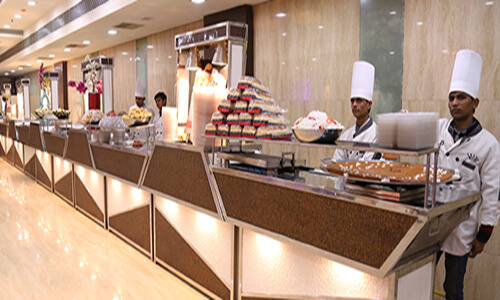
We have a specialized team of highly trained and experienced managers all from 5 stars, captains and other staff and they look after all of the needs of the guests. Our staff is dedicated, polite, courteous, neat and honest
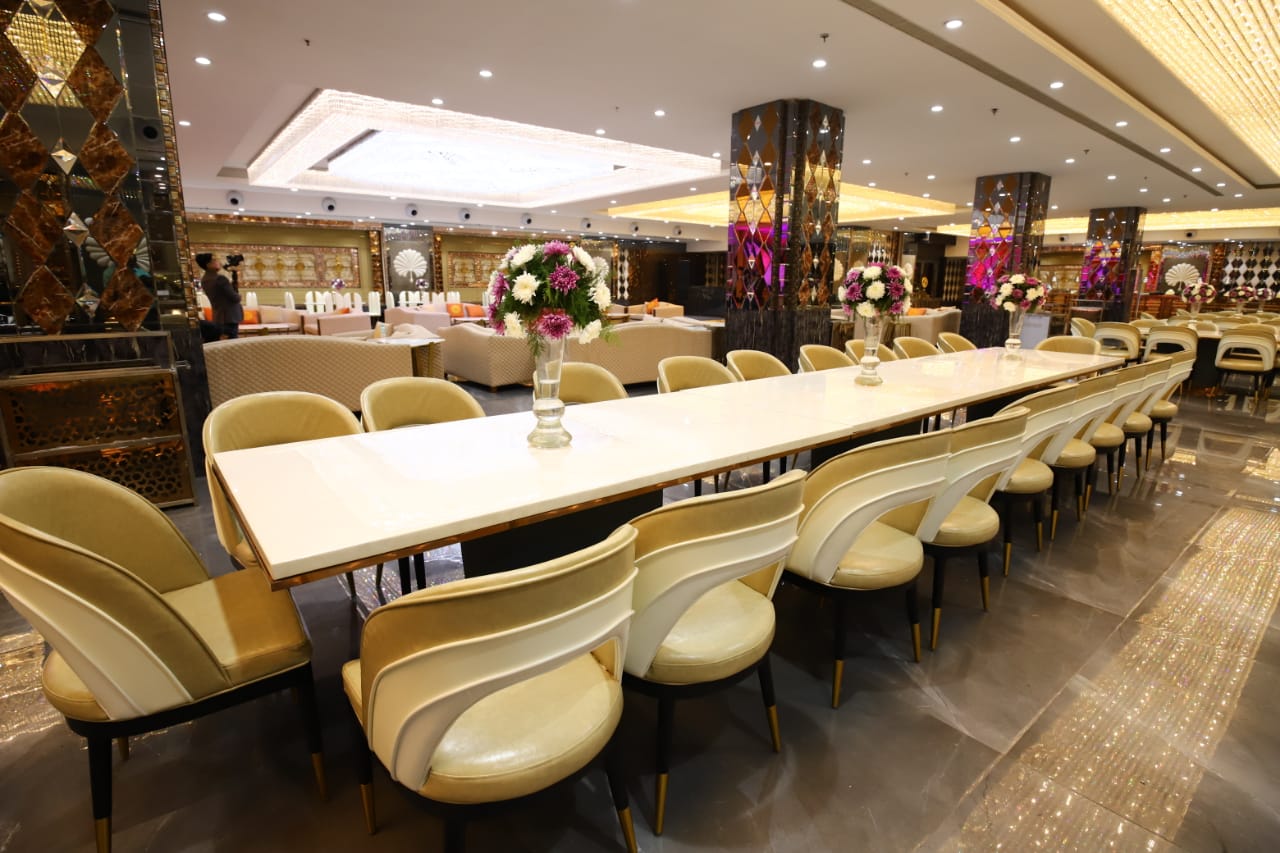
Spacious Elevators and escalated staircase is installed for convenience of our guests. All halls come with Bridle Room with lock for security of belongings of guest. Special Bar Counters
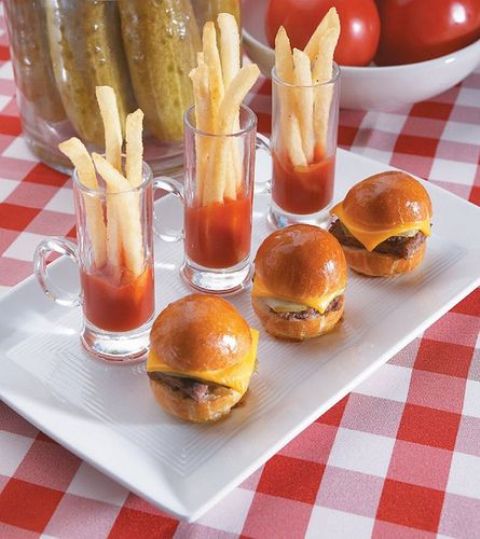
We are serving delicious snacks, some of them have been developed by our expert chefs, and they are our gift to the food industry. We serve full quantity of snacks from start till end of the function.
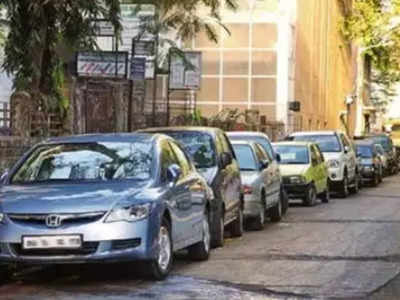
We provide ´Valet Parking´ facility at no extra cost to you. The cars of our guests shall be parked by our expert Valet parking drivers.

The richness of the ambience can be felt from the Cascading waterfalls, ornamental crystal chandeliers, beautiful Italian marble, light emitting onyx stone and ornate wood work. We have halls large enough to hold parties of 80 to 5000 guests. Beauty of our halls is unmatched in whole of East Delhi.
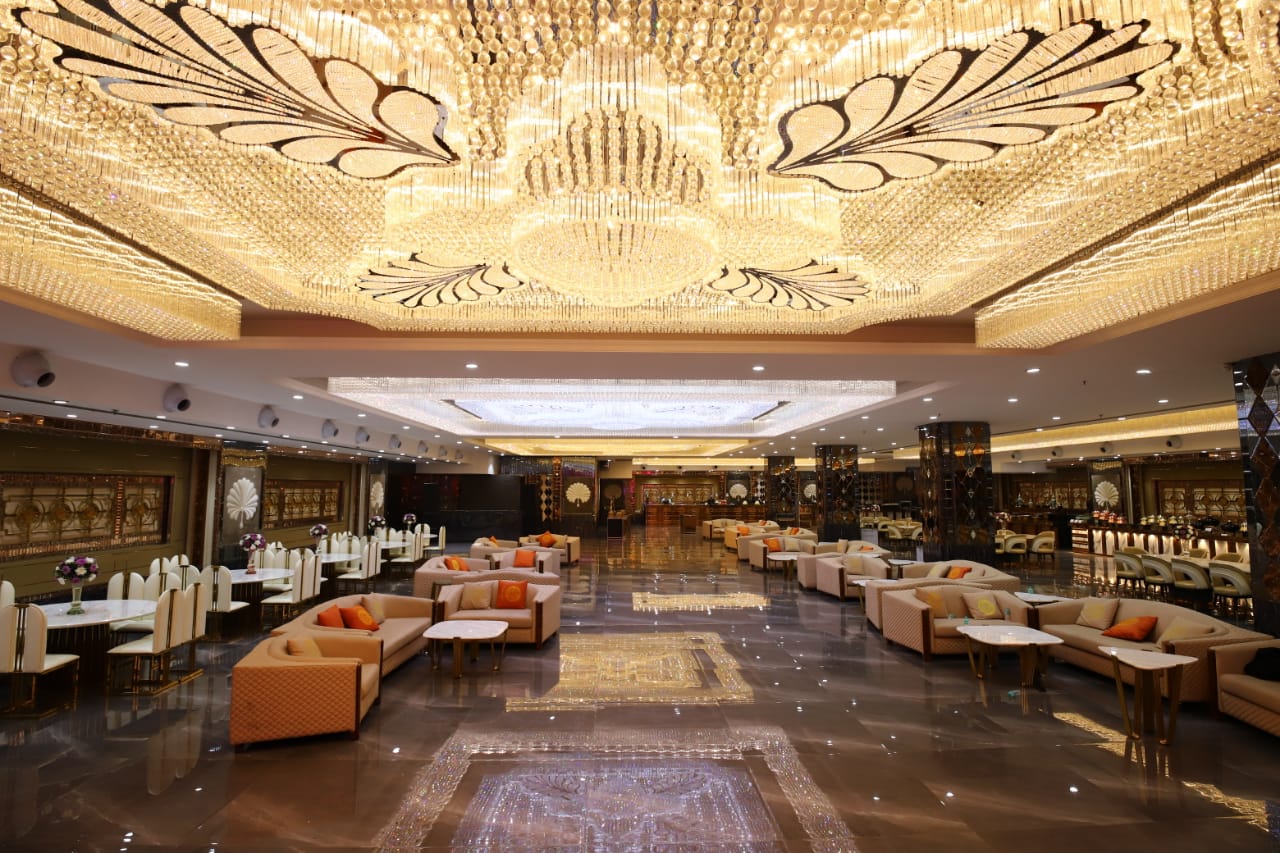
Our Banquet Halls are centrally Air-Conditioned. We run our AC on generators and hence it never stops and it is very effective in the middle of summer too.