
Managing Dietary Restrictions at a Large Wedding Buffet Without the Stress
A wedding buffet can look effortless on the day, yet behind the scenes it demands careful planning, especially when guests arrive with a long list of personal restrictions. A bride's aunt who avoids onion and garlic, a colleague who follows a strict plant-based lifestyle, and a cousin managing coeliac disease all expect to be fed well at the same table. Get the planning wrong and the buffet becomes a source of anxiety rather than celebration.
Food expectations in Australia have shifted dramatically over the last decade. According to the country's dietary guidelines and consumer surveys, around twelve percent of adults identify as vegetarian or vegan, while allergen awareness has grown alongside campaigns by Coeliac Australia and Allergy & Anaphylaxis Australia. Multicultural weddings, particularly in suburbs such as Harris Park in Sydney or Clayton in Melbourne, often blend several food traditions in a single sitting, which makes dietary planning more layered than a standard menu.
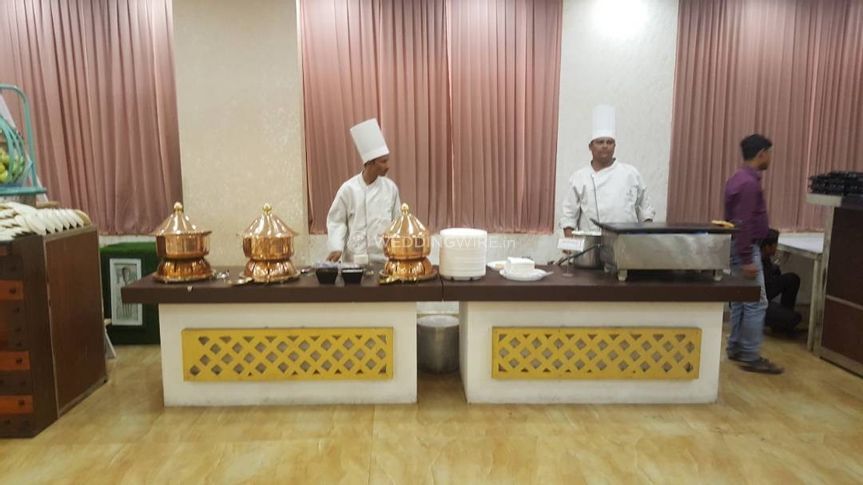
Pearl Grand Banana Tree regularly hosts multi-faith and multi-cultural weddings, and the team has built a workflow that treats dietary restrictions as a core part of menu design rather than an afterthought. The hall's chefs prepare separate cooking vessels, sealed storage, and dedicated service staff for restricted-diet stations, so a guest with a serious allergy never has to guess what sits behind the steam table.
For couples planning a large reception, the key is to treat dietary restrictions as a logistical project with its own timeline. The earlier restrictions are mapped, the smoother the buffet flows on the day.
Map Every Restriction Before the Menu Takes Shape
The first task is to gather accurate information, not assumptions. Send a short RSVP form that asks guests to tick boxes for vegetarian, vegan, Jain (no onion, garlic, or root vegetables), halal, gluten-free, nut-free, dairy-free, and any specific allergies. For an Australian guest list, expect a noticeable portion to request gluten-free or dairy-free options even if they are not formally diagnosed, as many adopt these diets by personal choice.
Group the responses into clusters rather than treating every answer individually. If sixty guests tick vegetarian and twelve of those also need gluten-free, plan a base of gluten-free vegetarian dishes rather than twelve separate plates. Pearl Grand Banana Tree's planners recommend building three core dietary pillars: a pure vegetarian Indian spread, a halal-certified range, and an international or continental section that covers common allergens.
Avoid the trap of building the menu first and then fitting restrictions around it. Reverse the process. Decide which dishes naturally suit which guests, and use the venue's kitchen to test combinations. A well-planned pillar approach reduces waste, simplifies stock control, and keeps plating consistent across hundreds of plates.
Build a Buffet Layout That Prevents Cross-Contamination
Physical layout shapes safety. A single long buffet line where every guest uses the same serving spoons creates risk, especially for guests with severe anaphylaxis or strict religious observances. Instead, design separate stations with their own utensils, and place them in a logical flow that guides guests through the menu without bottlenecks.
Pearl Grand Banana Tree uses colour-coded serving tools, with red tongs for non-vegetarian dishes and green tongs for vegetarian preparations. The same colour code extends to ladles, spoons, and trays, so servers can spot a mismatch instantly. For weddings in Australia that include both Indian and Mediterranean or Asian influences, this system scales well because each cuisine can hold its own zone.
Keep live cooking stations behind a glass screen or raised counter so chefs can portion food directly onto plates. This approach, common in high-volume events in Brisbane and Perth, also reassures guests because they can see the food being handled by gloved staff. The result is a buffet that looks abundant yet quietly enforces separation.
Label Everything Clearly and Train the Service Staff
A beautifully arranged buffet loses its value when guests cannot identify what they are picking up. Australian food labelling standards under the Food Standards Code require clear disclosure of common allergens, and the same expectation applies to weddings even though the event is private. Use small printed cards at each dish, listing the main ingredients and the allergens it contains.
Train the service team to answer questions with confidence, not vague reassurances. Pearl Grand Banana Tree runs a pre-event briefing where servers rehearse answers for likely questions, such as whether a dessert contains traces of nuts or whether the ghee used is animal-derived. When a guest asks, the answer must be specific: yes, no, or I will check with the chef immediately.
Post a printed allergen matrix at the entrance of the buffet, either as a framed sheet or a digital screen. Couples planning a wedding in regional Victoria or a coastal town like Byron Bay often find that older relatives appreciate a physical sheet more than a QR code, so prepare both formats.
Balance Regional Traditions with Inclusive Choices
Indian weddings carry strong regional food traditions, and a Punjabi menu looks very different from a Gujarati or South Indian thali. When dietary restrictions enter the picture, the challenge is to honour tradition without alienating guests whose diets sit outside the regional norm. A Jain guest at a Punjabi wedding, for instance, needs dishes without onion, garlic, or carrots, which means the chef must rework classic recipes rather than simply removing ingredients.
Pearl Grand Banana Tree's kitchen keeps a library of base recipes that can be adapted. A dal makhani can be prepared in a Jain version using asafoetida instead of garlic, while a Hyderabadi biryani can be made with a separate pot for halal meat and another for vegetarian guests. The venue's chefs are trained to prepare these variations simultaneously without flavour cross-over.
For Australian couples who want a fusion approach, blending Indian flavours with Middle Eastern or Southeast Asian dishes widens the buffet without doubling the workload. The key is to keep spices balanced so guests with sensitive palates, including elderly relatives, still find familiar flavours.
Work with Suppliers Who Understand Allergen Controls
Large weddings depend on suppliers for everything from paneer to pastries, and not every supplier follows the same allergen protocols. Ask each supplier for a written allergen declaration, and choose vendors who can trace ingredients back to source. In Australia, suppliers registered with peak bodies like the Australian Food and Grocery Council tend to maintain stricter documentation.
Pearl Grand Banana Tree sources dry fruits, spices, and dairy from approved vendors who provide batch-level allergen data. For events with strict halal requirements, the venue partners with halal-certified butchers, and the certification document is available for review. This level of paperwork may feel excessive for a private function, yet it protects both the couple and the guests.
Keep a digital folder of these documents, and share it with the wedding planner or family coordinator. If a guest later raises a concern, the documentation provides an immediate answer and avoids an awkward confrontation on the day.
Plan Quantities So Restricted Diets Don't Run Out
Quantity planning is where many buffets fail. A vegetarian dish that runs out after the first thirty minutes leaves the next two hundred guests without a main option, while an abundant non-vegetarian section sits half-full. Calculate portions based on the RSVP clusters, and then add a safety margin of ten to fifteen percent for restricted-diet dishes, since guests who follow these diets cannot easily switch to alternatives.
| Service style | Cross-contamination risk | Guest experience | Staffing needs |
|---|---|---|---|
| Single mixed line with shared utensils | High | Fast, but limited safe choices | Low |
| Separate stations by dietary type | Low | Slower flow, clearer choices | Medium |
| Live cooking counters with portioning | Very low | Premium, builds trust | High |
| Pre-plated boxes at the entrance | Lowest | Fastest for guests, less social | High |
Pearl Grand Banana Tree uses a hybrid layout that combines live stations with a traditional buffet line, which suits both large Indian weddings and the smaller, more intimate receptions common in Australian regional centres. The hybrid approach also keeps the kitchen flexible, so chefs can replenish restricted-diet dishes without stopping the entire service.
Practical Recommendations for a Smooth Buffet
- Send dietary RSVP forms at least six weeks before the wedding and chase non-responders personally.
- Build three core pillars: vegetarian, halal or non-vegetarian, and an international allergen-friendly section.
- Use colour-coded utensils across the entire buffet to keep stations visually distinct.
- Print allergen cards for every dish and place them at eye level next to the food.
- Confirm supplier allergen declarations in writing and store them in a shared folder.
- Add a ten to fifteen percent buffer to restricted-diet quantities so nothing runs out mid-service.
The final step is to book a tasting with the head chef at Pearl Grand Banana Tree and walk through every restricted-diet dish in person, because flavour matters as much as safety, and the tasting is where both come together.
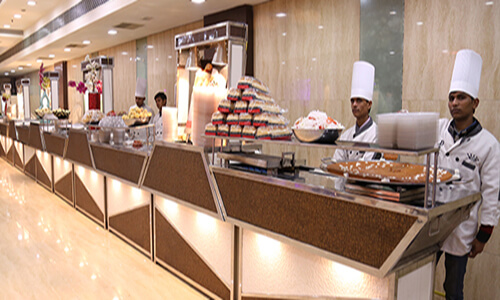
We have a specialized team of highly trained and experienced managers all from 5 stars, captains and other staff and they look after all of the needs of the guests. Our staff is dedicated, polite, courteous, neat and honest
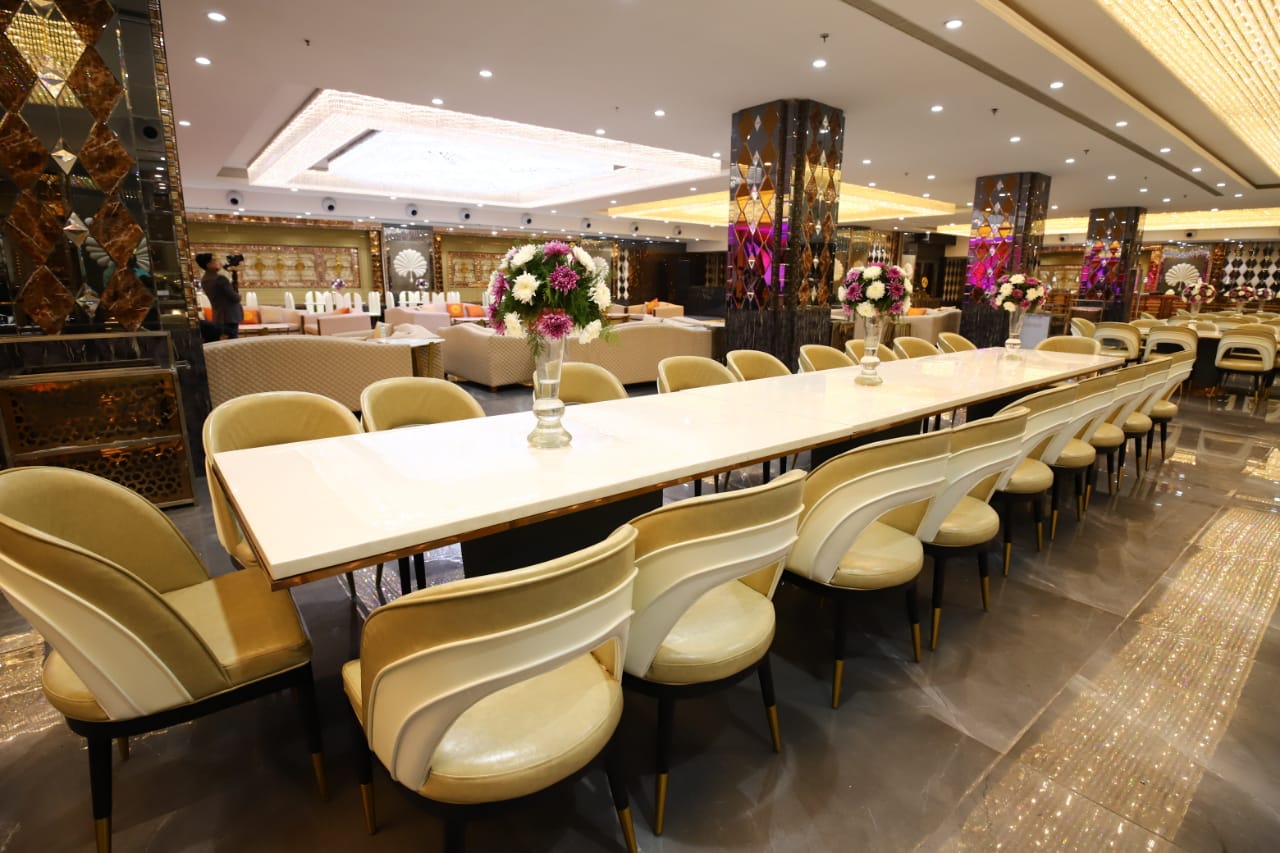
Spacious Elevators and escalated staircase is installed for convenience of our guests. All halls come with Bridle Room with lock for security of belongings of guest. Special Bar Counters
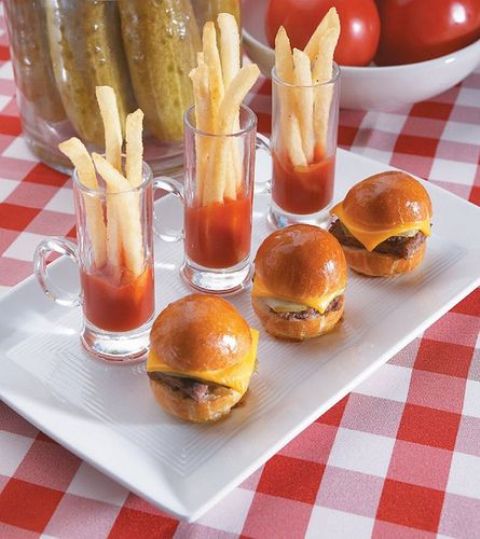
We are serving delicious snacks, some of them have been developed by our expert chefs, and they are our gift to the food industry. We serve full quantity of snacks from start till end of the function.
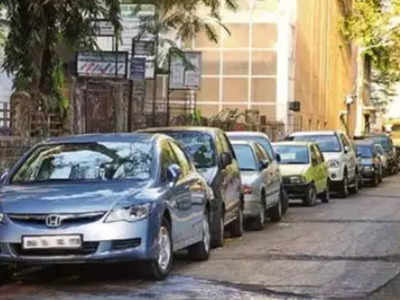
We provide ´Valet Parking´ facility at no extra cost to you. The cars of our guests shall be parked by our expert Valet parking drivers.

The richness of the ambience can be felt from the Cascading waterfalls, ornamental crystal chandeliers, beautiful Italian marble, light emitting onyx stone and ornate wood work. We have halls large enough to hold parties of 80 to 5000 guests. Beauty of our halls is unmatched in whole of East Delhi.
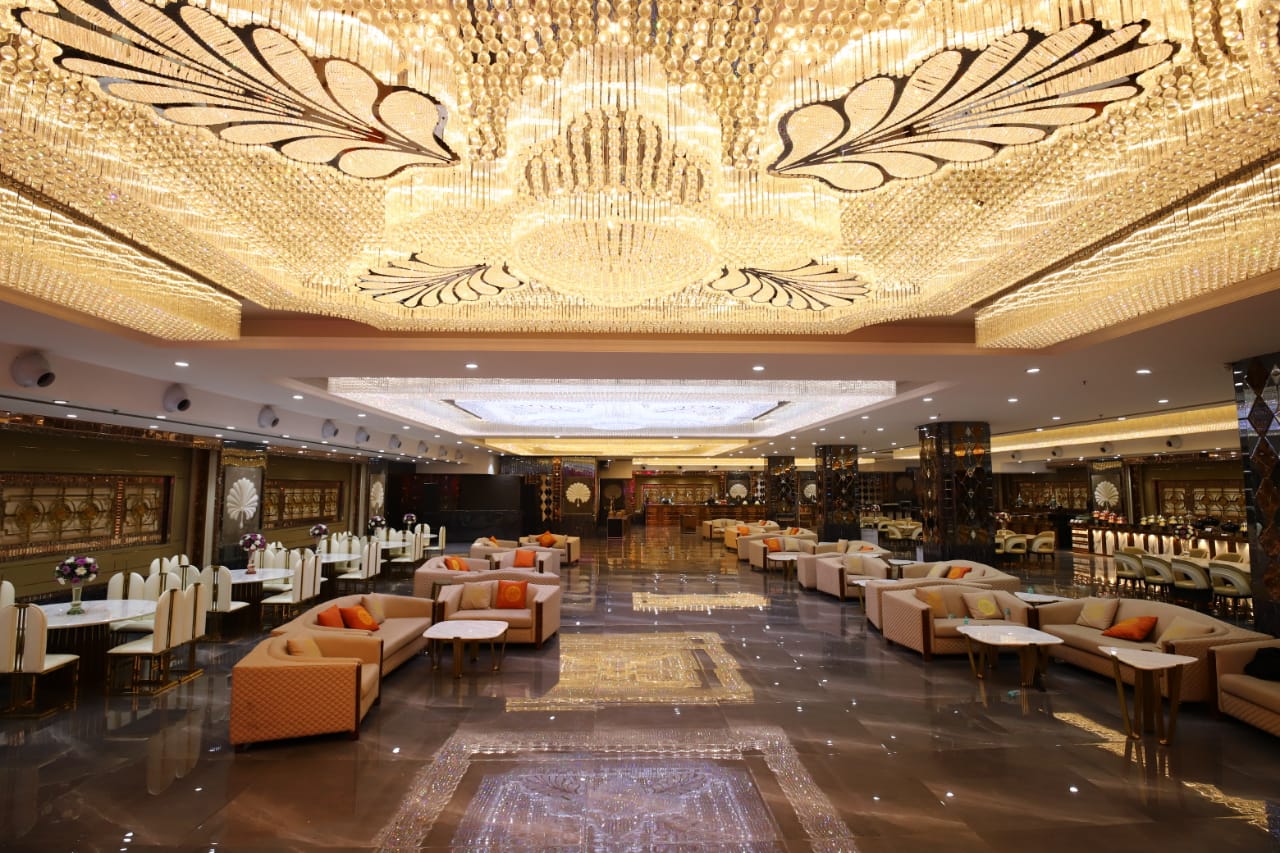
Our Banquet Halls are centrally Air-Conditioned. We run our AC on generators and hence it never stops and it is very effective in the middle of summer too.