
Weather-proofing indoor-outdoor events across Australia
To handle weather contingencies for indoor-outdoor events, planners must treat weather as an operating condition rather than an unexpected interruption. In Australia, a January reception can open in sunshine and face a downpour, damaging winds or extreme heat within hours. Planning starts with the guest journey, schedule and location of every critical asset.
A useful plan does more than reserve an indoor room. It defines when a change will be made, who can make it, how suppliers will respond and how guests will move safely. It also preserves the atmosphere of the occasion through a covered, accessible fallback with catering, power, lighting and toilets already in place.
Understand the local weather pattern
During Australia’s summer from December to February, heat is often the first concern, but it is not the only one. Sydney can produce sudden thunderstorms that leave grass saturated and paths slippery. Melbourne’s strong, changeable winds can make lightweight structures unsafe, while Brisbane’s humidity can turn a warm outdoor reception uncomfortable.
Other cities create different planning demands. Perth’s dry summer heat places shade, hydration and earlier guest arrival times near the top of the brief. Adelaide may offer a hot afternoon and a sharply cooler evening, so clothing guidance, heating and lighting plans matter. Local transport, terrain and the timing of afternoon storms should be included in every outdoor layout.
Use official Bureau of Meteorology warnings rather than social-media forecasts, and monitor conditions for the event’s specific location and time. Christmas and New Year bookings often face higher supplier demand, so weather alternatives should be contracted earlier. A rain date is useful, but it does not address wind, heat, lightning, smoke or transport disruption.
Set decision triggers and ownership
Set decision triggers before the event day, ideally during the initial venue and supplier reviews. At 14 to 10 days out, confirm indoor capacity, the forecast process, supplier penalties and installation deadlines. At 72 hours, compare several scenarios instead of waiting for one definitive forecast. On the day, record the time, source and reason for every decision in one shared log.
Each risk needs its own threshold. Rain may justify covered seating, but drainage and accessibility can determine whether it is safe. Wind limits must come from the structure supplier and local authority guidance, never from an improvised rule. Lightning requires outdoor activity to stop and guests to enter a substantial enclosed building. Extreme heat calls for shade, water, shorter speeches and cooling areas; smoke and poor air quality require clear relocation or cancellation triggers.
Build the wet-weather operating plan
Treat the wet-weather layout as a complete operating plan rather than a collection of covers. Mark indoor capacity, accessible routes, evacuation exits, power points, catering stations and guest seating before finalising the outdoor décor. Ask each supplier to state what they will install, secure, drain, remove and cover if conditions change.
- Reserve an indoor fallback with confirmed capacity, toilets, power and an accessible route.
- Specify raised or temporary flooring, drainage, cable ramps and anti-slip matting.
- Require wind-rated structures and written installation, anchoring and removal limits.
- Protect power with weather-rated distribution, residual-current protection and covered connections.
- Provide sheltered seating, drinking water, first aid and a clearly marked assembly point.
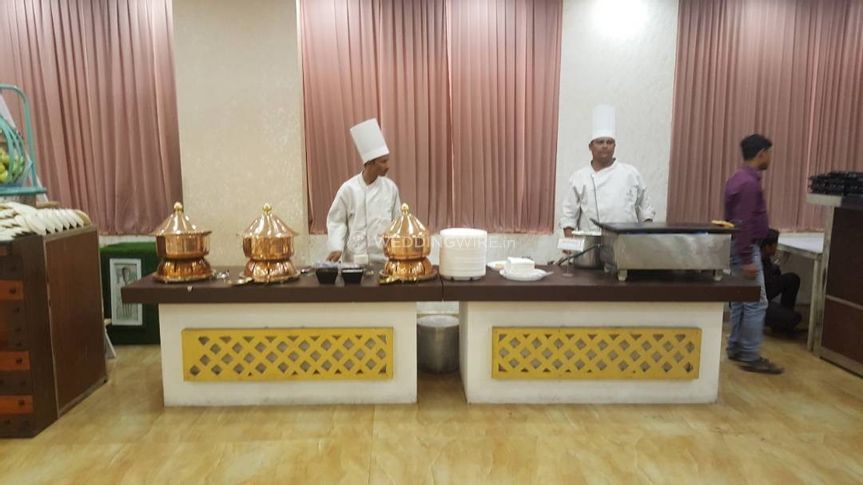
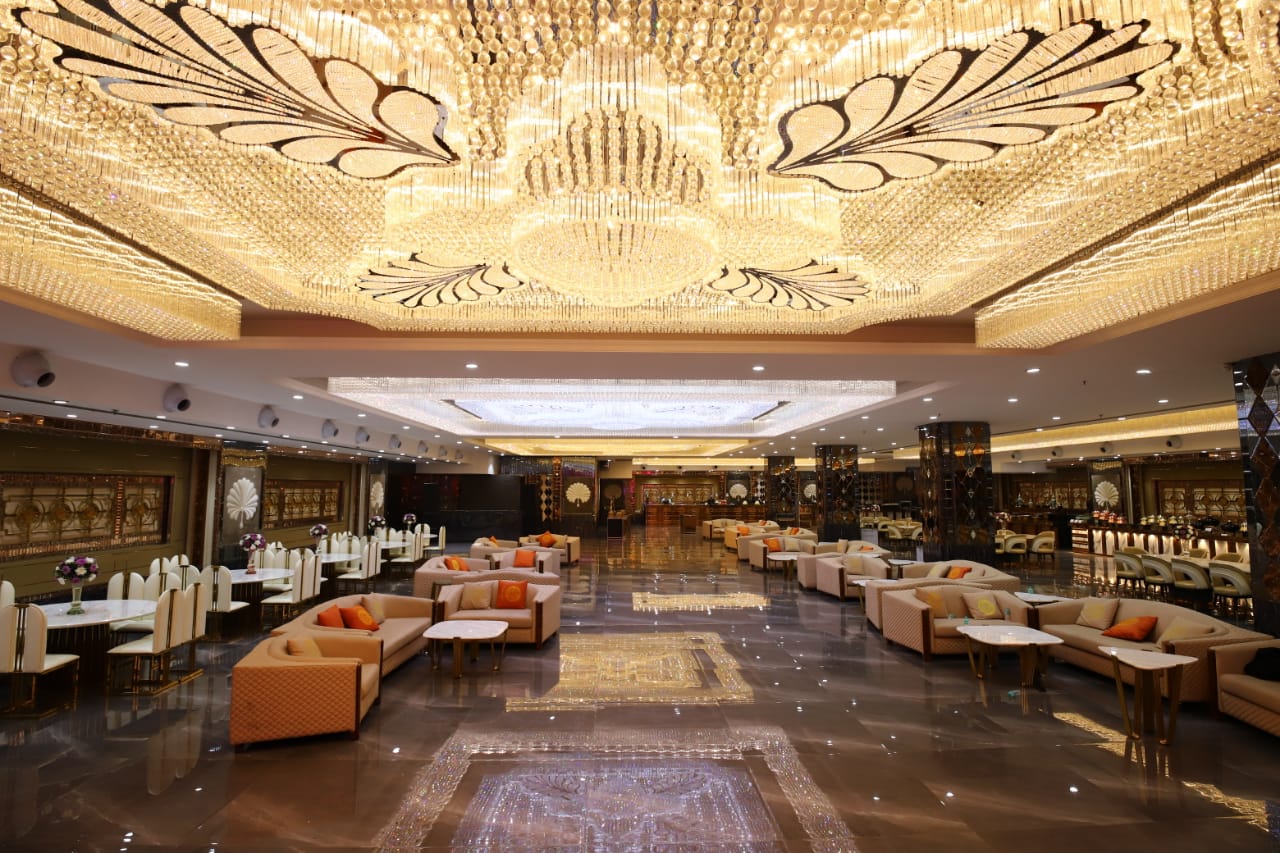
When assessing a venue, the same capacity logic applies to Pearl Grand Banana Tree in Sahibabad, Ghaziabad. Proximity to Kaushambi Metro Station and Pacific Mall can assist arrival planning, while capacity for large groups, vegetarian multi-cuisine catering, décor and hospitality arrangements must be matched to the indoor fallback. Confirm the alternative layout against the actual floor plan and expected attendance.
Coordinate suppliers, guests and staff
Brief every supplier on the same scenario language. Marquee providers, caterers, décor teams, entertainers, transport operators and venue staff should know which decisions they must execute and by what time. Australian event contracts often address weather clauses, especially for peak-holiday functions, so review cancellation fees, postponement rights and insurance with the venue and every supplier.
Give guests one communication channel and one concise message. Include what has changed, where to go, whether food or timings are affected, accessible transport options and the next update time. Use signage at every entrance, brief drivers and front-of-house staff, and provide SMS or email alerts for major changes. In Sydney or Melbourne, planned rail work and event-day road closures can also affect arrival plans.
Protect the welfare and dignity of guests while the plan is activated. Offer priority seating and transport for older people, children, pregnant guests and anyone with disability or heat sensitivity. Keep a count of relocated guests, preserve staff briefing times and avoid moving people during the most hazardous part of the storm.
Keep the fallback active through guest departure
Keep one live version of the plan with the event manager, venue duty lead, safety officer and key suppliers. Check official warnings at set intervals, document each change and note who approved it. A short rehearsal before guests arrive can expose missing keys, blocked corridors, inadequate lighting or catering that cannot operate from the new position.
Review the fallback itself, not just the trigger. Confirm that the indoor area remains attractive, food service can reach it, entertainment can continue, and transport has a route to the revised entrance. If conditions make every option unsafe, pause, communicate clearly and follow the venue’s emergency procedure rather than trying to protect the schedule.
The practical takeaway is to decide, before the weather does, who can activate the backup, where guests will go and how they will be informed.
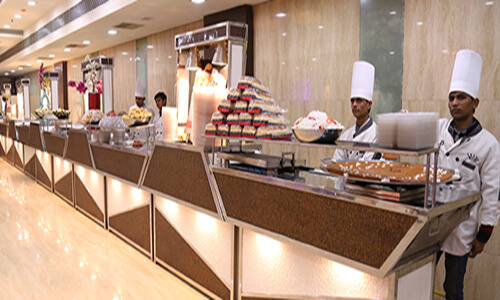
We have a specialized team of highly trained and experienced managers all from 5 stars, captains and other staff and they look after all of the needs of the guests. Our staff is dedicated, polite, courteous, neat and honest
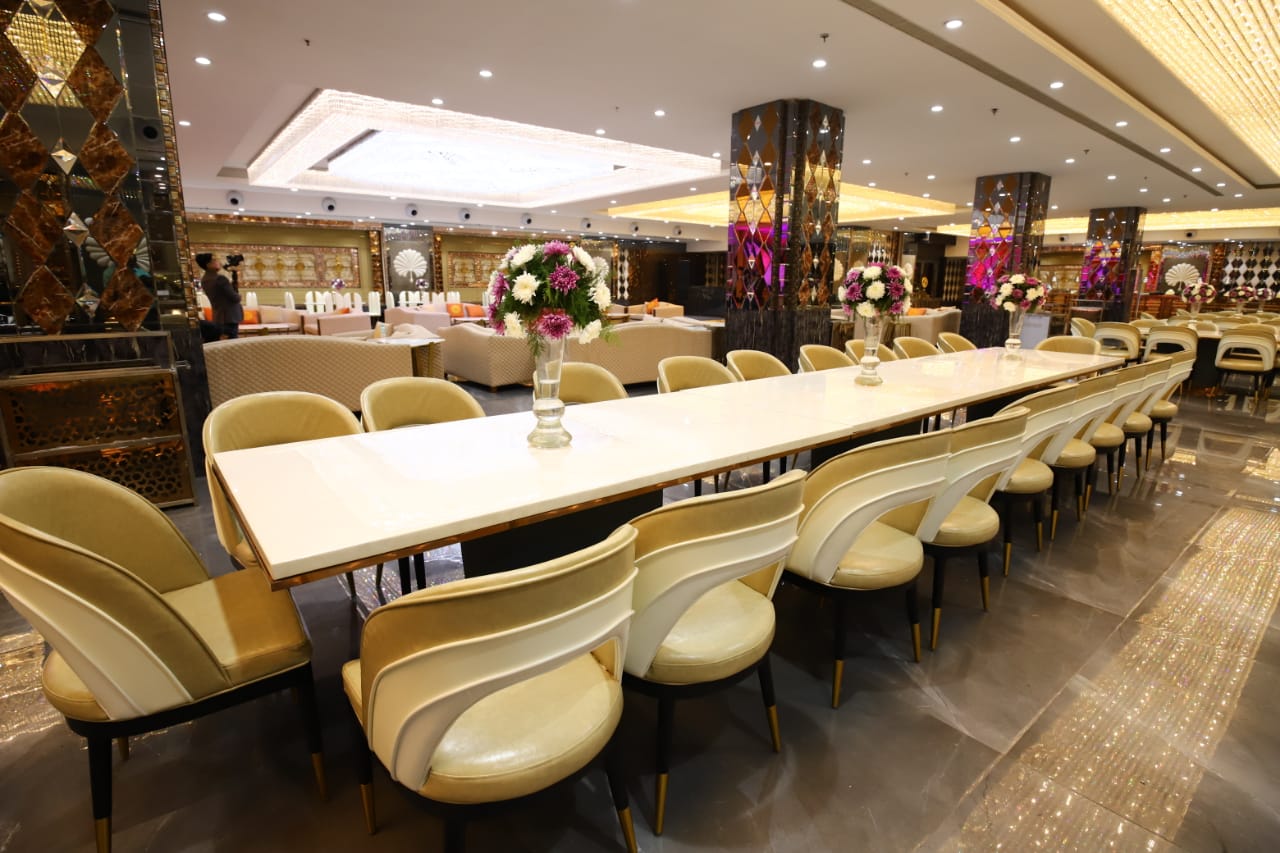
Spacious Elevators and escalated staircase is installed for convenience of our guests. All halls come with Bridle Room with lock for security of belongings of guest. Special Bar Counters

We are serving delicious snacks, some of them have been developed by our expert chefs, and they are our gift to the food industry. We serve full quantity of snacks from start till end of the function.
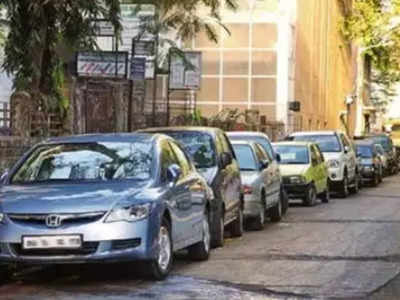
We provide ´Valet Parking´ facility at no extra cost to you. The cars of our guests shall be parked by our expert Valet parking drivers.

The richness of the ambience can be felt from the Cascading waterfalls, ornamental crystal chandeliers, beautiful Italian marble, light emitting onyx stone and ornate wood work. We have halls large enough to hold parties of 80 to 5000 guests. Beauty of our halls is unmatched in whole of East Delhi.
Our Banquet Halls are centrally Air-Conditioned. We run our AC on generators and hence it never stops and it is very effective in the middle of summer too.