
Managing Audio-Visual Needs for a Hybrid Event With Livestream
Hybrid gatherings that combine a physical venue with an online audience have moved from a clever workaround into a standard expectation. Guests tuning in from Melbourne, Brisbane or Perth expect the same clarity and energy as those seated in the hall, and a sluggish stream or muffled microphone can undo months of planning in minutes. Getting the technical layer right is what lets the warmth of the celebration, conference or product launch actually reach both audiences.
The challenge sits in stitching two very different experiences into one cohesive event. A camera operator in the room sees lights, décor and movement differently from someone joining through a laptop in Adelaide. Audio mixes for live applause but also for headphone listeners. A well-prepared team treats the broadcast as its own production, with its own stage manager, script and rehearsal schedule, even when it shares the same room as the in-person guests.
Building a Setup That Works in Both Rooms
Audio is usually the first thing to break and the hardest to repair mid-event. Lapel microphones for speakers, handheld mics for Q&A sessions and a shotgun mic aimed at the stage give the sound desk enough flexibility to balance voices, music and audience reaction. For livestream viewers in Sydney or Hobart, what matters is consistent levels: no sudden drops when a speaker turns their head, no echo from a high ceiling.
Cameras should cover the full room but also the small moments that broadcast audiences miss from the back row. A locked wide shot captures atmosphere, while a second camera on a tripod or slider handles close-ups and speaker reactions. If budget allows, a third roaming camera follows action around the venue, useful for ceremonies where guests move between zones.
Lighting is often the silent culprit behind poor video. Indoor banquet halls rely heavily on ambient and decorative lighting, which can leave faces under-exposed on camera. A few soft LED panels, positioned to wash the stage without clashing with the room's mood, lift image quality without making the in-person experience feel like a studio.
Picking the Right Platform and Connection
The choice of streaming platform shapes everything from cost to audience reach. Public platforms suit weddings, birthday milestones and community celebrations where the goal is sharing with friends and relatives across time zones. Private platforms with password protection suit corporate briefings, product reveals and AGMs where confidentiality and access control matter.
Bandwidth is the practical constraint that decides what is possible. Australia's National Broadband Network delivers reliable upload speeds in most metro areas, but venues tucked into industrial pockets or older buildings can suffer on event day when staff phones, guest devices and the production team all compete for signal. A bonded 4G/5G failover or a dedicated ethernet line reduces the chance of a frozen frame at the worst possible moment.
Resolution and bitrate decisions flow from the venue's upload capacity. Streaming in 1080p at a moderate bitrate is a sensible default that survives most networks, while 4K is worth the bandwidth only when the upstream link is rock solid and the audience is watching on capable screens.
Coordinating the In-Room and Online Experience
A hybrid event lives or dies on how naturally the two audiences are addressed. Speakers who forget the camera deliver half their message. A simple cue system, whether a small monitor showing the livestream chat or a floor manager with a discreet earpiece, keeps presenters aware of remote questions and reactions.
Pacing matters more than people expect. Online viewers drift if a programme drags, while in-room guests grow restless during long technical pauses. Building short buffers into the run-sheet allows for microphone swaps, slide changes and the occasional unplanned moment without losing either group. Where possible, design segments that give online attendees their own slot, such as a virtual toast, a recorded tribute played on the venue screen, or a live poll drawn from both audiences.
Time zones add another layer for events with national reach. A gathering in Sydney that streams to Perth loses two hours of evening energy, while broadcasts into Southeast Asia or India benefit from morning slots. Pearl Grand Banana Tree frequently serves clients with relatives scattered across continents, which is why AV planning here begins with a simple question: when is the audience actually awake and attentive.
Rehearsals, Redundancy and On-the-Day Adjustments
A technical rehearsal with the full crew, presenters and at least one stand-in audience member is not optional. Sound checks, camera framing, lighting adjustments and a complete run-through of the stream from start to finish catch issues that paper checklists miss. Recording the rehearsal and watching it back reveals audio gaps, awkward camera angles and moments where the speaker blocks the projector.
Redundancy turns a stressful event into a manageable one. Backup microphones, a spare camera on standby, a second laptop running the stream, and printed copies of the run-sheet for key crew members protect against single points of failure. Power outages are rare in metropolitan venues but inverters or UPS units cover the gap between a tripped breaker and a fix.
Equipment checklist for hybrid production:
- Two or more cameras with matching colour profiles
- Lapel, handheld and ambient microphones with fresh batteries
- A dedicated audio mixer rather than camera-built inputs
- Encoder or laptop with a tested streaming link
- Confidence monitor at the stage and a return feed for presenters
- Spare cables, gaffer tape, label tags and a printed contact list
Common pitfalls worth pre-empting:
- Treating the livestream as an afterthought added the morning of the event
- Forgetting to disable platform notifications that appear on screen
- Failing to brief presenters on camera position and microphone handling
- Skipping the copyright clearance for background music streamed online
- Underestimating how long cable runs and signal paths take to set up
Legal, Accessibility and Engagement Details
Australian privacy law applies the moment a camera records identifiable individuals. The Privacy Act 1988 governs how personal information is collected and stored, which includes recorded footage of guests and online attendees. Public events have different expectations from private ones, but posting clear signage at entry, mentioning recording in invitations, and offering remote attendees a way to join without sharing a video feed covers most obligations.
Accessibility shapes both the in-room and online experience. Captions or live transcription help viewers in noisy cafés around Parramatta or on quiet train commutes through regional NSW. Audio description assists guests with vision impairment, and choosing a platform that supports these features costs nothing extra but widens the audience considerably.
Engagement metrics close the loop. Tracking peak viewers, average watch time, chat volume and post-event survey responses tells organisers what worked and what needs adjustment for the next gathering. A small post-event report, even two pages long, becomes the foundation for a sharper production the following year.
A practical takeaway sits at the heart of every successful hybrid gathering: treat the broadcast as a separate show sharing the same stage. When the cameras, microphones, lighting, platform, rehearsal and legal layers are planned together rather than bolted on, both the guests in the hall and the family watching from across the country feel like they were in the same room.
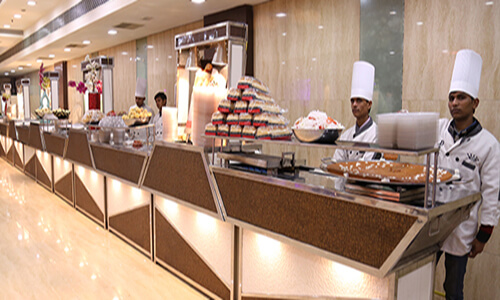
We have a specialized team of highly trained and experienced managers all from 5 stars, captains and other staff and they look after all of the needs of the guests. Our staff is dedicated, polite, courteous, neat and honest
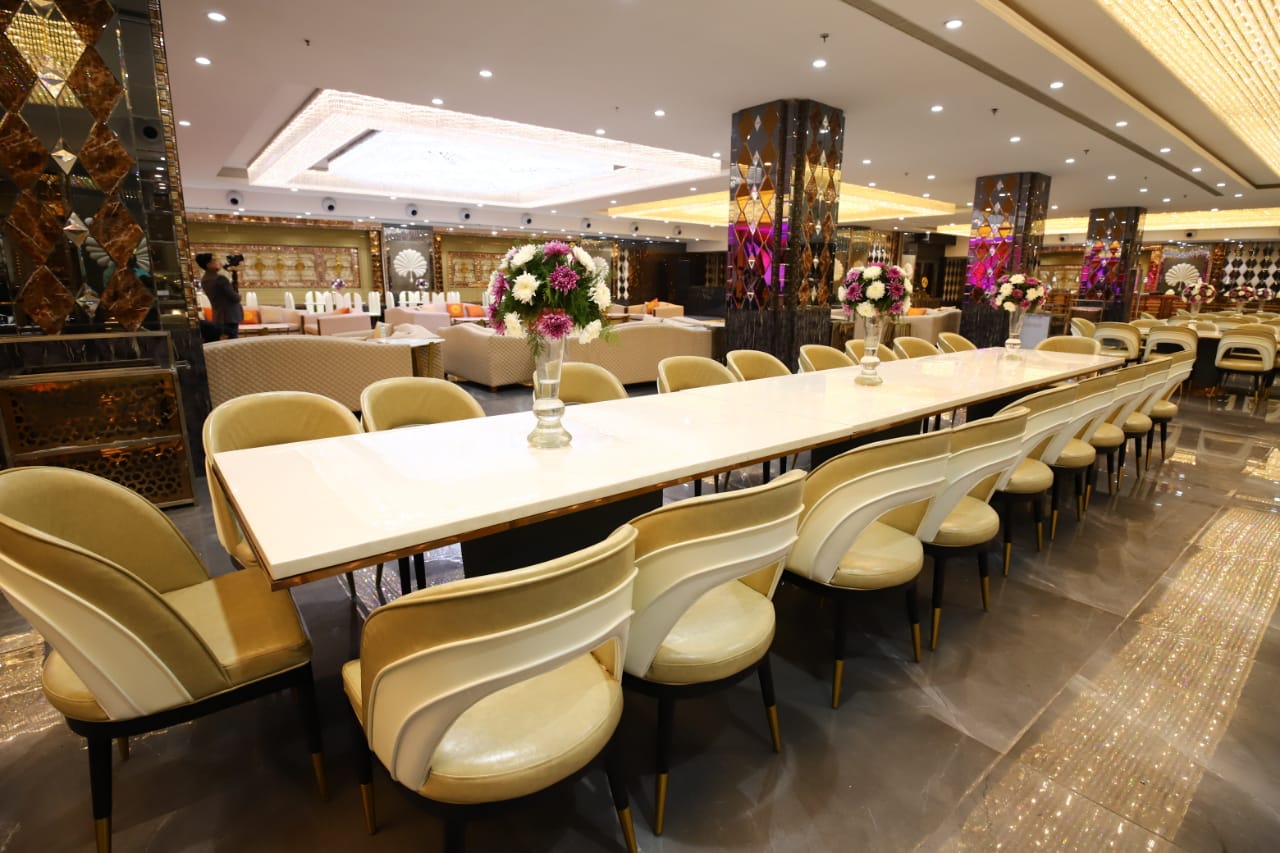
Spacious Elevators and escalated staircase is installed for convenience of our guests. All halls come with Bridle Room with lock for security of belongings of guest. Special Bar Counters

We are serving delicious snacks, some of them have been developed by our expert chefs, and they are our gift to the food industry. We serve full quantity of snacks from start till end of the function.
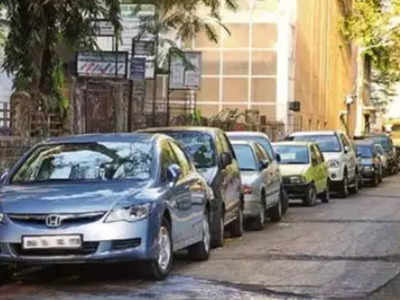
We provide ´Valet Parking´ facility at no extra cost to you. The cars of our guests shall be parked by our expert Valet parking drivers.

The richness of the ambience can be felt from the Cascading waterfalls, ornamental crystal chandeliers, beautiful Italian marble, light emitting onyx stone and ornate wood work. We have halls large enough to hold parties of 80 to 5000 guests. Beauty of our halls is unmatched in whole of East Delhi.
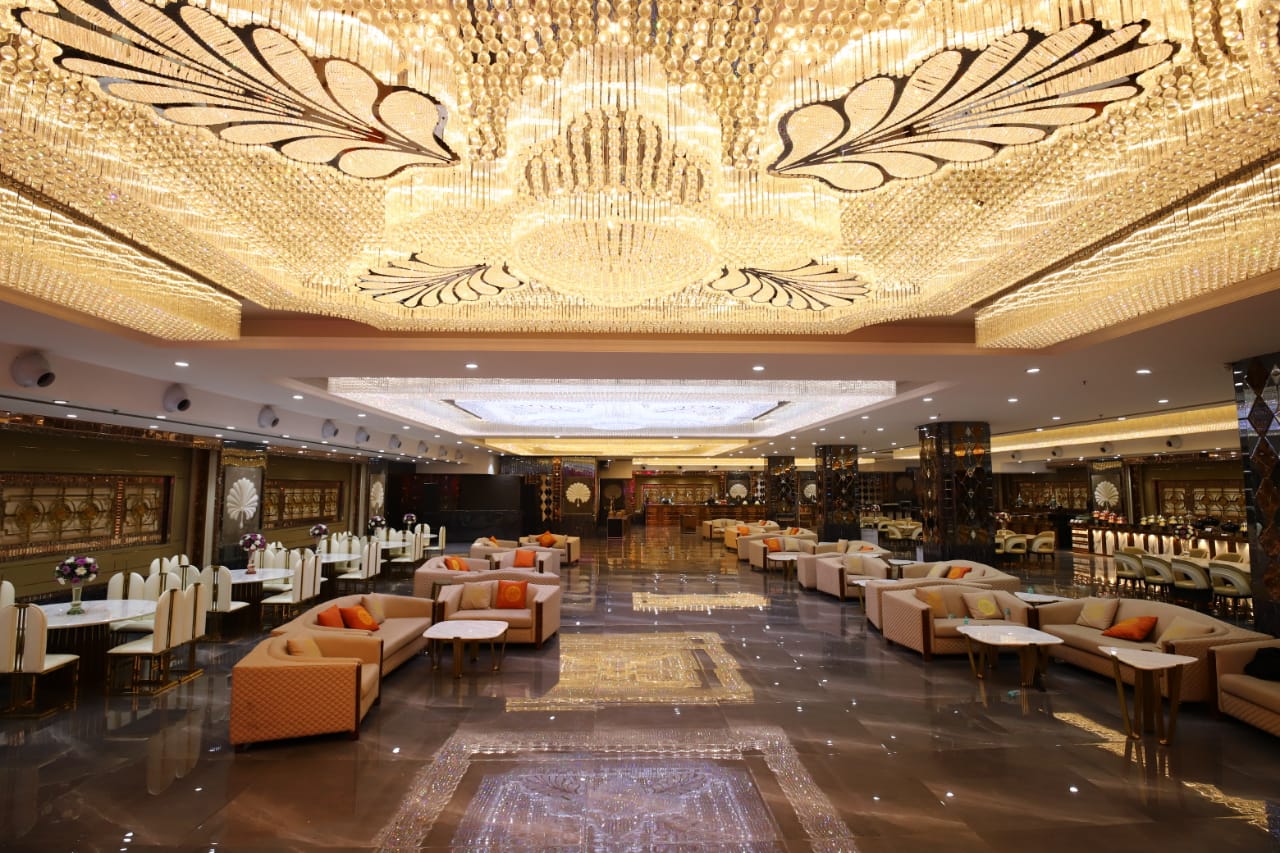
Our Banquet Halls are centrally Air-Conditioned. We run our AC on generators and hence it never stops and it is very effective in the middle of summer too.