
Managing Dietary Restrictions at Large Vegetarian Events
Planning a large vegetarian celebration involves more than removing meat from the menu. Guests may follow a vegan, dairy-free, egg-free or Jain diet, avoid onion and garlic, or manage serious food allergies. Each requirement affects purchasing, preparation, labelling and service, so dietary planning should be treated as an essential part of event management.
Pearl Grand Banana Tree, a banquet venue near Kaushambi Metro Station and Pacific Mall in Sahibabad, accommodates weddings, receptions, corporate functions and family celebrations. Its vegetarian multi-cuisine catering, décor services and hospitality team can support a coordinated approach, particularly when the guest list includes Australian families or international attendees.
Distinguish preferences from medical risks
Begin by separating dietary preferences, religious practices, intolerances and allergies. A guest who avoids eggs may be satisfied with a suitable substitution, while someone with coeliac disease or a severe nut allergy requires verified ingredients and stronger cross-contamination controls. The distinction helps the catering team determine whether a modified dish is sufficient or a separate preparation protocol is needed.
Australian guests often describe themselves as “vego” or “strictly vegetarian”, but these terms do not reveal whether they eat ghee, paneer, eggs, yeast or food prepared with shared oil. Ask specific questions instead of assuming. “Vegetarian” might mean plant-based in one part of the guest list and a traditional no-onion, no-garlic meal in another.
Build one reliable guest register
Create a single dietary register that records each guest’s requirements alongside their table or meal allocation. Include the type of restriction, severity, acceptable substitutions, religious observations and whether cross-contact is a concern. A clear deadline for updates prevents late additions from disrupting purchasing and kitchen preparation.
Australians checking packaged products at Woolworths and Coles are accustomed to reading ingredient and allergen panels under Food Standards Australia New Zealand guidance. Apply that same clarity to event communication: identify every major ingredient in sauces, breads, stocks and desserts rather than relying only on the dish name. Share one controlled version of the register with the venue and caterer.
Create a flexible vegetarian menu
Design the menu around dependable dishes that can be served to most guests, with carefully managed variations for smaller groups. Separate sauces, vegetables and garnishes can accommodate Jain, no-onion and no-garlic requests without creating an entirely separate banquet menu. For dairy-free guests, replace ghee or paneer with suitable alternatives and verify that breads and desserts contain no animal-derived ingredients.
Every dish should be tested against the final guest register. A sauce containing onion, a spice blend with nuts or a fryer shared with wheat-based foods may exclude guests who would otherwise eat the main course. Ask the caterer to document key ingredients and preparation methods, especially for dishes intended for children, elderly guests and visitors arriving from Australia.
Match service format to dietary needs
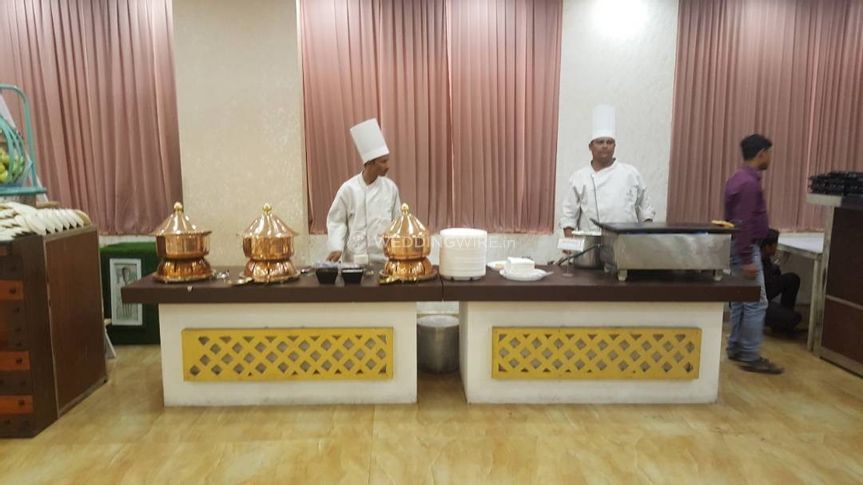
Buffet service requires clear labels, dedicated serving utensils and enough space to prevent guests from using the wrong spoon. Plated service allows individual meal cards, while a combination of both can help the venue manage a large wedding reception alongside smaller family functions. Staff should identify special plates by dish name and dietary requirement rather than calling them “special” or “modified”.
When the programme includes an anniversary celebration, the venue’s anniversary decor ideas can support a coordinated theme without interfering with food service. Décor suppliers should also avoid placing nuts, strongly fragranced flowers or loose decorative items near food stations if relevant guests have allergies.
Align suppliers and communication
The venue manager, caterer, décor team and event organiser should work from the same approved brief. Include dietary requirements in service schedules, vendor instructions and vendor deadlines. At Pearl Grand Banana Tree, this coordination is important because multi-cuisine vegetarian menus may involve different preparation teams, sauce bases and serving arrangements.
Indian-Australian families in Sydney, Melbourne and other cities often coordinate functions through WhatsApp groups, and the same habit can make international event planning easier. Keep the informal chat for updates, but maintain one authoritative dietary sheet. A designated local coordinator should approve changes so that a casual message does not introduce an unverified ingredient or contradict an earlier instruction.
Confirm the operational brief
Review the confirmed menu, guest register and final numbers before the event. A practical brief should identify dishes for each dietary category, ingredient risks, serving positions and the staff member responsible for each service point. Conduct a short kitchen and service-team meeting so every employee understands the differences between preference, intolerance and severe allergy.
Keep backup ingredients and individually labelled portions available for late changes. Plates for severe allergies should be prepared and delivered under the caterer’s agreed protocol, not assembled from the general buffet. The final brief should also specify where water, cutlery and waiting staff will handle restricted meals.
| Dietary requirement | Clear menu wording | Preparation control | Service instruction |
|---|---|---|---|
| Vegan or plant-based | No meat, fish, eggs, dairy, honey or ghee | Verify sauces, breads and desserts; use separate utensils | Label the full dish name and major ingredients |
| No onion or garlic | Excludes onion, garlic and specified root vegetables | Prepare a separate sauce before general service | Keep the dish covered and use dedicated serving tools |
| Jain practice | No onion, garlic or ingredients prohibited by the guest’s practice | Confirm the individual requirement with the caterer | Do not combine with shared dishes or sauces |
| Gluten-free or coeliac | No wheat, barley, rye or cross-contact ingredients | Check stocks, spice blends and frying methods | Deliver separately under the allergy protocol where required |
| Nut allergy | Excludes all specified nuts and checked processing ingredients | Verify oils, pastes, desserts and shared equipment | Prevent shared tongs and unnecessary table-top display |
Make dietary control a shared responsibility
A successful vegetarian event depends on consistent information from invitation to service. The same dietary register should guide the caterer’s shopping list, the décor team’s placement decisions and the hospitality staff’s final briefing. This prevents a well-intentioned late substitution from creating a medical risk or excluding part of the guest list.
The practical takeaway is to finalise one approved guest list, one tested menu matrix and one briefed service team. That combination gives Pearl Grand Banana Tree’s hospitality team a dependable plan while allowing Australian and international guests to enjoy the celebration without navigating avoidable dietary uncertainty.
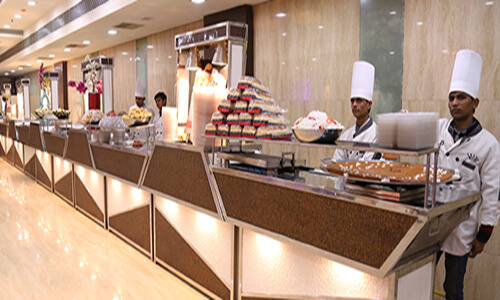
We have a specialized team of highly trained and experienced managers all from 5 stars, captains and other staff and they look after all of the needs of the guests. Our staff is dedicated, polite, courteous, neat and honest
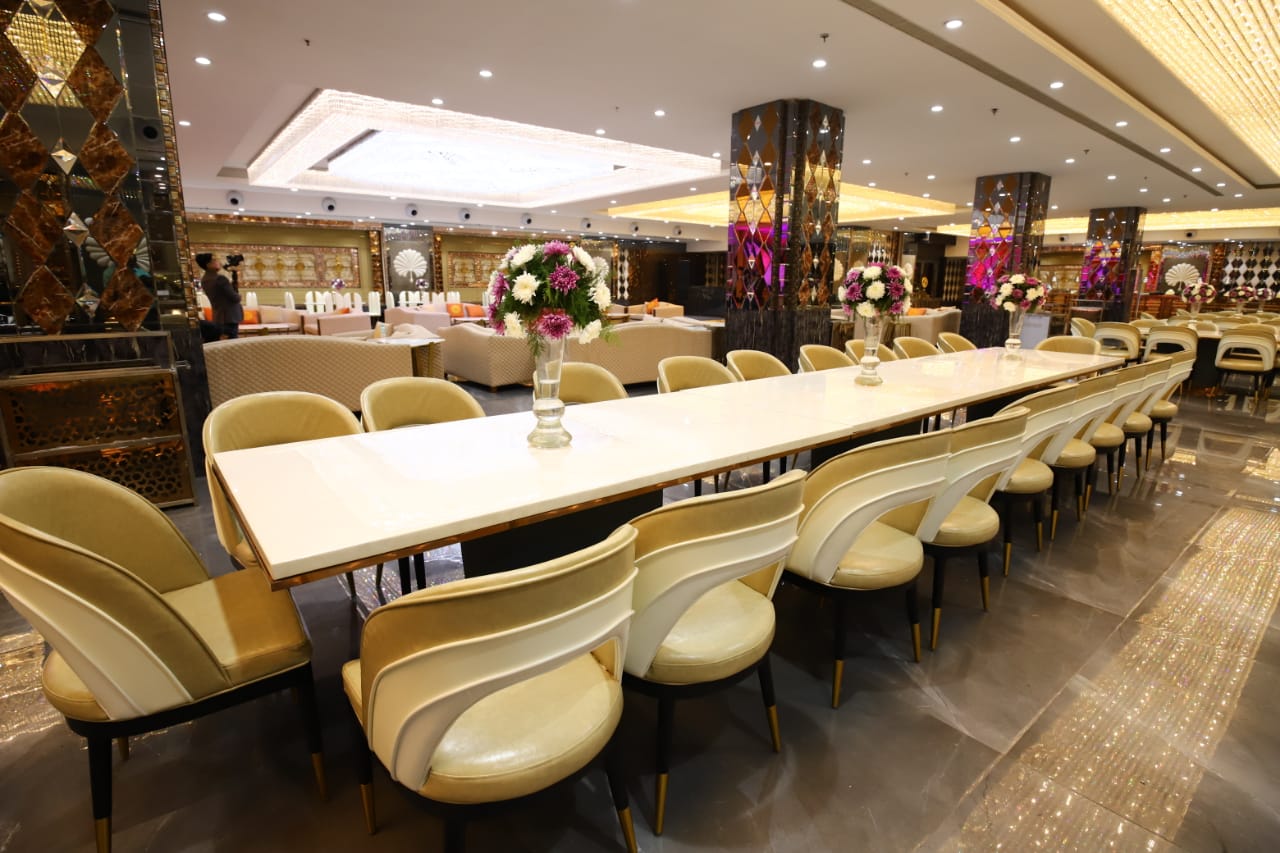
Spacious Elevators and escalated staircase is installed for convenience of our guests. All halls come with Bridle Room with lock for security of belongings of guest. Special Bar Counters

We are serving delicious snacks, some of them have been developed by our expert chefs, and they are our gift to the food industry. We serve full quantity of snacks from start till end of the function.
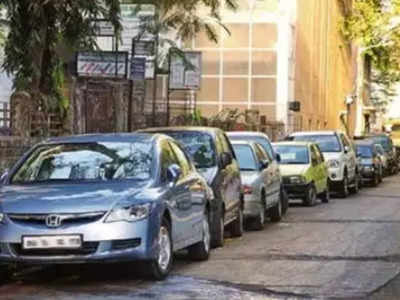
We provide ´Valet Parking´ facility at no extra cost to you. The cars of our guests shall be parked by our expert Valet parking drivers.

The richness of the ambience can be felt from the Cascading waterfalls, ornamental crystal chandeliers, beautiful Italian marble, light emitting onyx stone and ornate wood work. We have halls large enough to hold parties of 80 to 5000 guests. Beauty of our halls is unmatched in whole of East Delhi.
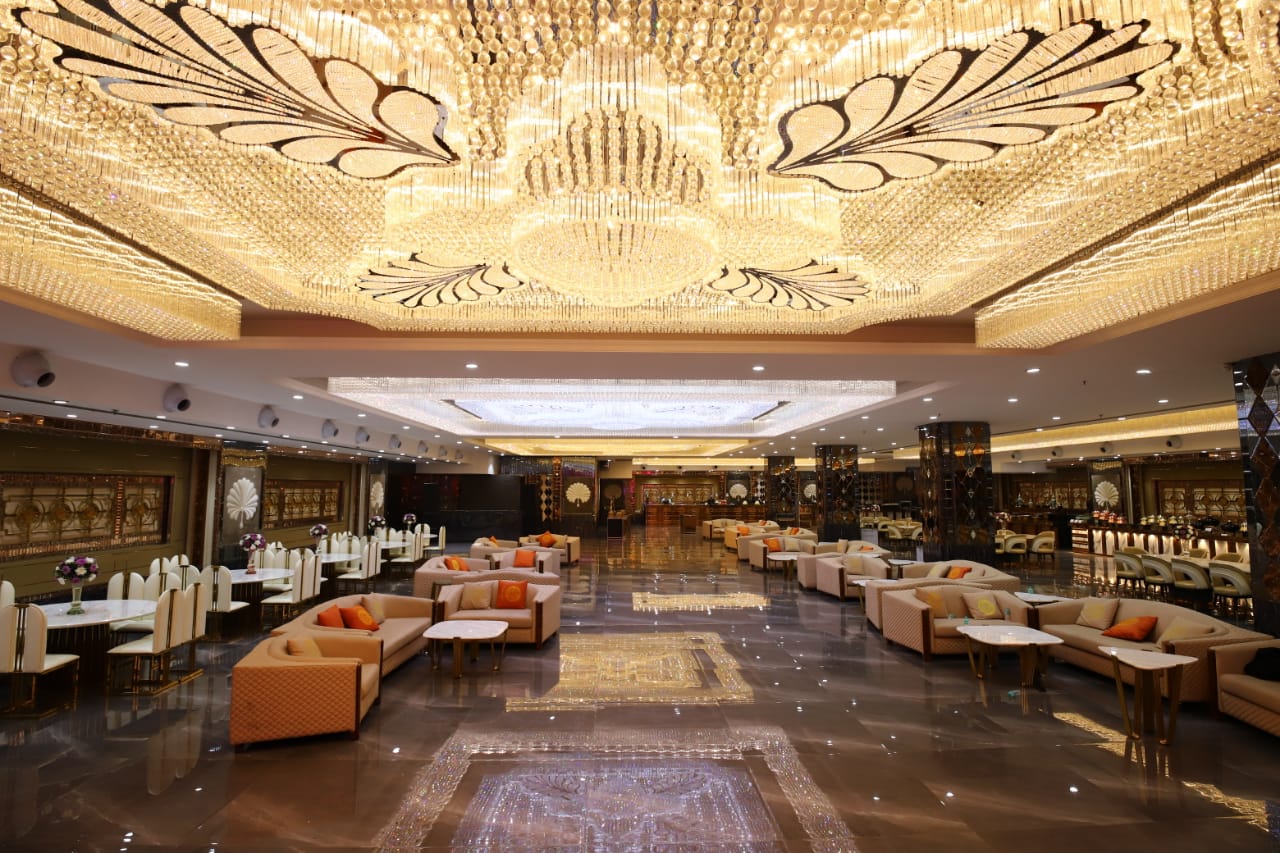
Our Banquet Halls are centrally Air-Conditioned. We run our AC on generators and hence it never stops and it is very effective in the middle of summer too.