
Keeping Every Vendor in Sync on Your Event Day
The décor is already in place, the menu is finalised, and the guest list is confirmed. What separates a smooth gathering from a stressful one is the quiet work of coordinating every vendor once the event day begins. Caterers, decorators, sound technicians, lighting crews, photographers and generators all move at different speeds, and each needs clear instructions about when and where to set up.
Coordination on the day is not about hovering over suppliers or repeating the same instruction in five different voices. It is about having a single source of truth — a written run sheet, a fixed point of contact and a timeline that everyone shares. When each vendor knows their setup window, access points, payment status and point of escalation, small decisions get made quickly instead of turning into delays in front of guests.
For hosts planning weddings, receptions, pre-wedding ceremonies, birthdays, anniversaries and corporate functions, this is the layer that keeps the programme on time. Venues such as Pearl Grand Banana Tree in Sahibabad, close to Kaushambi Metro Station and Pacific Mall, already have the flow of arrivals, seating and service in mind; the host's job is to extend that same discipline to every outside supplier.
The hours between setup and the last guest leaving are long, and they reward preparation done the night before. Clear timelines, named contacts and a written record of what each supplier owes and owns turn a busy hall into a manageable one. Think of it as logistics with a guest list — unglamorous, but it decides whether the evening flows or lurches.
What vendor coordination actually solves
On event day, problems are rarely dramatic. A generator arrives after the caterer has already parked in the loading bay. The décor team needs extra power outlets. The DJ's set-up overlaps with the photographer's lighting kit. None of these are disasters; they are scheduling mismatches, and each one costs time when guests are arriving.
Vendor management means turning a list of suppliers into a sequence of actions with deadlines. Every team receives a window, a location and a named contact. That simple structure removes the guesswork that leads to double bookings, missing equipment and last-minute arguments about rates.
The result is fewer escalations and a steadier guest experience — arrivals that do not queue, food that lands on schedule, and a ceremony that begins when the family expects it to.
Build one shared run-of-show
The run sheet is the backbone of day-of coordination. It can be a single page or a detailed grid, but it must contain the same information for everyone: supplier name, service, setup time, location within the venue, contact number, payment status and the name of the person signing off.
Keep it on a phone, on a printed board and in a shared message group. The printed version survives patchy network coverage, which matters in a large hall where several crews are working in different corners and on different floors. Update it once in the evening and once on the morning of the event, and treat those two versions as final.
A useful run sheet reads in strict chronological order, so a crew that has never worked in the venue can find its slot without asking. Sequence load-in by need — power and sound first, then décor, then catering, then seating — because later arrivals should never block earlier ones.
Assign one contact per supplier and one person for the day
The most common mistake is to give every vendor a different host to call. Guests start arriving, the host is greeting a table, and a supplier's urgent question waits unanswered for twenty minutes.
Designate a single on-site coordinator — the venue manager, a trusted family member or an experienced event planner — and route all supplier questions through that person. Ask each vendor to name one backup contact too, since phones die and batteries drain in halls that run long, loud programmes.
Give the coordinator authority to make small decisions: shifting a setup by ten minutes, approving an extra chair, confirming a revised plate count. Anything involving money, contracts or guest-facing changes should still go to the host.
Confirm money, access and responsibilities in writing
Verbal confirmations are where event-day disputes begin. A caterer assumes the venue provides service staff while the venue assumes the caterer brings its own team. A décor team assumes the generator is included in the package. A lighting crew assumes someone else owns the extension boards.
Settle these details the evening before in a short written confirmation: what each supplier delivers, whether labour, equipment and waste removal are included, what has been paid, what falls due on the day, and who clears the space afterwards.
Brief every crew on access routes, parking, load-in points and power sockets as well. For a banquet venue, knowing which entrance to use and when the hall must be handed back to the venue team prevents delays more often than any other instruction.
Your day-of coordination checklist
Print this section and keep two copies — one with the coordinator, one with the venue or event manager. Tick items as they happen rather than at the end, because the list is a working document, not a formality.
Before the hall opens
- Confirm every supplier has arrived and checked in with the coordinator.
- Walk the space with the décor and sound teams to verify placement, power and cable routing.
- Share the final run sheet and confirm each team knows its exit time.
- Brief hospitality staff on seating flow, VIP tables and any special menu requirements.
- Test microphones, music levels and backup power before the first guest steps in.
Once the programme begins and after it ends
- Station one person at the entrance to redirect early suppliers and guide arrivals.
- Check in with the catering team before each service block so food matches stage timing.
- Log every change to the timeline, however small, and pass the updated version to the coordinator.
- Hold final payment until the agreed deliverables are confirmed on site.
- Photograph the empty room after guests leave to settle cleaning or damage queries that night.
When the timeline slips
Something will always change. A VIP is delayed, rain moves guests indoors earlier than planned, or a speaker's arrival pushes the ceremony back by half an hour. The difference between a smooth response and a visible scramble lies in deciding in advance who can announce a delay and through which channel.
Agree on a simple signal — a call to the coordinator, a message in the shared group or a note on the run sheet — and set a threshold. Any gap longer than fifteen minutes gets communicated to the venue manager and the affected suppliers at once. Silent adjustments are what make a delay feel like a crisis.
Prioritise what guests can see. The ceremony, the meal and the music should hold their timing wherever possible; load-out, decoration changes and non-essential tasks can absorb the slack. Keep a written note of every adjustment so payments and responsibilities remain clear.
What to carry forward from the day
By evening, the event has produced its own data: which suppliers were flexible, which arrived late, which needed three reminders and which handled a last-minute change gracefully. Write those observations down the same night while the details are still sharp.
Keep the final run sheet, the vendor contact list and the delivery confirmations in one folder. The next anniversary, family ceremony or company gathering becomes easier to run for it, and a supplier who performed well is easier to book again with confidence.
Remember the principle beneath the checklist: vendor coordination on the day of your event works when information is shared early, responsibility is clear and small problems are solved before guests notice them. Prepare the sheet, name the coordinator, and the day largely takes care of itself.
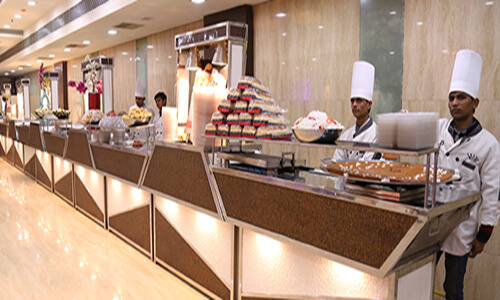
We have a specialized team of highly trained and experienced managers all from 5 stars, captains and other staff and they look after all of the needs of the guests. Our staff is dedicated, polite, courteous, neat and honest
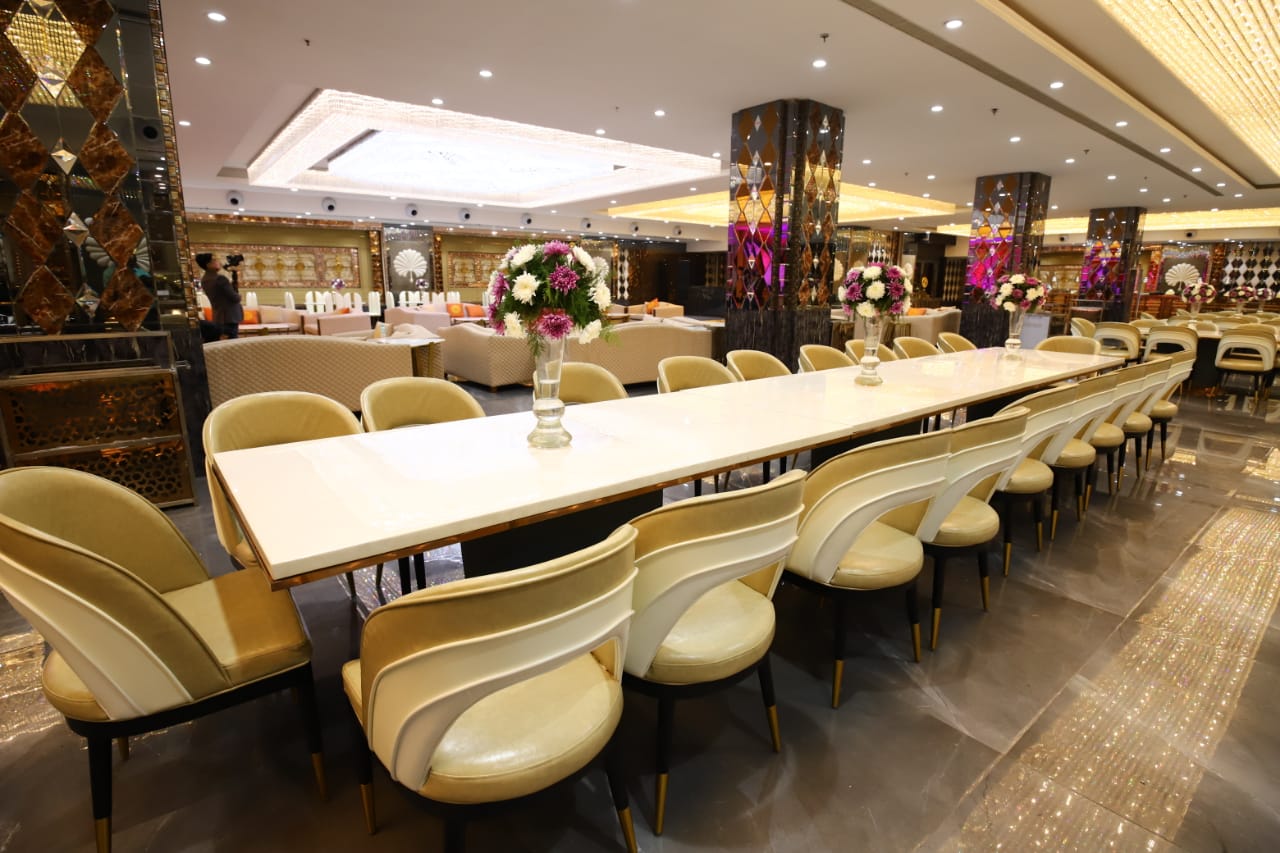
Spacious Elevators and escalated staircase is installed for convenience of our guests. All halls come with Bridle Room with lock for security of belongings of guest. Special Bar Counters

We are serving delicious snacks, some of them have been developed by our expert chefs, and they are our gift to the food industry. We serve full quantity of snacks from start till end of the function.

We provide ´Valet Parking´ facility at no extra cost to you. The cars of our guests shall be parked by our expert Valet parking drivers.

The richness of the ambience can be felt from the Cascading waterfalls, ornamental crystal chandeliers, beautiful Italian marble, light emitting onyx stone and ornate wood work. We have halls large enough to hold parties of 80 to 5000 guests. Beauty of our halls is unmatched in whole of East Delhi.
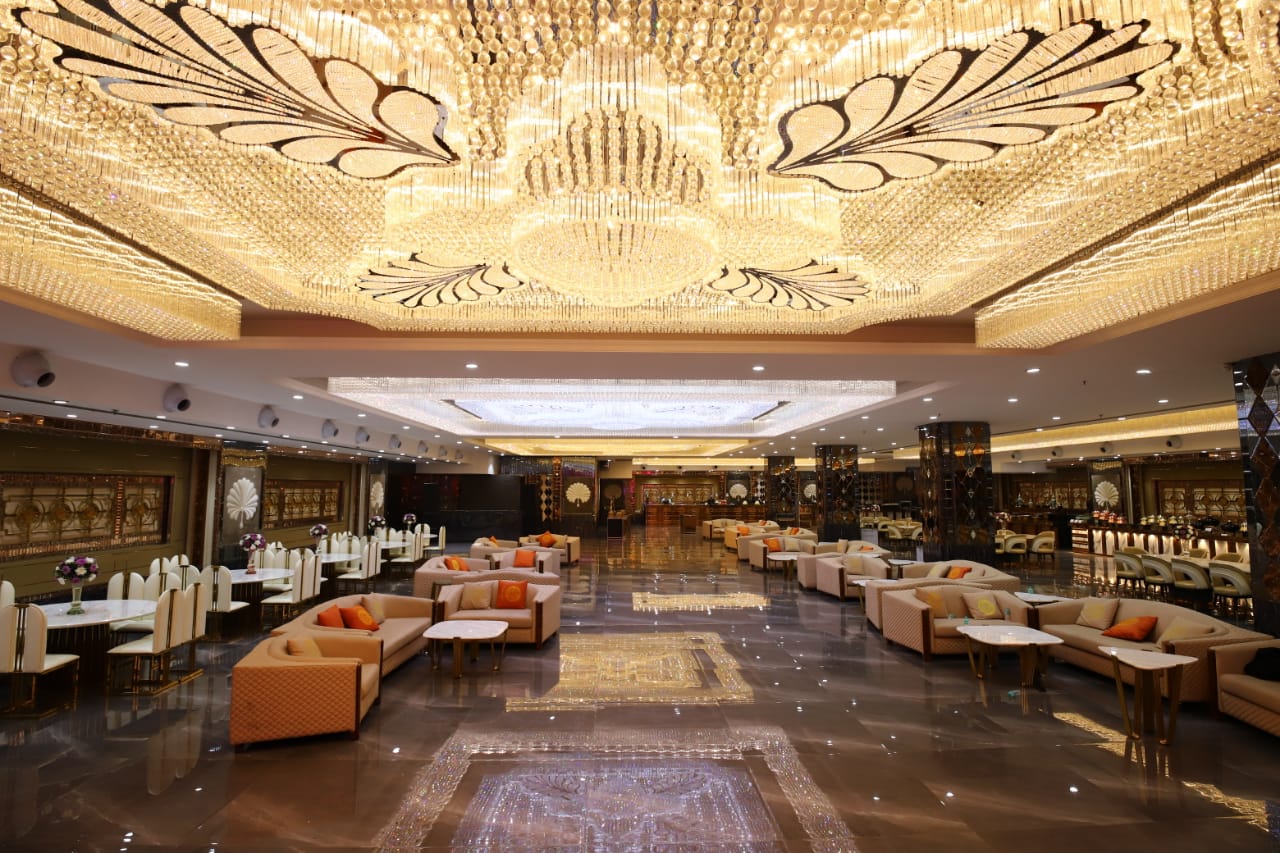
Our Banquet Halls are centrally Air-Conditioned. We run our AC on generators and hence it never stops and it is very effective in the middle of summer too.