
How to Organize a Successful Business Conference with Breakout Sessions
A well-run business conference gives people more than a schedule of speeches. It creates useful conversations, helps teams exchange practical ideas and leaves attendees with relationships they can continue developing after the event. Breakout sessions are especially valuable because they turn a large gathering into smaller, focused working groups.
For Australian businesses planning an event in India or welcoming international delegates, careful preparation matters. Differences in time zones, dietary expectations, transport, workplace obligations and communication styles can affect the delegate experience. A clear event plan, suitable venue and confident onsite team provide the structure needed for productive discussions.
Set Clear Conference Outcomes
Begin by defining what the conference should achieve. The purpose might be to launch a product, train staff, share industry research, build partnerships or develop solutions to a business problem. Each objective should connect to a measurable result, such as a completed action plan, a set number of qualified leads or agreed next steps between departments.
Identify the main delegate groups before building the agenda. Senior executives may need strategic discussions, while sales teams, technical specialists or new employees may benefit from practical workshops. This information helps determine the balance between keynote presentations, networking, panel discussions and small-group activities.
For an Australian audience, account for working patterns and travel habits. Delegates from Sydney, Melbourne, Brisbane and Perth may need different flight connections, while many professionals prefer an early start with coffee and a reliable lunch rather than a late evening programme. If the event involves Indian partners, share the schedule in both local time and Australian Eastern or Western time where relevant.
Choose A Venue That Supports Movement
The venue should make it easy for delegates to move between plenary sessions, workshops, meals and informal conversations. Look for several appropriately sized rooms, comfortable seating, dependable audiovisual equipment, clear signage and enough space for registration. Large groups should not have to queue in narrow corridors or cross noisy dining areas to reach a breakout room.
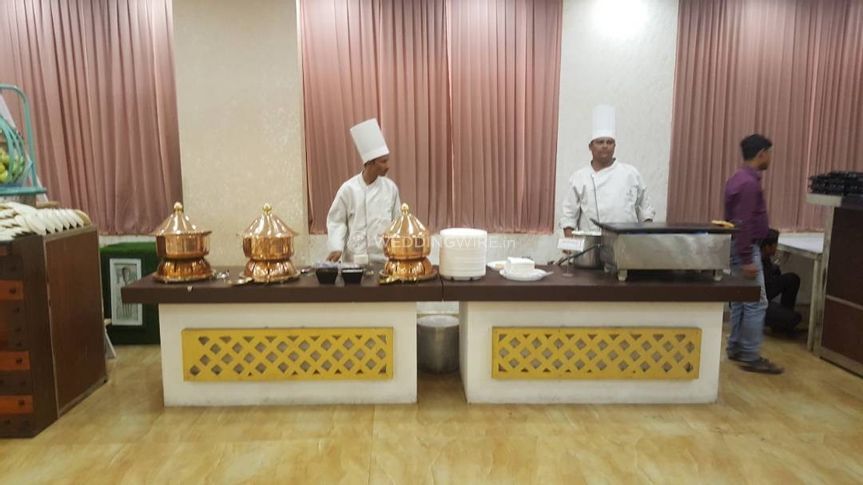
A banquet venue can be effective when it combines hospitality, catering and event coordination in one location. In Sahibabad, Ghaziabad, Pearl Grand Banana Tree offers an event setting near Kaushambi Metro Station and Pacific Mall, which can help visiting delegates plan transport and downtime. Its capacity and vegetarian multi-cuisine catering may suit conferences that include formal meals and social networking.
Accessibility should be checked before signing an agreement. In Australia, the Disability Discrimination Act 1992 makes inclusive access an important planning consideration, and international delegates will also expect step-free routes, accessible toilets, clear audio and suitable seating. Confirm these features in person or through detailed venue documentation.
Build A Purposeful Breakout Format
Breakout sessions work best when each one has a specific outcome. Instead of asking groups to “discuss the future,” give them a defined task, such as identifying three customer problems, ranking investment priorities or designing a response to a market scenario. A written output keeps conversations focused and makes the sessions easier to evaluate.
Keep the groups small enough for participation, usually between eight and 20 people depending on the activity. Assign a facilitator to manage time and encourage quieter delegates to contribute. A rapporteur or note-taker can capture decisions, unresolved questions and practical recommendations for the final plenary.
Use different formats across the day to maintain energy. A case study may suit a technical audience, while a roundtable can support peer learning. A gallery walk, role-play or structured debate may be more engaging than another presentation. Provide printed prompts, digital worksheets or shared documents so every group knows what to produce.
Plan The Delegate Experience
Registration should be simple, especially for people arriving after long international journeys. Send a detailed joining pack with the venue address, transport guidance, start time, dress expectations, contact details and an outline of the day. Include information about nearby accommodation and local transport options from Delhi airport or surrounding districts.
Food planning deserves early attention. Confirm vegetarian, vegan, halal, gluten-free and allergy-sensitive requirements during registration, then brief the catering team clearly. Australian delegates are accustomed to seeing dietary information displayed and may expect coffee, tea and water to be available throughout the day. Build realistic meal breaks into the timetable rather than treating refreshments as an afterthought.
A comfortable agenda also respects attention spans. Alternate presentation-heavy periods with movement, discussion and short pauses. Avoid scheduling the most demanding workshop immediately after lunch, and make sure the final session ends with enough time for transport, networking or a planned evening function.
Prepare Technology And Compliance
Test every presentation, microphone, screen, clicker and video connection before delegates arrive. If a speaker is joining from Australia, check the time difference and rehearse the remote contribution. Record backup copies of presentations locally, keep spare adapters available and provide printed session instructions in case the network fails.
Data protection should be part of the registration process. Under Australia’s Privacy Act 1988, businesses handling personal information need to consider how delegate names, dietary details, photographs and contact data are collected, stored and shared. Use a clear privacy notice and obtain appropriate consent before adding attendees to marketing databases or publishing event images.
Work health and safety planning is equally practical. Identify emergency exits, first-aid arrangements, crowd-flow risks, electrical hazards and safe procedures for installing displays. If Australian employees are travelling overseas, their employer should also consider travel insurance, emergency contacts, medical needs and duty-of-care responsibilities.
Promote Participation Before The Event
Pre-event communication can improve the quality of the conference before anyone enters the venue. Send a short survey asking delegates what they want to learn, the challenges they face and which breakout themes interest them. Use the responses to refine session descriptions and place people in balanced groups where appropriate.
Give speakers and facilitators a concise briefing pack. It should include the audience profile, session purpose, timing, room layout, technology instructions and expected outputs. Facilitators should know how to handle dominant voices, disagreements and discussions that move away from the subject.
Use LinkedIn, industry newsletters and direct invitations to reach the right Australian business communities. For a professional audience in Melbourne or Sydney, practical details such as CPD relevance, networking opportunities and accessible transport can be stronger incentives than a long list of speakers. Keep promotional claims accurate and make registration terms clear.
Manage The Day With Visible Leadership
Create a run sheet that includes arrival times, room changes, speaker cues, meal service and contingency plans. Share it with the event manager, venue staff, technical team, hosts and facilitators. One person should have authority to make quick decisions when a speaker is delayed or a room needs to be changed.
Use a visible registration desk and clear signs for every breakout stream. Colour coding, printed room cards and floor staff can reduce confusion in a busy venue. A mobile messaging channel may help the organising team communicate discreetly, but major changes should also be announced verbally and displayed clearly.
After each breakout, bring the key findings back into the main programme. A short report from every room can reveal common themes and prevent valuable ideas from disappearing into separate notes. Close the formal schedule by confirming owners, deadlines and the method for sharing the final conference report.
Practical Planning Lists
A pre-event checklist reduces avoidable pressure and gives the organising team a shared reference point.
- Confirm the purpose, audience, budget and success measures
- Inspect breakout rooms, accessibility routes and catering facilities
- Collect dietary, access, privacy and emergency information
- Brief speakers, facilitators, venue staff and technical suppliers
- Test presentations, internet access, microphones and backup equipment
The post-event process should be planned before the first delegate arrives. Quick follow-up shows that the conference produced action rather than simply occupying a day.
- Send resources, recordings and breakout summaries promptly
- Thank speakers, facilitators, sponsors and attendees
- Review feedback by session, venue, catering and technology
- Track agreed actions, owners and delivery dates
- Compare attendance, engagement and business outcomes with the original goals
A successful conference depends on alignment: the venue must support the format, the agenda must serve the objectives and each breakout must lead to a useful outcome. For Australian organisers working with international teams, adding clear travel information, inclusive catering, privacy safeguards and practical contingency plans will make the experience more comfortable and credible. The most valuable final document is a short action register showing who will do what, by when and how progress will be measured.
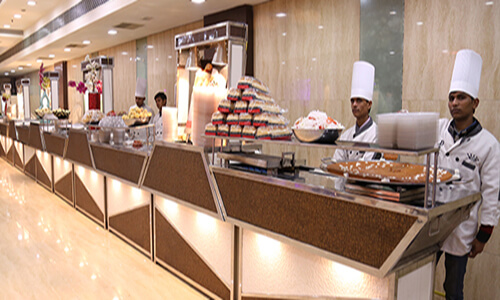
We have a specialized team of highly trained and experienced managers all from 5 stars, captains and other staff and they look after all of the needs of the guests. Our staff is dedicated, polite, courteous, neat and honest
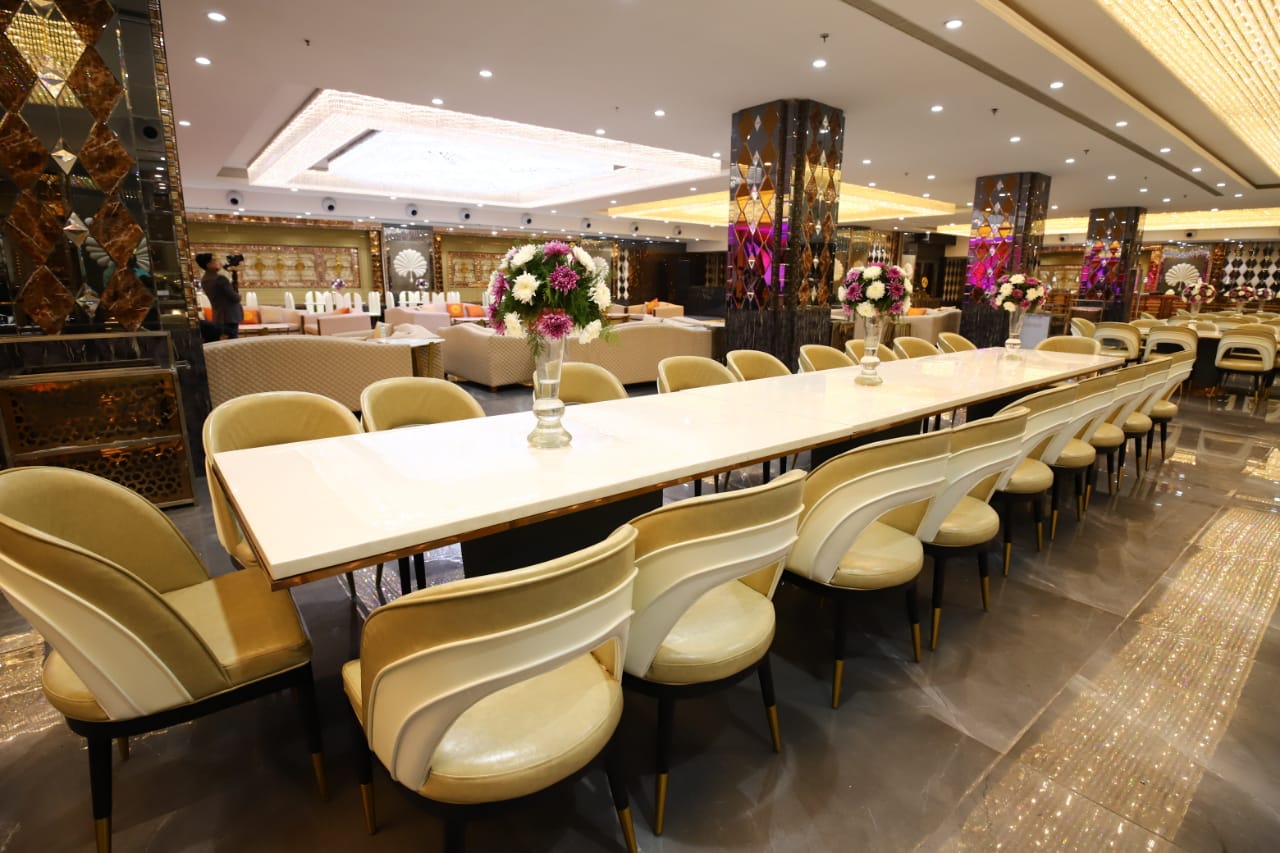
Spacious Elevators and escalated staircase is installed for convenience of our guests. All halls come with Bridle Room with lock for security of belongings of guest. Special Bar Counters

We are serving delicious snacks, some of them have been developed by our expert chefs, and they are our gift to the food industry. We serve full quantity of snacks from start till end of the function.
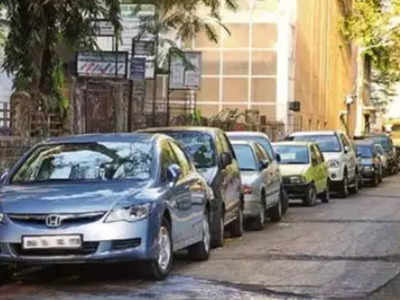
We provide ´Valet Parking´ facility at no extra cost to you. The cars of our guests shall be parked by our expert Valet parking drivers.

The richness of the ambience can be felt from the Cascading waterfalls, ornamental crystal chandeliers, beautiful Italian marble, light emitting onyx stone and ornate wood work. We have halls large enough to hold parties of 80 to 5000 guests. Beauty of our halls is unmatched in whole of East Delhi.
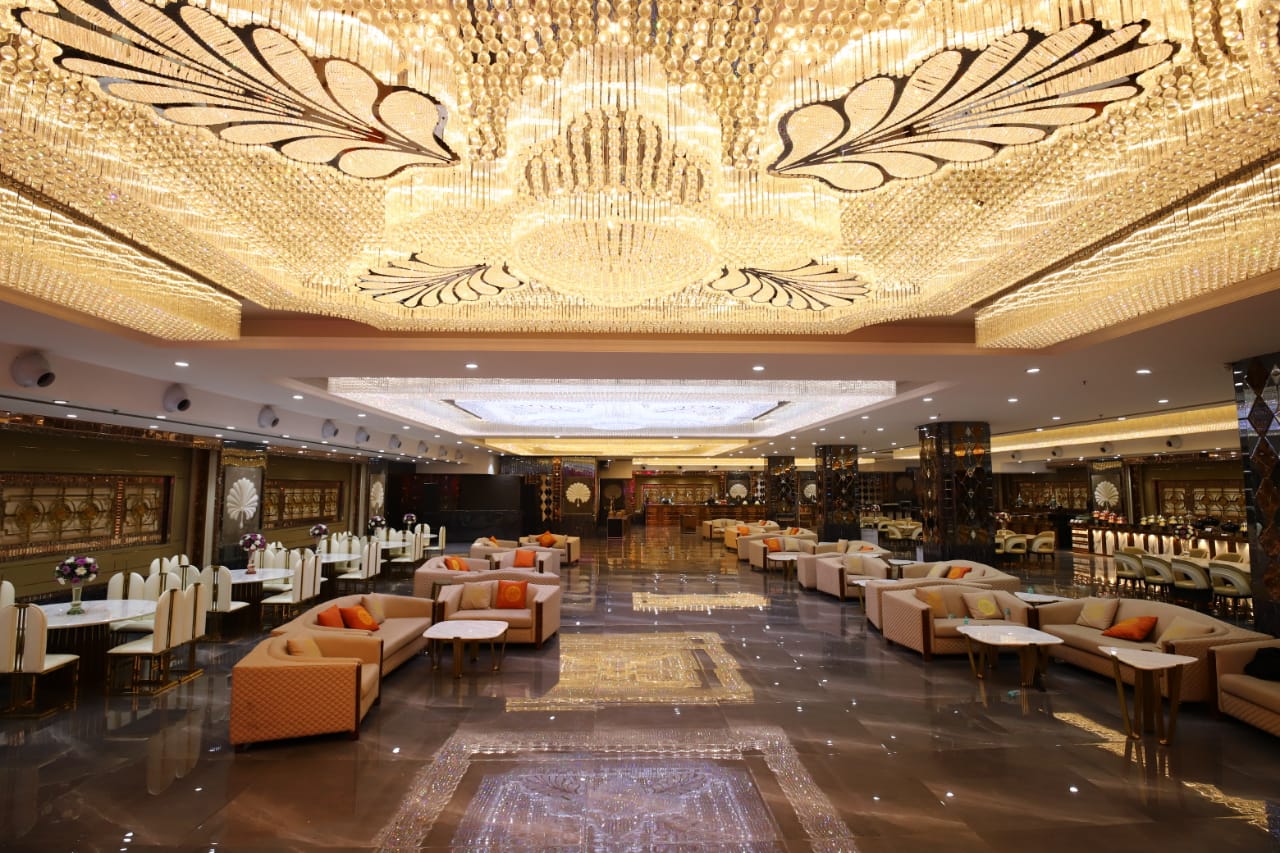
Our Banquet Halls are centrally Air-Conditioned. We run our AC on generators and hence it never stops and it is very effective in the middle of summer too.