
How to Pair a Chaat Counter with a Formal Dinner
A chaat counter can bring colour, aroma and interaction to a formal dinner without making the occasion feel casual. The key is to treat it as a carefully designed course or welcome experience, rather than an unrelated food stall placed beside a plated meal.
This balance works especially well for weddings, receptions, milestone birthdays and corporate functions. At Pearl Grand Banana Tree in Sahibabad, Ghaziabad, a chaat station can sit comfortably within a larger vegetarian multi-cuisine menu, supported by coordinated décor, service staff and seating for large gatherings.
Give The Chaat Counter A Defined Role
Begin by deciding when guests will eat chaat. A welcome counter is ideal for the period between arrival and the main meal, when guests are greeting one another, taking photographs or waiting for the formal programme to begin. It gives early arrivals something fresh to enjoy without replacing dinner.
For a wedding or reception, chaat can also work during the pre-dinner cocktail period. Keep portions modest so guests can sample one or two items without feeling too full before the main courses. A small bowl of papdi chaat, a pani puri serving or a dahi-based option can create anticipation for the meal that follows.
Match Flavours With The Dinner Menu
The formal dinner should feel like a continuation of the chaat experience. If the counter features tangy tamarind, coriander, yoghurt and roasted spices, echo those flavours subtly in the entrée, salads or vegetable dishes. This creates a unified menu instead of two separate food identities.
Balance is especially important when several dishes are rich or spicy. Pair lively chaat with milder mains, fragrant rice, fresh salads and cooling sides. A menu could move from aloo tikki or papdi chaat to kebabs, seasonal vegetables, dal, breads and a light dessert. The sequence should offer contrast in texture and temperature.
Design A Counter That Feels Formal
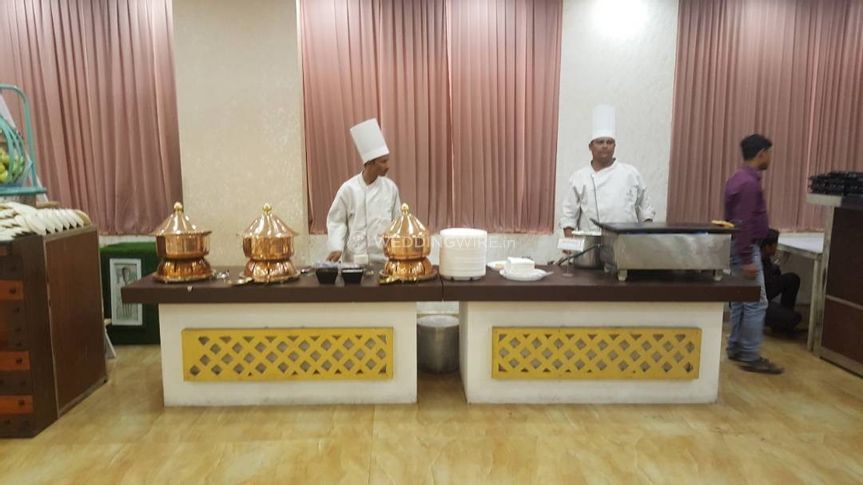
Presentation determines whether a live food station looks refined or improvised. Use a counter with coordinated linen, brass or stainless-steel serving pieces, clear menu cards and restrained floral decoration. The styling should complement the banquet hall, stage and table settings rather than compete with them.
Visible preparation adds energy, but the service area must remain tidy. Staff should replenish ingredients in small batches, wipe surfaces regularly and keep sauces, toppings and garnishes organised. At a venue near Kaushambi Metro Station and Pacific Mall, accessible placement can help guests move easily between the entrance, chaat counter and dining area without creating congestion.
Build Choice Around Guest Needs
Australian guests commonly expect clear information about vegetarian, vegan, gluten-free and allergen-sensitive food. Even when an event has a vegetarian menu, ingredients such as yoghurt, wheat, nuts and sev should be identified. Separate serving utensils and clearly marked components make the experience more comfortable for guests with dietary restrictions.
Events in Sydney, Melbourne, Brisbane and Perth often include guests from several cultural backgrounds, so spice levels should be adaptable. Offer mild, medium and hot chutneys separately instead of making every portion fiery. For corporate dinners, provide concise descriptions of unfamiliar dishes; for family celebrations, staff can explain traditional ingredients in a warmer, more conversational way.
Protect Quality, Safety And Timing
Freshness is central to chaat. Crisp puris, fried pastry and papdi lose their texture when exposed to humidity or liquid for too long. Assemble wet ingredients to order and keep yoghurt, chutneys and cut produce under suitable temperature control. This is particularly important for Australian summer functions, including outdoor celebrations in Sydney or Melbourne.
Catering teams serving Australian events should work with the relevant state or territory food safety requirements and the Food Standards Australia New Zealand framework. Safe food handling, allergen communication and appropriate refrigeration need to be part of the event plan. If alcohol is served, the venue and caterer must also account for applicable liquor licensing rules, responsible service obligations and the event location’s regulations.
Plan The Service Flow
A chaat counter should be positioned where guests can see it without forcing every diner to queue in one narrow line. Two service points may be useful for a large wedding: one for prepared items such as aloo tikki and dahi puri, and another for pani puri or custom toppings. A separate collection point keeps finished plates moving away from the ordering area.
| Event Style | Suitable Chaat Service | Formal Dinner Pairing | Practical Detail |
|---|---|---|---|
| Wedding reception | Pani puri, papdi chaat and dahi puri | Paneer dishes, dal, breads and rice | Serve small portions during guest arrival |
| Corporate dinner | Aloo tikki and curated tasting portions | Mild multi-cuisine buffet or plated menu | Use clear labels and restrained spice |
| Birthday celebration | Bhel, sev puri and regional specials | Comforting mains with a dessert station | Allow guests to customise toppings |
| Anniversary dinner | Elegant dahi puri and seasonal garnish | Lighter entrée, vegetable mains and fruit dessert | Keep the presentation refined and quiet |
| Large family gathering | Two counters with classic favourites | Broad vegetarian buffet | Add staff to manage queues and replenishment |
The running order should be shared with the banquet manager, kitchen and service team. If speeches, performances or cake cutting are scheduled, the counter may need to pause briefly or shift to a quieter service period. Good timing prevents the sound and movement of live preparation from interrupting formal announcements.
Finish With A Coherent Guest Experience
Dessert should restore a sense of calm after the bright flavours of chaat. Options such as kulfi, gulab jamun, jalebi with rabri or fresh fruit can follow naturally, provided the portion sizes remain moderate. A tea and coffee service can then give guests a comfortable ending, a familiar habit at many Australian functions where guests linger and chat after dinner.
The overall experience should feel generous but considered. Chaat provides spontaneity, while the formal dinner supplies structure, comfort and occasion. When the counter is planned around flavour, food safety, guest movement and visual styling, it becomes an elegant part of the celebration rather than a competing attraction.
The detail to remember is simple: let the chaat counter add freshness and theatre, while the formal dinner remains the steady centre of the event.
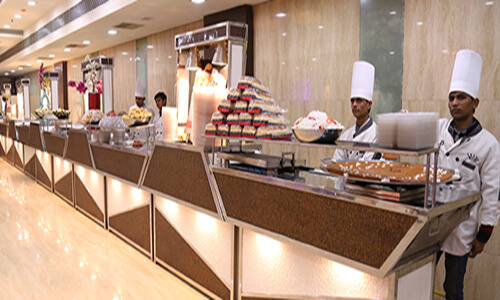
We have a specialized team of highly trained and experienced managers all from 5 stars, captains and other staff and they look after all of the needs of the guests. Our staff is dedicated, polite, courteous, neat and honest
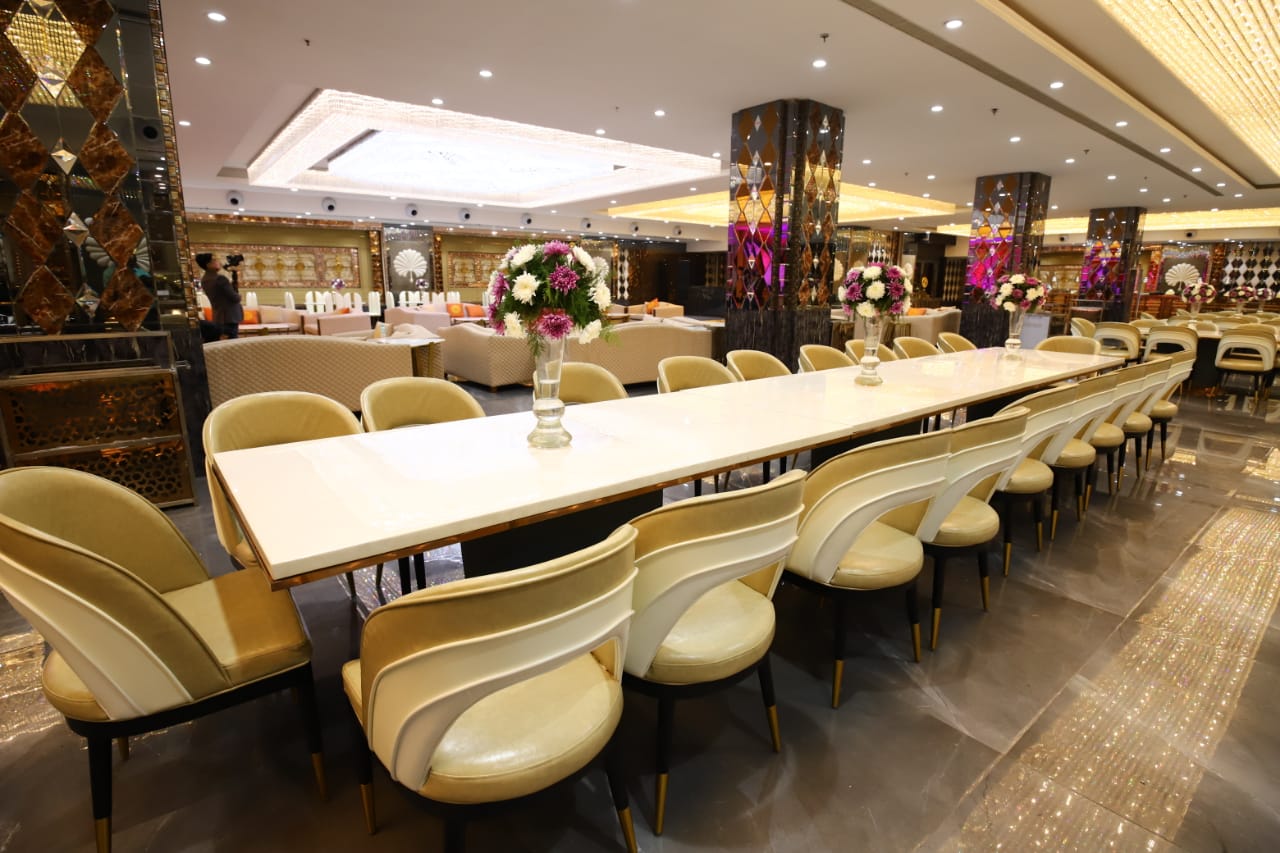
Spacious Elevators and escalated staircase is installed for convenience of our guests. All halls come with Bridle Room with lock for security of belongings of guest. Special Bar Counters

We are serving delicious snacks, some of them have been developed by our expert chefs, and they are our gift to the food industry. We serve full quantity of snacks from start till end of the function.

We provide ´Valet Parking´ facility at no extra cost to you. The cars of our guests shall be parked by our expert Valet parking drivers.

The richness of the ambience can be felt from the Cascading waterfalls, ornamental crystal chandeliers, beautiful Italian marble, light emitting onyx stone and ornate wood work. We have halls large enough to hold parties of 80 to 5000 guests. Beauty of our halls is unmatched in whole of East Delhi.
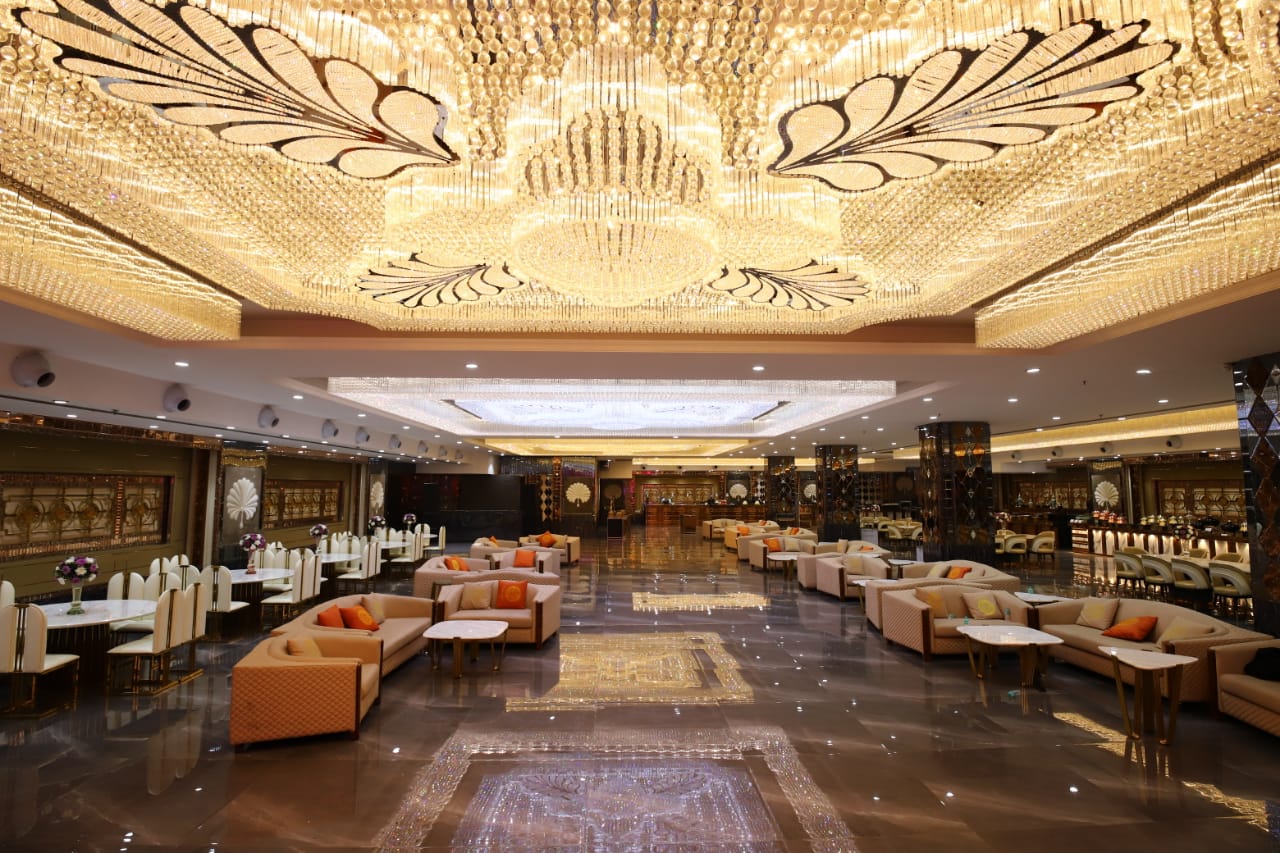
Our Banquet Halls are centrally Air-Conditioned. We run our AC on generators and hence it never stops and it is very effective in the middle of summer too.