
How to plan a networking event with structured mixing
Professional networking becomes more useful when guests are not left to approach whoever happens to be nearby. A deliberate meeting plan creates balanced conversations, surfaces useful connections and makes it easier for quieter attendees to participate.
Structured mixing works through short rotations, thoughtful prompts and enough time for genuine discussion. The format suits corporate functions, industry gatherings and social business events, whether they take place in a city venue or a spacious banquet hall such as Pearl Grand Banana Tree in Sahibabad.
Define the outcome and audience
Begin with the result the event should produce. It might be introductions to potential clients, stronger links between professional communities, recruitment conversations or partnerships between complementary organisations. A specific objective also determines how many guests are needed, how long the event should run and which details deserve attention.
Map the audience into relevant groups before invitations are sent. Consider industry, job function, organisational size, experience and shared interests. Include people who can contribute knowledge as well as those who might benefit from it, while avoiding a guest list dominated by one company or sector.
Measure success through observable outcomes rather than attendance alone. Useful indicators include completed introduction rounds, qualified follow-up meetings and the number of connections that continue after the event. These measures give the host team a clear standard when checking whether the format worked.
Create a balanced guest mix
Design each meeting group so its members have a reason to talk. A useful mix might combine one operational leader, one specialist and one newer entrant, with the roles changing from round to round. Rotate groups rather than allowing pre-existing friendship groups to remain together throughout the event.
Invite guests through several channels, including professional associations, suppliers, partner organisations and relevant community networks. Explain who should attend and why the format involves structured mixing. Guests who understand the purpose are more likely to prepare useful questions and make the most of each introduction.
Australian professional settings often favour an approachable tone. Phrases such as “no worries” and “not a problem” can keep instructions warm, but organisers should not force excessive slang into the event. Clear, friendly communication remains the most reliable way to welcome people from different cities, industries and cultural backgrounds.
Build a timed rotation system
Use rounds of approximately seven to ten minutes, followed by a brief transition. Groups of six to eight people work well when everyone needs an equal opportunity to speak. Larger groups can create long waits between contributions, while smaller groups may feel overly intense for some participants.
Give each table a simple prompt that encourages useful information exchange. Questions about current projects, difficult business challenges and trusted suppliers often work better than generic questions about a job title. Provide two or three prompts so guests can choose a subject that feels natural.
Plan the room flow before the event. Hosts should know where the next group is going, how long the transition should take and what to do if a round starts late. Australian teams are often spread across Sydney, Melbourne, Brisbane and regional centres, so check time zones when remote participants are joining or when senior stakeholders must give a brief opening address.
Design the venue for movement and attention
The venue should support circulation, clear sightlines and comfortable conversation without making the event feel like a series of presentations. Look for separate welcome, meeting, refreshment and discussion areas. Good acoustics and dependable lighting are especially important when guests rotate between different parts of the room.
Pearl Grand Banana Tree offers large-group capacity near Kaushambi Metro Station and Pacific Mall, along with event arrangements, décor, vegetarian multi-cuisine catering and experienced hospitality staff. These features suit an event where guests need room to move between conversations while the organising team manages arrivals, refreshments and technical requirements.
A short briefing on an engaging stage setup can help organisers keep announcements brief and relevant. Use the focal area for the opening, sponsor acknowledgement and closing remarks rather than allowing it to dominate the networking time.
Australian city precincts offer useful comparisons. Barangaroo suits corporate gatherings in Sydney, South Bank provides flexible event spaces in Melbourne, and Fortitude Valley has become a popular meeting and dining district in Brisbane. Local precincts often reward walkable venues, nearby public transport and partnerships with regional suppliers.
Prepare invitations, access and logistics
Send invitations with clear arrival instructions, the event purpose, dress expectations and a concise explanation of the meeting format. Australian guests commonly provide firm RSVPs and specific dietary requirements, so request allergy information, accessibility needs and meal preferences during registration rather than after final catering numbers are confirmed.
Guest information to include
- Arrival time, entrance details and public transport or parking options
- A named event contact and an emergency contact number
- Dietary, mobility and accessibility requirements
- The meeting format, rotation schedule and dress expectations
Review commercial details in Australian dollars, including venue hire, staffing, catering, technology, insurance and cancellation terms. Check public holidays, school holidays and daylight-saving changes before fixing the date. These factors can affect travel, supplier availability and the timing of evening sessions.
Operational details to confirm
- Floor plan, table positions and rotation signs
- Host roles, staff briefing and communication method
- Microphone, projector and power requirements with a backup plan
- Catering layout, allergen signage and refreshment restocking schedule
Guide conversations without forcing them
Give hosts a simple facilitation brief. Each host should introduce the purpose of the round, state the time limit and help guests move on when a conversation has reached a natural pause. Avoid scripted personal questions, which can feel intrusive or awkward in a professional setting.
In Australian workplaces, straightforward questions such as “What are you working on now?” or “What has changed in your industry this year?” often produce better discussions than jargon-heavy openings. Hosts should listen for details that create a genuine follow-up, such as a shared client, a complementary skill or an upcoming project.
Keep the atmosphere relaxed without making the rotations feel aimless. A glass of water, a small plate of food and a quiet corner can make the venue comfortable, while a visible schedule helps guests understand the pace. The aim is to create natural opportunities for useful conversations rather than turning every meeting into a formal interview.
Deliver the event and lock the follow-up
Brief staff before doors open and assign one lead host to each meeting zone. During the event, watch transition times, identify guests who are not joining a table and make adjustments if a group becomes unbalanced. A short final round can bring together people who discovered shared interests earlier in the session.
Capture information for genuine follow-up rather than collecting a large stack of business cards. Record the people each guest met, the context of the conversation and any agreed next step. Personalised messages sent within two working days are more useful than a generic thank-you note.
Review the agreed success measures against attendance data, completed rounds and follow-up commitments. Keep the prompts that helped guests and discard those that felt forced. This creates a stronger foundation for the next gathering and makes improvements based on actual behaviour rather than assumption.
Create a one-page event run sheet by Friday, assign an owner to every operational task and schedule the final venue walk-through for the morning of the event.
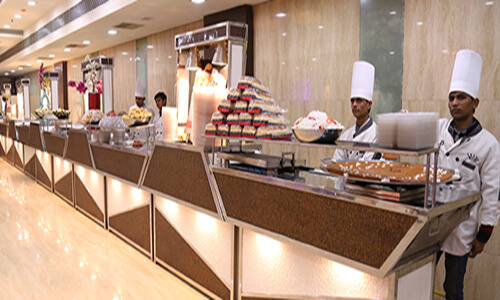
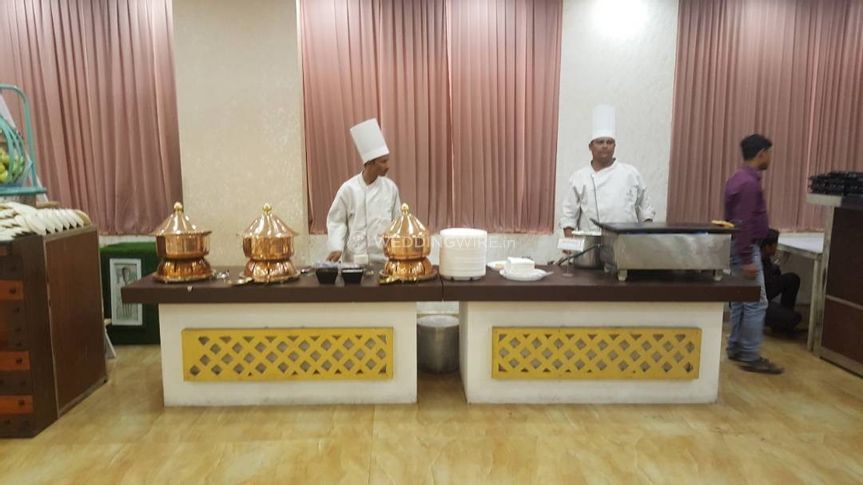
We have a specialized team of highly trained and experienced managers all from 5 stars, captains and other staff and they look after all of the needs of the guests. Our staff is dedicated, polite, courteous, neat and honest
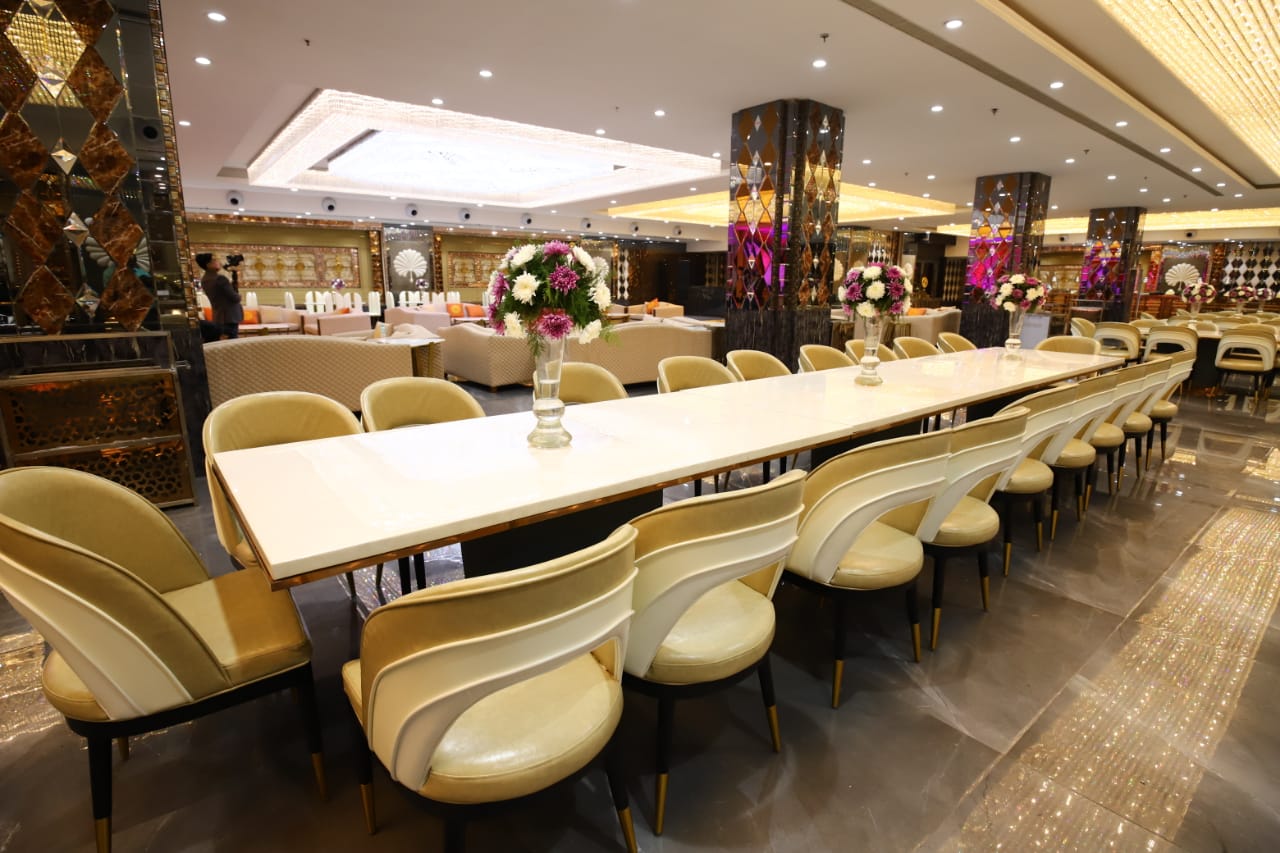
Spacious Elevators and escalated staircase is installed for convenience of our guests. All halls come with Bridle Room with lock for security of belongings of guest. Special Bar Counters

We are serving delicious snacks, some of them have been developed by our expert chefs, and they are our gift to the food industry. We serve full quantity of snacks from start till end of the function.
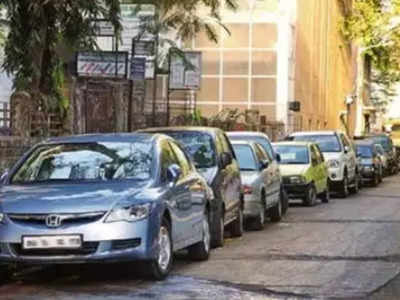
We provide ´Valet Parking´ facility at no extra cost to you. The cars of our guests shall be parked by our expert Valet parking drivers.

The richness of the ambience can be felt from the Cascading waterfalls, ornamental crystal chandeliers, beautiful Italian marble, light emitting onyx stone and ornate wood work. We have halls large enough to hold parties of 80 to 5000 guests. Beauty of our halls is unmatched in whole of East Delhi.
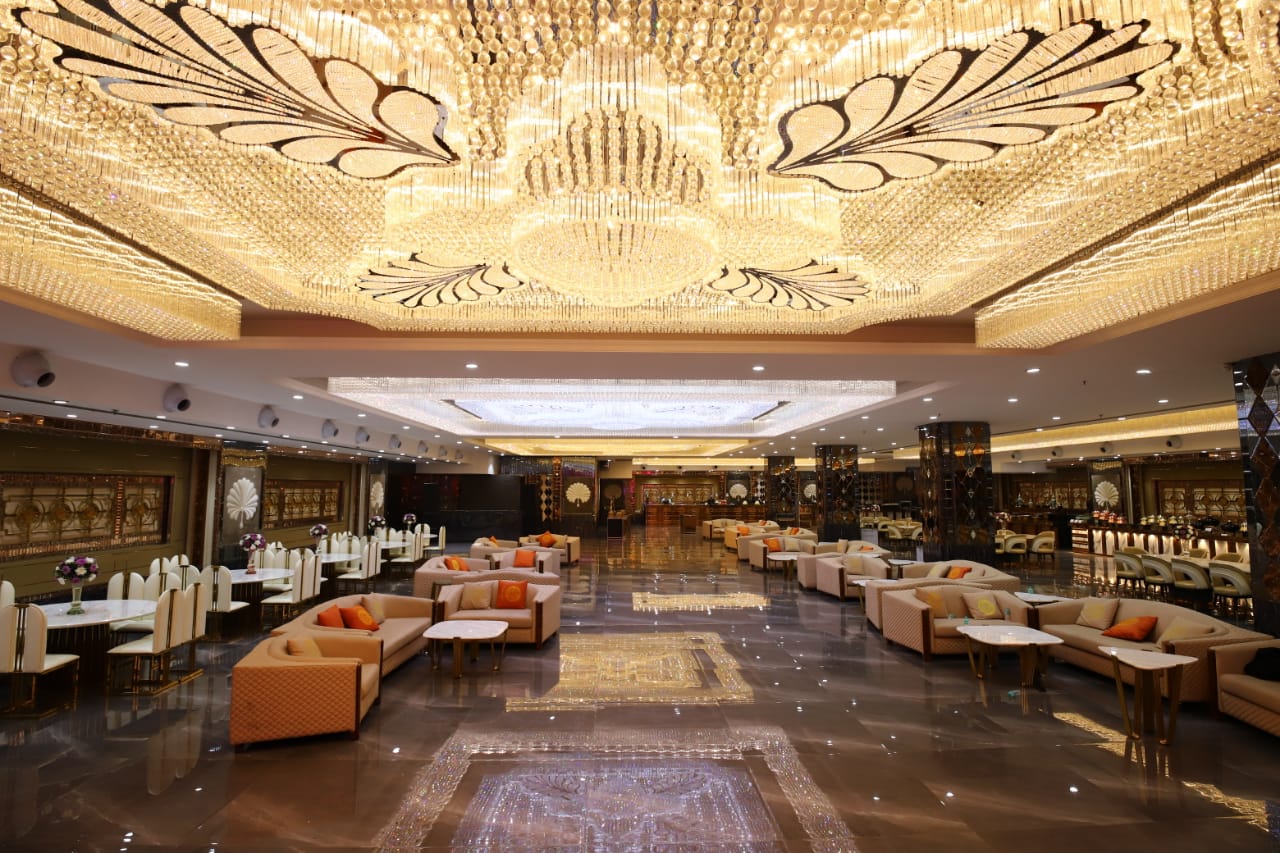
Our Banquet Halls are centrally Air-Conditioned. We run our AC on generators and hence it never stops and it is very effective in the middle of summer too.