
a Product Launch With Demo Stations and Interactive Zones
Product launches in Australia have moved well past the polished keynote and the polite round of applause. Buyers, journalists, investors and internal stakeholders now expect to touch, test and play with whatever is being unveiled. A launch built around demo stations and interactive zones turns a passive audience into a crowd of curious testers, which is exactly what generates the word-of-mouth and social content a new product needs to cut through in a crowded local market.
This kind of format also suits the flexible, large-format venues that host corporate functions, from inner-city warehouses to purpose-built banquet halls. Spaces such as Pearl Grand Banana Tree, a banquet hall and event venue in Sahibabad, Ghaziabad, show how adaptable floorplates can be reconfigured into zones that flow from welcome to hands-on demos to hospitality, regardless of whether the guest list numbers forty or four hundred.
Designing the Demo Zone Layout
Start by thinking about how guests will physically move through the space. A launch that funnels everyone through a single bottleneck creates queues, frustration and missed opportunities. Instead, break the floor into three or four self-contained clusters, each anchored by a demo station with its own power, lighting and signage. Allow at least 1.2 metres of circulation around every island so two people can pass a tester without bumping elbows.
For Australian audiences, keep sightlines open and avoid the formal theatre feel of rows facing a stage. Sydneysiders launching from a waterfront venue around Darling Harbour or Melburnians using a hall near the Convention Centre tend to prefer scattered high-tops and lounge pockets where conversations can break out spontaneously. Build a clear arrival point with registration and a welcome barista cart, then let guests drift naturally between zones.
Choosing Interactive Zones That Match the Product
Every product invites a different kind of interaction. Hardware needs a hands-on zone where people can hold the device, feel the weight and test the buttons. Software calls for seated pods with monitors, headphones and a short scripted journey. A food or beverage product benefits from a tasting counter with timed pours. Trying to merge incompatible experiences into one shared station usually ends with confused guests and a stretched team.
Build zones around three layers of engagement. The first layer is passive: signage, looped video and printed spec sheets. The second is guided, with a trained product specialist walking a guest through a three-minute demo. The third is self-directed, where guests explore on their own with QR codes that unlock deeper content. Most successful launches in places like Brisbane's Fortitude Valley or Perth's Osborne Park rely on all three layers running in parallel.
Power, Connectivity and AV
Interactive zones die without reliable infrastructure. Every demo station needs dedicated power, ideally on separate circuits so a high-draw appliance does not trip the room. Wi-Fi must be enterprise-grade with a dedicated SSID for the event, because Australian venues often sit in dense CBD buildings where neighbouring networks cause interference. Run a speed test the morning of, not the night before.
For AV, skip the single-projector-and-microphone setup. Use a distributed audio system with zoned volume so a noisy demo corner does not drown out a quieter panel discussion. A central LED wall works well for the opening five-minute reveal, but the rest of the night should rely on smaller confidence monitors at each station. If the launch is being live-streamed for remote viewers across AEST, ACDT and AWST, schedule the broadcast for late morning or early evening Sydney time to catch the widest live audience.
Catering, Hospitality and the Australian Palate
Food at a product launch is not just fuel, it is part of the experience. Australian guests expect more than mini quiches and a carving station. A standing menu with locally sourced canapés, a dedicated coffee bar pulling proper flat whites, and a range of options for vegetarian, vegan and gluten-free diets shows the same attention to detail as the product itself. Aim for eight to ten bite-sized items per guest per hour rather than a full sit-down meal.
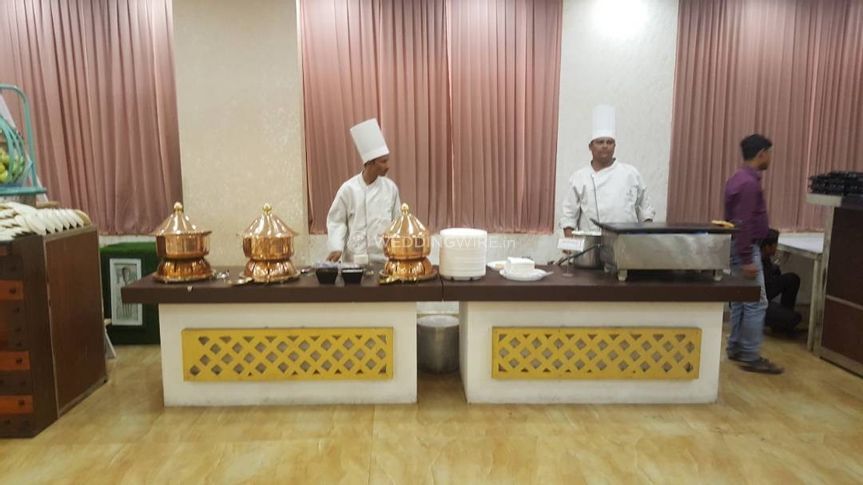
For venues with full in-house kitchens, brief the chef early on the product story. A fintech launch might call for clean, minimal plating while a lifestyle brand could lean into bolder, more colourful presentation. Pearl Grand Banana Tree and similar full-service venues handle vegetarian multi-cuisine catering as part of the package, which removes the friction of coordinating a separate caterer and lets the organising team focus on the guest experience.
Programming the Run Sheet
A launch that runs over two and a half hours tends to outperform a four-hour marathon. Block the schedule into a sharp welcome, a fifteen-minute reveal moment, then ninety minutes of open roaming with the demo stations, followed by a structured close such as a Q&A, a toast or a live performance. Build in fifteen-minute buffers between segments because Australian guests arrive fashionably late and a hard 6pm start rarely happens.
Staff each zone with at least two product specialists, plus one floater who can step in for breaks and photograph engaged guests for the brand's social channels. Train the team to ask open questions rather than recite features. The goal of every interaction is a genuine conversation, not a sales pitch.
Budgeting and Comparing Zone Formats
Costs vary widely depending on how immersive the zones need to be. A simple table-top demo with printed signage and a laptop is the leanest option. A bespoke build-out with custom joinery, integrated screens and brand theming sits at the other end. The table below compares four common formats against setup cost, interactivity level and lead time.
| Zone Format | Setup Cost (AUD) | Interactivity | Lead Time |
|---|---|---|---|
| Tabletop demo with laptop and printed signage | $400-$900 | Low | 1-2 weeks |
| Modular pods with rented screens and lighting | $2,500-$5,000 | Medium | 3-5 weeks |
| Custom-built brand environment with joinery | $8,000-$20,000 | High | 8-12 weeks |
| Hybrid indoor-outdoor experience | $5,000-$15,000 | High | 6-10 weeks |
The sweet spot for most Australian mid-sized brands sits between modular pods and a custom build. It delivers enough immersion to feel premium without blowing out the timeline.
Smart Moves for a Standout Launch
- Book the venue at least eight weeks out and lock the run sheet before selling tickets.
- Test every demo device on the actual venue Wi-Fi a week ahead, not the morning of.
- Brief product specialists on the top three questions guests will ask, plus how to handle the awkward ones.
- Designate a quiet corner for media interviews so loud demos do not sabotage recorded soundbites.
- Capture a content creator or two as part of the guest list, not as an afterthought.
- Send a follow-up email within 48 hours with demo videos and a clear next step for interested buyers.
- Keep the catering team in the loop about dietary counts so no one misses out.
A launch that treats demo stations and interactive zones as the headline, not the side act, gives a product the kind of memory that survives the drive home past Sydney's Anzac Bridge or the tram ride along Melbourne's Collins Street. The strongest events feel less like a presentation and more like a hands-on afternoon with people who already love what has just been built.
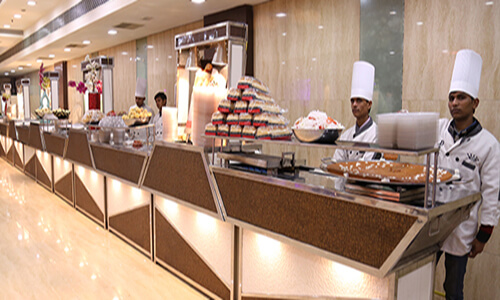
We have a specialized team of highly trained and experienced managers all from 5 stars, captains and other staff and they look after all of the needs of the guests. Our staff is dedicated, polite, courteous, neat and honest
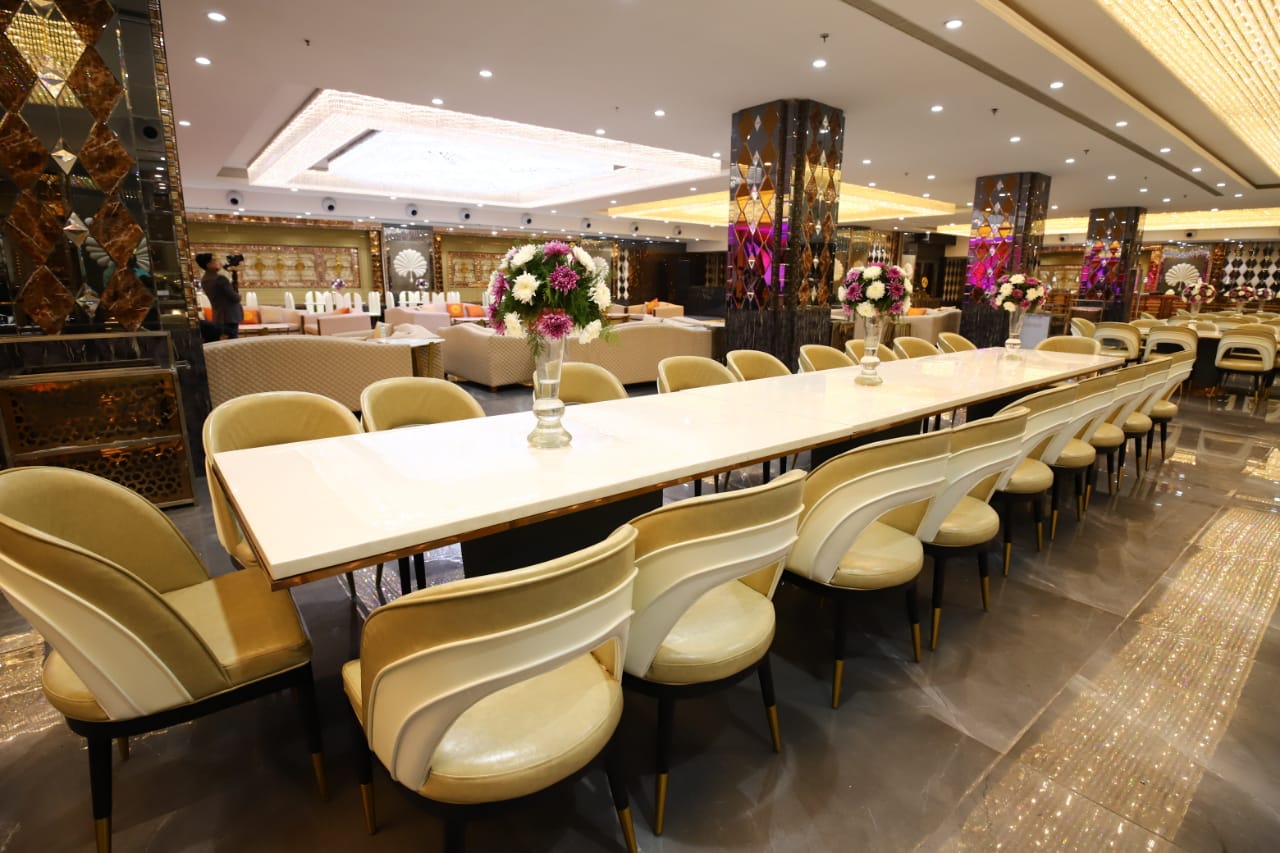
Spacious Elevators and escalated staircase is installed for convenience of our guests. All halls come with Bridle Room with lock for security of belongings of guest. Special Bar Counters
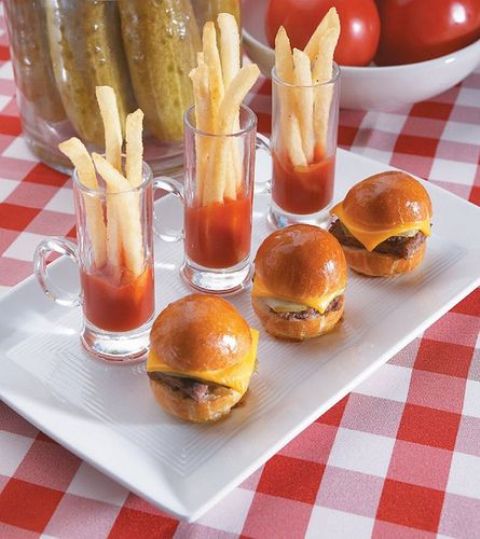
We are serving delicious snacks, some of them have been developed by our expert chefs, and they are our gift to the food industry. We serve full quantity of snacks from start till end of the function.
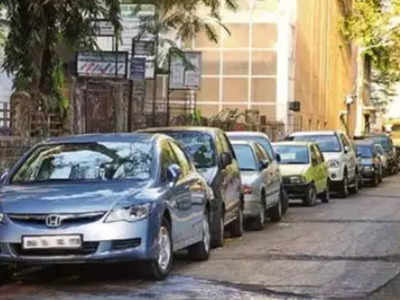
We provide ´Valet Parking´ facility at no extra cost to you. The cars of our guests shall be parked by our expert Valet parking drivers.

The richness of the ambience can be felt from the Cascading waterfalls, ornamental crystal chandeliers, beautiful Italian marble, light emitting onyx stone and ornate wood work. We have halls large enough to hold parties of 80 to 5000 guests. Beauty of our halls is unmatched in whole of East Delhi.
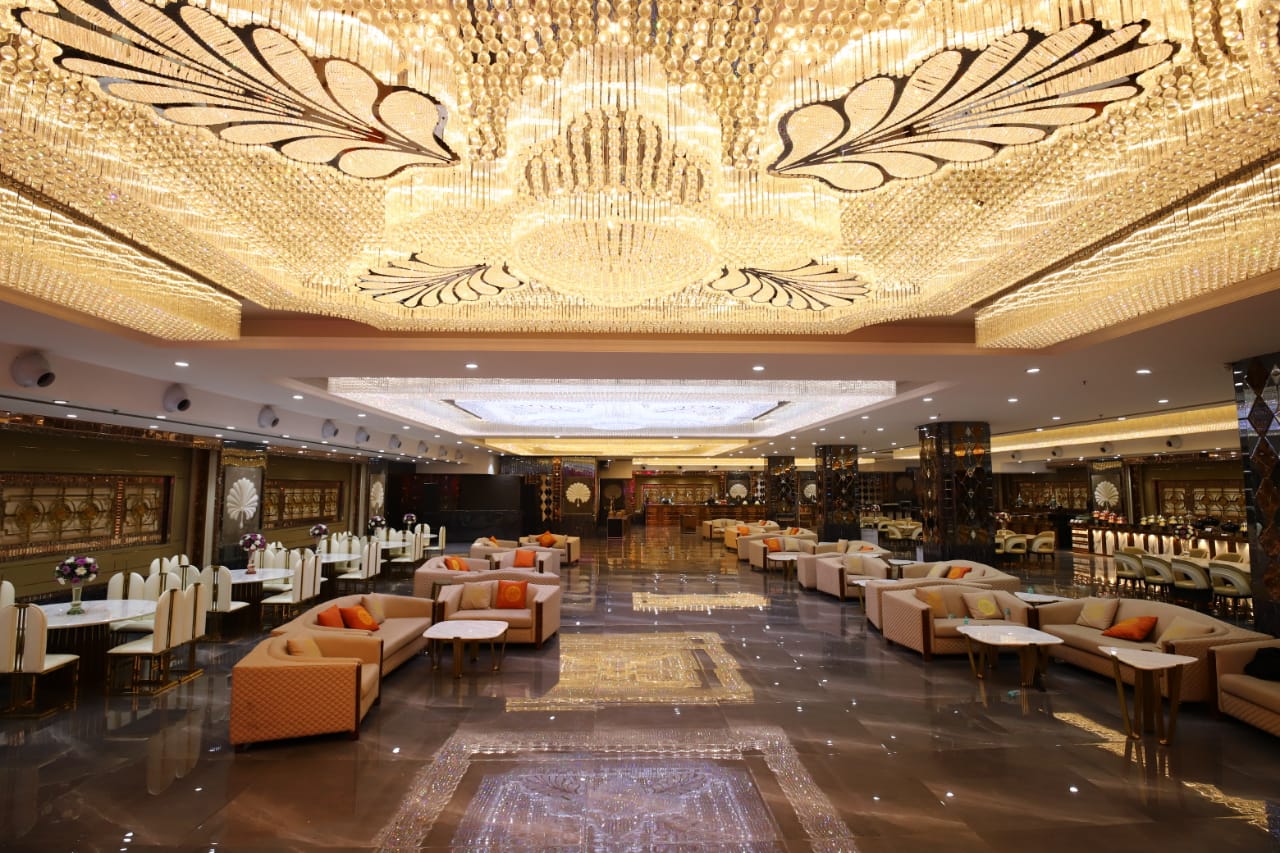
Our Banquet Halls are centrally Air-Conditioned. We run our AC on generators and hence it never stops and it is very effective in the middle of summer too.