
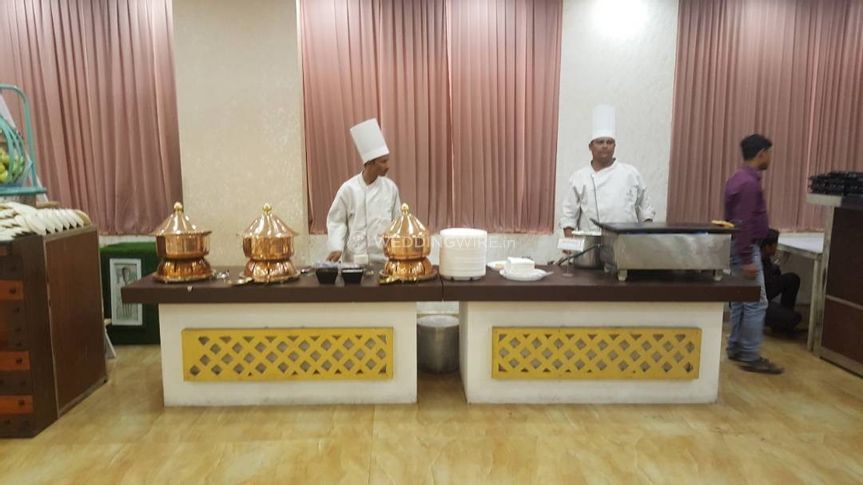
Plan A Smooth Religious Ceremony With The Right Catering Partner
A religious ceremony brings together sacred rituals, family traditions, community customs, and a large guest list. Food is an important part of the occasion because it supports hospitality while respecting the rules associated with the ceremony. Careful planning helps the meal feel natural, respectful, and easy for guests to enjoy.
The catering partner you choose should understand more than recipes. They should be able to coordinate kitchen hygiene, vegetarian preparation, serving schedules, dietary requirements, guest movement, and the timing of rituals. A dependable banquet venue can help connect these details into one well-managed event.
Pearl Grand Banana Tree in Sahibabad, Ghaziabad, provides a suitable setting for religious gatherings, wedding ceremonies, receptions, pre-wedding functions, and family celebrations. Its location near Kaushambi Metro Station and Pacific Mall also makes it convenient for guests arriving from different parts of Delhi NCR.
Start With The Ceremony And Guest Profile
Begin by listing the religious customs that will shape the event. A puja, havan, engagement ceremony, wedding ritual, or post-ceremony meal may each require a different schedule. Speak with the priest, family elders, or ceremony coordinator to understand when food can be served and whether any preparation restrictions apply.
Your guest profile will influence the menu and the amount of service required. Count family members, elderly guests, children, out-of-town visitors, and the ceremony team separately. This helps the caterer plan portions, seating, water service, and assistance for guests who may need extra comfort.
Also consider whether the meal should be completely sattvic, onion-and-garlic-free, fasting-friendly, or suitable for a particular regional tradition. Recording these requirements early prevents confusion when the menu is finalised.
Select A Venue That Supports Ritual Flow
A religious function requires a venue where the ceremony area, dining space, entrance, and service points work together. Guests should be able to move from the ritual to the meal without crossing through crowded buffet queues or interrupting prayers. Ask how the hall can be arranged for the mandap, havan kund, sacred items, stage, seating, and catering counters.
Pearl Grand Banana Tree offers event spaces designed for large gatherings and varied social occasions. A banquet hall with flexible arrangements can support a formal wedding ritual, a family puja, a reception, or a community celebration while allowing décor and food service to match the occasion.
Accessibility is equally important. A venue near major landmarks and public transport can make attendance easier for older relatives and guests unfamiliar with the area. Confirm parking, arrival routes, washrooms, power supply, and loading access before booking.
Build A Menu Around Tradition And Comfort
A well-planned religious ceremony menu should respect tradition without making guests feel limited. Start with the required vegetarian dishes, then add familiar regional favourites and a few broadly appealing choices. Depending on the ceremony, the menu may include welcome drinks, snacks, breads, rice, dal, seasonal vegetables, sweets, fresh fruit, and a simple fasting section.
Discuss preparation methods with the catering team rather than relying only on dish names. Clarify whether food will be cooked in separate utensils, how ingredients will be sourced, and how hot dishes will be maintained. For prasad or bhog, confirm whether the family will provide instructions, ingredients, or a designated preparation area.
Use a tasting session to evaluate flavour, portion size, presentation, and serving temperature. A menu that looks impressive on paper may be difficult to serve during a short interval, so the final selection should suit the event timetable.
| Catering Format | Suitable For | Planning Considerations |
|---|---|---|
| Seated vegetarian meal | Traditional family ceremonies and formal receptions | Requires timed service, table staffing, and comfortable seating |
| Buffet service | Large gatherings with varied preferences | Needs clear counters, queue control, and adequate replenishment |
| Live counters | Festive weddings and pre-wedding functions | Requires extra space, power, ventilation, and trained attendants |
| Fasting-friendly menu | Religious observances and vrat-based events | Confirm permitted grains, spices, dairy, and preparation methods |
| Packed meal service | Short ceremonies or community gatherings | Use secure packaging, clear labelling, and organised distribution |
Coordinate Catering With Ritual Timings
The catering schedule should be built around the ceremony rather than added at the end. Ask the priest or event coordinator to share the expected duration of each ritual. This allows the kitchen to prepare dishes at the right time and prevents food from sitting unattended while the ceremony continues.
Create separate service windows for welcome refreshments, snacks, the main meal, and dessert. If guests arrive early, a light beverage station can keep them comfortable without disrupting the sacred proceedings. During the ceremony, service staff should remain discreet and avoid unnecessary movement near the ritual area.
A senior catering supervisor should coordinate with the venue manager, family representative, décor team, and priest. One point of contact reduces last-minute instructions and makes it easier to handle changes such as a delayed baraat, extended prayers, or a larger-than-expected guest count.
Protect Hygiene, Dietary Care, And Hospitality
Food hygiene is especially important when a ceremony includes offerings, shared meals, and guests of different ages. Ask about kitchen cleanliness, ingredient storage, hand-washing facilities, food covers, temperature control, and the process for replacing serving utensils. Vegetarian preparation should be clearly managed if the family follows strict dietary practices.
Label dishes that contain dairy, nuts, gluten, or strong spices. Keep fasting-friendly dishes separate from the regular buffet and make sure service staff understand the difference. A small amount of clear signage can help guests make suitable choices without repeatedly asking the family.
Hospitality staff should be briefed on respectful language, traditional preferences, and guest assistance. Elderly relatives may need table service, children may require milder food, and guests unfamiliar with the menu may appreciate simple explanations. Thoughtful service creates a calm atmosphere around the ceremony.
Finalise Costs And Responsibilities Early
Ask for a detailed catering proposal that includes food, staff, service equipment, taxes, beverages, décor coordination, tasting charges, and any venue-related fees. Clarify whether the quoted price is based on confirmed guests, guaranteed minimum attendance, or actual plates served.
Decide who will supply ceremonial items, prasad ingredients, welcome drinks, tableware, and special sweets. Put timing, menu substitutions, cancellation terms, extra-plate rates, and payment milestones in writing. This protects both the family and the catering partner.
A final review should take place several days before the event. Confirm the guest count, menu labels, seating plan, ritual schedule, vendor arrival time, and emergency contact numbers. The more clearly these details are shared, the less pressure falls on family members during the ceremony.
Practical Details Worth Confirming
A short planning checklist can keep the religious gathering organised:
- Confirm dietary rules, fasting requirements, and preparation preferences with the priest or family elders.
- Choose a menu that matches the ceremony duration, guest profile, and season.
- Arrange separate counters or utensils for prasad, bhog, and fasting-friendly dishes where required.
- Assign one family representative to coordinate with the venue and catering supervisor.
- Reconfirm guest numbers, service timings, seating, parking, and payment terms before the event.
A religious ceremony should feel peaceful for the hosts and welcoming for every guest. With the right banquet hall, a carefully planned vegetarian menu, and a catering partner who respects the ritual schedule, food service becomes a seamless part of the celebration.
Pearl Grand Banana Tree can help bring together venue arrangements, multi-cuisine vegetarian catering, décor, and experienced hospitality support for ceremonies and related gatherings in Sahibabad, Ghaziabad. Contact the venue team to discuss your guest count, traditions, menu preferences, and event date, then begin shaping a celebration that honours the occasion from the first welcome to the final blessing.
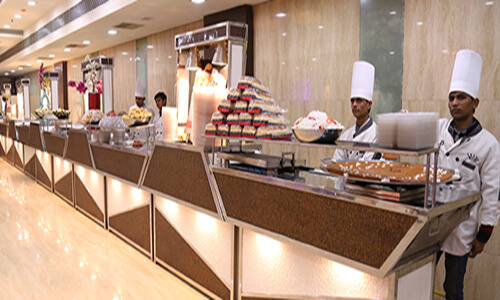
We have a specialized team of highly trained and experienced managers all from 5 stars, captains and other staff and they look after all of the needs of the guests. Our staff is dedicated, polite, courteous, neat and honest
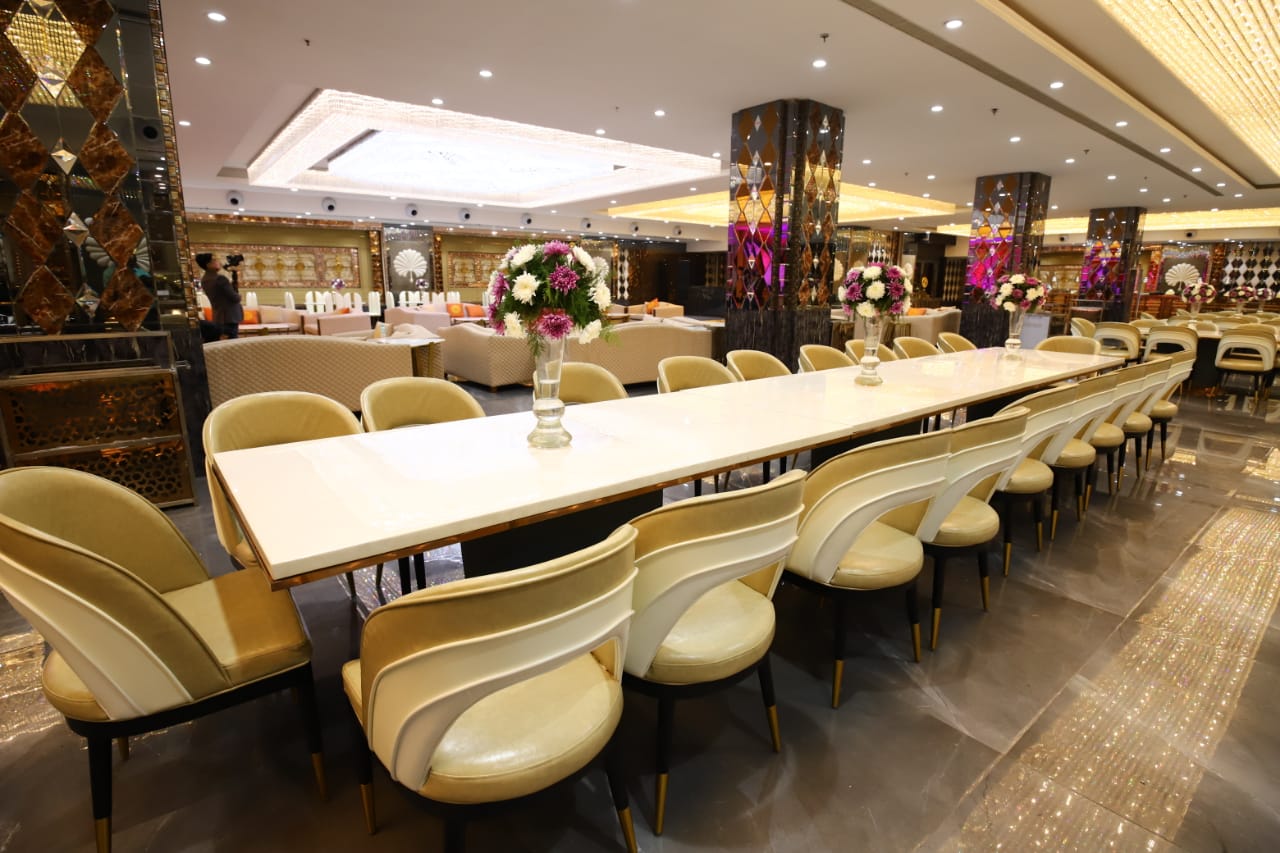
Spacious Elevators and escalated staircase is installed for convenience of our guests. All halls come with Bridle Room with lock for security of belongings of guest. Special Bar Counters

We are serving delicious snacks, some of them have been developed by our expert chefs, and they are our gift to the food industry. We serve full quantity of snacks from start till end of the function.

We provide ´Valet Parking´ facility at no extra cost to you. The cars of our guests shall be parked by our expert Valet parking drivers.

The richness of the ambience can be felt from the Cascading waterfalls, ornamental crystal chandeliers, beautiful Italian marble, light emitting onyx stone and ornate wood work. We have halls large enough to hold parties of 80 to 5000 guests. Beauty of our halls is unmatched in whole of East Delhi.

Our Banquet Halls are centrally Air-Conditioned. We run our AC on generators and hence it never stops and it is very effective in the middle of summer too.