
How to plan a team building activity that fits in a banquet setting
Team building works best when it creates a shared experience rather than simply bringing employees into the same room. In a banquet setting, conversation, food and structured activities can combine in a comfortable indoor environment without requiring extensive outdoor equipment or complicated travel between locations.
A successful programme begins with a clear team objective. Decide whether the session should improve communication, creative problem-solving, decision-making or workplace connection, then design an activity that demonstrates progress in that area. The room layout, meal service, guest profile and available facilities should shape the plan rather than become obstacles the team must work around.
Start with one measurable team outcome
Define what participants should do differently by the end of the activity. For example, a problem-solving challenge might require each group to agree on a decision and explain its reasoning. A communication exercise could ask teams to complete a task in which no single participant holds all the information. A more relaxed objective might be to help colleagues learn something new about one another without forcing personal disclosures.
Choose one primary outcome and avoid combining several unrelated games. A focused activity gives the facilitator a clear purpose, produces useful observations and makes the event easier to evaluate. Assigning mixed working groups in advance can also reduce hierarchy and encourage quieter participants to contribute from the beginning.
Teams travelling from Sydney, Melbourne or Brisbane often appreciate a direct, informal style of collaboration. Many Australian workplaces favour approachable facilitators, visible participation and opportunities for every team member to contribute, so rotating roles and equal speaking time will usually work better than leader-led presentations or competitive individual scoring.
Choose an activity that suits the room
Banquet halls naturally support table-based challenges, facilitated conversations and short simulations. Teams could solve a visual problem using table materials, plan an event within a fixed budget, create a shared message or respond to a realistic business scenario. Movement stations are another option when the venue offers enough space for participants to rotate between activities.
Build the programme around 20- to 30-minute rounds rather than one long exercise. Short blocks maintain energy, allow facilitators to adjust the pace and provide natural transition points for refreshments. Any physical option should remain optional, with seated alternatives available for colleagues who prefer not to join high-energy activities.
A simple schedule might include a welcome drink, a short team challenge, a seated meal, a collaborative exercise and a facilitated debrief. This structure gives people time to settle in without stretching the activity into an exhausting full-day event. It also allows the hospitality team to serve food at predictable intervals rather than interrupting important conversations.
Build participation into the programme
Activities work better when the instructions feel clear and the pressure feels low. Explain the task, available materials, judging criteria and expected timing before each round. Invite questions during the briefing, but keep the activity itself focused so that teams experience a genuine decision-making challenge.
Consider language, accessibility, experience and personality differences when forming groups. Australian teams are often culturally diverse, and some participants may be more comfortable observing before contributing. Pairing people carefully, using written prompts and allowing short individual thinking time can prevent the fastest or loudest voices from controlling the outcome.
Keep the debrief as important as the activity. Ask each group to explain the approach they chose, where communication broke down and what helped them reach a decision. The facilitator can connect these observations to everyday work without turning the session into a lecture or singling out individual employees.
Coordinate food, timing and guest comfort
Food can support collaboration, but the main meal should not compete with the most important exercise. Short prompts, table cards or shared tasting prompts can encourage conversation between courses, while a substantial challenge works better before lunch when participants are alert and not distracted by hunger.
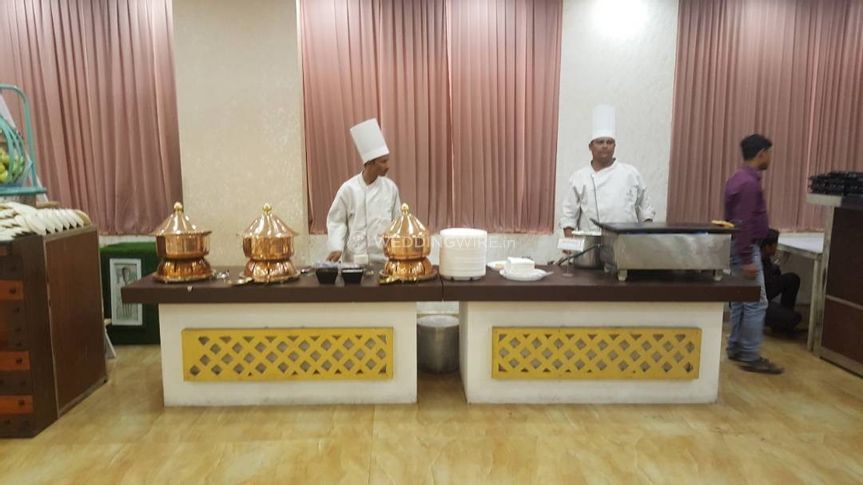
Pearl Grand Banana Tree provides vegetarian multi-cuisine catering, event arrangements, décor and experienced hospitality staff. Guests can review the available spaces and services through Pearl Grand Banana Tree before finalising the guest count, menu and room configuration. The venue’s location near Kaushambi Metro Station and Pacific Mall also simplifies arrival and departure options in Sahibabad.
For visitors from Australia, allow for jet lag and the time difference rather than scheduling the most demanding activity immediately after a long-haul arrival. Ghaziabad’s climate can be hot and humid, particularly around summer and the monsoon period, making a well-ventilated indoor programme a comfortable choice. Confirm dietary requirements, including vegetarian, vegan, gluten-free and other specific needs, as well as allergen information and accessible facilities.
A practical planning checklist
A concise checklist protects the flow of the event and keeps last-minute decisions from reaching the room. It also helps Australian corporate buyers compare inclusions clearly, since the local events market often expects transparent catering, audiovisual, staffing and cancellation details.
- Set one observable team outcome and identify what successful performance looks like.
- Confirm room capacity, furniture layout, power points, audiovisual support and load-in access.
- Agree on menu timing, dietary labels, allergy procedures and refreshment service with the venue.
- Form balanced participant groups and send a short pre-event briefing with the dress code.
- Allow a ten-minute buffer for late arrivals, transitions and minor technical delays.
- Appoint a facilitator and a separate note-taker so event staff can concentrate on hospitality.
- Request a written quote showing taxes, service charges, décor, staffing and cancellation terms.
Complete a final walk-through with the venue manager and facilitator. Check that tables support group work, microphones reach every discussion area, lighting remains comfortable and the meal service will not interrupt the activity. Give both teams a shared run sheet with contact numbers, timings and clear responsibilities for the day.
Measure the shift and carry it forward
Evaluate the session with a short pulse check before guests leave. A few questions about clarity, participation and usefulness can reveal whether the activity met its objective, while the facilitator can note how teams communicated and handled disagreements. These observations are more valuable than a staged applause or a generic satisfaction score.
The practical takeaway is simple: one purposeful challenge, one unhurried meal and one named team commitment will create more value than a crowded schedule built around novelty.
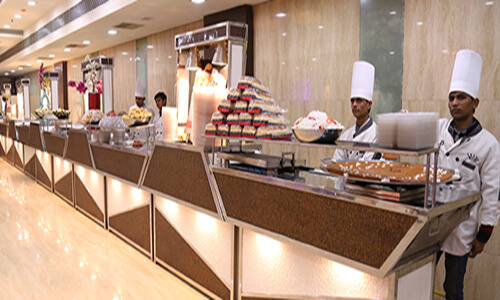
We have a specialized team of highly trained and experienced managers all from 5 stars, captains and other staff and they look after all of the needs of the guests. Our staff is dedicated, polite, courteous, neat and honest
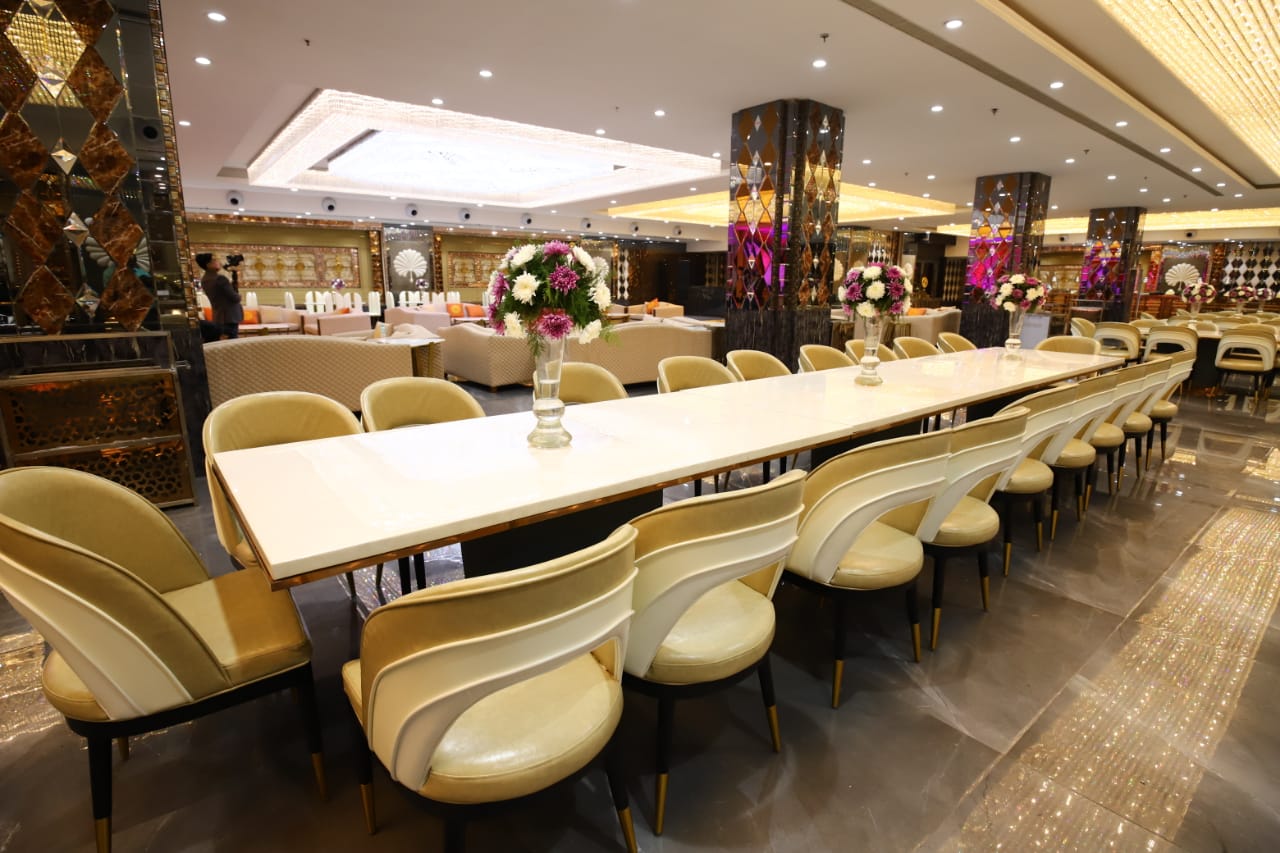
Spacious Elevators and escalated staircase is installed for convenience of our guests. All halls come with Bridle Room with lock for security of belongings of guest. Special Bar Counters

We are serving delicious snacks, some of them have been developed by our expert chefs, and they are our gift to the food industry. We serve full quantity of snacks from start till end of the function.
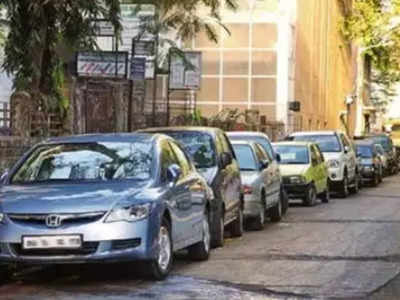
We provide ´Valet Parking´ facility at no extra cost to you. The cars of our guests shall be parked by our expert Valet parking drivers.

The richness of the ambience can be felt from the Cascading waterfalls, ornamental crystal chandeliers, beautiful Italian marble, light emitting onyx stone and ornate wood work. We have halls large enough to hold parties of 80 to 5000 guests. Beauty of our halls is unmatched in whole of East Delhi.
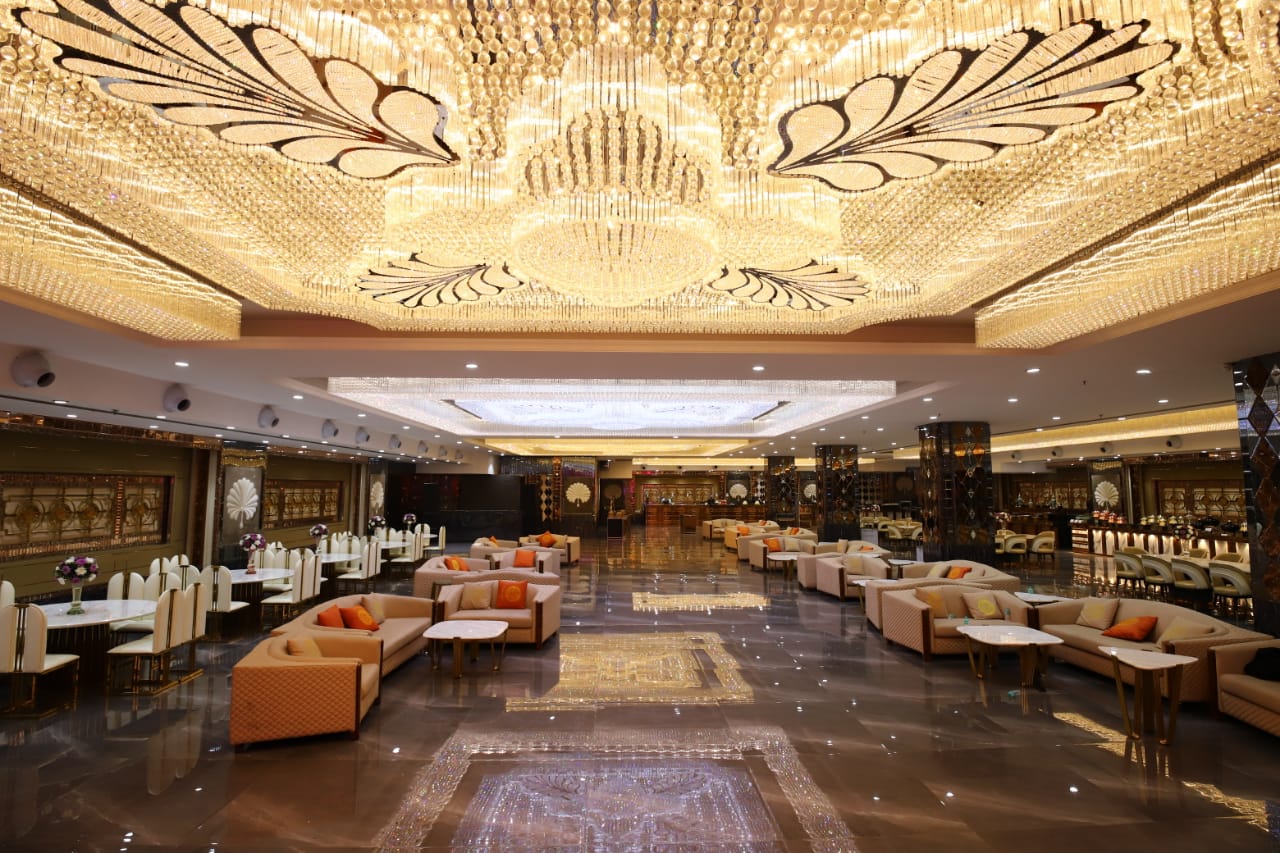
Our Banquet Halls are centrally Air-Conditioned. We run our AC on generators and hence it never stops and it is very effective in the middle of summer too.