
How to Schedule Speeches and Performances Without Overlapping
Overlapping moments usually begin when speeches, music and performances are booked as separate items rather than as one sequence. A guest may be summoned to dinner while a keynote continues, or two emcees may cue the same act. One master schedule prevents these collisions.
At a banquet hall such as Pearl Grand Banana Tree in Sahibabad, Ghaziabad, the program may combine mehndi or sangeet events, a reception, vegetarian multi-cuisine dining, décor and live entertainment. The large-group venue near Kaushambi Metro Station and Pacific Mall relies on coordinated event arrangements and experienced hospitality staff, making a shared run sheet essential.
Australian celebrations add another layer. Indian-Australian weddings in Sydney, Melbourne, Brisbane and Perth often move from mehndi or sangeet to a civil ceremony, formal speeches and dinner. Saturday evenings are especially popular, while daylight saving, amplified-sound rules and the availability of freelance MCs and AV technicians can affect the workable schedule.
The practical answer is to work backwards from fixed points, assign an owner to every segment and build visible buffers around food service and technical cues. Treat the plan as a live operating document, not a decorative agenda.
Start with the event journey
Begin with the guest journey rather than a list of performers. Mark when guests arrive, when the ceremony or welcome begins, when food is served and when the formal program should be complete. Include cultural rituals, photography pauses and room transitions, especially during sangeet, mehndi and reception entrances.
Anchor times to practical Australian conditions. A 4:30 p.m. Saturday ceremony followed by sunset drinks works differently in Sydney or Melbourne during daylight saving than in Brisbane or Perth, which do not observe it. Confirm ceremony and sunset times before locking the dinner speeches.
Build one master timeline
List every segment in the order it will happen, including welcome drinks, entrances, speeches, performances, cake cutting, award presentations and background music. Add a start time, expected duration and finish time for each item. This becomes the master schedule from which catering, décor and technical teams can work.
Give each item a status: confirmed, awaiting details or on standby. A traditional welcome speech may need more time than a five-minute thank-you, while a dance performance may require stage access, lighting changes and a sound check. Unknown durations should receive a generous allowance rather than an optimistic estimate.
Compare common program shapes
Different celebrations need different pacing. Use these sequences as starting points, then adjust them for guest numbers, cultural customs and the venue’s room layout.
| Event format | Suggested sequence | Changeover buffer | Main timing risk |
|---|---|---|---|
| Civil wedding | Ceremony, photographs, welcome drinks, dinner, speeches, first dance | 10 minutes | Speeches begin before late guests arrive |
| Sangeet reception | Welcome, music, performances, MC links, dinner | 8 minutes between acts | Host commentary runs into a performance |
| Corporate function | Registration, meal, keynote, awards, networking | 5 minutes after the keynote | Award roster clashes with guest departures |
| Birthday or anniversary | Welcome, meal, cake, speeches, entertainment | 5 minutes before the cake | Cake arrives during a performance |
A buffer is working time, not spare time. Use it for late arrivals, microphone changes, food delays and performers who need a clear route to the stage. When two items share the same room, keep a physical changeover plan as well as the written cue.
Give every segment a clear owner
An emcee or MC should control the running order and announce each transition, but should not be expected to solve every technical problem alone. Assign a stage manager or event coordinator to handle performers, a sound technician to manage sound checks and the catering lead to control meal-service cues.
Before the event, circulate one document showing who introduces each speaker, who brings them to the stage and what plays before they begin. Brief the décor team on when the stage or entrance will be used. This division prevents two hosts from starting an act or a caterer from clearing the room at the wrong moment.
Protect transitions and audience comfort
Leave five to ten minutes between major presentations and longer gaps around food service, cultural performances and room changes. Guests need time to finish eating, find seats and settle after a dance or ceremony. The same buffer gives speakers time to reach the microphone and gives performers a chance to make any final adjustments.
Keep the experience suitable for children, older relatives and guests who may not follow the flow of a bilingual program. Announce upcoming activities in both relevant languages where needed, avoid overlapping announcements and provide clear seating information. For amplified performances in Australia, confirm venue sound limits, operating hours and technician coverage before publishing the timing.
Set rules for speakers and performers
Share the timing expectations with everyone who appears in the program. The event should run smoothly because each participant understands their cue, duration and position in the sequence.
- Confirm each speaker’s exact speaking time and whether a reading, slides or audiovisual presentation is included.
- Give performers a call time, sound-check slot, stage access time and direct contact for the coordinator.
- Send speakers one page containing the preceding cue, their introduction and the following activity.
- Stagger entrances so guests, entertainers and speakers never need to cross the stage together.
- Keep one person authorised to make a live timing change and notify the emcee immediately.
Brief the emcee on pronunciation, cultural references and sensitive subjects, but keep control of the running order. If a performance finishes early, use the spare time for a short thank-you rather than bringing the next segment forward without agreement.
Finalise the shared run sheet
Send the approved schedule to the emcee, venue manager, caterer, décor team, technical crew and event coordinator. Include mobile contacts, room locations, meal-service signals, performance cues and contingency arrangements for delays. Store a printed copy at the venue as well as a mobile version, since internet access and battery levels can be unreliable during busy transitions.
The next concrete step is to create the master run sheet, mark the start and finish of every item, obtain confirmation from each participant and issue the final version to the emcee, venue manager, caterer, décor team and technical crew by 10:00 a.m. on the day.
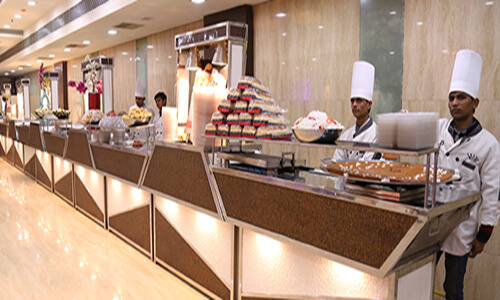
We have a specialized team of highly trained and experienced managers all from 5 stars, captains and other staff and they look after all of the needs of the guests. Our staff is dedicated, polite, courteous, neat and honest
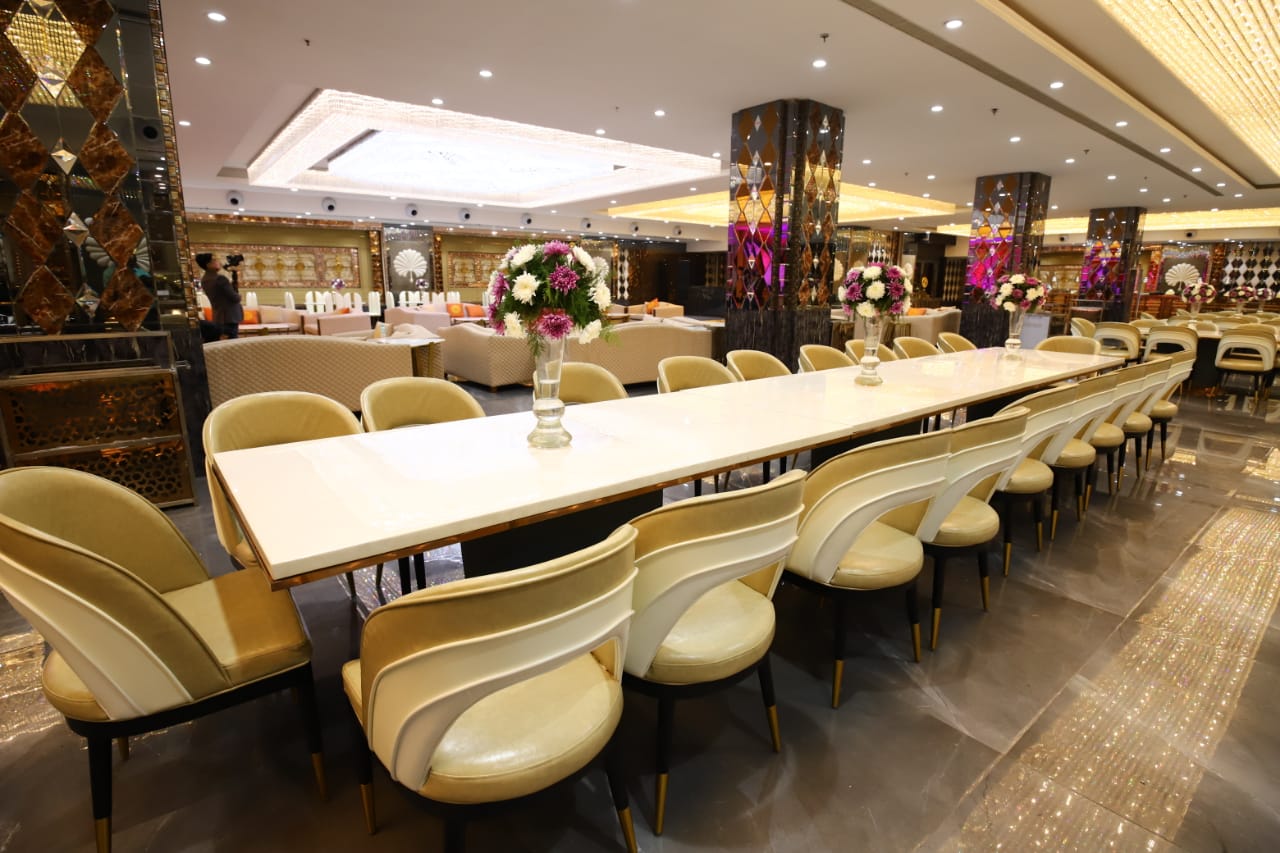
Spacious Elevators and escalated staircase is installed for convenience of our guests. All halls come with Bridle Room with lock for security of belongings of guest. Special Bar Counters

We are serving delicious snacks, some of them have been developed by our expert chefs, and they are our gift to the food industry. We serve full quantity of snacks from start till end of the function.
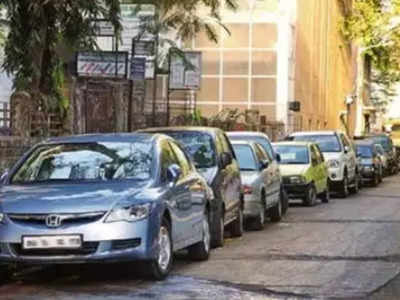
We provide ´Valet Parking´ facility at no extra cost to you. The cars of our guests shall be parked by our expert Valet parking drivers.

The richness of the ambience can be felt from the Cascading waterfalls, ornamental crystal chandeliers, beautiful Italian marble, light emitting onyx stone and ornate wood work. We have halls large enough to hold parties of 80 to 5000 guests. Beauty of our halls is unmatched in whole of East Delhi.
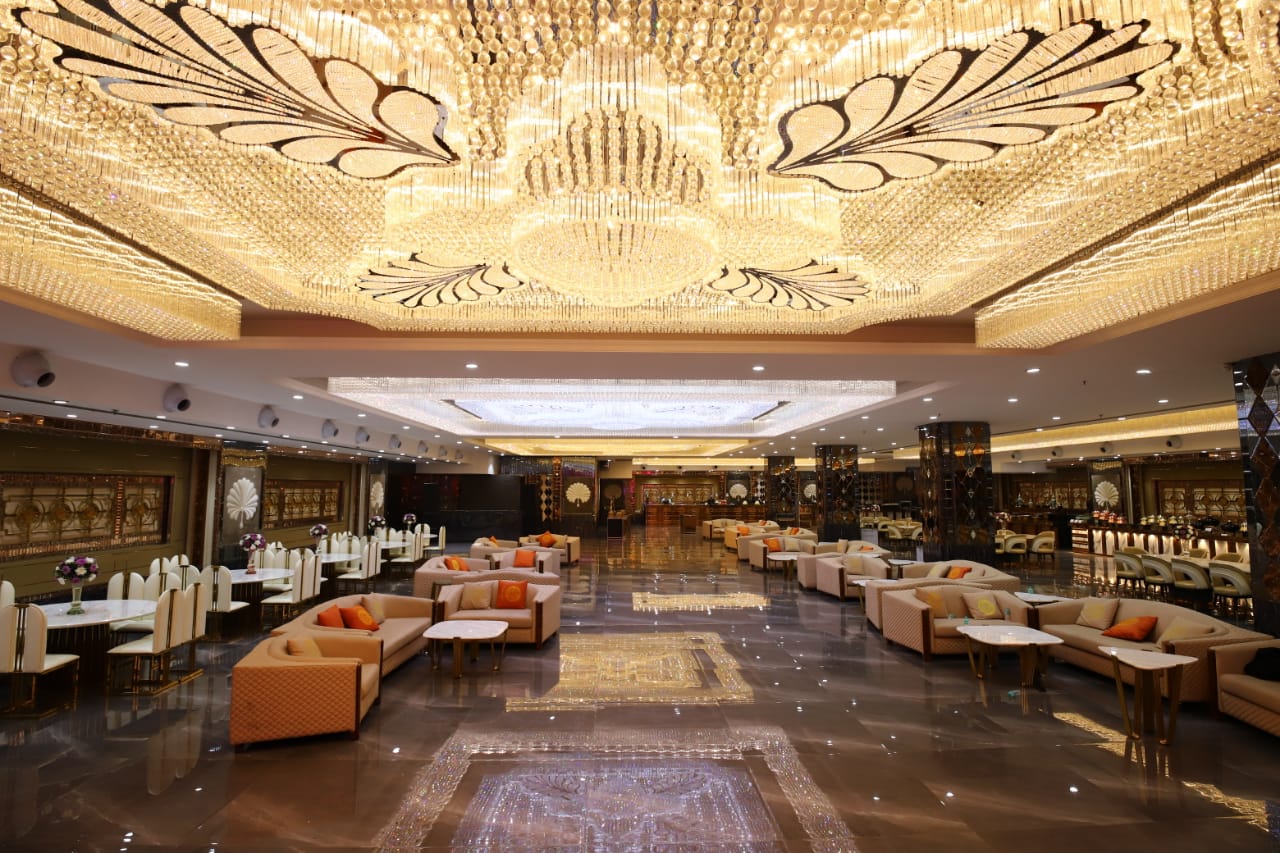
Our Banquet Halls are centrally Air-Conditioned. We run our AC on generators and hence it never stops and it is very effective in the middle of summer too.