
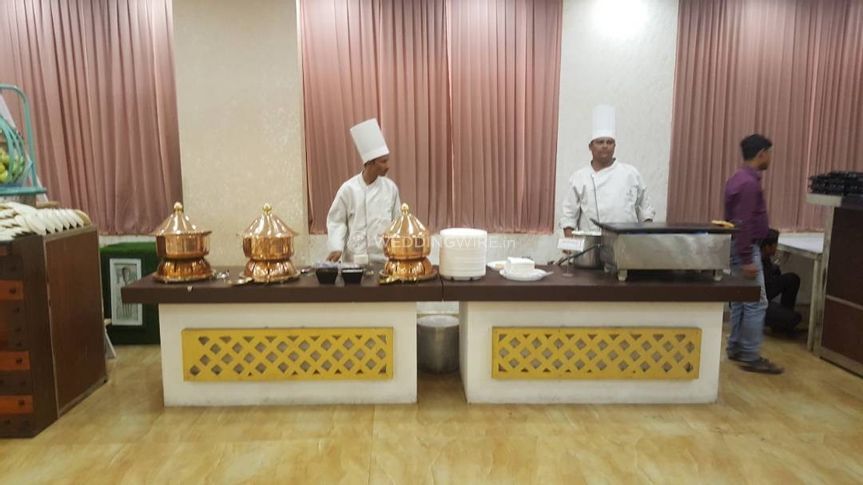
Running a Live Band Through Our In-House Sound Setup
Hosting a wedding, anniversary or corporate evening with live music adds a layer of energy that recorded playlists can rarely match. At our banquet hall in Sahibabad, the audio infrastructure is already built into the space, so bands don't need to ship in bulky PA stacks or struggle with unfamiliar rooms. The system is calibrated for the hall's acoustics and supported by an experienced in-house technical team, which makes the whole process much smoother for performers and organisers alike.
For couples flying in from Sydney, Brisbane or Perth for a destination event, understanding how the venue's sound system works reduces the guesswork on the day. It also helps local planners coordinate seamlessly with bands who may never have played in this hall before. Knowing what is provided, what to bring and how to communicate with the venue's audio crew transforms the performance from a tense gamble into a polished highlight of the evening.
What Our In-House Audio Rig Includes
The hall is fitted with a front-of-house mixing desk, a pair of main PA speakers flown to suit the room's dimensions, stage monitor wedges, and a patch bay that handles microphones, instrument lines and playback devices. Standard dynamic and condenser microphones are kept on-site, along with DI boxes for acoustic instruments, keyboard patches and a small drum mic package. Multi-pin stage looms carry signals between the stage and the mix position at the rear of the hall, keeping cable runs tidy and trip-free.
For a band used to playing pubs around Chapel Street in Melbourne or intimate venues across Newtown, the rig feels familiar and a little more generous than expected. Cabling, mic stands, music stands and basic stage lighting are part of the package, which means bands arrive with their instruments and nothing else in the heaviest cases. Any extra gear, such as wireless instrument systems or specialty microphones, can be arranged through the venue with advance notice.
Sharing Your Band's Tech Rider Early
A clear tech rider sent two to four weeks before the event lets the venue confirm availability of specific channels, monitor mixes and power outlets. Bands should list the number of inputs they need, stage positions, any click tracks, backing tracks or in-ear preferences, and whether the drummer requires a sub-shaker or shield. When the rider arrives early, the audio team can pre-label the stage box and have stands, mics and DI boxes waiting in the right places.
This step matters even more for international line-ups, whether the musicians travelled from Adelaide's jazz circuit or were booked locally. The earlier the rider is shared through the venue's event coordinator on https://pearlgrandbananatree.com/, the less time is spent sorting logistics on the day. Riders that arrive on the morning of the show tend to cause delays that ripple into the catering service and the photography timeline.
Power, Cabling and Stage Layout Basics
Stage power at the venue runs through dedicated circuits designed to handle amplifier loads without dimming the lights during a heavy chorus. Guitarists and bassists should plan for at least two grounded outlets per position, and keyboard players need clean power for digital stages with multiple pedals. A simple sketch showing where each musician stands, the direction the vocalist faces and where monitors sit helps the on-site crew match the floor plan to the patch list.
A useful checklist during setup:
- Confirm mains power is on and grounded before plugging in amplifiers.
- Run instrument cables along the back line, away from vocalist foot traffic.
- Place monitor wedges at ear height, pointed away from nearby mics.
- Secure any loose cabling with gaffer tape to avoid stage-trip hazards.
- Keep a spare set of batteries and picks within reach of every musician.
Bands touring across regional Australia often carry their own power boards, and bringing one is sensible even when the venue supplies clean power. It cuts setup time if a socket fails and keeps a tidy stage during long sets.
Running a Proper Sound Check
A real sound check, not just a quick strum and a count-in, takes roughly twenty to thirty minutes for a five-piece act. The crew starts by ringing out each channel, setting phantom power on condenser mics and muting unused inputs to keep the mix clean. Drums are usually miked first because they bleed into every other channel, followed by bass, guitars, keys and finally vocals and backing singers.
Each musician should then request their own monitor mix, singing or playing the loudest passage they expect to perform so the engineer can set realistic levels. Bands familiar with rehearsal rooms in Surry Hills or Fortitude Valley know the value of this step; skipping it on stage leads to muddy vocalists turning up their wedges, which then spill into the front-of-house mix. The engineer should run a song from start to finish at performance volume before clearing the band for a short break.
Mixing Levels for a Balanced Performance
During the show, the front-of-house engineer watches the room and adjusts as the crowd fills in and absorbs sound. Early in the set, the room often sounds brighter and louder than it will later, so a small reduction in master volume prevents the ears of the first three rows from tiring out. Vocals usually sit gently above the band to keep lyrics intelligible, especially during the first dance or speeches later in the evening.
Handy levels to keep an eye on during a live band performance:
- Lead vocal just above the rhythm instruments so lyrics stay clear.
- Drums balanced evenly across kick, snare and overheads.
- Bass thick but never booming into the low-frequency feedback zone.
- Keys and guitars panned to match the stage layout, not piled into one channel.
- Backing vocals wide enough to surround, never louder than the lead.
If the band plays anything from country ballads favoured at rural Victorian celebrations to high-energy rock sets, the engineer should be told about the dynamics in advance. That way, quieter numbers do not vanish and louder ones do not clip the system.
Handling Common Live Band Challenges
Feedback from stage monitors is the most common issue, usually solved by repositioning wedges or pulling the offending fader down a few decibels. Hum from ground loops can appear when guitarists use signal chains from different power phases, cured by plugging all amps into the same power strip. Wireless mic dropouts, when the band uses them, often point to antenna placement, which can be relocated before the next song.
Crowd noise is another factor the engineer accounts for, since guests often cheer loudly through both happy and slow numbers. Australian touring acts used to rooms at the Sydney Opera House may find the enthusiastic response surprising, but the engineer simply nudges levels a touch higher to keep the band on top. Communication between the band and the mix position throughout the night keeps small issues from growing into mid-set interruptions.
Wrapping Up the Night the Right Way
Once the final song ends, the crew powers down amplifiers first, then mixing consoles and signal processors, in reverse order of setup. Bands should gather personal gear quickly so the venue team can reset the hall for the next day's setup, particularly when the next morning brings a haldi ceremony or a corporate breakfast. A short debrief with the audio engineer helps document any quirks for future reference.
The thing worth remembering is that a great live band performance depends less on having exotic gear and more on preparation, communication and trust between the musicians and the venue's audio team. With the system already in place and a clear rider shared in advance, the music becomes what guests remember long after the decorations come down.
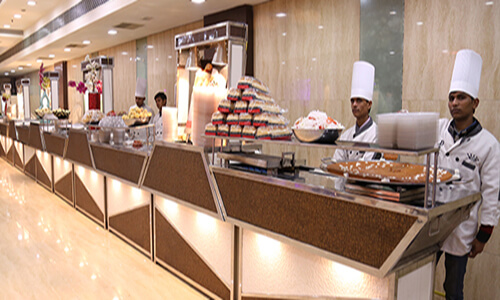
We have a specialized team of highly trained and experienced managers all from 5 stars, captains and other staff and they look after all of the needs of the guests. Our staff is dedicated, polite, courteous, neat and honest
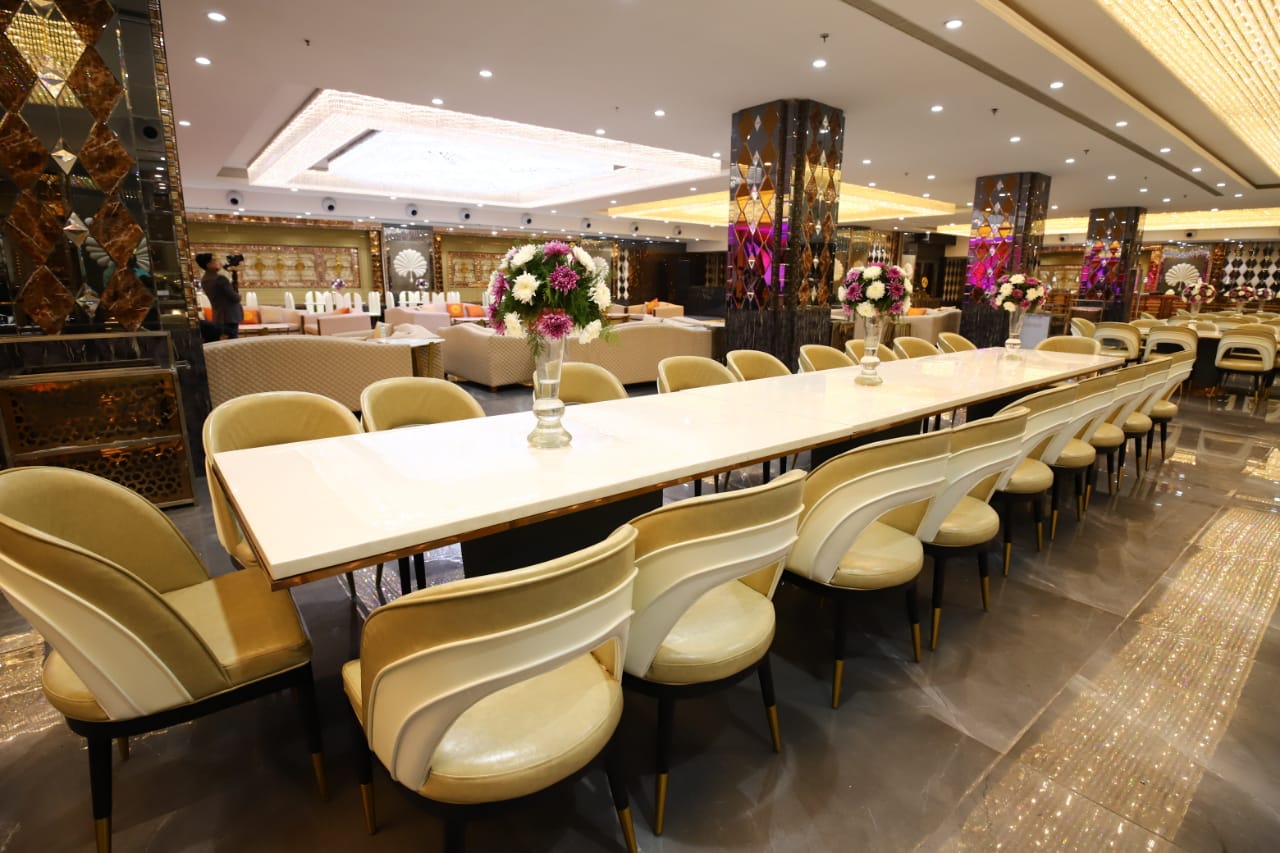
Spacious Elevators and escalated staircase is installed for convenience of our guests. All halls come with Bridle Room with lock for security of belongings of guest. Special Bar Counters

We are serving delicious snacks, some of them have been developed by our expert chefs, and they are our gift to the food industry. We serve full quantity of snacks from start till end of the function.

We provide ´Valet Parking´ facility at no extra cost to you. The cars of our guests shall be parked by our expert Valet parking drivers.

The richness of the ambience can be felt from the Cascading waterfalls, ornamental crystal chandeliers, beautiful Italian marble, light emitting onyx stone and ornate wood work. We have halls large enough to hold parties of 80 to 5000 guests. Beauty of our halls is unmatched in whole of East Delhi.
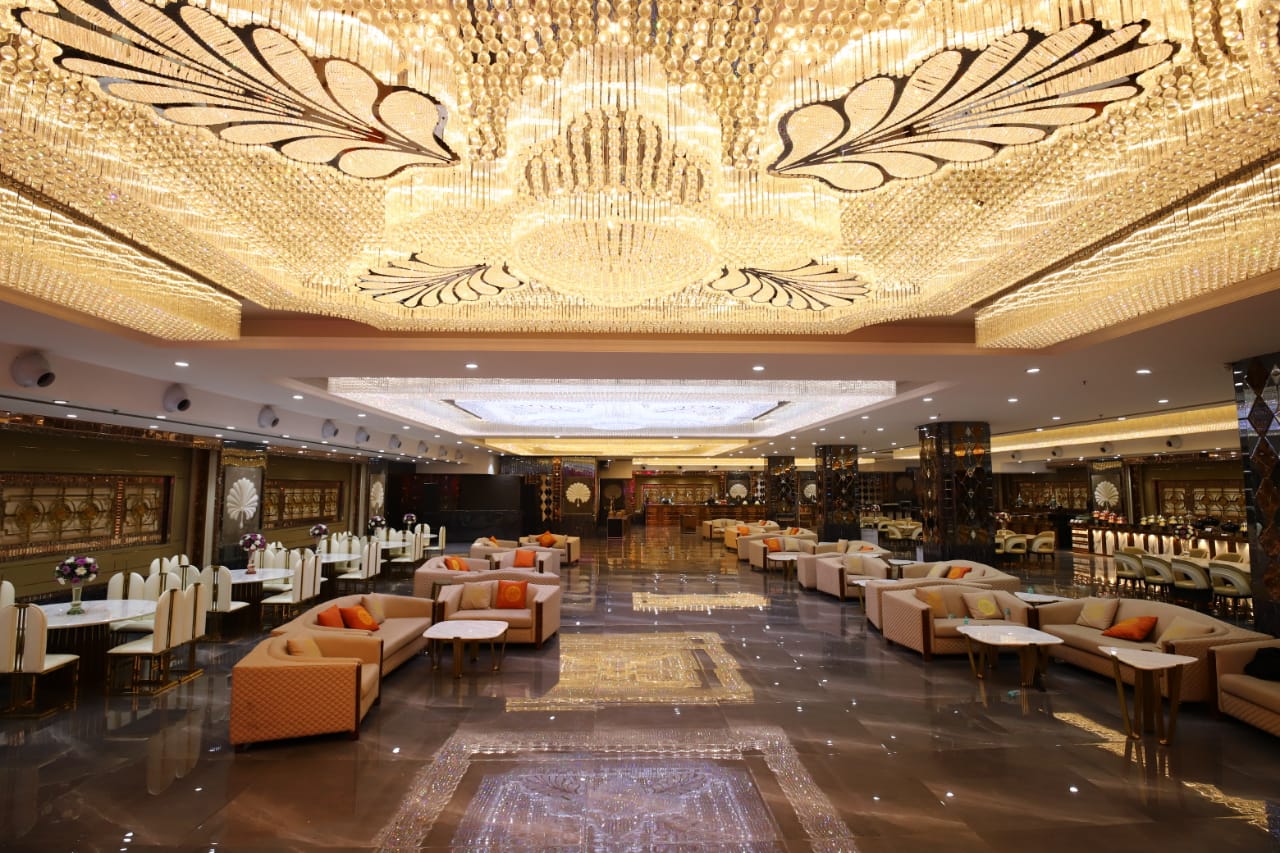
Our Banquet Halls are centrally Air-Conditioned. We run our AC on generators and hence it never stops and it is very effective in the middle of summer too.