
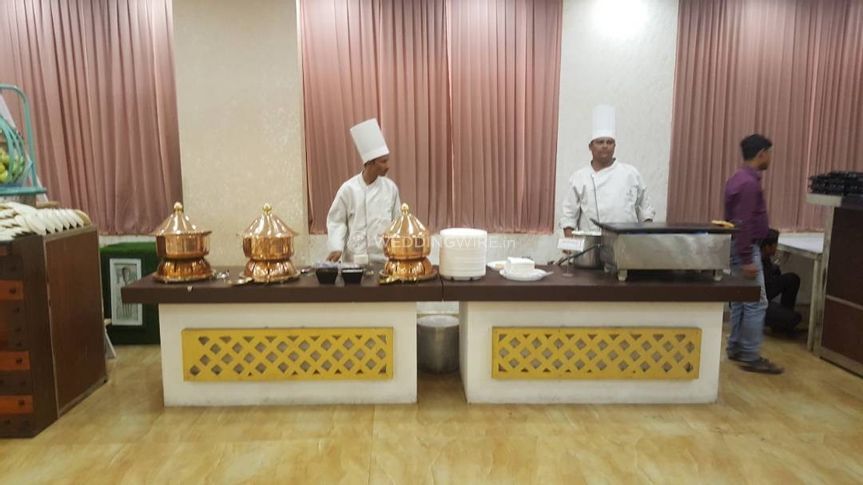
How to Host a Community Festival at Pearl Grand Banana Tree
A community festival needs more than a decorated hall. It needs a clear flow between food stalls, activity areas, stage performances and quieter spaces where families can pause. Pearl Grand Banana Tree in Sahibabad, Ghaziabad, offers a practical setting for bringing these elements together, with event arrangements, décor, vegetarian multi-cuisine catering and experienced hospitality staff.
For organisers in Australia planning a cultural, school, business or neighbourhood gathering in the Delhi NCR region, the venue can provide a polished indoor base with room for large groups. Its location near Kaushambi Metro Station and Pacific Mall also makes it easier to plan arrival details for guests who may be travelling from different parts of Ghaziabad, Delhi or Noida.
| Festival format | Main advantage | Planning point | Suitable use |
|---|---|---|---|
| Indoor market with stage | Easy movement between stalls and performances | Keep sound away from food service points | Cultural and neighbourhood festivals |
| Seated cultural programme | Comfortable viewing for guests | Fewer opportunities for browsing | School, association or heritage events |
| Food-led community gathering | Strong social atmosphere | Allow space for queues and dietary signs | Family and regional food celebrations |
| Corporate community day | Professional guest management | Use branded zones and timed activities | Staff, clients and partner events |
Design A Festival Layout That Feels Natural
Start by dividing the venue into four functional zones: welcome and registration, stalls, dining, and performances. The entrance should offer a visible welcome desk without creating a bottleneck. Place popular stalls along the sides of the main circulation route, leaving enough width for prams, older guests and groups moving together.
The performance area should be easy to see without forcing every visitor to sit through the programme. A raised stage or clearly marked presentation zone can host music, dance, community speeches, children’s acts and cultural demonstrations. Keep cables, speaker stands and backstage access away from guest pathways, and ask the venue team to help coordinate the room layout.
A festival held on a Saturday or Sunday may attract families who follow familiar Australian habits such as arriving around lunch, using digital payments and looking for clear accessibility information. A simple printed map, QR schedule and signs in the main community languages can make the experience more comfortable for guests from Melbourne, Sydney, Brisbane or local Indian communities.
Build A Programme Around Community Participation
Performances should give the festival a rhythm rather than filling every minute with amplified sound. Alternate high-energy items with short demonstrations, introductions or quieter activities. A local dance group, school choir, folk musicians, youth performers and community speakers can create a varied programme without requiring a large production budget.
Use a timed running sheet that includes sound checks, guest arrivals, meal service and changeovers. Announce the next performance from the stage and display the schedule near the entrance. If the audience includes children, allow space for family activities that do not depend on the main programme.
A community festival with stalls and performances works best when the stalls remain active during selected stage intervals. This encourages visitors to browse, taste food and meet exhibitors instead of concentrating all movement in one part of the event.
Plan Food Stalls For Speed And Variety
Pearl Grand Banana Tree’s vegetarian multi-cuisine catering can form the foundation of the food offering. Organisers can discuss whether the menu should be served from coordinated counters, individual themed stations or a combination of plated meals and tasting portions. Regional Indian dishes, light snacks, sweets and familiar international options can suit a broad audience.
Use clear labels for ingredients, spice levels and common allergens. Australian visitors are increasingly familiar with allergen information, dietary preferences and cashless ordering, while local guests may expect generous portions and quick service. Confirm how vegetarian, vegan, Jain-friendly or gluten-aware choices will be identified before finalising the menu.
Helpful food-service details include:
- Separate queues for meals, snacks and beverages
- Visible signs showing prices, ingredients and serving sizes
- QR, card and cash payment options where available
- Covered bins positioned beside, rather than behind, food stalls
- A small staff area for replenishment and cleaning supplies
Keep food stalls away from the stage speakers so conversations and ordering remain comfortable. The hospitality team can help maintain presentation, clear used plates and replenish service points during busy periods. If any external vendors are invited, confirm their preparation standards, equipment needs and responsibilities in writing.
Use Décor To Create A Recognisable Festival Identity
Décor can turn a banquet hall into a market street, cultural fair or neighbourhood celebration without blocking sightlines. Choose one visual theme and repeat it through entry signage, tablecloths, stall boards, stage graphics and directional signs. Colours inspired by the community, school, association or corporate host can give the event a consistent identity.
A welcome installation near the entrance creates an immediate photo point, while fabric backdrops, floral details and warm lighting can define the performance area. Décor should remain practical: avoid loose floor pieces, fragile displays in busy routes and tall installations that obstruct emergency access.
For an Australian-facing event, bilingual or plain-English signage may be especially useful. Visitors accustomed to clear council-event signs, accessible venue information and orderly queue markers will appreciate the same clarity at a festival in Sahibabad. Confirm the available lighting, sound, tables, chairs and display boards with the venue before contracting additional suppliers.
Protect Guest Comfort And Event Safety
Safety planning should begin with a walk-through involving the organiser, venue manager, caterer and production team. Review entry and exit routes, electrical connections, stage access, first-aid arrangements, cleaning coverage and procedures for a lost child or separated family member.
Australian organisers may be familiar with council approvals, public-liability insurance, accessibility expectations and responsible service requirements under state or territory rules. Those rules do not automatically apply to an event in Uttar Pradesh, so permissions for the actual venue, food service, amplified sound, fire safety and temporary installations should be checked with Pearl Grand Banana Tree and the relevant local authorities.
A practical safety checklist includes:
- Keep emergency routes, doors and service corridors unobstructed
- Provide seating for older guests and people who need regular breaks
- Mark wet areas, steps, cables and staff-only zones
- Assign named contacts for first aid, security and venue coordination
- Prepare an indoor response plan for heat, rain or transport delays
If alcohol is part of the event, establish the applicable local permissions and service controls before promotion. If tickets or packages are sold to Australian customers, present prices, inclusions, cancellation terms and refund conditions clearly, with Australian Consumer Law considerations in mind for transactions made in Australia.
Coordinate The Budget, Promotion And Festival Day
Break the budget into venue hire, catering, décor, sound and lighting, performers, signage, staffing, security, photography and contingency funds. A package that combines catering, décor and hospitality may reduce the number of suppliers the organiser must manage. Ask for a written schedule of inclusions, overtime rates, payment milestones and charges for additional equipment.
Promotion should begin with a simple message explaining who the festival is for, what guests can see and eat, the location, timings and booking process. Share the event through community associations, schools, cultural groups, business networks and social channels. Mention the proximity to Kaushambi Metro Station and Pacific Mall, while providing practical transport and parking information.
On the day, appoint one festival coordinator, one venue liaison and one stage manager. Give each stallholder a setup time, unloading instruction and contact number. The coordinator should use a printed or digital run sheet to track arrivals, performances, food replenishment, cleaning and closing tasks.
The most reliable approach is to treat the event as three connected experiences: a well-signposted market, a comfortable cultural programme and a professionally managed banquet service. At Pearl Grand Banana Tree, confirm the floor plan, menu, décor, technical setup and local compliance requirements in one coordinated planning meeting, then use that agreed plan as the working guide for the festival day.
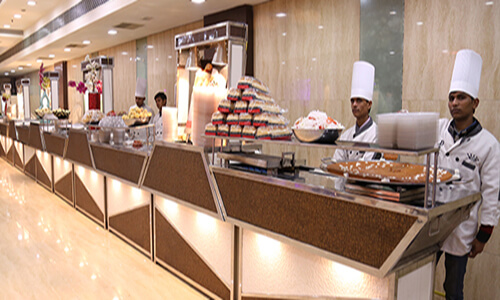
We have a specialized team of highly trained and experienced managers all from 5 stars, captains and other staff and they look after all of the needs of the guests. Our staff is dedicated, polite, courteous, neat and honest
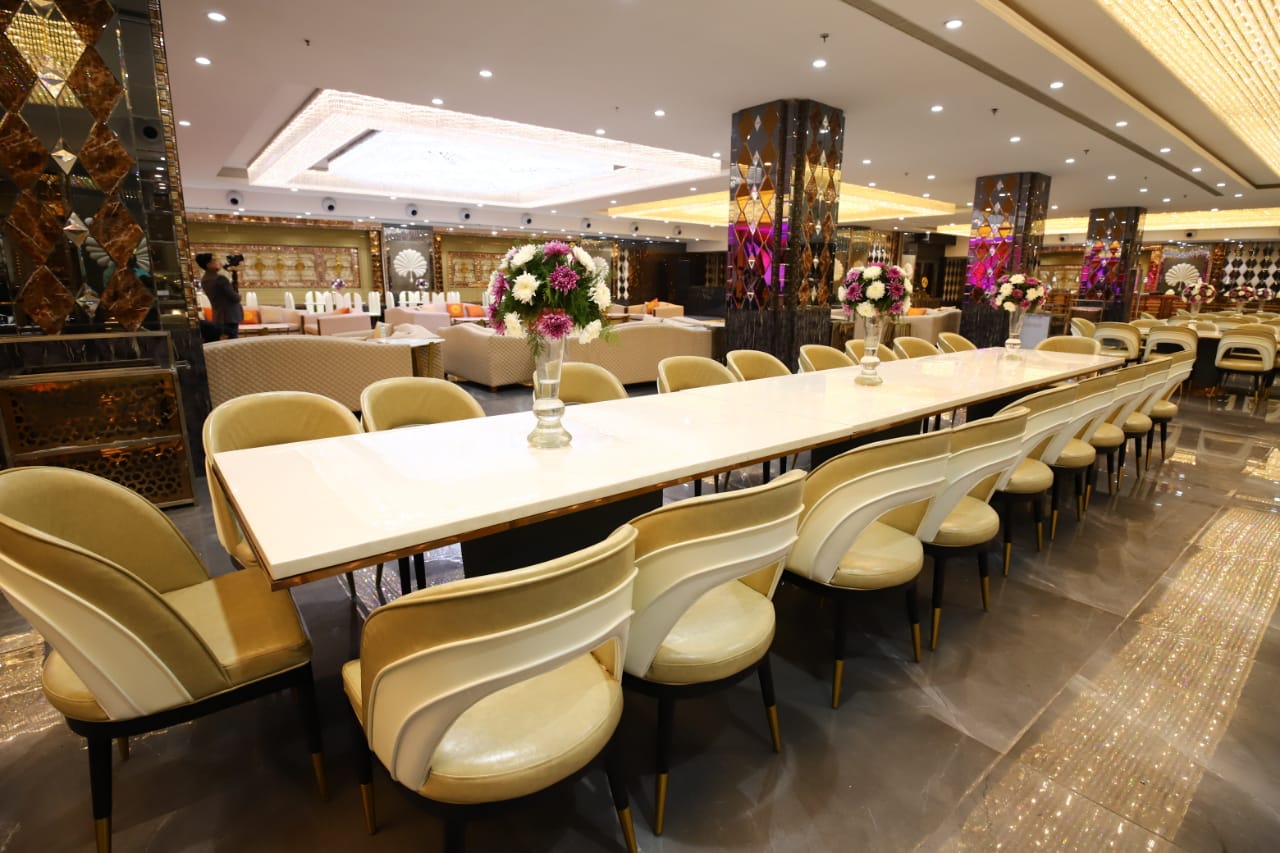
Spacious Elevators and escalated staircase is installed for convenience of our guests. All halls come with Bridle Room with lock for security of belongings of guest. Special Bar Counters

We are serving delicious snacks, some of them have been developed by our expert chefs, and they are our gift to the food industry. We serve full quantity of snacks from start till end of the function.
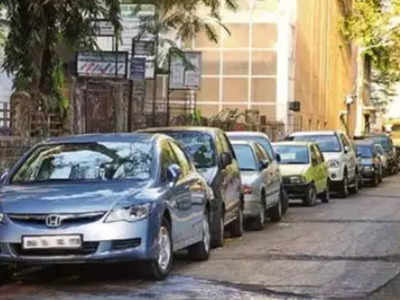
We provide ´Valet Parking´ facility at no extra cost to you. The cars of our guests shall be parked by our expert Valet parking drivers.

The richness of the ambience can be felt from the Cascading waterfalls, ornamental crystal chandeliers, beautiful Italian marble, light emitting onyx stone and ornate wood work. We have halls large enough to hold parties of 80 to 5000 guests. Beauty of our halls is unmatched in whole of East Delhi.
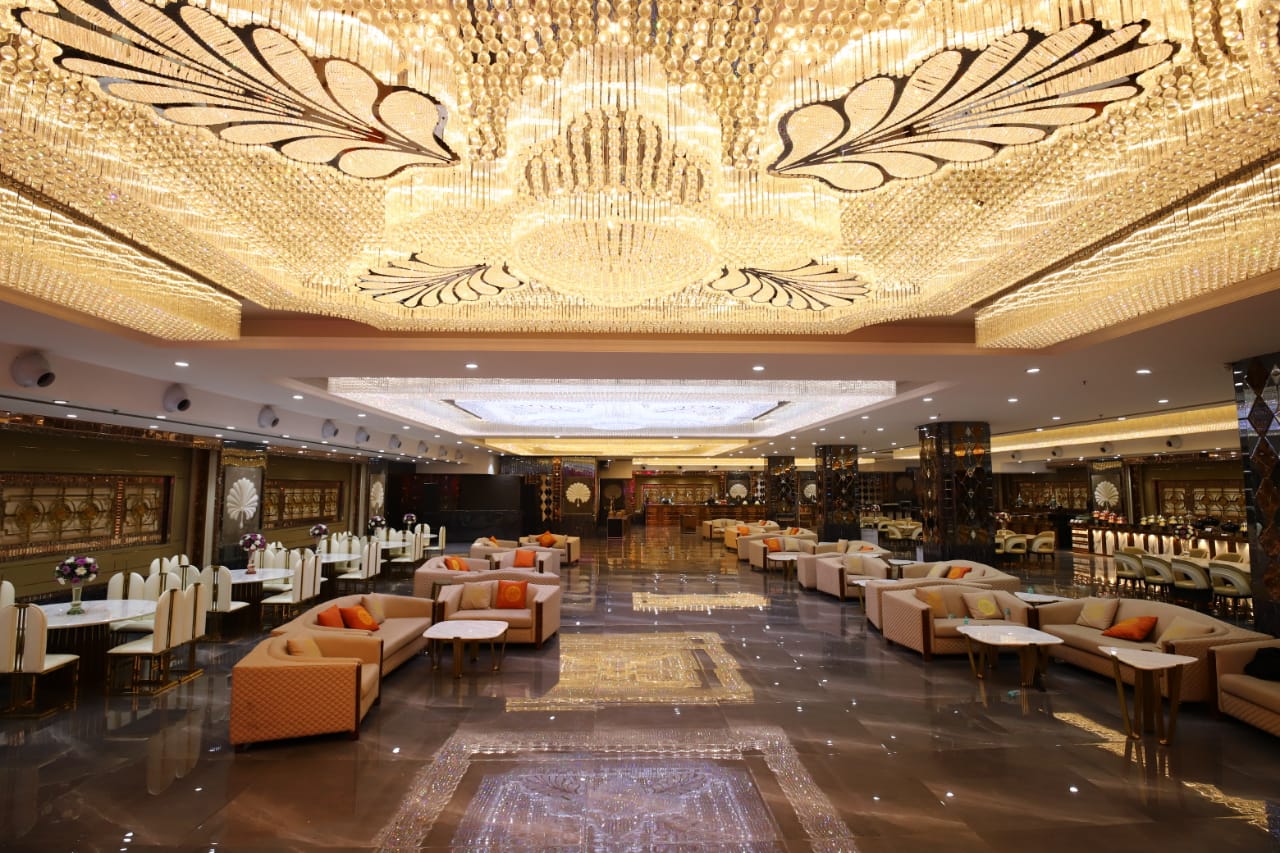
Our Banquet Halls are centrally Air-Conditioned. We run our AC on generators and hence it never stops and it is very effective in the middle of summer too.