
How To Use Pearl Grand Banana Tree For A Community Food Festival
A community food festival needs more than a generous menu. It needs a welcoming layout, an easy arrival experience and enough structure for guests to eat, talk and take part without congestion. Pearl Grand Banana Tree in Sahibabad, Ghaziabad, offers a practical setting for this kind of gathering, with spacious banquet areas, vegetarian multi-cuisine catering, décor support and experienced hospitality staff.
For Australian community groups, Indian associations and families organising a cultural exchange, the venue can bring a familiar market-style atmosphere into a comfortable indoor space. This guide explains how to use our venue for a community food festival, from choosing the format to managing dietary needs, entertainment and guest information.
Choose A Format That Fits
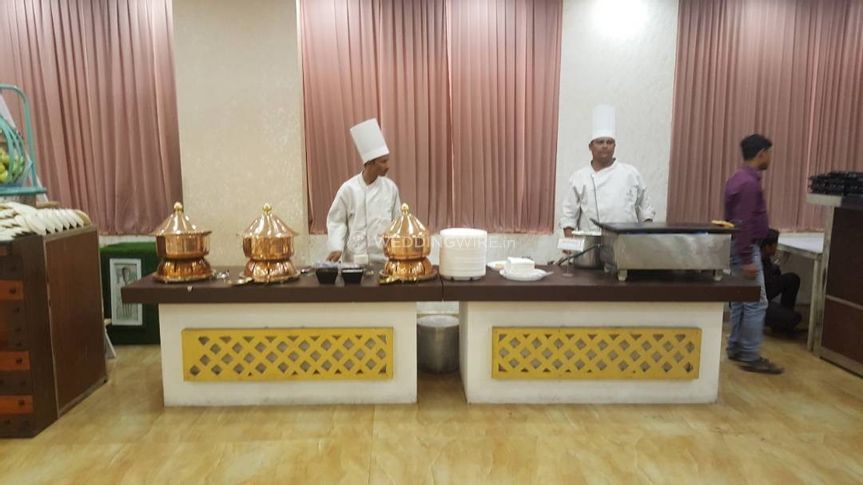
Start by deciding whether the event will feel like a seated banquet, a tasting market or a combination of both. A tasting festival can use several food stations around the room, while a seated format suits a formal fundraiser, association dinner or family celebration. A hybrid plan might offer welcome snacks at stations, followed by shared tables for the main meal.
The venue’s capacity for large groups makes it suitable for neighbourhood associations, school-linked communities, cultural clubs and workplace networks. Keep the guest profile in mind: families may need comfortable seating, older guests may prefer easy access to tables, and younger attendees often enjoy live demonstrations or interactive food counters.
A weekend afternoon can work especially well for Australian visitors, as it matches the common habit of planning community activities around Saturday markets, sport and family commitments. If guests are travelling from Delhi or nearby areas, an earlier start can also help people avoid late-night transport concerns.
Plan The Guest Journey
Map the event from arrival to departure before selecting the décor. Guests should be able to identify registration, food stations, seating, toilets and performance areas quickly. Pearl Grand Banana Tree’s location near Kaushambi Metro Station and Pacific Mall gives organisers useful landmarks when sharing directions with local and visiting guests.
Use separate points for registration and food service so the entrance does not become blocked. A simple welcome desk can distribute name tags, tasting cards or tokens, while volunteers guide guests towards the first serving area. If the festival includes donations, raffles or association memberships, keep payment and information desks away from the main queue.
For an Australian audience, clear digital directions are valuable because people commonly rely on map apps, QR codes and contactless communication when attending unfamiliar venues. Send a short travel note several days before the event, including the nearest metro station, parking guidance, arrival time and accessibility information.
Build A Balanced Food Programme
A vegetarian multi-cuisine menu can give the festival a strong identity while offering variety across regional Indian flavours. Consider dividing the menu into categories such as street-food favourites, North Indian dishes, South Indian specialities, Indo-Chinese options, breads, sweets and refreshing drinks. This makes the experience easier to browse than one long buffet line.
Use smaller tasting portions if the purpose is discovery. Guests can sample more dishes, queues move faster and food waste is easier to control. For a family-focused programme, include mild choices alongside spiced dishes, and make sure children can find familiar items without limiting the overall cultural range.
Food stations can also tell a story. Add short descriptions about ingredients, regional origins and serving traditions. A chef-led demonstration, pickle tasting or dessert counter can give the event a festival atmosphere without requiring a complicated stage programme.
Manage Dietary Needs Safely
Even a vegetarian event must plan carefully for allergies, intolerances and personal preferences. Ask for dietary information during registration and give the catering team a consolidated guest list before the function. Mark dishes clearly for common concerns such as dairy, nuts, gluten, soy and chilli.
Use separate serving utensils and keep allergen information close to each relevant dish. Organisers should review dietary restriction planning with the venue team well before the event, especially if guests have medically diagnosed allergies.
Australian guests may expect transparent food labelling because the Australia New Zealand Food Standards Code sets requirements for allergen declarations in food businesses. If an Australian organisation is involved, use that standard as a useful planning benchmark, while confirming the food safety rules and catering responsibilities that apply at the Sahibabad venue.
Organise Volunteers And Payments
A festival runs more smoothly when every volunteer has a defined role. Brief the team on guest welcome, queue management, table clearing, food replenishment, accessibility assistance and emergency procedures. A short briefing before doors open is usually more useful than relying on informal instructions during the event.
- Assign one lead person to each food station.
- Give volunteers a simple venue map and contact list.
- Keep a quiet seating area available for older guests or families.
- Schedule short breaks so volunteers remain attentive.
Australian visitors are accustomed to EFTPOS, tap-and-go cards and digital receipts, so confirm which payment methods the venue and event stalls can support. If the festival is fundraising, separate event revenue from donations and keep a clear record of cash and electronic payments.
Food safety should be treated as an operational responsibility, not just a menu issue. In Australia, organisers may need to work with their state or territory council and follow local food business requirements; for an event in Uttar Pradesh, the venue and caterer should confirm the applicable Indian permissions, food safety procedures and fire-safety arrangements.
Add Culture Without Creating Clutter
Décor can create a market-inspired setting through colour, signage, fabric, floral arrangements and culturally meaningful displays. Pearl Grand Banana Tree provides event arrangements and décor support, so discuss a visual theme that complements the food rather than competing with it. A regional map, community timeline or display of traditional utensils can make the space more engaging.
Keep performances short and place them where sound will not interfere with conversation or food service. Music, dance, storytelling and cooking demonstrations can be spaced between tasting periods. A stage schedule should include realistic time for performers to enter, set up and leave, particularly when children or community groups are involved.
For Australian community organisations, plan around school holidays and major local events when inviting families from cities such as Sydney, Melbourne, Brisbane or Perth. A printed programme and a digital version are useful for guests who prefer to browse the schedule at their own pace.
Match The Setup To The Event
Before signing off the plan, compare the atmosphere you want with the practical demands of the gathering. A formal banquet arrangement may suit speeches and shared meals, while an open food-station layout is better for movement and informal conversation.
| Event setup | Best suited to | Main planning focus |
|---|---|---|
| Seated banquet | Fundraisers, association dinners and milestone events | Table service, speeches and guest seating |
| Food-station festival | Cultural showcases and tasting events | Queue flow, labels and replenishment |
| Hybrid arrangement | Family festivals with performances | Clear zoning between dining and programme areas |
| Demonstration-led event | Chef presentations and educational gatherings | Audio, viewing space and preparation areas |
Allow time for a final walkthrough with the venue coordinator. Check table positions, electrical access, serving points, signage, stage sightlines and the location of waste bins. Confirm the expected guest count, menu timing, décor installation and staff responsibilities in writing.
The strongest community food festival feels generous but orderly. Guests should be able to discover new flavours, meet others and enjoy the programme without wondering where to stand or what a dish contains. With thoughtful planning, Pearl Grand Banana Tree can provide the spacious, well-supported setting that turns a shared meal into a memorable community occasion.
Remember to match the menu, layout, staffing and safety plan to the people attending, while using the venue’s catering, décor and hospitality strengths to make every part of the day feel connected.
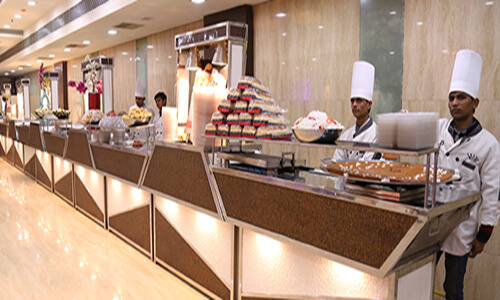
We have a specialized team of highly trained and experienced managers all from 5 stars, captains and other staff and they look after all of the needs of the guests. Our staff is dedicated, polite, courteous, neat and honest
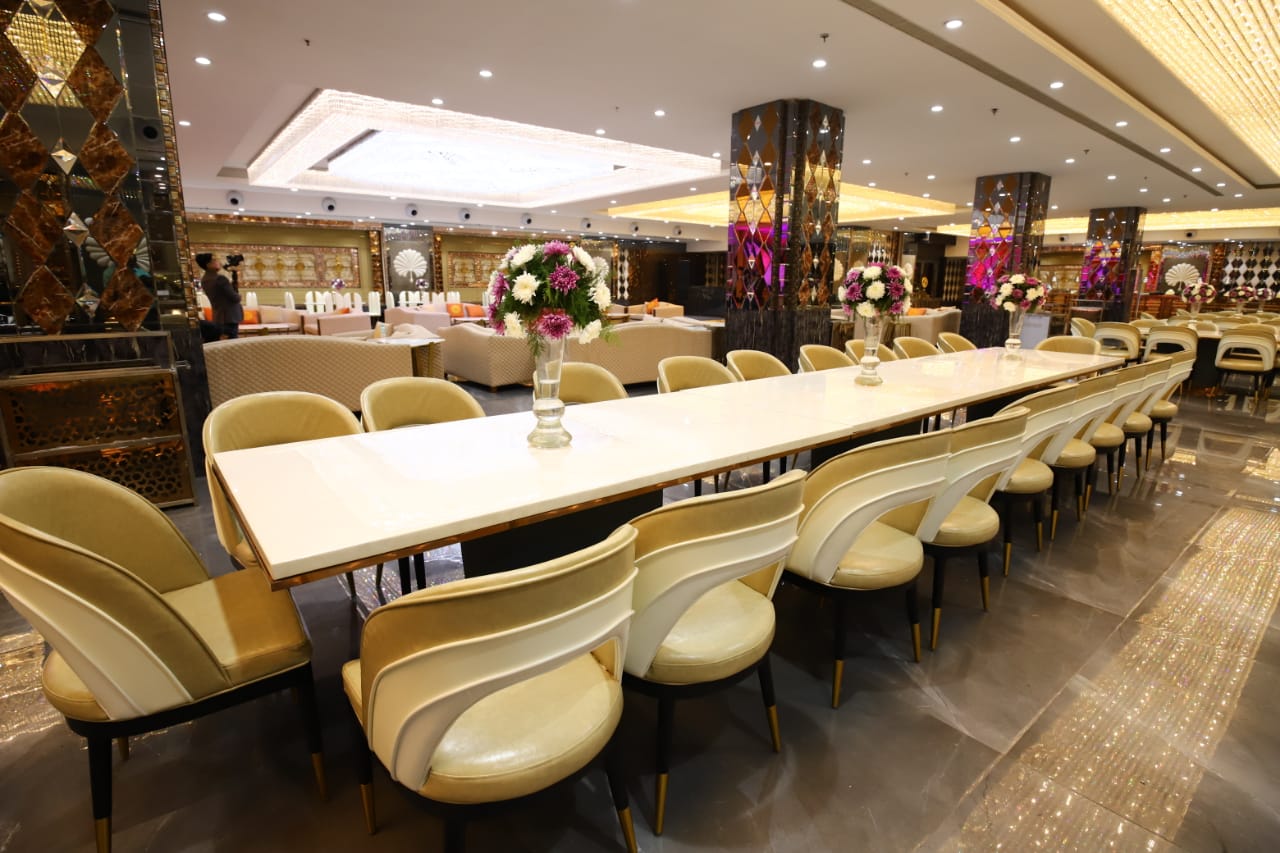
Spacious Elevators and escalated staircase is installed for convenience of our guests. All halls come with Bridle Room with lock for security of belongings of guest. Special Bar Counters

We are serving delicious snacks, some of them have been developed by our expert chefs, and they are our gift to the food industry. We serve full quantity of snacks from start till end of the function.
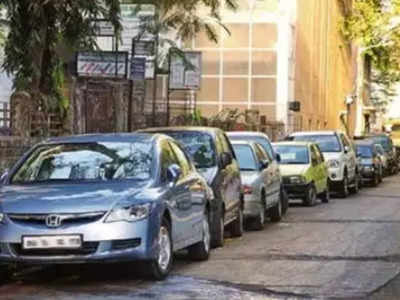
We provide ´Valet Parking´ facility at no extra cost to you. The cars of our guests shall be parked by our expert Valet parking drivers.

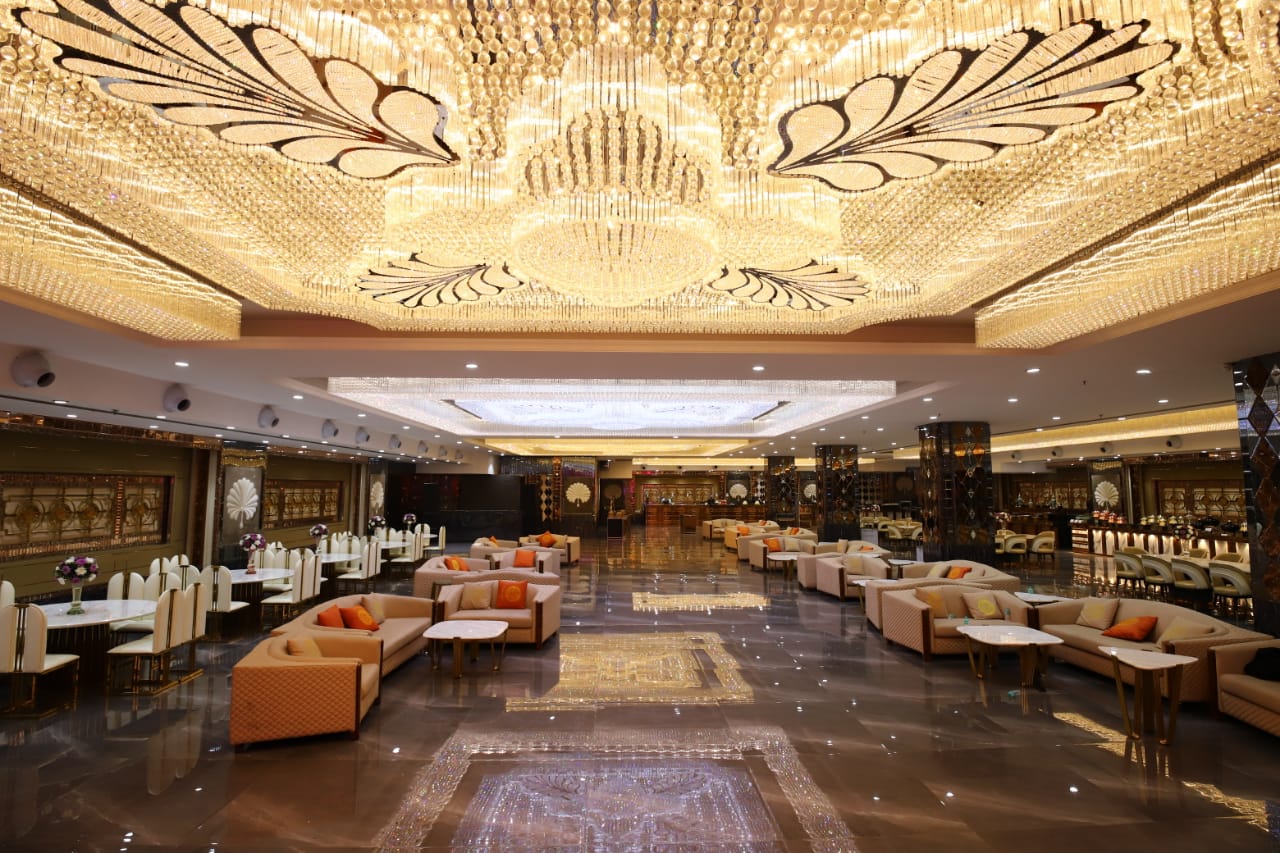
The richness of the ambience can be felt from the Cascading waterfalls, ornamental crystal chandeliers, beautiful Italian marble, light emitting onyx stone and ornate wood work. We have halls large enough to hold parties of 80 to 5000 guests. Beauty of our halls is unmatched in whole of East Delhi.
Our Banquet Halls are centrally Air-Conditioned. We run our AC on generators and hence it never stops and it is very effective in the middle of summer too.