
Holi Party Planning With Organic Colors and Traditional Snacks
Holi has settled into the Australian social calendar in a way that feels both vibrant and routine. Every March, communities in Sydney, Melbourne, Brisbane and Perth fill parks and community halls with colour-throwing, music and thalis stacked with gujiya and dahi bhalla. The festival's playful spirit suits a country that loves outdoor gatherings, and the recent shift toward organic, skin-friendly colours has changed how hosts approach their parties. Guests who once tolerated chemical dyes now expect plant-based gulal, herbal pastes and snacks made with ingredients they recognise.
Planning a Holi gathering in Australia also means planning around the country's unique realities. Council rules govern how much noise a public park can tolerate, food safety standards are monitored by state authorities, and the local market now stocks everything from organic beetroot powder to ready-made thandai syrup. Knowing these details in advance helps hosts avoid last-minute scrambling and turns the festival into a relaxed celebration rather than a logistical headache.
The first decision every host faces is whether to host at home, book a community venue, or reserve a dedicated event space. A home gathering offers intimacy but limits guest numbers, while suburban halls and function rooms in cities like Parramatta, Dandenong or Cabramatta give more room for colour play and live music. A purpose-built venue removes worries about cleanup, parking and noise complaints, which is where spaces like Pearl Grand Banana Tree in Sahibabad come into the conversation for South Asian families in Ghaziabad looking for an all-in-one setting.
Choosing the Right Venue for Your Holi Gathering
The right setting sets the tone for everything that follows. A venue with indoor and outdoor zones works well because it allows the colour play to happen outside while guests retreat indoors for snacks, tea and conversation. Easy access to public transport matters, since guests often arrive carrying extra clothes, towels and boxes of sweets. Venues near metro stations or bus interchanges reduce parking pressure and make it easier for older relatives to attend.
Capacity planning is equally important. A Holi crowd tends to expand as cousins, neighbours and colleagues hear about the event, so a venue that can comfortably hold 50 percent more than the original guest list is a sensible choice. Hosts should also confirm whether the venue allows water play, balloon fights or smoke from incense, as some commercial spaces restrict these activities to protect their interiors.
Decor flexibility matters too. Hosts planning a Holi event often want to drape fabric, scatter fresh marigolds, and set up a rangoli corner near the entrance. A venue that allows wall hangings and floor decoration without damage deposits gives the event a warmer, more authentic feel.
Sourcing Organic Colours Locally
Traditional gulal was once made from herbs, flowers and crushed petals, and the modern organic version follows that same logic. In Australia, certified organic food colouring, beetroot powder, turmeric and dried hibiscus are widely available at bulk stores and Indian grocers. These powders can be mixed with rice flour or besan to create pastel shades that wash out of clothes easily and do not irritate skin.
Sustainability is another motivator behind the shift. Host families in suburbs like Harris Park, Glen Waverley and Eight Mile Plains often prefer colours that biodegrade, since runoff from chemical dyes can stain driveways and harm garden beds. Buying in bulk from wholesalers reduces plastic packaging, and some Australian suppliers now offer refillable pouches that double as guest favours.
Storage and presentation also matter. Organic colours should be decanted into small ceramic bowls, kraft paper cones or wooden trays so guests can pick their shades. Clear signage in English and Hindi helps visitors understand the colour options, and small hand towels placed in baskets around the venue encourage guests to wipe their faces between rounds.
Traditional Snacks With an Australian Flair
A Holi table without gujiya, mathri, papri chaat and thandai feels incomplete. Most of these snacks are labour-intensive, so Australian hosts often outsource the cooking or invite friends to share the load. Indian sweet shops in Sydney's Harris Park, Melbourne's Dandenong and Brisbane's Sunnybank take pre-orders weeks in advance, which is helpful for large crowds.
Health-conscious hosts are now adapting recipes to suit local palates. Wholewheat gujiya, baked instead of fried, has become a quiet favourite at family events. Dahi bhalla made with low-fat yoghurt suits guests who prefer lighter food, and thandai can be served with almond milk for those who avoid dairy. Fresh fruit chaats with mango, pomegranate and rockmelon add colour to the spread and appeal to younger guests.
For hosts who prefer to source ready-made items, artisan spice suppliers stock a wide range of organic pastes, syrups and ready-to-mix thandai blends. These suppliers often deliver across metro areas, which removes the need for last-minute market runs and ensures the flavours stay consistent across the menu.
Catering Logistics and Food Safety Standards
Australian food safety regulations are strict, and any Holi event that serves more than a handful of guests should follow standard hygiene practices. Buffets should be kept cold or hot depending on the dish, hand sanitiser should be visible, and serving utensils should be replaced regularly. Caterers operating in New South Wales, Victoria and Queensland must hold a current food safety registration, which hosts can request to see before booking.
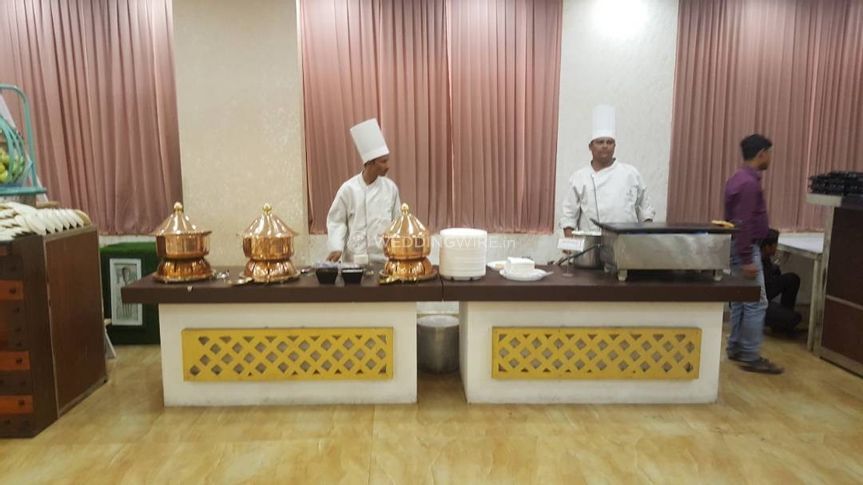
Outdoor serving in March is pleasant but requires shade. A covered buffet station with mesh sides keeps insects away while allowing airflow, and insulated containers help maintain temperatures for hot snacks like samosas and kachoris. Hosts planning evening events should also think about lighting, since Holi celebrations often run past sunset.
For events that include packaged sweets, checking labels for allergens is important. Many commercial Indian sweets contain nuts, dairy or refined sugar, and Australia has strong labelling laws that make this information easy to find. Sharing allergen details with guests in advance avoids awkward moments and shows care for dietary needs.
Music, Décor and Atmosphere
Music drives a Holi party more than any other element. A playlist that mixes classic Bollywood Holi tracks, Punjabi folk and contemporary remixes keeps the energy steady, and a small live dhol or tabla player adds a memorable touch. Hosts renting sound equipment should test volumes inside the venue before the event, since echo behaves differently across rooms.
Décor should reflect the festival's playful mood. Bright drapes, paper lanterns, marigold garlands and a small floral swing create Instagram-friendly corners. Avoid helium balloons near ceiling fans, and check with the venue about tape or adhesive on walls before decorating.
Lighting plays a subtle role. Warm white fairy lights paired with colourful spotlights create a festive glow, and citronella candles near outdoor areas help keep mosquitoes at bay. Simple additions like these turn a functional space into a celebration without significant cost.
Timing, Permits and Guest Comfort
Holi in Australia usually falls in March, which means warm afternoons and cooler evenings in southern states. Starting the colour play around midday and moving the meal indoors by late afternoon gives guests the best of both. Hosts should also share a dress code note in advance, encouraging white cotton or old clothes that can be stained.
Council permits may be required for outdoor events in public parks. Most Australian councils publish their permit guidelines online, and applications often take a few weeks to process. For private venues, a simple written agreement covering timings, cleanup and noise levels is usually enough.
Practical touches make a real difference. A recovery corner with cold water, lemon wedges, wet wipes and extra towels helps guests cool down. A small first-aid kit, sunscreen, and a few changes of clothes for children round out the preparation and show guests that their comfort has been considered.
Suggestions for a Memorable Holi Spread
- Mix organic gulal with besan to create a paste that sticks to skin without drying it out.
- Serve thandai in small clay cups rather than disposable plastic, and offer a sugar-free version alongside the classic recipe.
- Pre-order sweets from Indian mithai shops at least two weeks in advance to avoid festival rush.
- Set up a colour station at the entrance so guests are coloured before they reach the main hall.
- Keep a separate kids' corner with herbal colours, soft music and milder snacks for younger cousins.
- Provide labelled takeaway boxes so guests can bring home leftover mithai and savouries.
A successful Holi party in Australia balances the festival's joyful chaos with the country's practical expectations. Choose organic colours that respect both skin and environment, plan a menu that mixes traditional favourites with local adaptations, and pay attention to the small details that make guests feel welcome. When the music is right, the food is warm, and the colours are safe, the celebration takes care of itself, and guests leave with the kind of memories that turn a single afternoon into a family tradition.
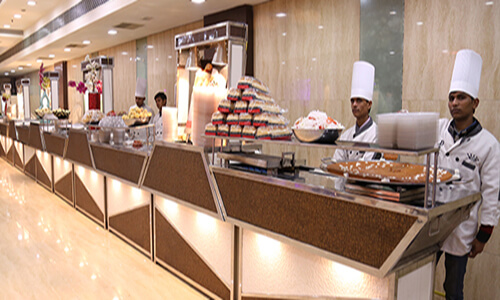
We have a specialized team of highly trained and experienced managers all from 5 stars, captains and other staff and they look after all of the needs of the guests. Our staff is dedicated, polite, courteous, neat and honest
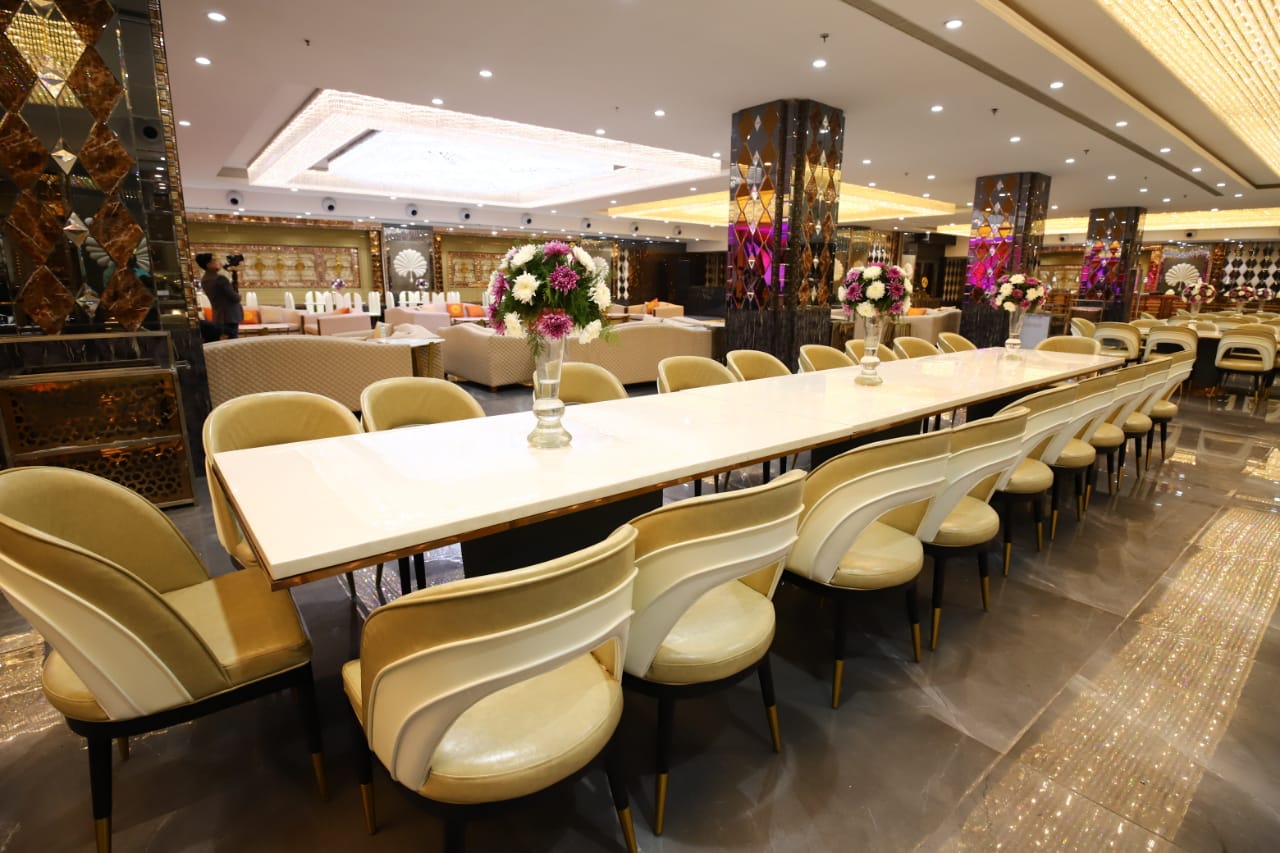
Spacious Elevators and escalated staircase is installed for convenience of our guests. All halls come with Bridle Room with lock for security of belongings of guest. Special Bar Counters
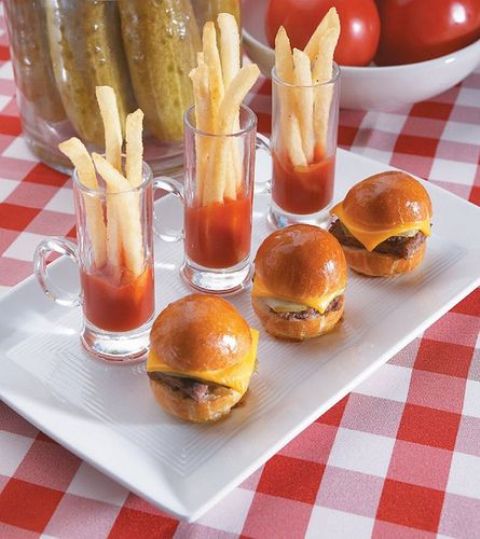
We are serving delicious snacks, some of them have been developed by our expert chefs, and they are our gift to the food industry. We serve full quantity of snacks from start till end of the function.

We provide ´Valet Parking´ facility at no extra cost to you. The cars of our guests shall be parked by our expert Valet parking drivers.

The richness of the ambience can be felt from the Cascading waterfalls, ornamental crystal chandeliers, beautiful Italian marble, light emitting onyx stone and ornate wood work. We have halls large enough to hold parties of 80 to 5000 guests. Beauty of our halls is unmatched in whole of East Delhi.
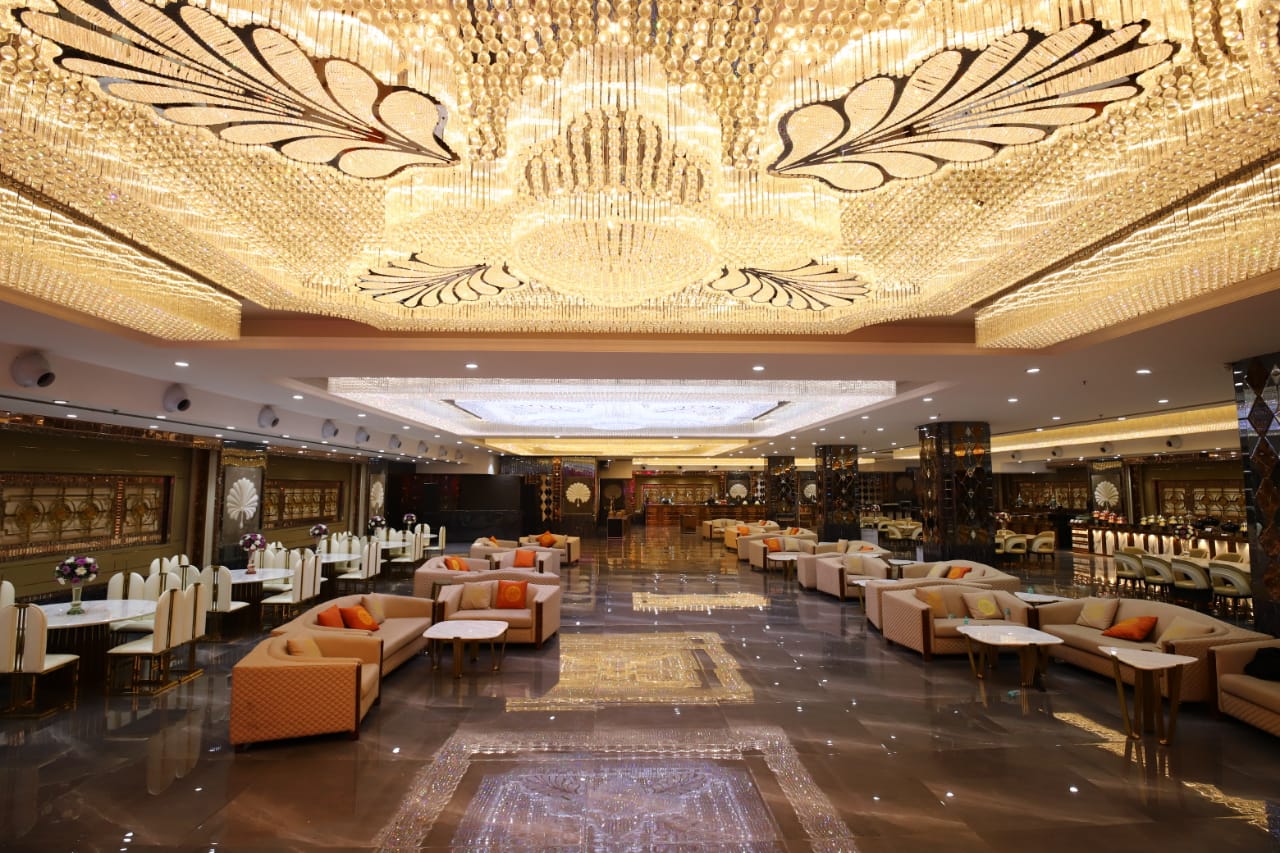
Our Banquet Halls are centrally Air-Conditioned. We run our AC on generators and hence it never stops and it is very effective in the middle of summer too.