
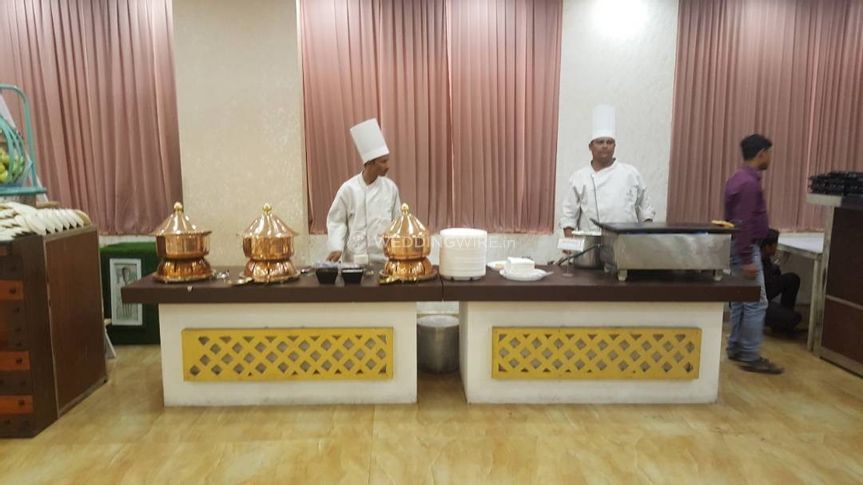
Religious ceremony seating and ritual space planning
Planning a religious ceremony with proper seating and ritual spaces starts with separating guest arrival, ritual activity and service movement. A speech-ready banquet layout can leave no defined area for a priest or pandit, while chair rows may obstruct a procession.
Pearl Grand Banana Tree in Sahibabad, Ghaziabad, provides a banquet setting for weddings, receptions, pre-wedding ceremonies, birthdays, anniversaries, corporate events and family gatherings. Its vegetarian multi-cuisine catering, décor support and experienced hospitality team suit celebrations near Kaushambi Metro Station and Pacific Mall. Australian families can arrange a traditional rite followed by a reception, subject to venue confirmation of the layout and guest numbers.
Arranging guest flow around the ceremony
Begin the floor plan with the entry sequence rather than the table count. Keep a clear processional aisle between the welcome point and the focal area, reserve standing room near the front, and position speakers so announcements do not compete with prayers or chanting. The map should also identify exits and catering routes.
Seating should reflect how the ceremony unfolds. Elders and children benefit from front or side positions with clear sightlines, while families participating directly in the rite need access without leaving guests stranded behind them. Position event staff and photographers where they can move without crossing the ceremonial path.
Test the proposed arrangement at full scale. Chairs, table edges, electrical cables and decorative stands can make a generous-looking plan feel cramped. A walkthrough with the venue coordinator helps reconcile ceremony requirements with the banquet layout and expected group size.
Creating a dedicated ritual area
A ritual zone needs more than an empty corner. Mark the area occupied by the platform, backdrop, officiant’s chair, offerings and any procession route. This prevents guests from circulating behind the platform or placing dining furniture where family members need to assemble. For a puja or wedding homa, confirm the priest’s requirements before finalising the stage position.
Rituals involving fire, incense, fragrance or dense gatherings require specific checks. Ask the venue to confirm electrical points, fire-safety arrangements, ventilation and suitable access for the priest or pandit. Keep combustible décor outside the ritual footprint and leave a safe route for ceremonial movement.
Provide practical support without making the preparation area conspicuous. A wash facility, clean mats, storage for samagri or ceremonial items, and a private changing space can be incorporated discreetly. The ritual leader should approve these facilities before the event because religious practices vary according to the ceremony and tradition.
Seating and ritual planning checklists
Use the seating list as a first floor-plan review:
- Leave a continuous route from entry to ceremonial seating.
- Give elders and children priority seats with clear sightlines.
- Keep wheelchair spaces and accessible routes unobstructed.
- Position catering tables away from prayer and procession areas.
- Mark table numbers without attaching them to ceremonial decorations.
Then run a separate ritual audit:
- Confirm the officiant’s platform, seating and storage needs.
- Provide mats, wash access and a private preparation area.
- Check power, fire safety and ventilation for a homa.
- Arrange microphones and a quiet pause for spoken rites.
- Reserve space for offerings, footwear and ceremonial items.
Catering, comfort and cultural details
The venue’s vegetarian multi-cuisine catering can support a ceremony reception, but dietary requirements should be identified during planning. Ask whether Jain, no-onion, no-garlic or allergy-specific meals can be labelled separately. This is particularly important when relatives arriving from different parts of Australia expect ingredient information to be clear rather than inferred from the menu name.
Guest comfort depends heavily on the season and room size. Confirm air conditioning, backup power, ventilation, drinking-water access and suitable lighting. Australian guests commonly ask about parking, drop-off arrangements and a clearly signed loo, so include those directions in the welcome signage as well as the digital information sent before travel.
Décor should support the rite without crowding it. Lighting around a mandap or ceremonial platform needs to illuminate faces without creating glare, while speakers should carry vows and mantras clearly across the hall. Leave a separate photography point so guests taking pictures do not block the officiant or disrupt seated elders.
Coordinating families across Australia
Australian families often combine wedding-season travel with social networks in Sydney and Melbourne, while relatives in Brisbane, Adelaide and Perth join through group calls or shared planning documents. Many are also familiar with suburban community halls, church foyers and council rooms, where parking, a reception foyer and nearby public transport shape the guest experience. “No worries” is a familiar way to ease discussions about these arrangements.
Time zones need to appear in the ceremony schedule. Delhi is generally four and a half hours behind Sydney and Melbourne during Australian winter, three and a half hours behind Adelaide and two and a half hours behind Perth. Fixing all calls to one Australian time helps prevent late-night family meetings and early-morning disturbances.
Relatives can coordinate seating changes through a shared digital run sheet, although the chosen application should be tested on several Android phones before travel; this poker app review illustrates why device-specific testing matters. Australian guests are accustomed to contactless payments, while visitors to India may also need UPI or cash available, so both the travel group and venue should confirm payment arrangements.
Securing the venue and final run sheet
Compare written quotations rather than relying on headline package rates. The Indian banquet market commonly bundles the hall, catering, décor, basic equipment and service staff, so check guest-number bands, taxes, setup time, cleanup, cancellation terms and extra-hour charges separately. Ask Pearl Grand Banana Tree to confirm which décor, sound and arrangement costs are included.
Build one shared run sheet covering arrival, welcome, procession, ceremony, photography, dining and departure. Include mobile numbers for the venue coordinator, caterer, priest or pandit and family representatives. Review the final guest list regularly, while keeping ceremony timings separate from dining service so the schedule does not shift when the reception begins.
The next step is a dated venue walkthrough at Pearl Grand Banana Tree with the caterer and ritual coordinator present, ending with the seating map, ceremonial footprint and ceremony run sheet approved before the booking agreement is signed.
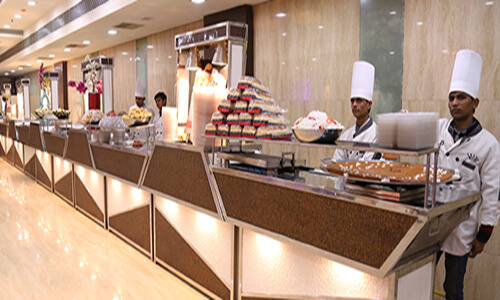
We have a specialized team of highly trained and experienced managers all from 5 stars, captains and other staff and they look after all of the needs of the guests. Our staff is dedicated, polite, courteous, neat and honest
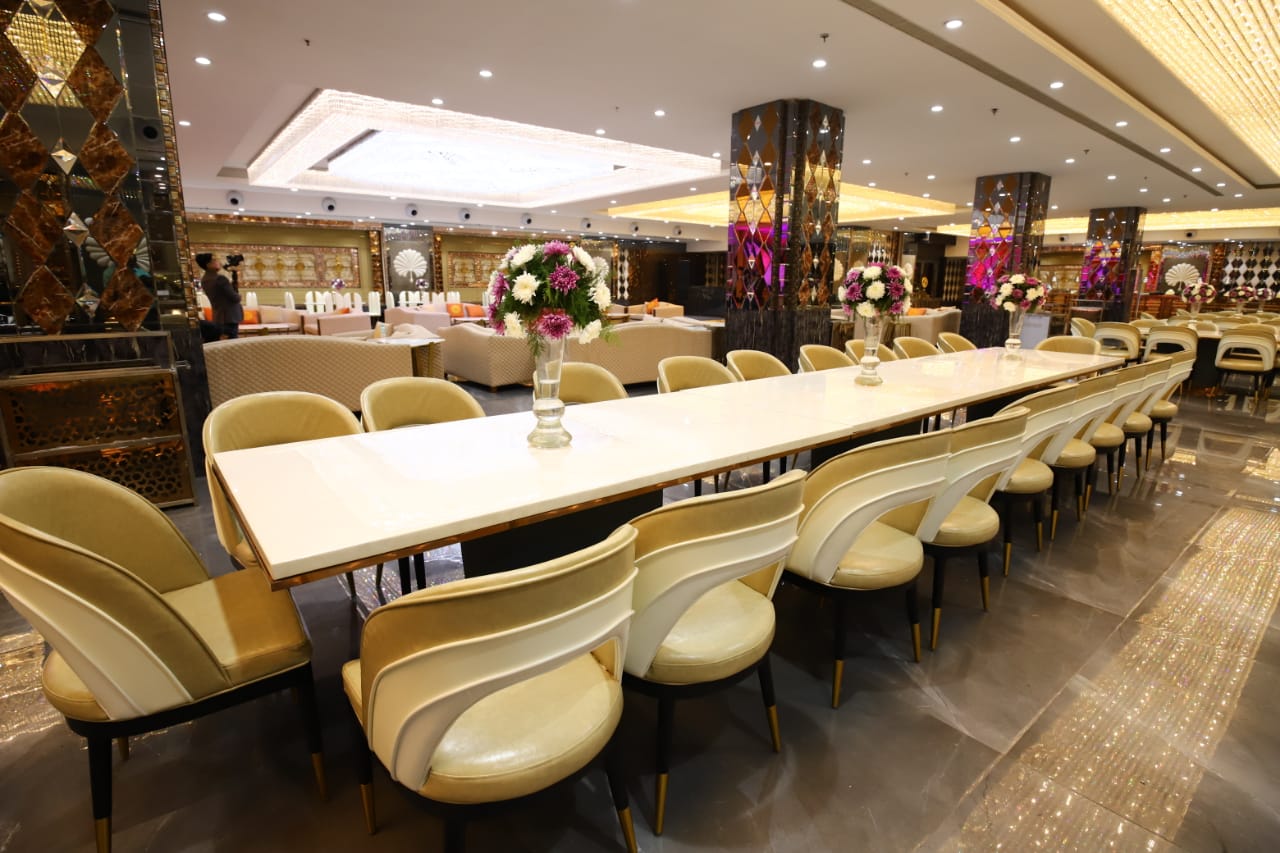
Spacious Elevators and escalated staircase is installed for convenience of our guests. All halls come with Bridle Room with lock for security of belongings of guest. Special Bar Counters

We are serving delicious snacks, some of them have been developed by our expert chefs, and they are our gift to the food industry. We serve full quantity of snacks from start till end of the function.
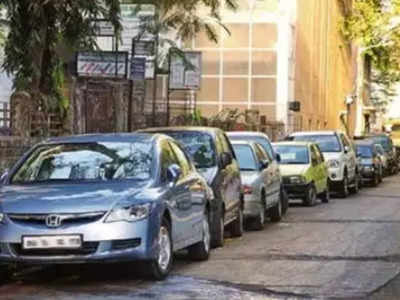
We provide ´Valet Parking´ facility at no extra cost to you. The cars of our guests shall be parked by our expert Valet parking drivers.

The richness of the ambience can be felt from the Cascading waterfalls, ornamental crystal chandeliers, beautiful Italian marble, light emitting onyx stone and ornate wood work. We have halls large enough to hold parties of 80 to 5000 guests. Beauty of our halls is unmatched in whole of East Delhi.
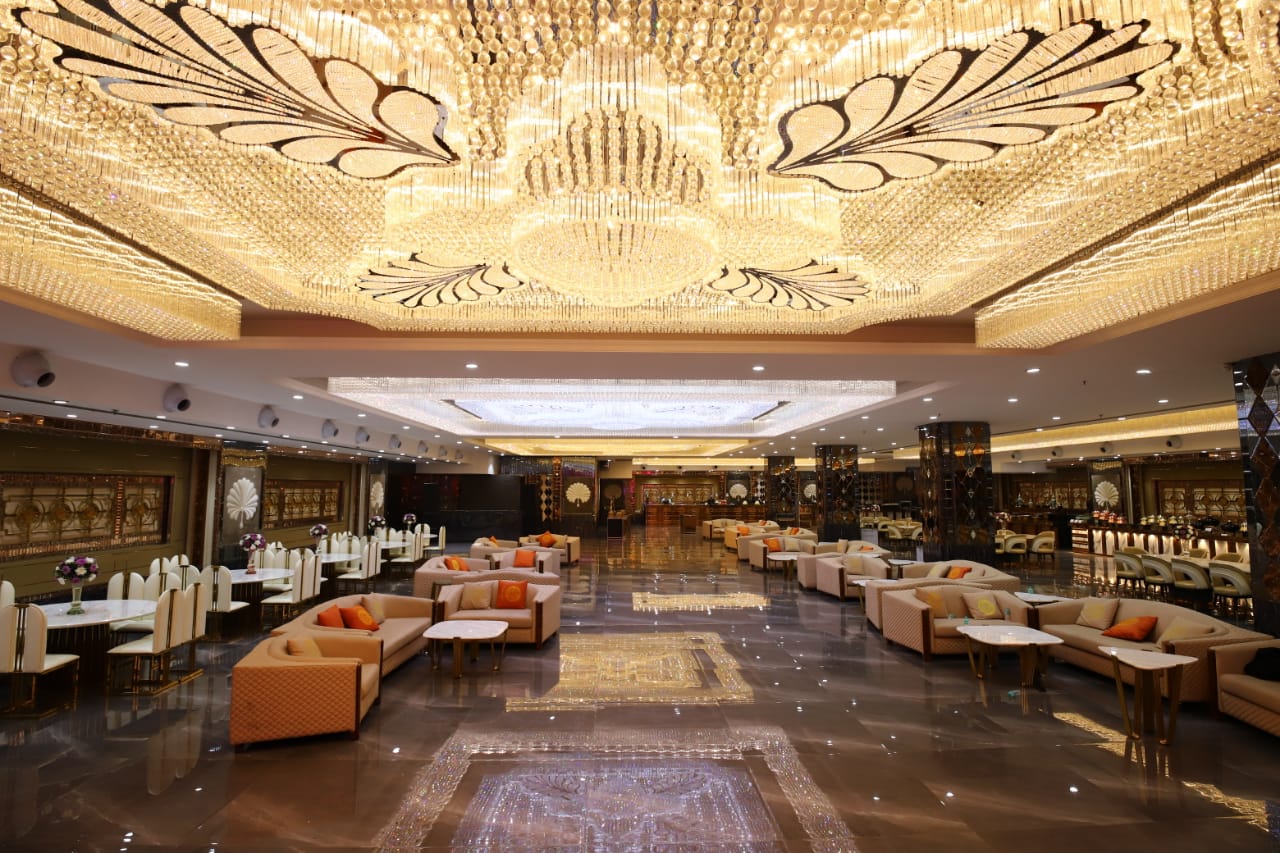
Our Banquet Halls are centrally Air-Conditioned. We run our AC on generators and hence it never stops and it is very effective in the middle of summer too.