
Planning Janmashtami and Ganesh Chaturthi events
Planning Janmashtami or Ganesh Chaturthi in Australia means balancing devotion with the practical rhythms of suburban life. Indian communities in Sydney, Melbourne, Brisbane, Adelaide and Perth often gather in community halls, temple courtyards or hired function rooms, bringing together families whose plans can span several generations.
Good planning settles the ceremony, food and participation before décor or entertainment. It also accounts for Australian weather, school holiday dates, food safety obligations, alcohol licensing and the way local suppliers price venue hire, catering, equipment and staffing.
Begin with the purpose and traditions
Janmashtami may centre on bhajans, a decorated Krishna idol, a jhula and the breaking of a pot. Ganesh Chaturthi may include the installation of Ganapati, prayers, aarti and preparation for visarjan. Define which observances are essential and how long each activity will last.
Consult families, temple representatives and cultural advisers before finalising the program. This includes decisions about a priest or priestess, the handling of sacred objects, children’s participation, seating near the idol, appropriate music and respectful photography rules.
Choose a venue that suits Australian communities
Look for a venue with adequate power, ventilation, toilets, kitchen access, parking and room for guests with mobility requirements. Locations near a railway station or shopping centre can simplify travel. Suburbs such as Parramatta and Blacktown in Sydney, or Box Hill and Preston in Melbourne, have established communities and accessible commercial facilities.
Australian buyers commonly compare the total package rather than the hall fee alone. Request itemised quotes covering catering, décor, sound equipment, staffing, cleaning, security, wet-weather arrangements and bond conditions. Clarify cancellation deadlines and who is responsible for damage.
For groups comparing full-service models, Pearl Grand Banana Tree in Sahibabad, Ghaziabad, combines large-group capacity, vegetarian multi-cuisine catering, décor, event arrangements and experienced hospitality staff. Its proximity to Kaushambi Metro Station and Pacific Mall also reduces transfer and arrival pressure.
Design a thoughtful food and supply plan
A multi-cuisine vegetarian menu can include regional thalis, chaat, sweets, fruit and lighter children’s options. Label dishes clearly for Jain preferences, allergies and ingredients such as onion or garlic. Indian grocery precincts such as Harris Street in Parramatta and Little India in Melbourne can help source specialist ingredients, while supermarkets such as Woolworths and Coles are useful for bulk purchases.
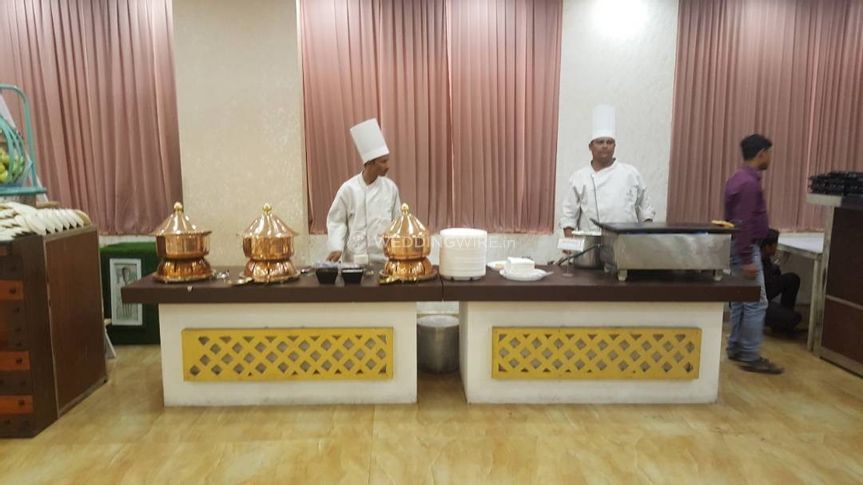
Menu development can borrow broad culinary inspiration from Chili Chilli, but final dishes should suit the congregation and be tested before the event. Use licensed caterers where required, maintain safe food temperatures and provide separate serving utensils. Calculate quantities for late arrivals as well as the main ceremony.
Create atmosphere without creating discomfort
Use traditional colours, flowers, rangoli and fabric decoration while respecting the venue’s rules for attaching items to walls. Reusable decorations and rented stands reduce waste. Any open flame, temporary stage, outdoor cooking or suspended installation should be approved in advance.
A portable shrine area needs clear circulation, accessible seating and protection from crowded corridors. Coordinate microphones with musicians and officiants, particularly during aarti or bhajan sessions. Australian venue jargon is worth clarifying: an “arvo” means afternoon, “BYO” means guests may bring drinks where licensing permits, and “servo” refers to self-service.
Guest experience and operations checklist
Build one consistent journey from invitation to departure. Give guests clear arrival information, while assigning each operational task to a named volunteer or supplier.
For guests, confirm:
- Include the start time, parking details, public transport options and accessibility information in invitations.
- Reserve comfortable seating for elders, children and wheelchair users.
- Provide water, prayer items, waste bins and a quiet area for children.
- Collect dietary requirements when guests confirm their attendance.
- Display the ceremony and meal schedule in the main gathering space.
For operations, assign:
- Give each ritual, sound check, meal service and guest welcome a team leader.
- Pack spare clothing, umbrellas, first-aid supplies and dry covers for changing weather.
- Keep children away from electrical cables, unstable decorations and crowded service points.
- Record the venue’s emergency contacts, first-aid arrangements and evacuation procedure.
- Reconcile invoices, damage charges and leftover supplies after the event.
Manage suppliers, money and compliance
Secure the date early because halls and experienced entertainers attract strong demand during August and September, particularly around school holidays. Ask every supplier for a written scope, deposit terms, GST details, cancellation policy and wet-weather procedure. A single coordinator should compare quotes and prevent duplicate charges.
Check with the venue or local council about amplified sound, road closures, temporary structures, fire performances and food handling. Public liability insurance may also be required. If alcohol is served, the organiser must use an appropriately licensed supplier and ensure responsible service, even when guests are from the same community.
Prepare a written event run sheet containing timings, supplier contacts, emergency procedures and key decisions. Keep printed copies available offline, since mobile reception or power problems can disrupt large gatherings.
Keep the celebration meaningful
Review the program against the agreed traditions, then confirm that every ceremony has enough time, space and support. A short rehearsal with volunteers can reveal unclear instructions, missing equipment and accessibility barriers before guests arrive.
The festival should be remembered for a respectful shared experience, not simply for an elaborate stage or an abundant menu. Careful planning allows devotion, family participation and Australian community life to coexist in a celebration that feels both spiritually satisfying and genuinely welcoming.
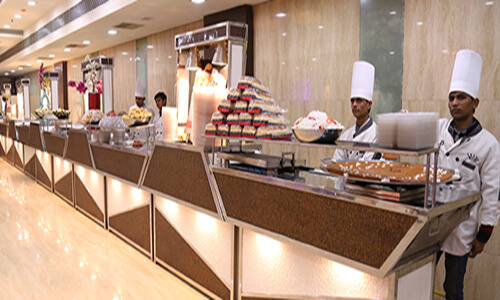
We have a specialized team of highly trained and experienced managers all from 5 stars, captains and other staff and they look after all of the needs of the guests. Our staff is dedicated, polite, courteous, neat and honest
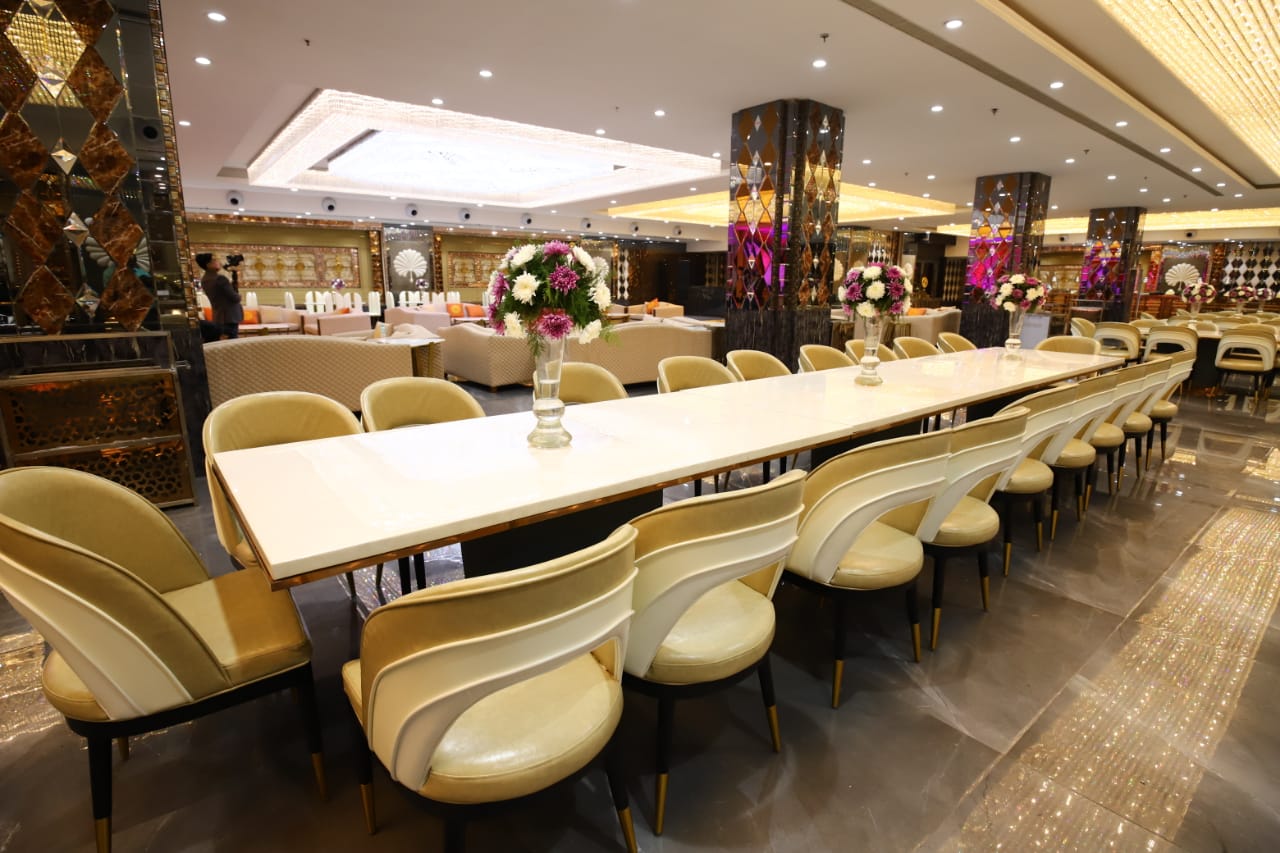
Spacious Elevators and escalated staircase is installed for convenience of our guests. All halls come with Bridle Room with lock for security of belongings of guest. Special Bar Counters

We are serving delicious snacks, some of them have been developed by our expert chefs, and they are our gift to the food industry. We serve full quantity of snacks from start till end of the function.
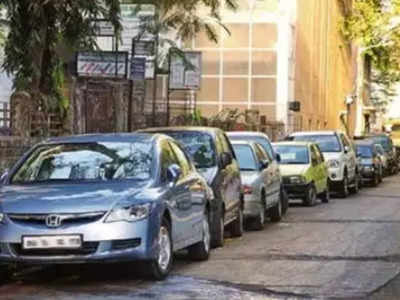
We provide ´Valet Parking´ facility at no extra cost to you. The cars of our guests shall be parked by our expert Valet parking drivers.

The richness of the ambience can be felt from the Cascading waterfalls, ornamental crystal chandeliers, beautiful Italian marble, light emitting onyx stone and ornate wood work. We have halls large enough to hold parties of 80 to 5000 guests. Beauty of our halls is unmatched in whole of East Delhi.
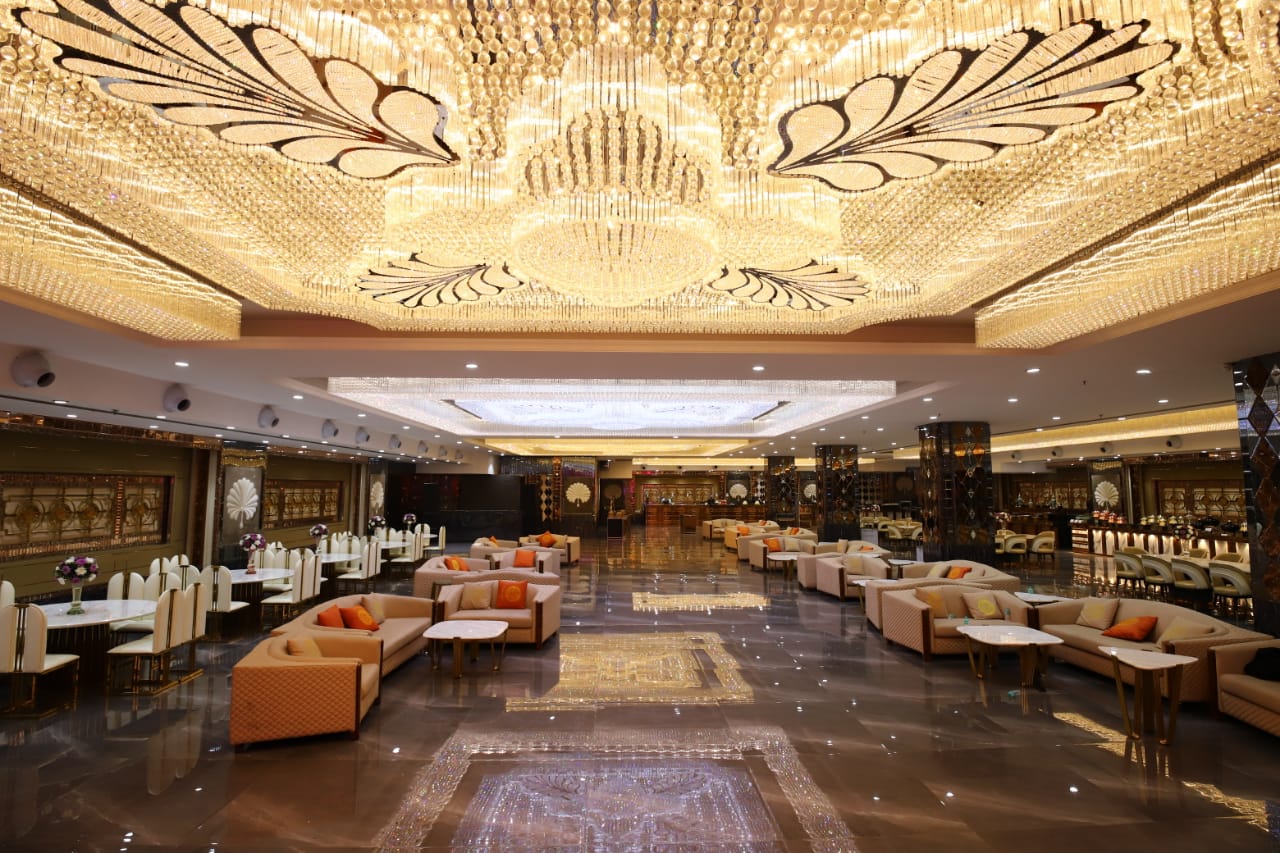
Our Banquet Halls are centrally Air-Conditioned. We run our AC on generators and hence it never stops and it is very effective in the middle of summer too.