
A Practical Guide to Corporate Seminars With Breakout Sessions
A corporate seminar becomes valuable when delegates leave with clearer decisions, useful contacts and practical knowledge they can apply at work. Breakout sessions help create that movement by dividing a large audience into smaller groups for workshops, case studies, problem-solving and focused discussion.
For an Australian organisation, planning may involve attendees from Sydney, Melbourne, Brisbane or Perth, with different travel schedules, time zones and expectations. A well-designed programme should therefore balance structured learning with informal conversation, reliable catering and enough space for people to move comfortably.
A suitable venue can make the day easier to manage. Pearl Grand Banana Tree in Sahibabad, Ghaziabad, offers banquet spaces, vegetarian multi-cuisine catering, décor and hospitality support for large gatherings. Its location near Kaushambi Metro Station and Pacific Mall can also help delegates combine public transport with nearby accommodation and retail facilities.
Define The Seminar’s Purpose
Start with a specific business outcome rather than a general desire to “run an event”. The seminar might introduce a new product, train managers in a process, gather feedback on a strategy or help departments solve a shared operational issue. Each breakout should support that purpose and produce a visible result.
Write a short event brief covering the audience, delegate numbers, preferred date, session length and measures of success. For example, success could mean every group produces three recommendations, 80 per cent of attendees complete a skills assessment, or managers leave with an agreed implementation plan.
Audience research is equally important. Senior leaders may prefer concise presentations and decision-focused workshops, while sales, technical or customer service teams may benefit from demonstrations and role-play. If Australian staff are attending an event in India, allow for travel fatigue, climate differences and time needed to adjust to local surroundings.
Choose A Flexible Room Layout
The main room should support clear sightlines, good acoustics and fast transitions. Theatre seating suits a keynote, while classroom or cabaret layouts are better for note-taking and group exercises. Reserve enough open space for people to leave without disturbing a presentation.
Breakout rooms should be close to the plenary area, clearly marked and large enough for tables, chairs, screens and facilitator movement. If separate rooms are unavailable, a large hall can be divided with movable partitions. Keep registration, refreshments and toilets easy to find so delegates do not lose time between sessions.
A simple room-planning checklist includes:
- One main presentation area with a visible screen
- Separate spaces for small-group discussion
- Power access for presenters and participants
- Clear signs between the hall, breakout rooms and amenities
- A quiet area for private calls or one-to-one conversations
The venue team should receive a scaled floor plan and a timetable for setup. A short walk-through on the previous day can reveal issues with cables, lighting, room temperature or delegate flow before the programme begins.
Build A Working Agenda
A productive agenda usually alternates between shared learning and active participation. Begin with a concise keynote or business briefing, then move into a workshop while the subject is fresh. After the first breakout, bring people together to compare findings before introducing the next topic.
Give each group a defined task, a facilitator, a time limit and a reporting format. Asking groups to create a recommendation, customer journey, risk register or three-slide summary is more effective than simply requesting an open discussion. Provide printed prompts or digital worksheets so every table starts with the same information.
Plan realistic timing. A 45-minute breakout may require ten minutes to explain the exercise, 25 minutes for discussion and ten minutes for presentations or voting. Include buffer time for movement, especially when delegates are unfamiliar with the venue. Australian business events often include a morning coffee break and a longer lunch, habits that support networking without making the day feel rushed.
Make Catering Part Of The Experience
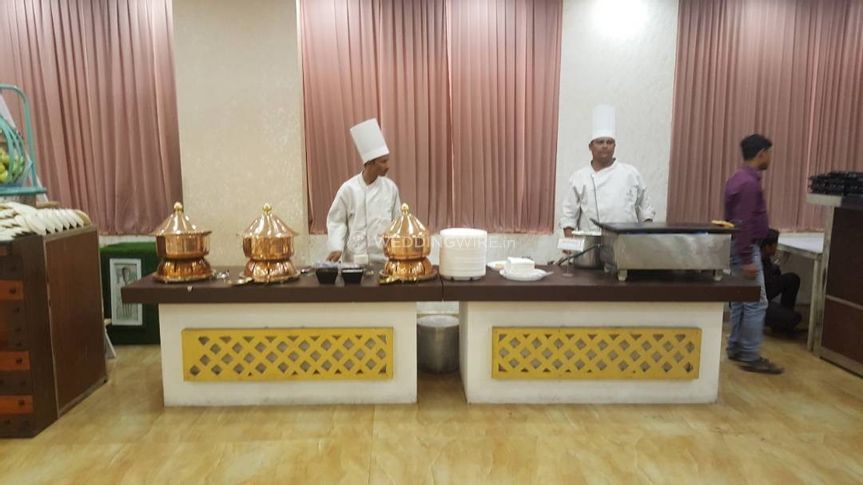
Food service affects energy, punctuality and delegate satisfaction. Confirm dietary requirements during registration, including vegetarian, vegan, halal, gluten-free and allergy-related needs. Vegetarian multi-cuisine catering can work well for a mixed audience, provided menu labels are clear and staff can explain ingredients.
Schedule refreshments where they encourage useful conversation rather than creating a queue that delays the next session. Tea, coffee, water and lighter snacks can be available on arrival, with lunch positioned near the networking area. Australian delegates commonly expect quality coffee, chilled water and practical options that can be eaten within the allocated break.
A catering and hospitality checklist can include:
- Dietary information collected before the event
- Clearly labelled dishes and allergen guidance
- Coffee, tea and water available throughout the programme
- Lunch portions suited to an afternoon workshop
- Staff assigned to refreshment stations and guest assistance
For a venue in Sahibabad, confirm the menu, serving style and timing with the events coordinator in advance. Sharing the final delegate count 48 to 72 hours before the seminar helps the kitchen and service team prepare accurately.
Prepare Technology And Safety
Reliable audiovisual equipment is central to a seminar with multiple facilitators. Test microphones, presentation clickers, screens, speakers, video playback and internet access during the setup period. Keep presentations on a local laptop or drive as a backup in case of unstable connectivity.
Every facilitator should know how to request technical support. A technician or designated venue contact can resolve sound, display and room-change issues while the organiser remains focused on delegates. Give speakers a clear template for file names, aspect ratio, video formats and upload deadlines.
Australian organisers should also consider the Work Health and Safety framework applicable to their organisation, along with emergency procedures and incident reporting. Accessibility matters under the Disability Discrimination Act 1992: check step-free access, suitable toilet facilities, seating options, readable signs and captioning or hearing support where required.
Manage Registration And Follow-Up
Registration should collect the information needed for a smooth experience without creating unnecessary friction. Include name, organisation, job title, dietary needs, accessibility requirements, breakout preferences and consent for event photography. A digital check-in system can shorten queues, while printed backup lists are useful if connectivity fails.
Send delegates a practical joining pack several days before the seminar. Include the address, nearby transport details, start and finish times, dress guidance, agenda and a contact number. If attendees are travelling from Australia, state the time zone clearly and allow for international calling, visa and flight arrangements where relevant.
Post-event follow-up should turn discussion into action. Send presentation files, workshop outputs and agreed next steps within a few business days. Ask delegates to rate the sessions, identify one useful insight and nominate an action owner. Useful follow-up measures include:
- Attendance by session and breakout group
- Delegate satisfaction with speakers and facilities
- Completion of workshop outputs
- Number of agreed actions with named owners
- Progress reviewed after 30 or 60 days
A concise survey usually receives more responses than a long questionnaire. Share a short summary with senior stakeholders so the seminar’s value is linked to business decisions rather than attendance alone.
Confirm The Venue And Run Sheet
The final venue decision should be based on more than capacity. Compare room flexibility, catering quality, transport access, technical support, staff responsiveness and the time required to reset spaces between sessions. For an event near Delhi NCR, proximity to Kaushambi Metro Station can be useful for delegates arriving without private vehicles.
Review the agreement carefully, including GST treatment, deposit dates, cancellation terms, overtime charges, equipment hire, menu changes and any restrictions on external suppliers. Australian companies may need these details for procurement records and internal budget approval. Confirm whether quoted prices include service charges and taxes.
Create a master run sheet showing every movement from supplier arrival to final departure. Assign an owner to registration, speakers, technology, catering, photography and delegate support. Then schedule a planning call with Pearl Grand venue to confirm room layouts, menus, equipment and the final headcount, and complete that call before issuing delegate invitations.
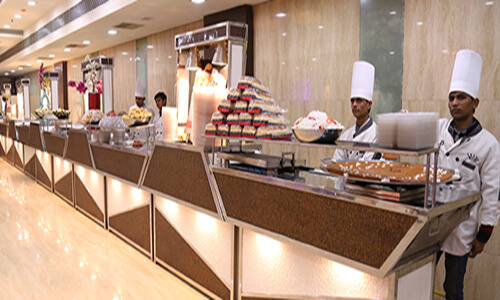
We have a specialized team of highly trained and experienced managers all from 5 stars, captains and other staff and they look after all of the needs of the guests. Our staff is dedicated, polite, courteous, neat and honest
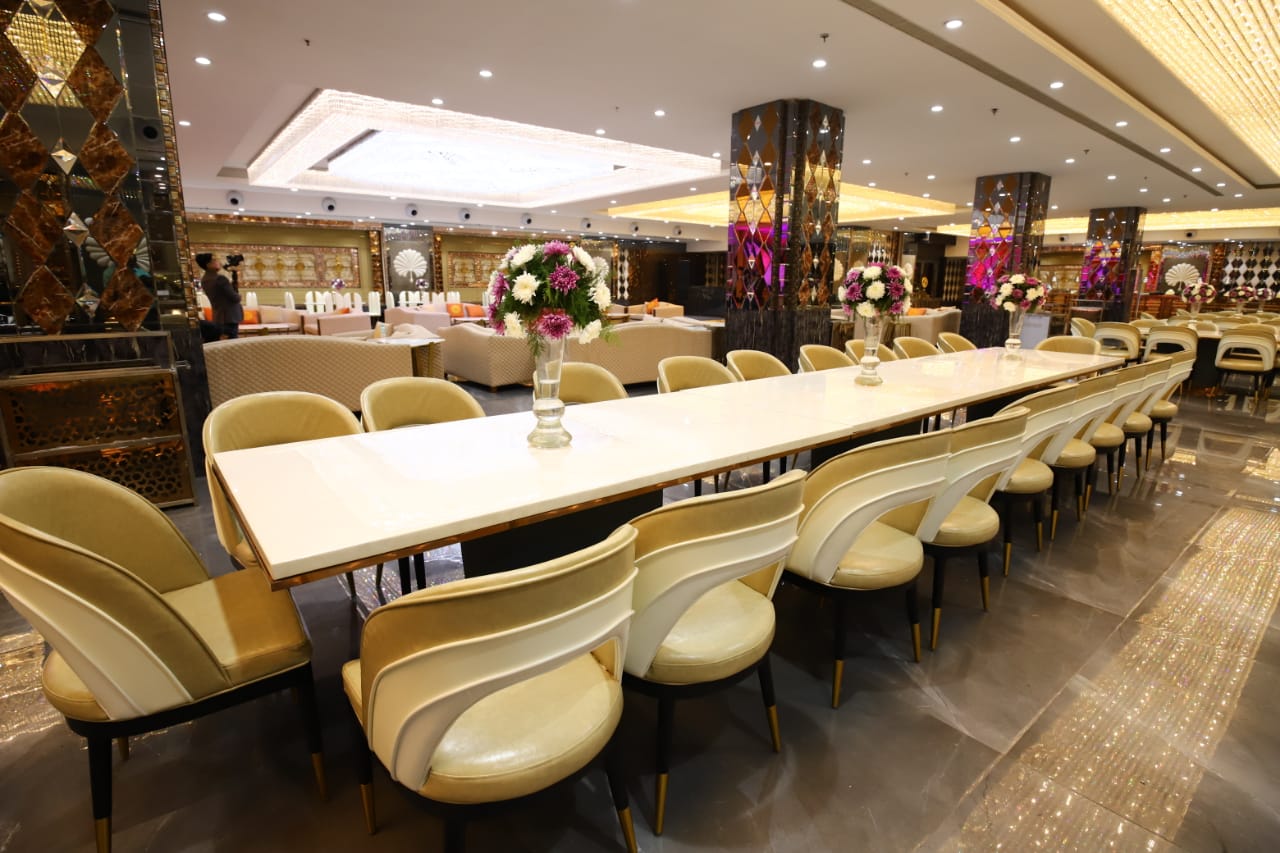
Spacious Elevators and escalated staircase is installed for convenience of our guests. All halls come with Bridle Room with lock for security of belongings of guest. Special Bar Counters

We are serving delicious snacks, some of them have been developed by our expert chefs, and they are our gift to the food industry. We serve full quantity of snacks from start till end of the function.

We provide ´Valet Parking´ facility at no extra cost to you. The cars of our guests shall be parked by our expert Valet parking drivers.

The richness of the ambience can be felt from the Cascading waterfalls, ornamental crystal chandeliers, beautiful Italian marble, light emitting onyx stone and ornate wood work. We have halls large enough to hold parties of 80 to 5000 guests. Beauty of our halls is unmatched in whole of East Delhi.
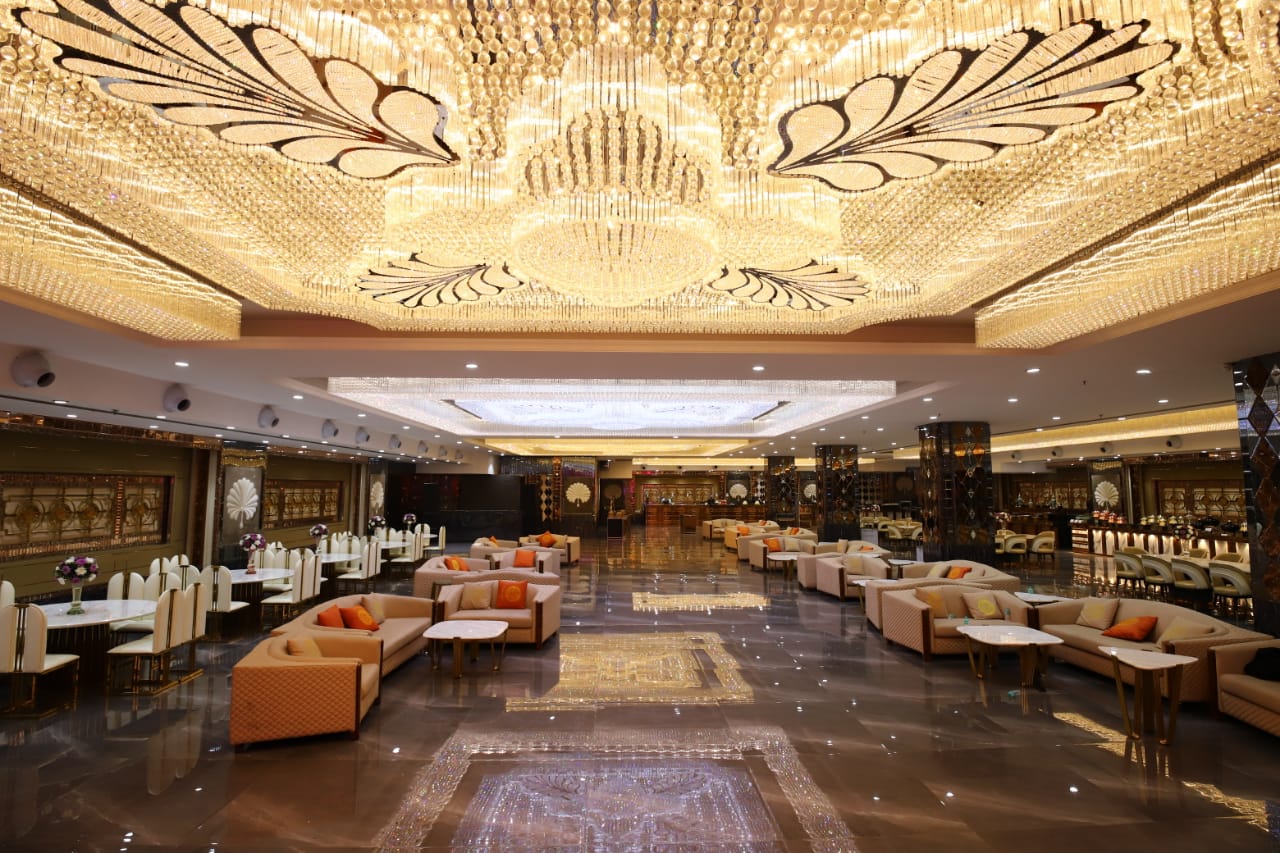
Our Banquet Halls are centrally Air-Conditioned. We run our AC on generators and hence it never stops and it is very effective in the middle of summer too.