
Pre-Wedding Rituals and Traditions at an Indian Celebration
Pre-wedding rituals: what to expect at a traditional Indian event can vary by region, family customs, and community. Yet most celebrations share a joyful purpose: bringing both families together before the wedding day. These occasions often combine blessings, music, colour, delicious food, and meaningful traditions.
From a simple roka ceremony to a lively mehndi or haldi function, each event has its own atmosphere and schedule. Guests may be invited to participate in ceremonies, enjoy cultural performances, take photographs, or simply spend time with relatives and friends.
For families in Sahibabad, Ghaziabad, and nearby Delhi, a well-equipped banquet hall can make these gatherings easier to organise. Pearl Grand Banana Tree offers flexible event spaces, vegetarian multi-cuisine catering, décor, and hospitality support for intimate functions as well as large pre-wedding celebrations.
Understanding the purpose of each ceremony
The earliest pre-wedding functions usually focus on family introductions and formal blessings. A roka or engagement may mark the official acceptance of the marriage, while a sagai often includes the exchange of rings. In some families, elders present gifts, sweets, clothing, or jewellery to the couple.
These gatherings are generally more formal than later festivities. Guests may wear traditional Indian clothing, and the programme may include a short prayer, priest-led rituals, family speeches, and a meal. Although the ceremony can be brief, careful planning helps the occasion feel warm rather than rushed.
Roka and engagement customs
A roka is often a close-family event, though modern couples may invite a larger circle. The bride and groom may sit together for a blessing ceremony before exchanging gifts or rings. Tilak, chunri, coconut, sweets, and dry fruits are common elements, depending on regional practice.
Engagement celebrations can range from a formal banquet dinner to a stylish evening with stage décor and music. A dedicated seating area for the couple, attractive floral arrangements, and a clear ceremony schedule allow guests to follow the proceedings comfortably. Photography is also important because these moments often become part of the family’s wedding album.
Haldi, mehndi, and musical celebrations
The haldi ceremony is known for its cheerful, informal character. Family members apply a turmeric paste to the couple as a symbolic blessing for prosperity, good fortune, and a radiant wedding day. The function may take place separately for each family or as a combined gathering.
Mehndi celebrations are usually more elaborate. A professional mehndi artist may work with the bride and other guests while music, dance, and refreshments keep the atmosphere lively. Some families combine mehndi with a sangeet night, featuring choreographed performances, playful games, and emotional tributes from close relatives.
| Ceremony | Typical timing | Main customs | Suitable atmosphere |
|---|---|---|---|
| Roka | Several weeks or months before the wedding | Family blessings, gifts, sweets, formal announcement | Intimate and traditional |
| Engagement or sagai | Before the wedding season begins | Ring exchange, prayers, photographs, dinner | Elegant and celebratory |
| Haldi | One or two days before the wedding | Turmeric application, blessings, music | Colourful and relaxed |
| Mehndi | One or two days before the wedding | Henna application, songs, dance, snacks | Lively and interactive |
| Sangeet | Usually close to the wedding date | Performances, games, music, family entertainment | Energetic and festive |
Food, décor, and guest hospitality
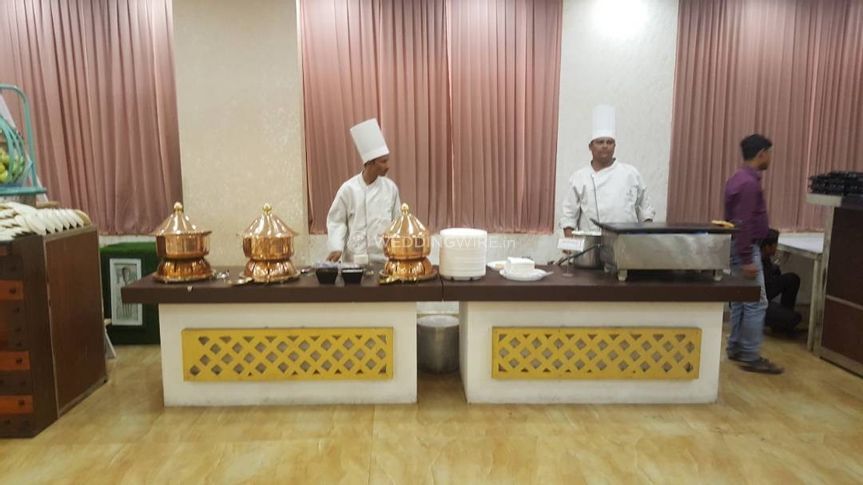
Food is central to Indian family functions, and the menu often reflects both tradition and personal preference. Vegetarian starters, regional dishes, chaat, breads, curries, rice preparations, desserts, and beverages can be arranged to suit different age groups. For larger gatherings, live counters and well-organised buffet service help reduce waiting time.
Décor sets the tone for each ritual. Yellow and marigold accents work beautifully for haldi, while floral backdrops, pastel fabrics, and delicate lighting suit mehndi. An engagement may call for a more polished stage design with coordinated seating and a photo area. At Pearl Grand Banana Tree, families can discuss décor, catering, seating, and event arrangements together instead of managing every detail separately.
Planning the flow of a traditional function
A successful pre-wedding gathering needs more than attractive décor. Hosts should plan guest arrival, parking, seating, ceremony timing, photography, meal service, and entertainment in a logical order. Elderly guests may need comfortable seating close to the main activity, while children often appreciate a little space to move around safely.
The venue location also influences the guest experience. A banquet hall near Kaushambi Metro Station and Pacific Mall can be convenient for relatives travelling from different parts of Ghaziabad, East Delhi, and the National Capital Region. Ample capacity is especially valuable when a small family ritual grows into a larger celebration.
Practical details for a smooth celebration
Families can preserve traditional customs while adding personal touches. A couple might choose a regional menu, create a slideshow of family photographs, invite a folk music group, or use customised welcome signage. The key is to ensure that modern additions support the ceremony rather than overshadowing it.
Before finalising arrangements, it helps to create a simple event checklist:
- Confirm the ritual schedule and the people responsible for each ceremony.
- Select clothing, jewellery, floral décor, seating, and photography requirements.
- Plan a vegetarian menu with snacks, main courses, desserts, and suitable beverages.
- Reserve space for mehndi artists, musicians, performers, or a dance floor.
- Share the venue location and arrival details with relatives and out-of-town guests.
A dedicated event team can coordinate these details on the family’s behalf. Experienced hospitality staff, flexible banquet spaces, and organised catering allow hosts to remain present with their guests instead of constantly supervising vendors.
Traditional functions are ultimately about connection. The blessings of elders, laughter between cousins, shared meals, music, and colourful photographs create memories that continue long after the wedding. Whether the occasion is a quiet roka or a grand sangeet, thoughtful planning helps every ritual feel personal and meaningful.
For a memorable pre-wedding celebration in Sahibabad or Ghaziabad, contact Pearl Grand Banana Tree to explore suitable banquet spaces, vegetarian menus, décor options, and event arrangements for your family gathering.
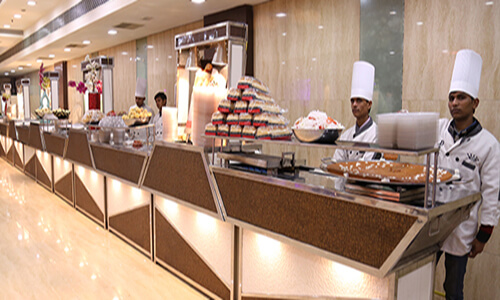
We have a specialized team of highly trained and experienced managers all from 5 stars, captains and other staff and they look after all of the needs of the guests. Our staff is dedicated, polite, courteous, neat and honest
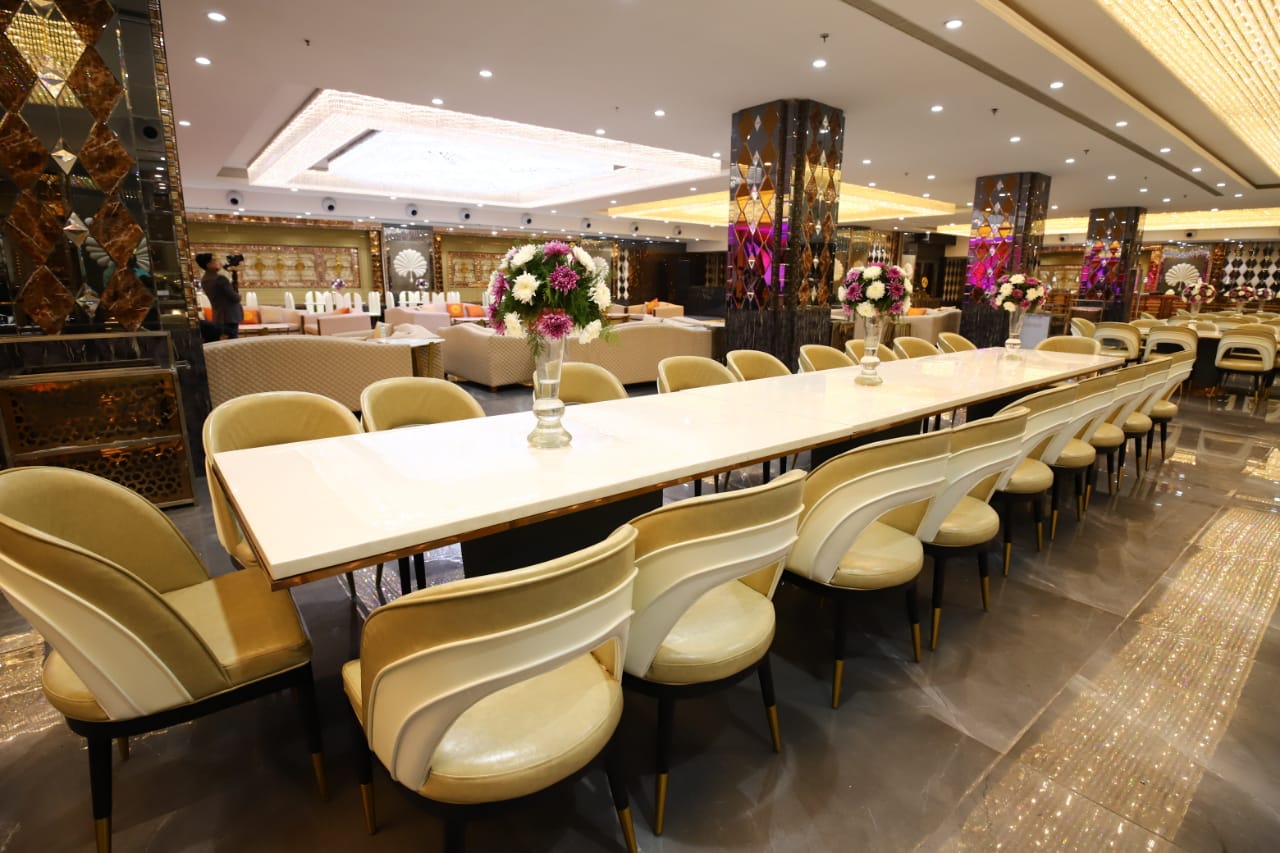
Spacious Elevators and escalated staircase is installed for convenience of our guests. All halls come with Bridle Room with lock for security of belongings of guest. Special Bar Counters

We are serving delicious snacks, some of them have been developed by our expert chefs, and they are our gift to the food industry. We serve full quantity of snacks from start till end of the function.

We provide ´Valet Parking´ facility at no extra cost to you. The cars of our guests shall be parked by our expert Valet parking drivers.

The richness of the ambience can be felt from the Cascading waterfalls, ornamental crystal chandeliers, beautiful Italian marble, light emitting onyx stone and ornate wood work. We have halls large enough to hold parties of 80 to 5000 guests. Beauty of our halls is unmatched in whole of East Delhi.
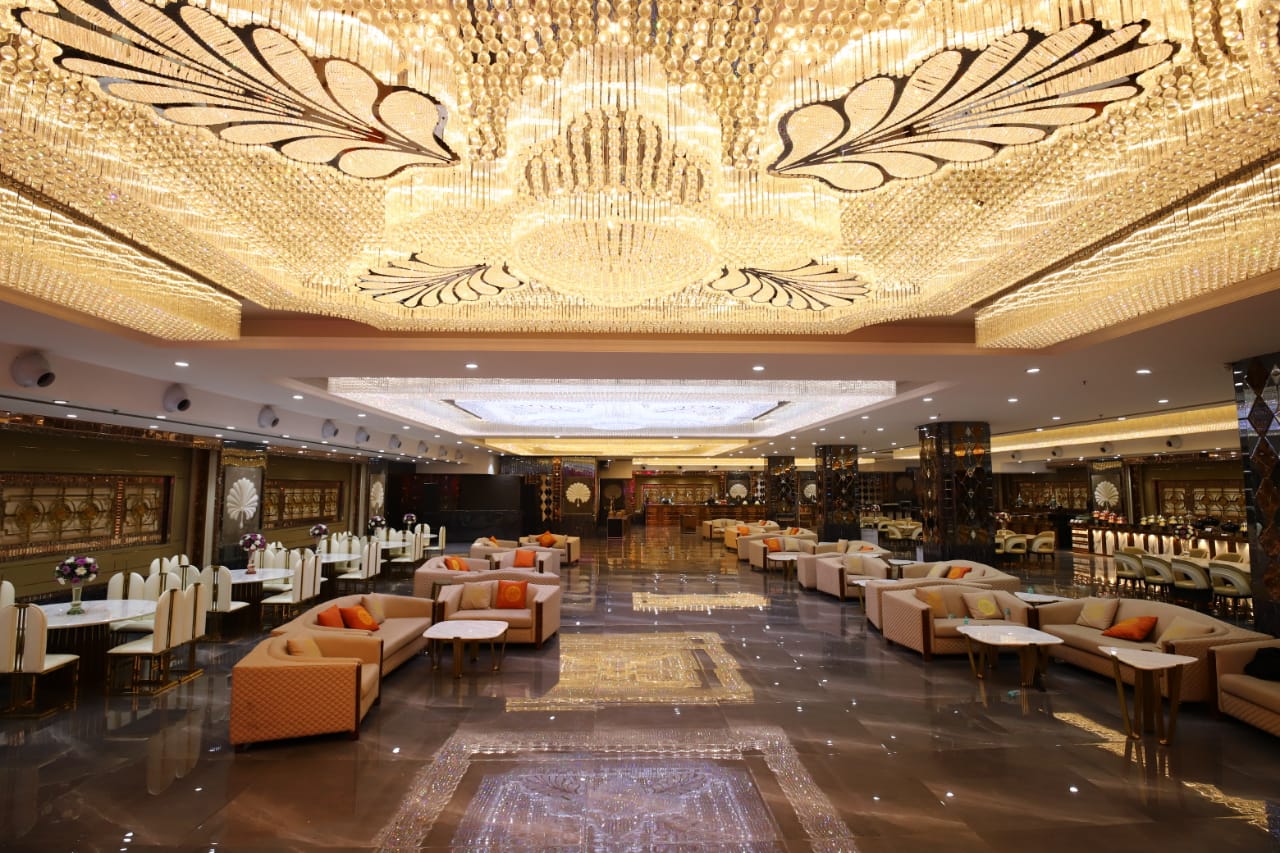
Our Banquet Halls are centrally Air-Conditioned. We run our AC on generators and hence it never stops and it is very effective in the middle of summer too.