
Strategies for organising a multigenerational family reunion
A multigenerational family reunion succeeds when every age group feels included in the planning and the event itself. Grandparents may value comfortable seating, familiar conversation and enough time to reconnect, while younger relatives often prefer music, variety and shared activities. The best approach is to identify individual needs without making assumptions based on age.
Australian families frequently live across Sydney, Melbourne, Brisbane, regional towns and rural districts. Domestic flights make a gathering possible, yet airport transfers, long drives and unfamiliar surroundings can tire older relatives. Shorter itineraries, daytime gatherings and accommodation near public transport or a family home can make attendance easier.
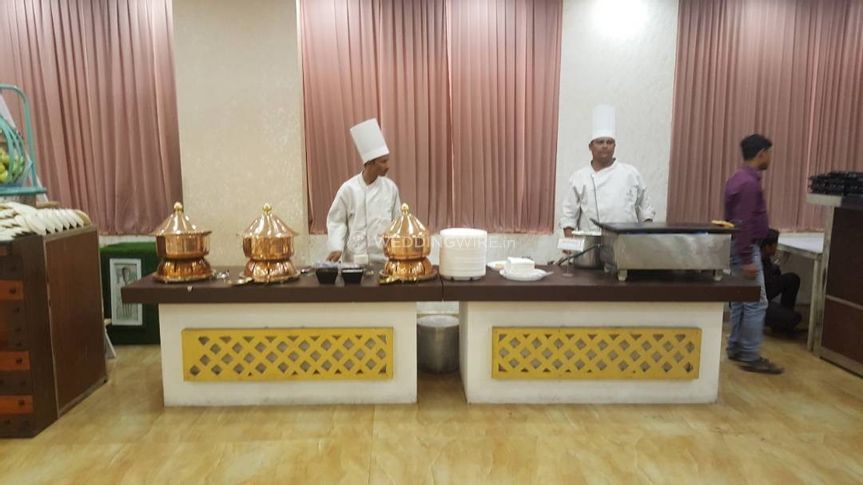
Pearl Grand Banana Tree in Sahibabad, Ghaziabad, illustrates how a purpose-built venue can support a large reunion. Its banquet and event spaces suit weddings, receptions, pre-wedding ceremonies, birthdays, anniversaries and corporate functions. Vegetarian multi-cuisine catering, décor assistance and experienced hospitality staff allow family volunteers to focus on guests rather than logistics.
The venue’s location near Kaushambi Metro Station and Pacific Mall is useful for relatives arriving from different parts of India. For Australian families holding a similar gathering locally, the same principles apply: accessible facilities, flexible food choices, reliable transport and a clear support plan matter more than an elaborate programme.
Start with the needs of each family group
Begin with a guest needs list covering mobility, hearing, vision, dietary requirements, faith, alcohol consumption and preferred social pace. Include access to a quiet room, seating with back support, shade, hydration and medication storage. Ask one contact in each family branch to gather responses rather than relying on one organiser to chase everyone.
Assign distinct responsibilities, including date selection, travel coordination, finance, guest support and vendor management. A small planning group works best because every relative does not need to approve every decision. Set a budget ceiling, identify one final decision-maker and nominate a backup for urgent problems.
Build the schedule around connection rather than a tightly packed timetable. Allow a welcome drink, a meal with seating reserved for older guests, a short family activity and unstructured time for conversations. Keep speeches brief, provide regular breaks and avoid late finishes when children or older travellers will be travelling home.
Choose dates and travel with care
Weekends are usually the easiest gathering time in Australia, but public holidays and school holidays can alter airline prices, hotel availability and traffic. Compare dates in several states because local calendars differ. A Friday afternoon arrival followed by a Saturday daytime reunion can reduce leave requirements and give tired travellers time to settle.
Plan each journey as a complete experience. Travelling from Sydney or Melbourne to another capital city may involve a flight, airport transfer and a hotel check-in, so relatives with limited mobility should not face unnecessary changes. In hot weather, transport breaks and accessible venues become particularly important. Build in contingency time for delayed flights and seasonal heat.
Collect travel details through one shared planning resource with a firm RSVP deadline. Record arrival and departure times, dietary needs, accommodation requirements and emergency contacts. Ask guests about the assistance they genuinely want, then arrange airport transfers, shuttle services or nearby accommodation as one coordinated package.
Select a venue and food experience that works
Evaluate venues for step-free access, suitable toilets, air-conditioning, lighting, parking, public transport and a room where children can play without disturbing adult conversations. A separate quiet area is valuable for anyone needing rest. In Melbourne, Sydney and Brisbane, summer heat can make indoor comfort and nearby transport essential parts of the venue brief.
Food businesses in Australia must follow the food safety standards of their state or territory. Alcohol service is governed by separate licensing and responsible-service requirements, which differ between jurisdictions. Confirm these rules before promising BYO drinks or free alcohol at an event. Use licensed staff where required and display clear drink choices, including alcohol-free options.
Build a menu around familiar dishes while recognising Australia’s culturally diverse catering market. Vegetarian meals, fresh flatbreads, rice dishes, salads and shared platters often work well for a large family meal. Label common allergens such as peanuts, tree nuts, dairy, gluten and sesame. Ask caterers about smaller children’s portions and provide a buffet line that avoids congestion for guests using walking aids.
For a reunion centred in Sahibabad, Pearl Grand Banana Tree offers the scale and services needed for a substantial gathering. Its vegetarian multi-cuisine catering, event arrangements, décor support and hospitality staff can accommodate varied family preferences, while its position near Kaushambi Metro Station and Pacific Mall simplifies arrival for many guests.
Coordinate communication, money and support
Use a communication mix suited to Australian family habits rather than assuming everyone checks one app. Email and text may suit younger relatives, while phone calls, printed schedules or notes posted at the venue can help older guests. Send the same core information through several channels and keep one authoritative guest list.
Set a payment schedule for deposits, supplier balances and optional travel reimbursements. Keep a contingency of roughly ten to fifteen per cent for transport changes, extra food, equipment or last-minute accessibility needs. One person should reconcile payments, issue receipts and report spending against the agreed limit.
Plan care beyond the reception desk. Keep a first-aid kit, drinking water, basic weather protection and a list of emergency contacts. Collect only necessary medical information, restrict access to it and delete it after the event. For photographs involving children or vulnerable guests, obtain consent and nominate a family member who can step in if someone becomes uncomfortable.
Compare formats and make the commitment
The length of the gathering should follow the travel involved and the energy of the group. A single-day event is economical and easy to schedule, while an overnight or residential format creates more chances for informal connection. Compare these options against budget, mobility, accommodation and family responsibilities before selecting a format.
| Format | Suitable circumstances | Main trade-off | Decide this first |
|---|---|---|---|
| Daytime brunch | Nearby guests, children and limited budgets | Less time for extended conversation | Meal time and attendance cost |
| Single-day reunion | Families travelling within a few hours | Everyone returns home tired | Transport and activity length |
| Residential gathering | Relatives needing time to connect | Higher accommodation and planning costs | Room allocation and meals |
| Holiday reunion | Families from several cities or countries | Complex travel and larger budget | Flights, transfers and insurance |
A residential gathering works particularly well when relatives live across different states. A day event remains practical when most guests stay within driving distance, while a brunch suits grandparents, young children and families who cannot leave work until midday. Match the format to the least mobile guests instead of the most energetic members.
Record the chosen format, provisional dates, budget, venue shortlist and coordinator names in one place. Assign each person a specific deliverable and a deadline, then hold a short review before payments become non-refundable. Create one shared reunion planning document today and enter the preferred format, provisional date, budget cap and family coordinator.
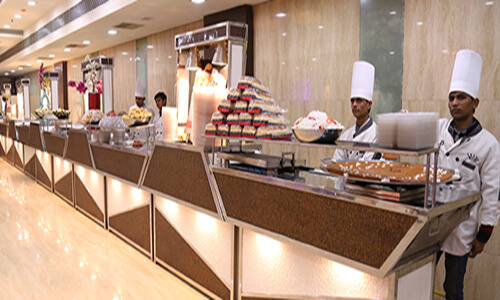
We have a specialized team of highly trained and experienced managers all from 5 stars, captains and other staff and they look after all of the needs of the guests. Our staff is dedicated, polite, courteous, neat and honest
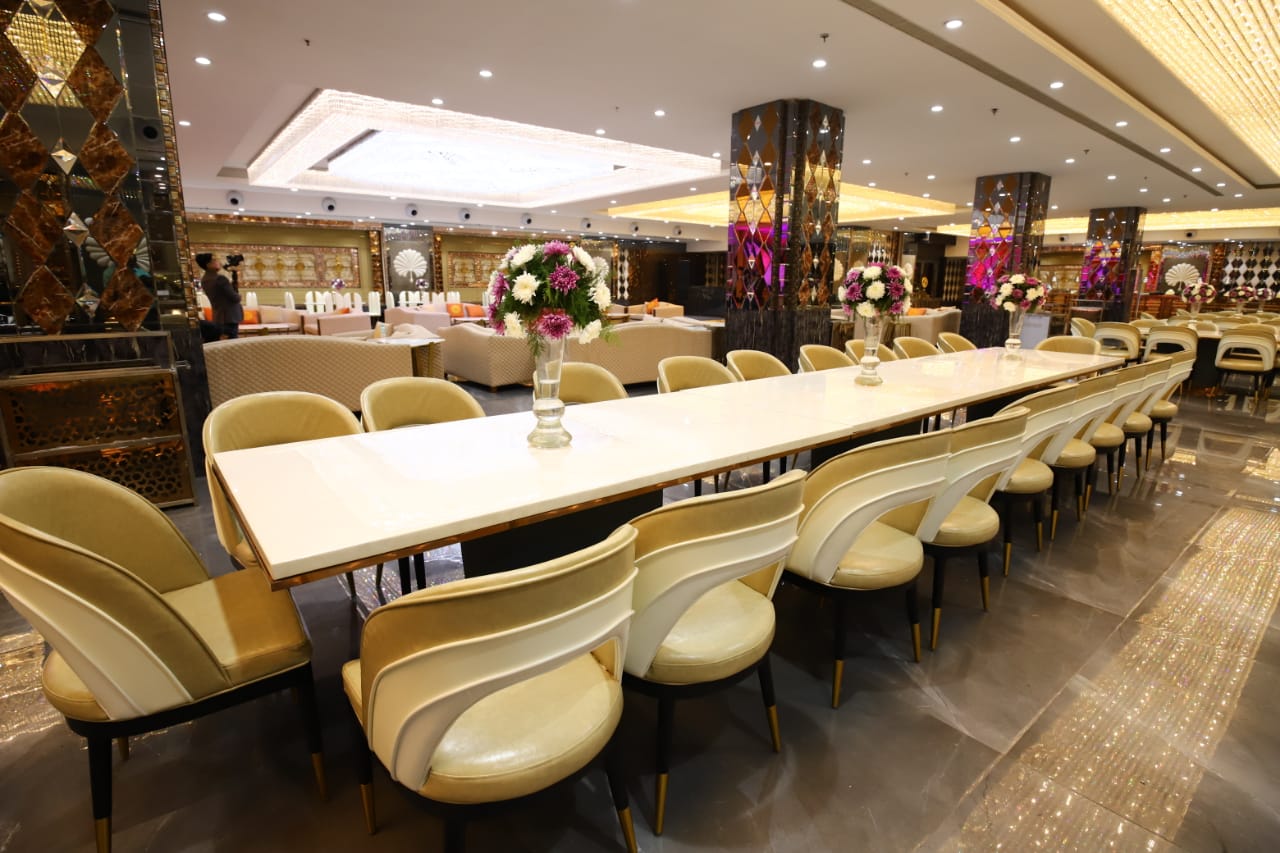
Spacious Elevators and escalated staircase is installed for convenience of our guests. All halls come with Bridle Room with lock for security of belongings of guest. Special Bar Counters

We are serving delicious snacks, some of them have been developed by our expert chefs, and they are our gift to the food industry. We serve full quantity of snacks from start till end of the function.
We provide ´Valet Parking´ facility at no extra cost to you. The cars of our guests shall be parked by our expert Valet parking drivers.

The richness of the ambience can be felt from the Cascading waterfalls, ornamental crystal chandeliers, beautiful Italian marble, light emitting onyx stone and ornate wood work. We have halls large enough to hold parties of 80 to 5000 guests. Beauty of our halls is unmatched in whole of East Delhi.
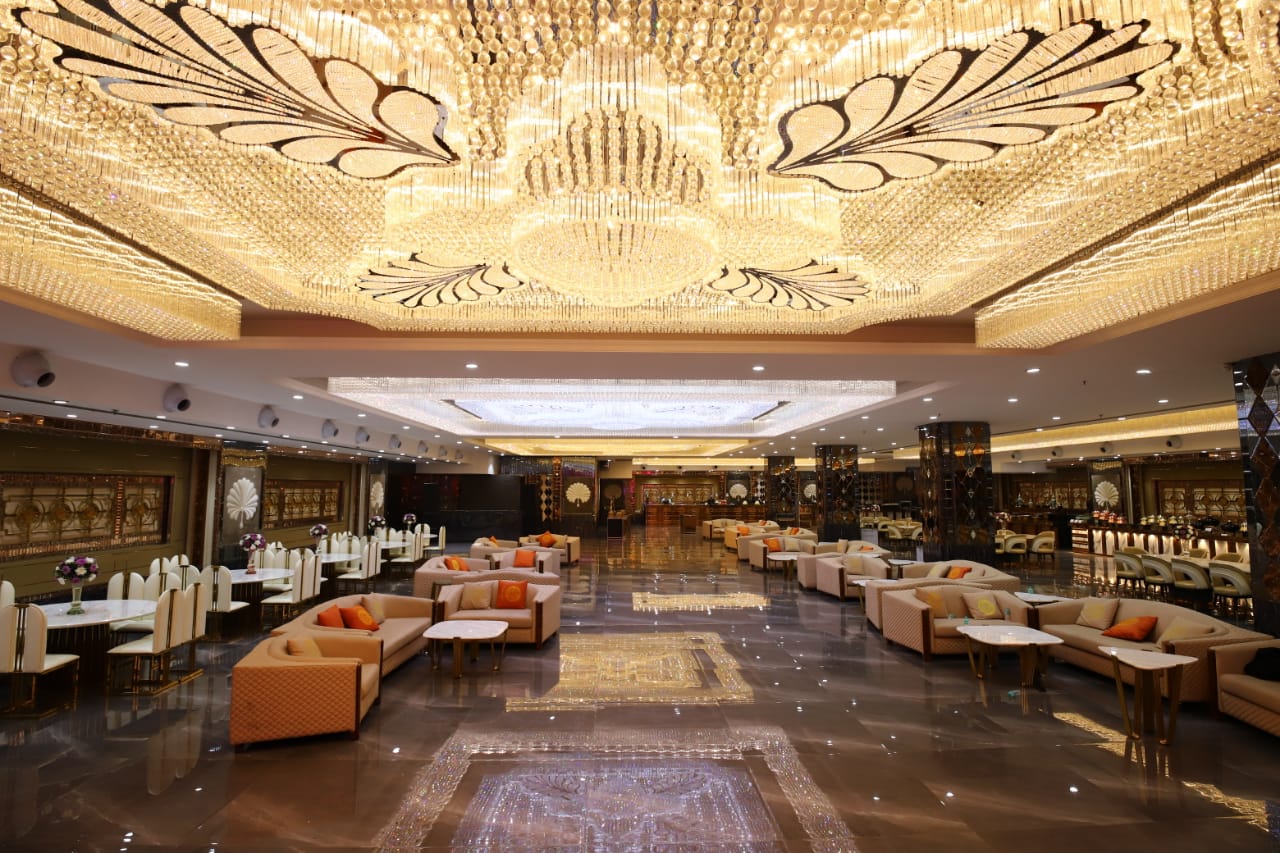
Our Banquet Halls are centrally Air-Conditioned. We run our AC on generators and hence it never stops and it is very effective in the middle of summer too.