
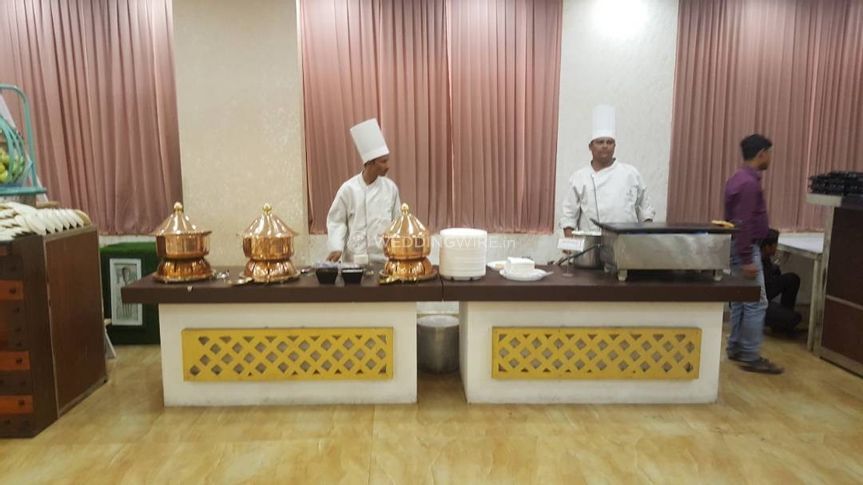
The Art of Writing a Seamless Event Timeline for Your Big Day
A well-written event timeline does more than list times. It creates a shared rhythm for the couple, family, venue team, caterers, decorators, photographers and guests. Each person should know where to be, what happens next and which moments cannot move.
This is especially important for large Indian celebrations, where a single day may include a ceremony, welcome drinks, family photographs, meals, speeches, performances and dancing. At Pearl Grand Banana Tree in Sahibabad, Ghaziabad, a clear schedule helps the venue coordinate its banquet space, vegetarian multi-cuisine catering, décor and hospitality staff without making the occasion feel rushed.
For Australian families organising a celebration in India, planning may involve time zones, international travel and guests arriving from cities such as Sydney, Melbourne, Brisbane or Perth. A practical run sheet bridges those differences and gives everyone confidence before the first guest walks through the door.
Start With The Experience You Want To Create
Begin with the guest experience rather than a list of supplier tasks. Decide whether the day should feel relaxed and social, formal and ceremonial, energetic and entertainment-led, or carefully balanced between tradition and celebration. This choice determines how much time to allow for arrivals, transitions and pauses.
For example, a wedding reception with speeches and performances needs quiet preparation periods backstage, while a birthday or anniversary may require more flexible mingling time. Write the major emotional moments first: the entrance, ceremony, meal, family rituals, cake cutting, speeches, first dance or farewell.
Then place practical activities around those anchors. Allow enough time for guests to find the correct hall, settle into their seats and take photographs. A schedule that looks efficient on paper can feel uncomfortable if every five-minute gap is used.
Build The Schedule Around Fixed Anchors
Some timings are controlled by external factors. Ceremony rituals may follow a priest’s guidance, sunset can affect outdoor photographs, and catering service depends on kitchen preparation. These fixed anchors should appear first in the timeline, followed by flexible elements such as casual photographs, music and informal conversations.
Australian planning habits can influence the schedule too. Guests from Melbourne or Sydney may be used to punctual start times, while a traditional Indian function may naturally include a little flexibility. The solution is to identify a firm guest-facing start time and a separate internal preparation time. This protects the experience without creating unnecessary pressure.
If relatives are travelling from Australia, show both Indian Standard Time and Australian Eastern time in the planning documents during coordination. Sydney and Melbourne also observe daylight saving, so the time difference with India changes during the year. A shared digital calendar should state the location and time zone clearly rather than relying on abbreviations alone.
| Event element | Suggested planning approach | Flexibility |
|---|---|---|
| Guest arrival | Open access 30–45 minutes before the main moment | High |
| Ceremony or formal entrance | Confirm the exact start with the officiant and venue | Low |
| Family photographs | Group names and order prepared in advance | Medium |
| Meal service | Coordinate with kitchen, speeches and performances | Medium |
| Speeches | Set a speaker limit and provide a running order | Low |
| Dancing or entertainment | Keep a small buffer before and after each act | Medium |
| Departure | Allow time for gifts, transport and final photographs | High |
Make Guest Movement Feel Effortless
A seamless timeline accounts for movement, not just activities. Guests may need to walk between the entrance, stage, dining area, washrooms, photograph points and parking or transport pick-up areas. At a large venue near Kaushambi Metro Station and Pacific Mall, clear arrival information can make the first part of the event much easier for people unfamiliar with Sahibabad.
Create separate instructions for guests and suppliers. The guest version should show arrival, ceremony, meal and entertainment times in simple language. The production version should include décor access, sound checks, food service, lighting changes, green room use and the person authorised to make decisions.
Build in transition windows after major moments. A family photograph may take longer than expected when several generations are involved, and a buffet opening can create a sudden rush. A five- to fifteen-minute buffer between key activities gives the coordinator room to absorb delays without announcing changes to everyone.
Protect The Day With Clear Responsibilities
A timeline becomes useful when every task has an owner. Instead of writing “photographs at 5 pm”, specify who gathers each family group, who checks that the photographer is ready and who releases guests for the next activity. Assigning responsibility prevents the host from managing details while trying to enjoy the celebration.
For Australian clients, cost and compliance details should be recorded alongside creative plans. If an Australian supplier or service provider is involved, check whether quoted prices include GST, since consumer-facing prices in Australia generally need to display the total payable amount. If alcohol is served at an Australian-side event, responsible service requirements and state or territory liquor rules may apply; for an event in India, confirm the relevant local permissions with the venue instead.
Use one master schedule, one contact list and one decision-maker. Share the final version with the venue, caterer, decorator, entertainment team and key family representatives several days before the event.
Practical Details That Keep The Schedule Stable
- Set a formal supplier arrival time separate from the guest arrival time.
- Confirm the ceremony duration with the officiant instead of estimating it.
- Give the caterer exact times for welcome refreshments, buffet opening and dessert.
- Prepare a group photograph list with names, order and a responsible family coordinator.
- Add a weather or traffic alternative for arrivals, photographs and transport.
- Record dietary requirements, including vegetarian, vegan and allergy-related needs.
- Nominate one person to approve timing changes during the celebration.
A dietary note should reach the catering team early, particularly when guests are flying in from Australia with allergy expectations shaped by Australian food-service practices. Clear labels and a direct explanation from service staff can prevent confusion at the buffet.
Turn The Draft Into A Shared Run Sheet
The first version should be detailed, but the final guest-facing schedule should be easy to scan. Use plain time labels, short descriptions and a clear distinction between public timings and behind-the-scenes preparation. Avoid filling the document with supplier jargon that guests do not need.
Review the schedule in three passes. First, check whether the order makes sense emotionally. Next, test the logistics: travel time, sound checks, food service, photographs and room changes. Finally, read it from a guest’s perspective and remove anything that creates uncertainty.
Keep the document current when arrangements change. A late décor delivery, altered speech order or different ceremony length can affect several later activities, so update every copy rather than relying on verbal messages. For a celebration at Pearl Grand Banana Tree, the venue’s experienced hospitality team can use the final run sheet to align catering, décor, guest service and event flow.
The next step is to create a one-page draft with the ceremony, meal, photographs, speeches and entertainment as fixed anchors, then send it to the venue coordinator for timing review.
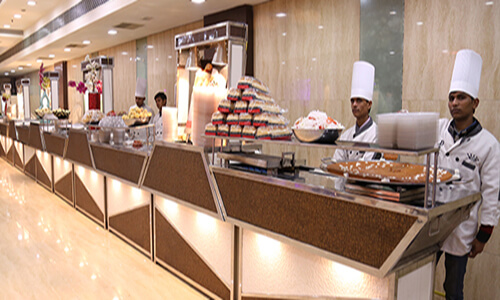
We have a specialized team of highly trained and experienced managers all from 5 stars, captains and other staff and they look after all of the needs of the guests. Our staff is dedicated, polite, courteous, neat and honest
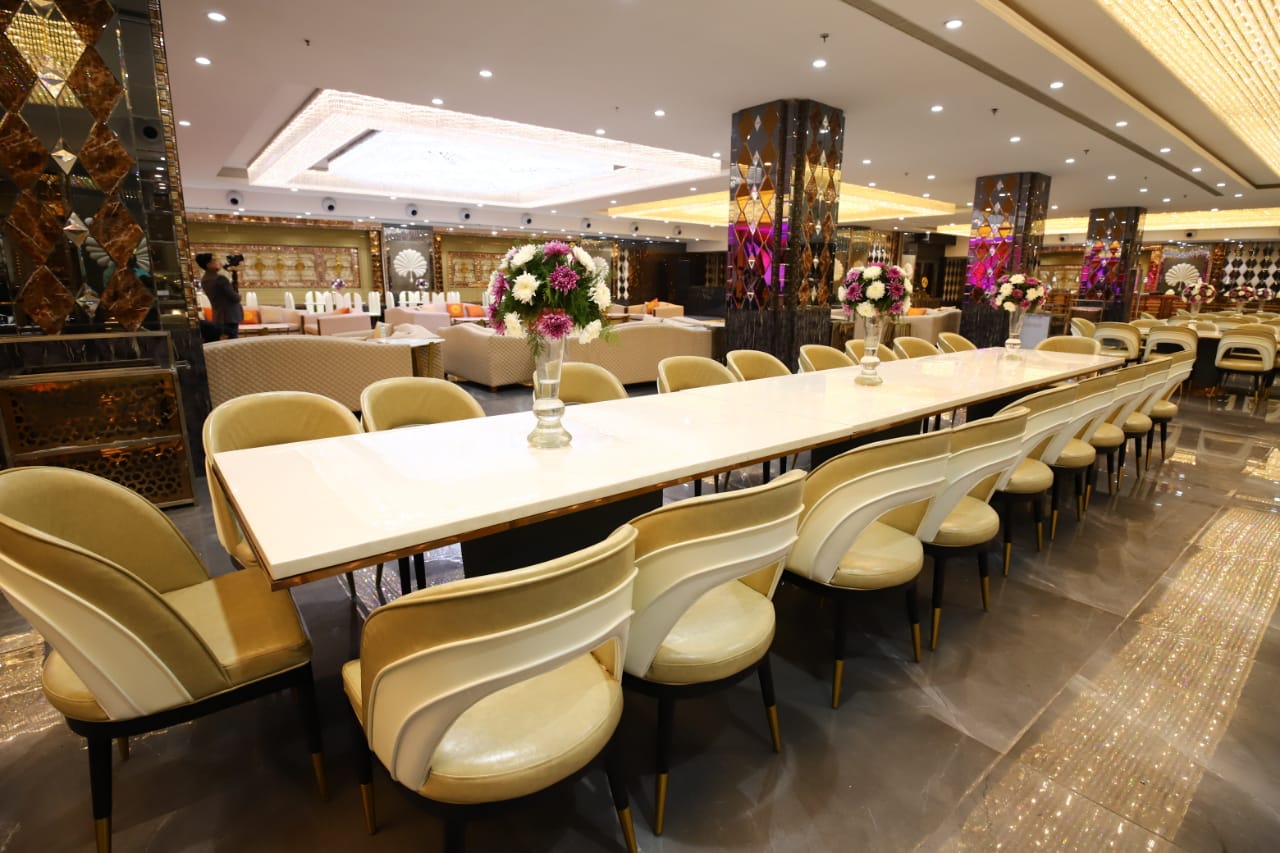
Spacious Elevators and escalated staircase is installed for convenience of our guests. All halls come with Bridle Room with lock for security of belongings of guest. Special Bar Counters

We are serving delicious snacks, some of them have been developed by our expert chefs, and they are our gift to the food industry. We serve full quantity of snacks from start till end of the function.
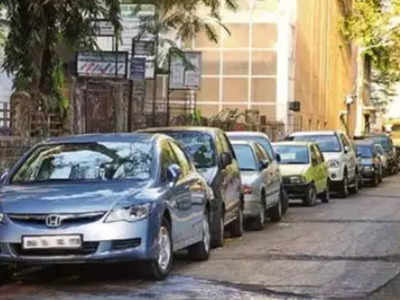
We provide ´Valet Parking´ facility at no extra cost to you. The cars of our guests shall be parked by our expert Valet parking drivers.

The richness of the ambience can be felt from the Cascading waterfalls, ornamental crystal chandeliers, beautiful Italian marble, light emitting onyx stone and ornate wood work. We have halls large enough to hold parties of 80 to 5000 guests. Beauty of our halls is unmatched in whole of East Delhi.
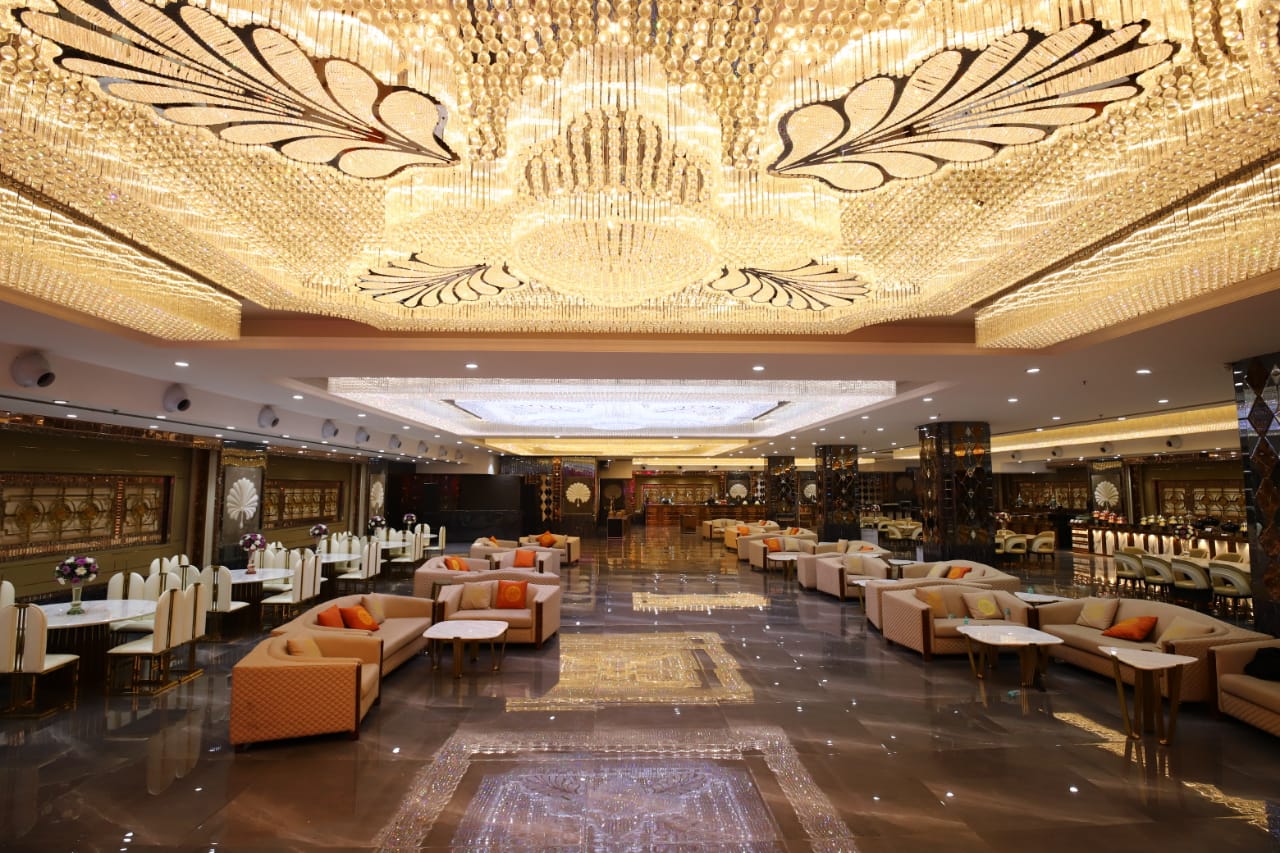
Our Banquet Halls are centrally Air-Conditioned. We run our AC on generators and hence it never stops and it is very effective in the middle of summer too.