
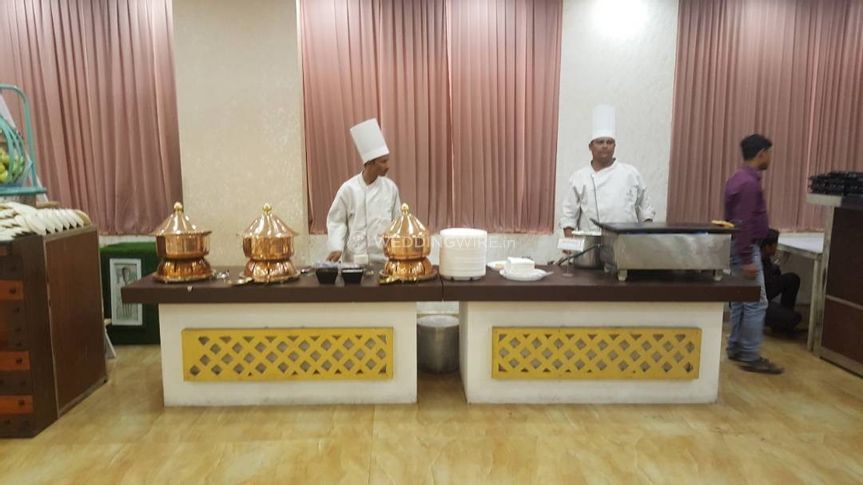
Why Food Tasting Matters Before Your Event
Food is one of the clearest memories guests take home from a wedding, birthday, reception or corporate gathering. Décor may create the first impression, but the menu shapes the mood throughout the occasion. A food tasting session gives you the chance to experience the dishes, service style and presentation before committing to a large event menu.
For families and organisers arranging celebrations from Australia, tasting is especially valuable when the event is being held overseas or features Indian vegetarian multi-cuisine catering. It helps bridge differences in spice preferences, portion expectations, dietary requirements and service traditions, while giving the venue a clear understanding of what your guests will enjoy.
A Tasting Turns Promises Into Evidence
A menu description can sound appealing without revealing how a dish will actually taste. A tasting session lets you assess seasoning, texture, freshness, temperature and presentation in real conditions. You can decide whether the flavours suit a mixed group that may include children, older relatives and guests unfamiliar with Indian cuisine.
This is also an opportunity to check whether the food matches the occasion. A formal reception may need elegant plated starters and refined desserts, while a lively birthday party could work better with generous buffet stations and easy-to-eat snacks. Planning resources such as match venue to numbers can help connect menu decisions with the size and style of the gathering.
A tasting can reveal practical details that photographs cannot. You may notice that a canapé is difficult to handle while standing, that a curry loses its balance when served warm rather than hot, or that a dessert station needs clearer labelling. Addressing these points early prevents avoidable disappointment on the event day.
Flavour Should Suit The Guest List
Australian guests often have varied food habits. Someone from Melbourne may be comfortable with modern fusion flavours, while a guest used to familiar home cooking may prefer milder seasoning and recognisable ingredients. People in Sydney, Brisbane and Perth also increasingly expect menus to include vegetarian, vegan, gluten-free and lighter choices without making those dishes feel like an afterthought.
A tasting gives you room to create balance rather than simply selecting the most impressive dishes. Consider pairing rich gravies with fresh salads, roasted vegetables, breads, rice dishes and cooling accompaniments. Include mild options for children and guests who do not regularly eat chilli, while keeping a few distinctive regional flavours for people who want a more adventurous meal.
Coffee culture is another small but relevant Australian detail. Many guests are accustomed to a strong flat white, espresso or quality tea after a meal, so beverage planning deserves the same care as the food. If the venue primarily serves Indian-style tea or filter coffee, discuss whether an additional coffee arrangement is needed for an Australian guest group.
Dietary Details Worth Checking
Food preferences should be discussed before the tasting, not discovered while guests are lining up at the buffet. Australian food businesses commonly use Food Standards Australia New Zealand guidance when communicating allergens, and guests increasingly expect clear information about ingredients. A venue in India may follow different local processes, so written confirmation is useful for everyone involved.
Ask the catering team how separate vegetarian, vegan and gluten-free dishes will be prepared and served. Shared utensils, sauces and cooking surfaces can create problems even when a dish appears suitable. Where a guest has a serious allergy, provide the venue with the exact ingredient concern and request a clear process rather than relying on a general “allergen-friendly” label.
Useful points to confirm include:
- Whether dishes contain nuts, peanuts, sesame, dairy, eggs, soy or wheat
- Whether vegan items use ghee, butter, paneer, cream or yoghurt
- How gluten-free food is stored, cooked and labelled
- Whether children’s portions and low-spice meals are available
- Whether religious or personal dietary requirements can be managed separately
Bring a guest list summary to the session, even if final numbers are not confirmed. This helps the chef recommend substitutions that preserve the character of the menu instead of offering a plain or limited alternative.
Test Service As Well As Food
A successful tasting should examine the complete dining experience. Notice how the team describes each dish, how quickly samples arrive and whether staff can answer ingredient questions confidently. The same hospitality standards matter during a wedding reception, corporate dinner or family celebration when hundreds of portions may be served.
Ask to see how buffet labels, serving utensils and food stations will be arranged. Temperature control is particularly important in warm weather, and the venue should explain how hot and cold dishes will be maintained safely. If the event includes outdoor areas, confirm how the kitchen team will protect food from heat, dust and delays.
For an Australian organiser paying in another currency, request a detailed written quotation in addition to tasting notes. Make sure the price explains service charges, taxes, décor, beverages, staffing and any late-night or extended-hours costs. Australian buyers are familiar with GST-inclusive pricing and transparent consumer agreements, so unclear extras can create tension even when the food itself is excellent.
Questions To Ask At The Session
The tasting should feel collaborative rather than ceremonial. Give the chef and event coordinator honest feedback, but describe the reason behind each request. “Less spicy” could mean less chilli, less garam masala or a gentler overall flavour, and those changes produce different results in the kitchen.
It is also wise to taste the menu in the order guests are likely to experience it. Start with welcome drinks and canapés, move through starters and mains, then finish with desserts and tea or coffee. This reveals whether the meal feels balanced or becomes too heavy before the final course.
Keep a simple record during the appointment:
- Dish name, ingredients and preferred serving temperature
- Changes requested and who approved them
- Portion style, buffet position or plated presentation
- Dietary labels and separate preparation arrangements
- Final menu version, pricing and cancellation terms
If alcohol is part of the plan, discuss it separately from the food menu. Liquor licensing rules vary across Australian states such as Victoria and New South Wales, while the event itself may be governed by local Indian requirements. Confirm who is responsible for permits, service limits and responsible service procedures before adding alcohol to the package.
Make The Final Menu Decision
After the session, allow time to compare notes rather than choosing under pressure. A menu may contain several delicious dishes but still feel excessive, repetitive or difficult to serve. Look for a combination that reflects the event’s identity, accommodates the guest list and remains practical within the agreed budget.
Pearl Grand Banana Tree offers event spaces and hospitality support near Kaushambi Metro Station and Pacific Mall in Sahibabad, Ghaziabad. Its capacity for large gatherings makes coordination especially important: the final menu should be supported by enough service staff, suitable buffet access, clear signage and a realistic serving timeline.
Record the approved dishes, dietary arrangements, presentation style and commercial terms in one document. Send that signed menu to the venue and your event coordinator so the tasting decisions become the working plan rather than informal memories. Before paying the final deposit, schedule the tasting and take the written menu brief with you.
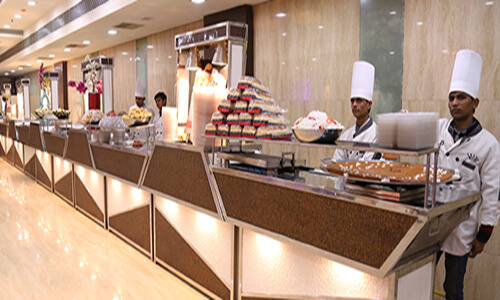
We have a specialized team of highly trained and experienced managers all from 5 stars, captains and other staff and they look after all of the needs of the guests. Our staff is dedicated, polite, courteous, neat and honest
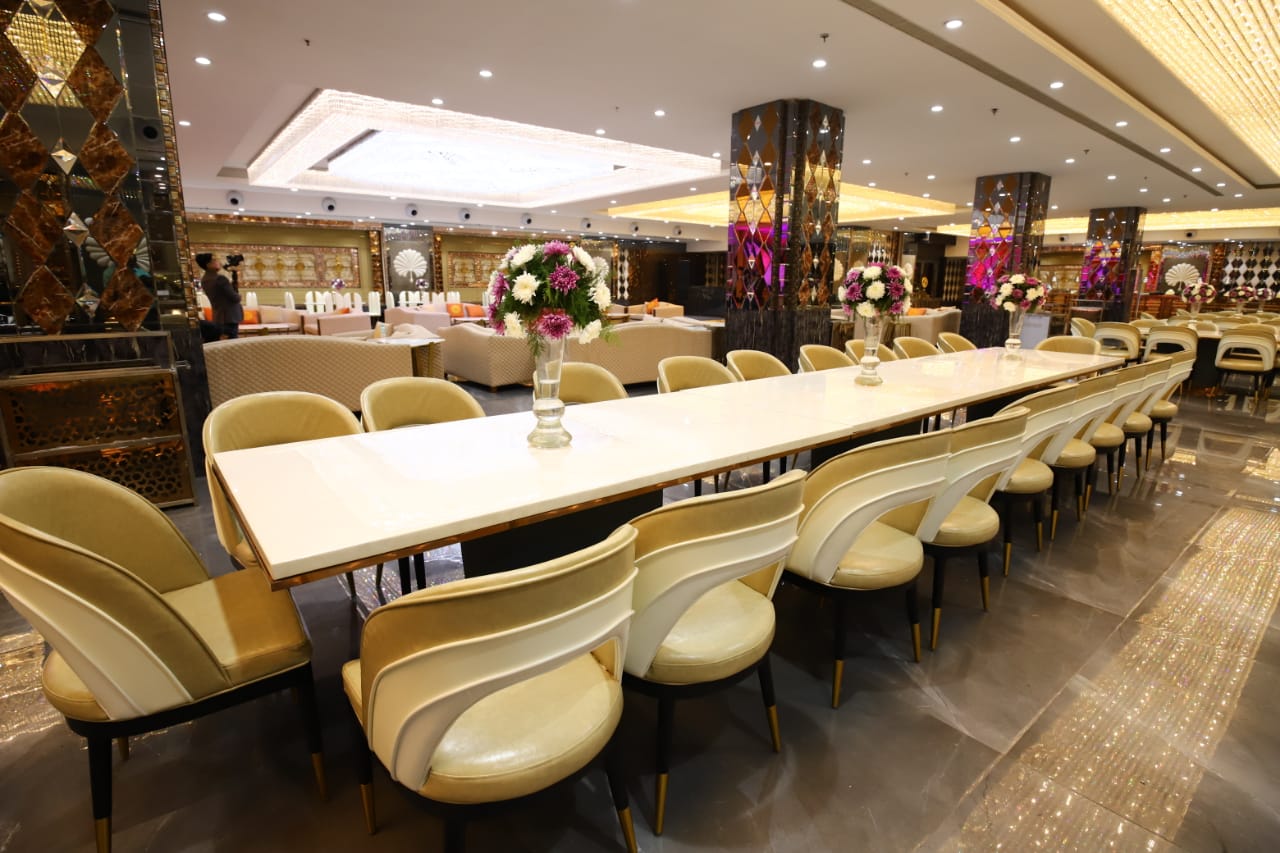
Spacious Elevators and escalated staircase is installed for convenience of our guests. All halls come with Bridle Room with lock for security of belongings of guest. Special Bar Counters

We are serving delicious snacks, some of them have been developed by our expert chefs, and they are our gift to the food industry. We serve full quantity of snacks from start till end of the function.

We provide ´Valet Parking´ facility at no extra cost to you. The cars of our guests shall be parked by our expert Valet parking drivers.

The richness of the ambience can be felt from the Cascading waterfalls, ornamental crystal chandeliers, beautiful Italian marble, light emitting onyx stone and ornate wood work. We have halls large enough to hold parties of 80 to 5000 guests. Beauty of our halls is unmatched in whole of East Delhi.
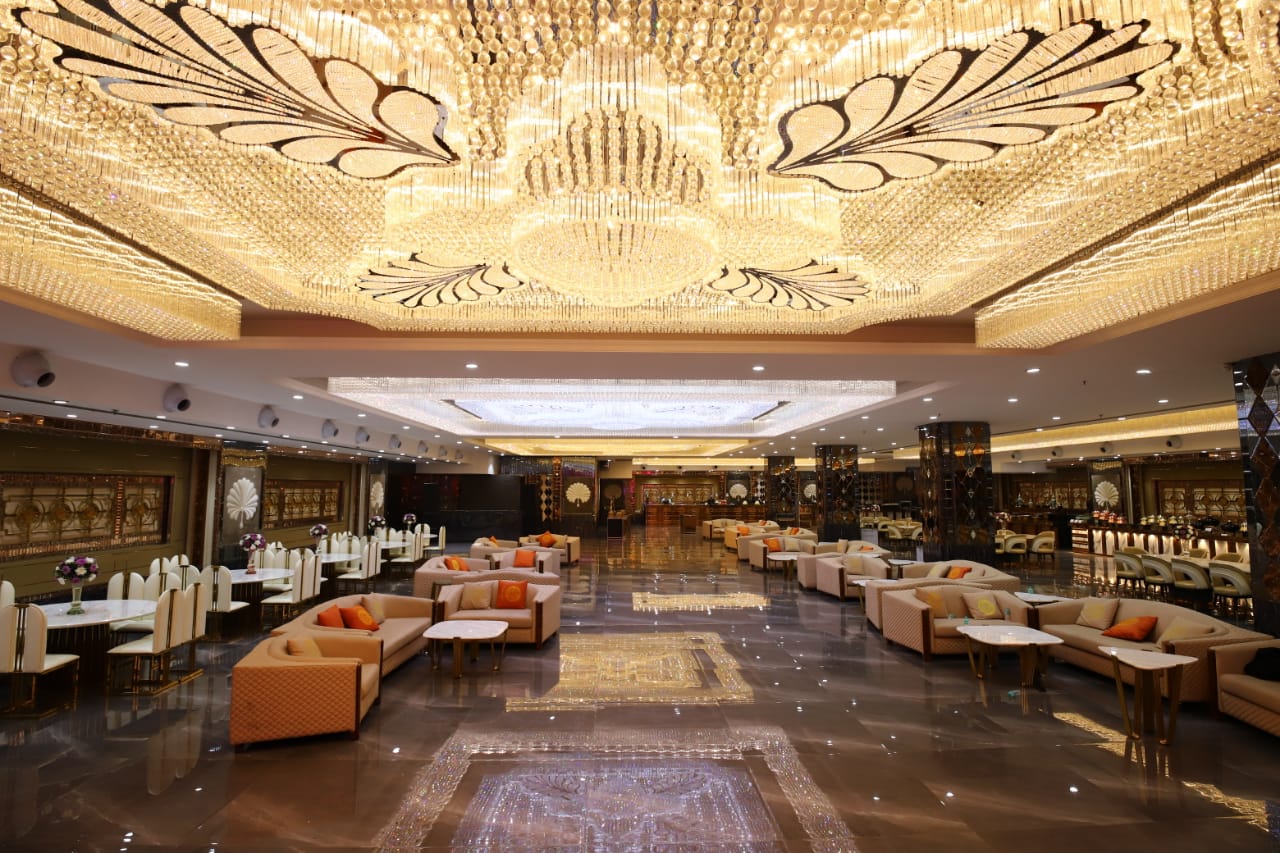
Our Banquet Halls are centrally Air-Conditioned. We run our AC on generators and hence it never stops and it is very effective in the middle of summer too.