
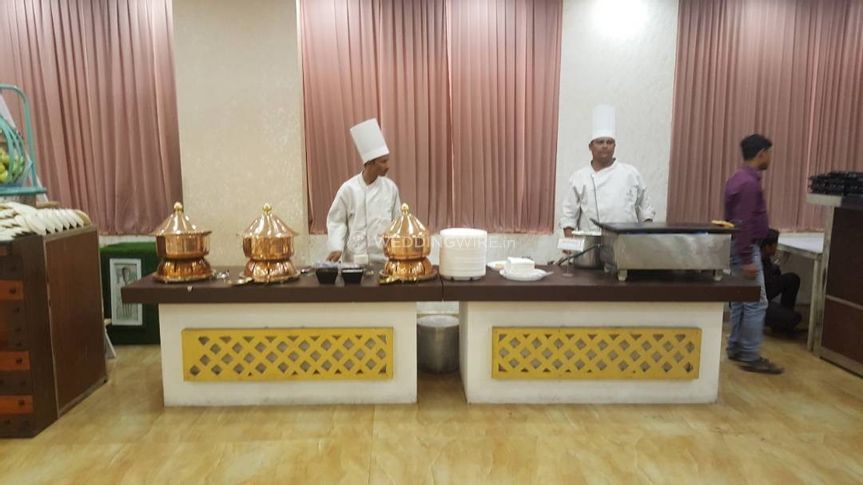
Outdoor food stalls inside a banquet hall
Outdoor-style food stalls bring the energy of a street market into a controlled indoor setting. Guests can watch dishes being assembled, choose portions at their own pace and move between counters instead of waiting for a formal plated service. For weddings, birthdays, receptions and corporate celebrations, this format can make dining feel more social and memorable.
Inside a banquet hall, the concept also becomes easier to manage than a genuinely outdoor food court. There is shelter from rain, heat and wind, reliable power, controlled seating and better access for older guests or children. However, the arrangement needs careful planning because cooking equipment, queues, noise, ventilation and hygiene all share the same enclosed environment.
Why the format attracts guests
Food stations create movement and visual interest. A dosa counter, chaat stall, noodle wok, dessert cart or tandoor display gives guests something to explore while encouraging conversation between courses. This informal style suits modern Australian celebrations, where grazing tables, live cooking and flexible dining are popular at venues in Melbourne, Sydney and Brisbane.
The format is particularly effective when guests have different appetites. Someone may prefer small tastings, while another guest may want a full plate. A stall-based menu can accommodate both without making the whole group follow one fixed sequence. Vegetarian multi-cuisine catering can also offer Indian favourites alongside familiar choices, which is useful for mixed cultural gatherings.
How indoor stalls improve service
A banquet hall gives food vendors or catering teams a defined footprint. Counters can be placed around the room, with tables positioned away from busy service paths. This reduces the pressure on a single buffet line and helps guests distribute themselves across several stations.
Live preparation can improve freshness and presentation. Flatbreads, stir-fries and grilled snacks are best served immediately, while chilled desserts and salads can remain in dedicated temperature-controlled areas. A professional venue such as Pearl Grand Banana Tree can combine food service with décor, hospitality staff and event coordination, helping the stalls feel like part of the overall celebration rather than temporary add-ons.
Where the concept can fall short
The biggest weakness is congestion. A popular stall can attract a long queue, especially when the menu includes made-to-order dishes. If counters are too close together, guests may block entrances, stage areas or access routes. This can make the room feel crowded and prevent servers from moving safely.
There is also a risk of inconsistent service. One station may run out of ingredients while another has excess food. Guests may receive different portion sizes, and late arrivals may find fewer choices. Clear menus, replenishment schedules and enough trained staff are essential for maintaining a smooth experience throughout the event.
Ventilation, temperature and safety
Cooking indoors requires proper ventilation and equipment selection. Strong aromas can be appealing, but heavy smoke, steam or frying smells may become uncomfortable in a sealed hall. Portable induction units, covered griddles and low-smoke cooking methods are often more suitable than open flames.
Australian conditions add another layer of planning. A summer event in Brisbane can involve high humidity, while a Sydney venue may need a plan for sudden temperature changes if doors are opened for deliveries. In Melbourne, where weather can shift quickly, an indoor setup provides valuable certainty, but air-conditioning must be balanced against heat from cooking appliances.
Food safety must remain visible and organised. Hot food should stay at safe temperatures, cold items need suitable refrigeration, and raw and cooked ingredients must be kept separate. Staff should manage allergens clearly, including nuts, dairy, gluten and sesame, as Australian guests increasingly expect transparent dietary information.
Menu planning for a mixed crowd
A successful food-stall menu offers variety without becoming confusing. A practical combination might include one live Indian station, one familiar international option, a light salad or fruit counter, and a dessert or beverage point. Smaller menus often work better because they shorten queues and allow each dish to be prepared well.
Cultural and regional preferences should influence the selection. At an Indian wedding in Sydney or Melbourne, guests may expect chaat, paneer, biryani and sweets, while children and international visitors may appreciate noodles, sandwiches or mild curries. In Australia, vegetarian, vegan, halal and gluten-free requirements should be labelled clearly rather than left for guests to investigate.
Portion design also matters. Small cups, bowls and tasting plates make it easier to sample several dishes and reduce waste. Larger meals can be served at seated tables when needed, while the stalls focus on snacks, appetisers, desserts and interactive specialities.
Practical recommendations for a polished setup
The best results come from treating the stalls as a complete service system rather than decorative counters. Their position, power supply, staff access and relationship to the dance floor should be decided during the first venue planning meeting.
Useful planning priorities include:
- Place high-demand stations at opposite ends of the room to divide queues.
- Use clear signs that identify dishes, spice levels and major allergens.
- Keep cooking equipment away from drapes, children’s areas and main walkways.
- Provide enough serving staff to replenish food and clear used plates quickly.
- Offer a mixture of live dishes, prepared items and seated table service.
- Schedule food releases so every station remains active throughout the event.
- Include accessible counter heights and unobstructed routes for all guests.
A short trial service before the event can reveal practical problems. Staff can test queue length, lighting, plate storage, waste collection and the distance between preparation areas and service counters. This is particularly useful for large receptions where a small delay can affect hundreds of guests.
Matching stalls to the occasion
For a wedding or reception, food counters can reflect the couple’s story, regional heritage or colour palette. Decorative signage, coordinated uniforms and themed serving ware help them connect with the décor. A birthday may suit playful dessert stations, mocktail counters and comfort food, while a corporate function often benefits from faster service and less elaborate presentation.
The hall’s existing facilities should guide the design. Large venues near major transport points, such as areas around Kaushambi Metro Station and Pacific Mall in Ghaziabad, can be convenient for guests arriving from different parts of the region. Ample parking, nearby accommodation and straightforward guest movement are just as important as the menu when planning a large gathering.
Indoor food stalls are also adaptable for anniversary dinners, engagement ceremonies and community events. They can be opened in stages, allowing guests to socialise first and eat later, or arranged as a continuous grazing experience. The right balance depends on the guest profile, event timing and amount of seating available.
Creating a balanced dining experience
Food stalls should add interaction without making guests work too hard for their meals. Plenty of seating, water points, clean table service and quiet areas are important, particularly for older relatives and guests with mobility needs. Background music should support conversation rather than compete with ordering and cooking sounds.
The strongest indoor market-style arrangements combine theatre with control. They provide the freshness and sociability of outdoor dining while retaining the comfort, shelter and organisation of a banquet venue. When layout, ventilation, food safety, staffing and dietary needs are planned together, the result feels generous rather than chaotic.
The key point to remember is that outdoor-style food stalls succeed inside a banquet hall when the atmosphere feels lively, while the service remains safe, accessible and effortless for every guest.
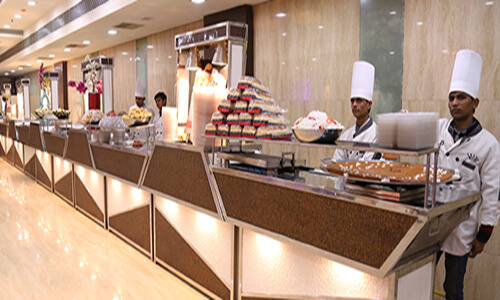
We have a specialized team of highly trained and experienced managers all from 5 stars, captains and other staff and they look after all of the needs of the guests. Our staff is dedicated, polite, courteous, neat and honest
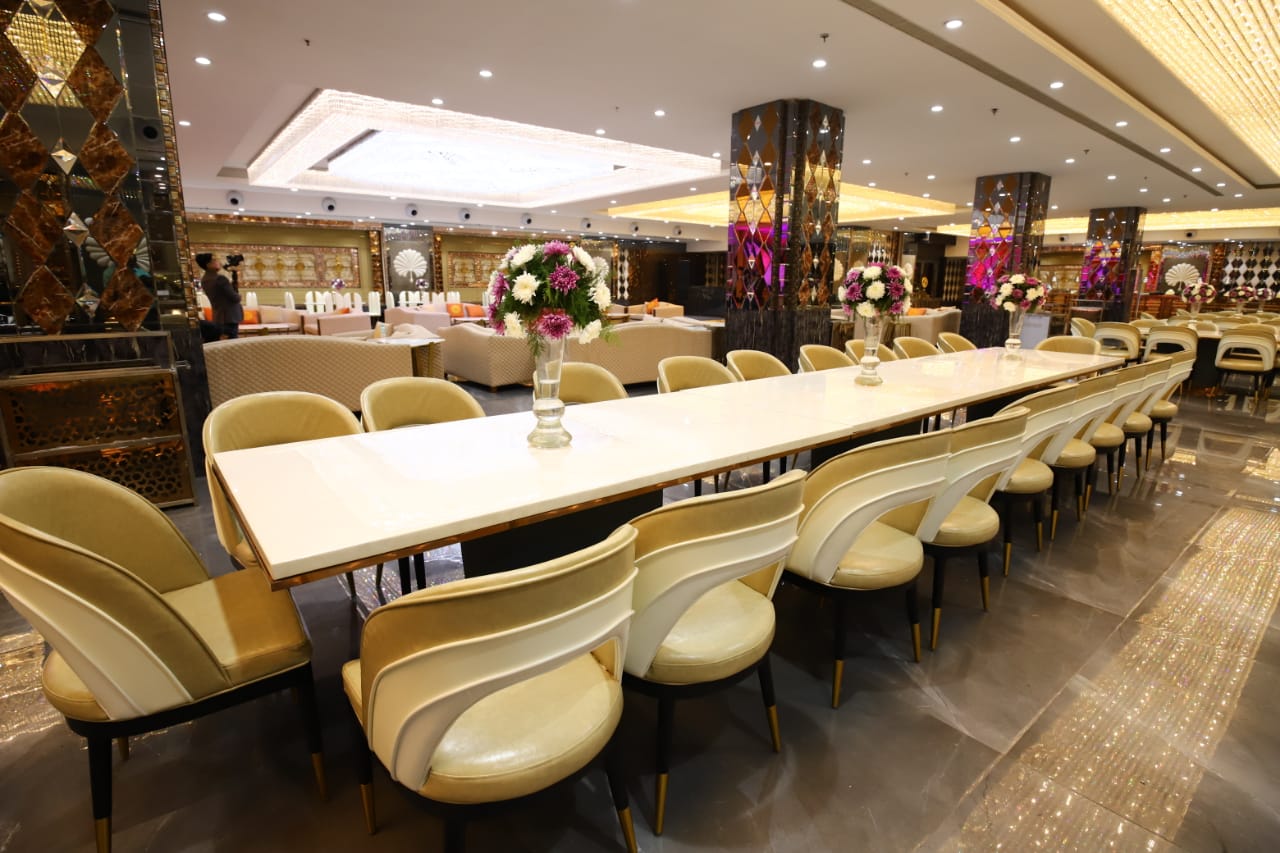
Spacious Elevators and escalated staircase is installed for convenience of our guests. All halls come with Bridle Room with lock for security of belongings of guest. Special Bar Counters
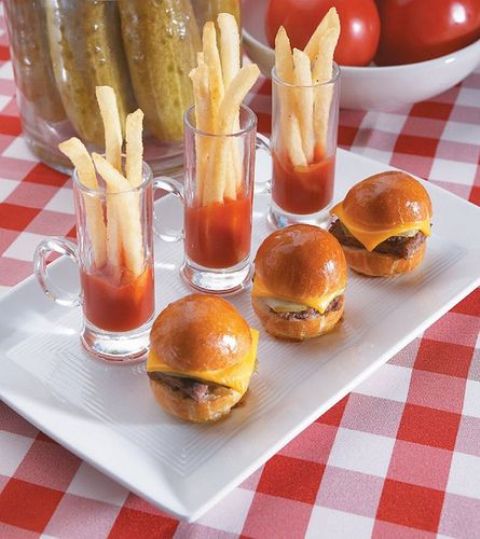
We are serving delicious snacks, some of them have been developed by our expert chefs, and they are our gift to the food industry. We serve full quantity of snacks from start till end of the function.
We provide ´Valet Parking´ facility at no extra cost to you. The cars of our guests shall be parked by our expert Valet parking drivers.

The richness of the ambience can be felt from the Cascading waterfalls, ornamental crystal chandeliers, beautiful Italian marble, light emitting onyx stone and ornate wood work. We have halls large enough to hold parties of 80 to 5000 guests. Beauty of our halls is unmatched in whole of East Delhi.
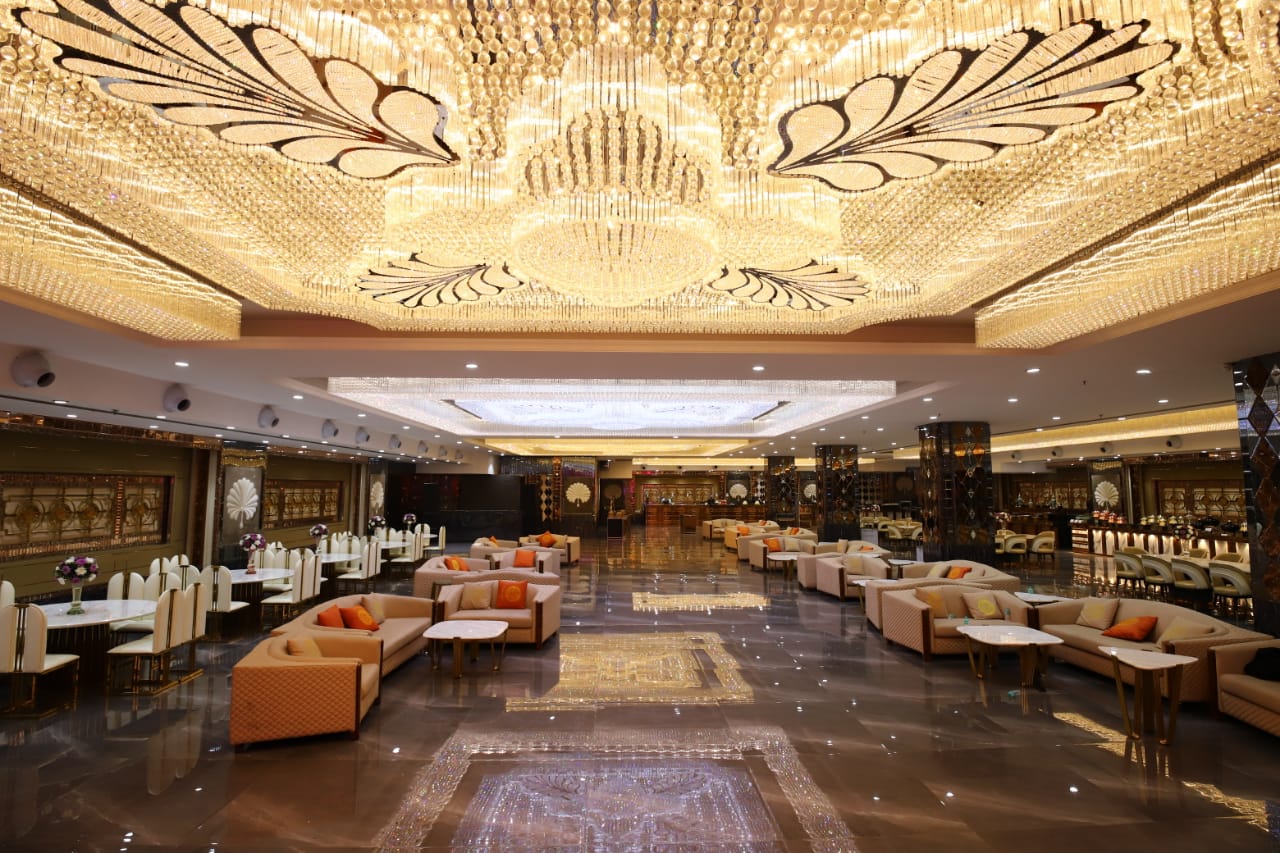
Our Banquet Halls are centrally Air-Conditioned. We run our AC on generators and hence it never stops and it is very effective in the middle of summer too.