
A dedicated event coordinator's role on your function day
When families scattered across Sydney, Melbourne and Brisbane plan a major celebration, the day itself can feel like controlled turbulence. Guests arrive in clusters, caterers need precise cues, decorators want approvals on the fly, and the family wants to simply enjoy the moment. A dedicated event coordinator is the person who absorbs the turbulence so the hosts do not have to. At venues such as Pearl Grand Banana Tree, this role is built into the way the team operates, recognising that a wedding, sangeet or anniversary is rarely just a meal in a hall; it is a day stitched together from a hundred small decisions.
For Indian-Australian households in places like Harris Park or Dandenong, where multi-day functions are common and relatives often travel from different states, the logistics can quickly become overwhelming. Add in a venue in Sahibabad that most of the Australian guests have never visited, and the need for one calm professional on the ground becomes obvious. The coordinator becomes the family's proxy voice, working quietly in the background to translate wishes into action and to keep the day moving forward in step with the plan.
Why one dedicated coordinator changes everything
A function day is filled with micro-decisions that, in isolation, feel trivial but together shape the entire experience. Should the pandit be called five minutes early? Has the photographer been briefed about the entry sequence? Is the aunt who needs seating near the entrance accounted for? When these questions land on the hosts, they pull attention away from the celebration itself. A dedicated coordinator takes ownership of each one, so the family can stay in the moment rather than disappear into logistics.
The benefit compounds over the course of a long Indian function, where the pace rarely slows. From the morning breakfast for the baraat to the late-night dhol, each segment has its own rhythm. Without a coordinator who knows the plan intimately, gaps appear between segments, guests wander, and the energy dips. With one, the day reads like a continuous story rather than a series of disjointed scenes that the family has to glue together.
Building the day's timeline before the event
The most effective coordinators begin work long before the function begins. Weeks ahead, they sit with the family to map every segment, from the arrival window for the bridal party to the timing of the evening's main course. They build a minute-by-minute run sheet that is shared with vendors, photographers and the venue's hospitality team. This single document becomes the reference point for every decision on the day, and it removes the need for lengthy briefings once guests have started to arrive.
Pre-event planning also covers the smaller details that often trip up a function. Who will receive the cake? Where do the gift tables stand? What happens if rain interrupts an outdoor photo session? By the time the day arrives, the coordinator has already answered these questions, so when they come up live, they are answered instantly rather than debated in front of the family or the guests.
Vendor coordination across décor, sound and lighting
Décor teams, sound engineers, lighting crews, photographers and the venue's own staff all arrive with their own priorities. A coordinator's job is to align them into a single working unit. They confirm arrival slots, brief each vendor on the run sheet, and ensure the loading bay at the venue is used efficiently so that setup does not collide with guest entry. They also keep a list of back-up contacts in case any supplier runs late or falls through.
On the day itself, the coordinator walks the floor before guests see it. They check sightlines from the stage, confirm that the sound system is balanced for the room, and verify that the lighting cues match the sequence of the event. For families in Australia used to a more hands-on approach with their suppliers, knowing that one person is bridging these vendors removes a layer of anxiety that often weighs on diaspora hosts who cannot be physically present for every decision.
Managing guest flow and family dynamics
Indian functions often involve extended families with strong opinions and quiet hierarchies. A coordinator learns the seating preferences, the senior relatives who should be greeted first, and the cousins who need to be ushered to their roles. They manage guest flow so that arrivals feel warm rather than chaotic, and so that the hosts are not constantly being pulled aside for decisions that should already have been made.
A few practical details a dedicated professional tends to in this area include:
- Greeting senior family members at a specific point and escorting them to their places
- Managing the entry sequence for the bridal party and ensuring cues line up with the music
- Coordinating the moment when the family joins the stage so photographers have clear sightlines
- Fielding last-minute requests from guests without interrupting the hosts
- Keeping a quiet eye on the gift table, the welcome desk and the entry signage
These tasks sound small in print, but on the day each one prevents a small irritation from becoming a mood-shifting moment for the family.
Troubleshooting in real time without visible stress
Every function day produces at least one surprise. A vendor runs late, a piece of décor fails to arrive, a guest feels unwell, or the weather shifts unexpectedly. The measure of a coordinator is not whether surprises occur, but how calmly they are absorbed. A dedicated coordinator carries a mental list of backups, knows the venue's layout well enough to reroute a procession, and has the authority to make quick calls without lengthy approval cycles.
This quiet competence is what families in Melbourne or Perth often look for when they are choosing a venue from afar. They need to trust that the person on the ground will make a sensible decision and brief them afterwards, rather than calling every five minutes for instructions. That trust, built in the weeks before the function, pays off precisely when the day delivers its first unexpected turn.
Overseeing catering and hospitality standards
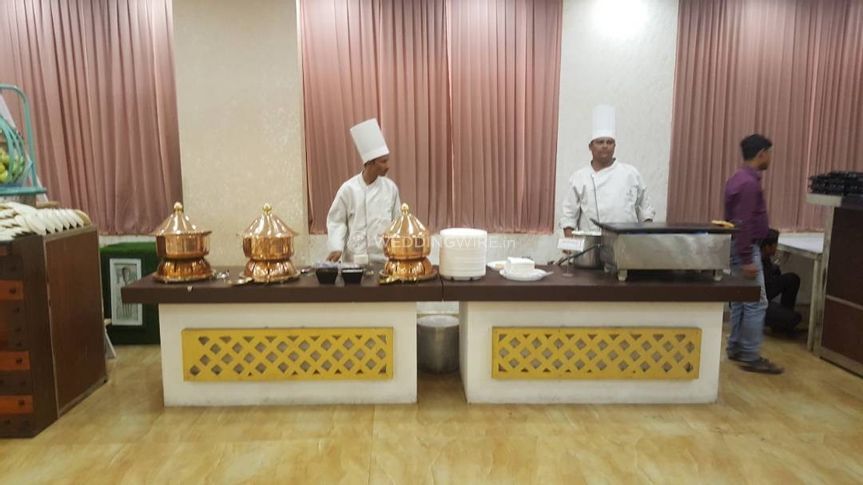
Food is often the centre of an Indian function, and the catering team carries enormous responsibility. A dedicated coordinator works closely with the kitchen on plating times, the sequence of dishes, and the cues for service. They walk the floor to gauge how guests are responding to the spread, and they relay any feedback to the kitchen between courses rather than letting small issues pile up.
This is also where the broader hospitality ecosystem matters. For families who want to bring a flavour of Australia's vibrant casual food culture into the pre-function or after-party moments, options such as chili chillin can sometimes complement a venue's own catering with a different style of casual dining experience. Within the main function itself, however, the coordinator's job is to ensure the in-house multi-cuisine service runs like clockwork.
A few elements the coordinator pays attention to during service include:
- The order in which tables are served, often beginning with senior guests
- The temperature and presentation of each course as it leaves the kitchen
- The pace of service so that guests are not left waiting or rushed
- Refilling water, bread and accompaniments before tables flag a need
- Coordinating the tea, coffee and dessert stations with the evening's flow
These small acts of attention are what separate an average function from one that guests talk about for years.
The wind-down after the final guest departs
A coordinator's work does not end when the last guest leaves. They oversee the handover of gifts and personal items, ensure the venue is left in the agreed condition, and settle accounts with vendors. They also pass on any follow-up items to the family, such as photographs that need approval, mementos that were left behind, or thank-you notes that should be sent. For families returning to Brisbane or Adelaide after the wedding, this wrap-up support can be a relief.
The function day ends, but the administrative tail can stretch on. A coordinator who handles the closing hours with the same care as the opening ones gives the family permission to step away and rest, and to remember the day as a celebration rather than as a long list of tasks that finally came to a close.
A dedicated event coordinator is ultimately the person who lets a family host a function rather than run one. The role is part planner, part diplomat, part crisis manager and part hospitality host. When that role is filled well, the day feels effortless to the family and to every guest who walks through the door.
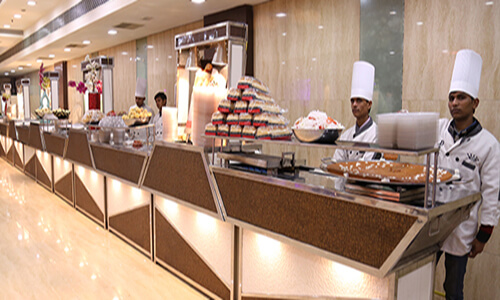
We have a specialized team of highly trained and experienced managers all from 5 stars, captains and other staff and they look after all of the needs of the guests. Our staff is dedicated, polite, courteous, neat and honest
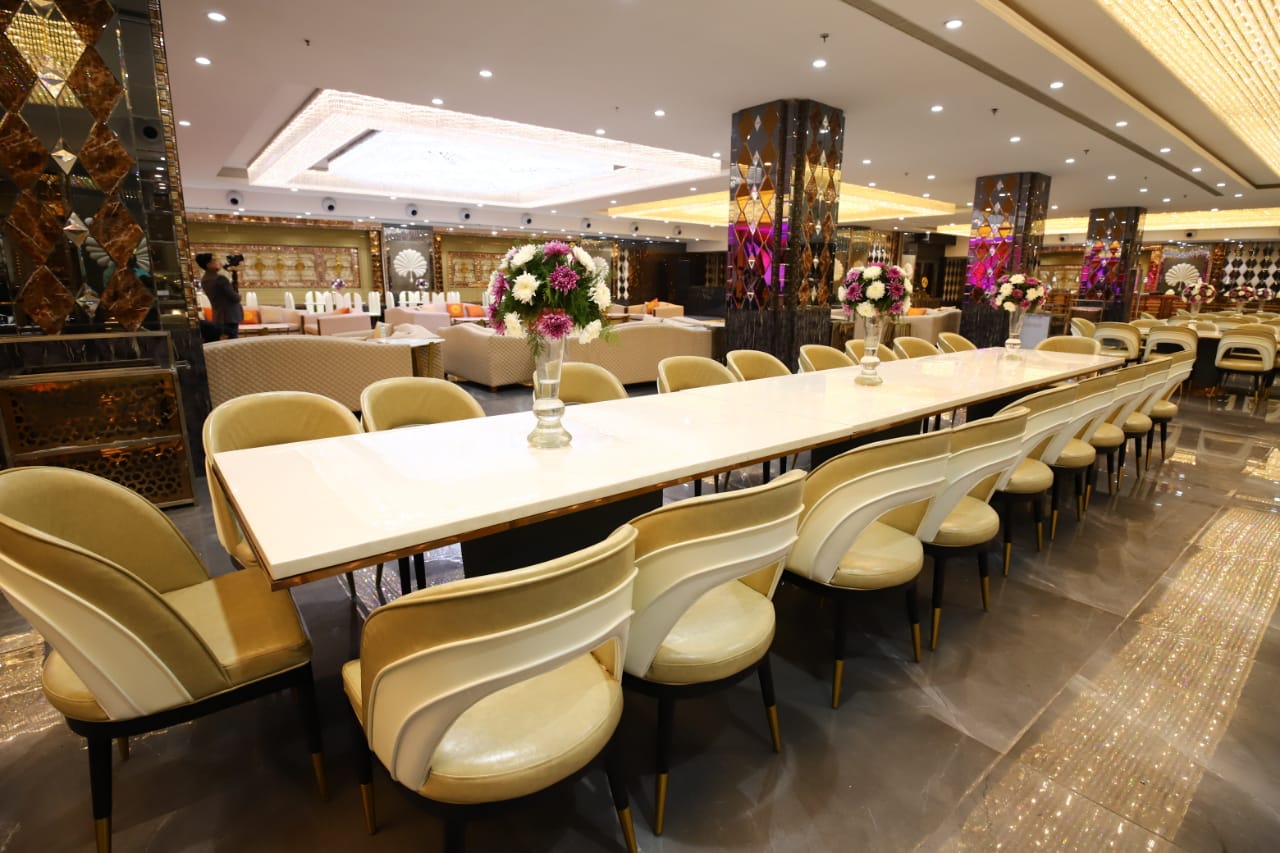
Spacious Elevators and escalated staircase is installed for convenience of our guests. All halls come with Bridle Room with lock for security of belongings of guest. Special Bar Counters

We are serving delicious snacks, some of them have been developed by our expert chefs, and they are our gift to the food industry. We serve full quantity of snacks from start till end of the function.

We provide ´Valet Parking´ facility at no extra cost to you. The cars of our guests shall be parked by our expert Valet parking drivers.

The richness of the ambience can be felt from the Cascading waterfalls, ornamental crystal chandeliers, beautiful Italian marble, light emitting onyx stone and ornate wood work. We have halls large enough to hold parties of 80 to 5000 guests. Beauty of our halls is unmatched in whole of East Delhi.
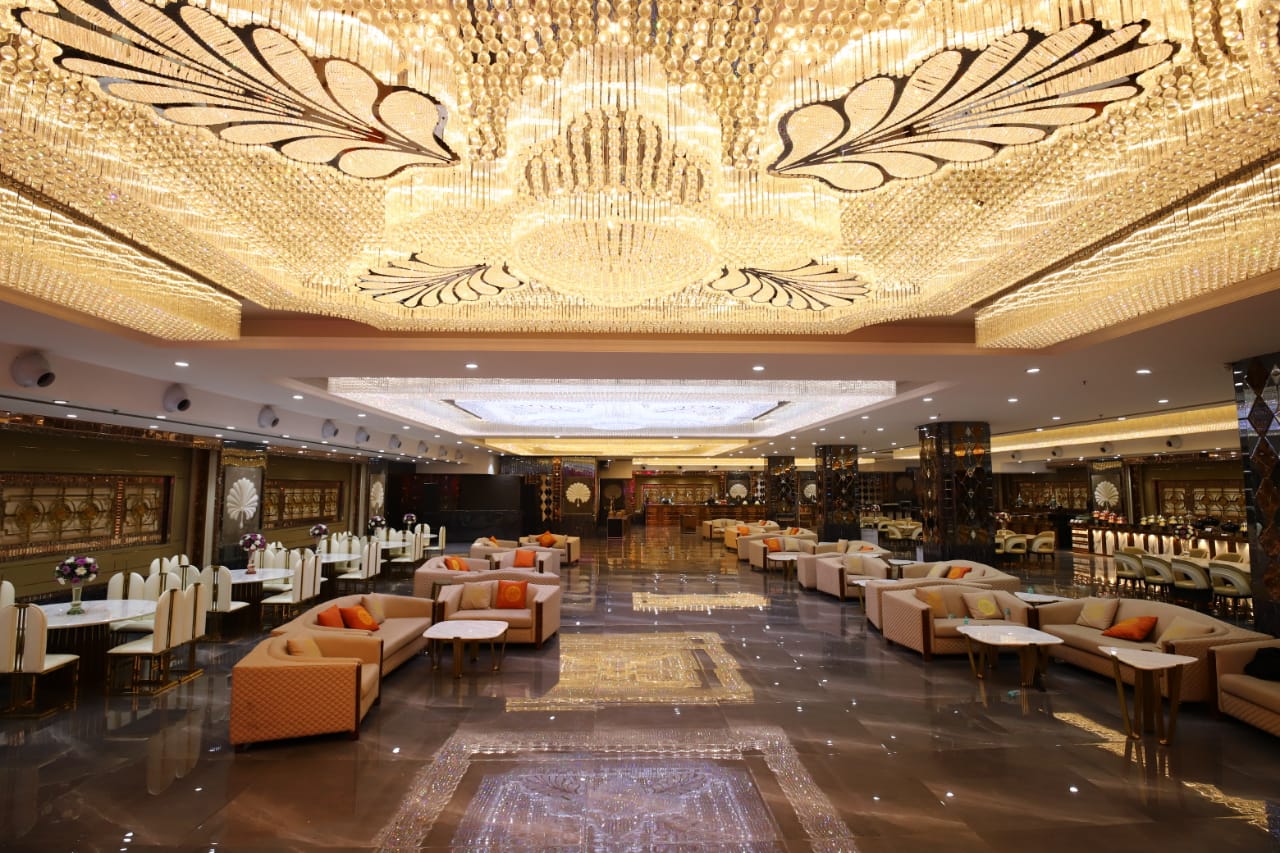
Our Banquet Halls are centrally Air-Conditioned. We run our AC on generators and hence it never stops and it is very effective in the middle of summer too.