
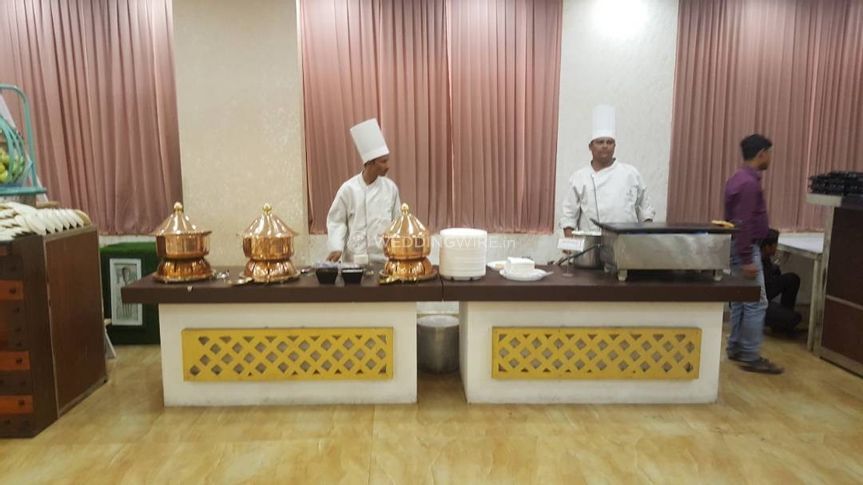
How to Pick Between a Lunch and Dinner Slot for Your Event
Choosing the right time slot for your celebration influences far more than the clock on the wall. The hour you book shapes the mood of the room, the way the food is served, the cost of the package, and how easily your guests can attend. A midday function carries a brighter, more relaxed energy, while an evening gathering leans toward formality, candlelight, and a longer night of conversation. For anyone planning a wedding reception, milestone birthday, corporate gathering, or anniversary party, weighing these differences carefully helps avoid a slot that does not fit the occasion.
Australian hosts tend to have strong opinions on this question. In Melbourne, the long lunch is practically a national institution, and Sydneysiders often build their weekends around harbour-side afternoon gatherings. Yet dinner remains the more traditional choice for weddings and milestone events across Brisbane, Adelaide, and Perth, partly because it allows guests to travel from work without rushing. Understanding how local habits shape expectations can help you decide which slot will feel most natural for the people on your guest list.
Pearl Grand Banana Tree runs both lunch and dinner services throughout the week, and the team has seen how the same event can feel very different depending on the hour. The flexibility to choose either window means you can align the timing with your priorities, whether that is keeping costs down, capturing better photographs, or simply giving your guests a more convenient arrival.
Match the Slot to Your Guest Profile
The single biggest factor in choosing between a lunch and dinner slot is who will actually be sitting at the tables. If most of your invitees are working professionals in their thirties and forties, an evening function on a Friday or Saturday suits their schedules well. They can leave the office, change, and arrive without feeling rushed. For events with many retirees, parents of young children, or guests travelling from regional areas, a lunch slot is usually easier to attend and lets everyone wind down at a sensible hour.
Family events follow different rules. Birthday parties for young children almost always work better between 11am and 2pm, when energy levels are high and parents do not have to manage late bedtimes. Anniversary lunches for older relatives often feel more relaxed than evening dos, where older guests may grow tired before the cake is cut. Corporate events, by contrast, frequently run better in the evening, especially awards nights and client appreciation evenings that build on Australia's well-loved tradition of Friday knock-off drinks.
Budget Differences Between Daytime and Evening Events
Cost is another area where lunch and dinner diverge sharply. Evening slots typically cost more because demand is higher, lighting and AV requirements grow, and the event often runs longer. A dinner reception may include a longer cocktail hour, a fuller multi-course menu, and extended bar service, all of which add to the final bill. Lunch packages, on the other hand, are usually priced more modestly, and many venues offer shorter menus at lower per-plate rates.
For hosts working within a tighter budget, a daytime function can stretch the spend further. The same number of guests can enjoy a multi-cuisine vegetarian spread, music, and décor without the premium that comes with prime-time evening slots. It is worth asking the venue whether menu choices differ between lunch and dinner, since some chefs design a lighter midday menu that still feels celebratory without the heavier dishes of an evening banquet.
Atmosphere, Lighting and Photography
The visual character of your event changes dramatically depending on the hour you choose. Lunch functions benefit from natural daylight streaming through windows, which flatters skin tones, makes the décor colours pop, and gives photographers clean, bright images without much artificial lighting. This is one reason midday weddings and engagement ceremonies remain popular across South Asian communities in cities such as Sydney and Melbourne, where bright, sunlit portraits are highly valued.
Evening events offer their own kind of magic. Candles, fairy lights, lanterns, and uplighting on floral arrangements create a more dramatic backdrop once the sun goes down. Dinner functions also tend to feel more formal, which suits black-tie weddings, corporate galas, and milestone anniversaries. The trade-off is that photography becomes more reliant on flash and professional lighting rigs, and outdoor shots lose the softness of daylight.
Vendor and Venue Availability Patterns
Saturday evenings are almost always the first slots to fill at popular banquet halls, which means booking early is essential if dinner is your preference. Friday and Sunday evenings tend to be slightly more available, though they come with their own considerations, including work commitments for weekday-adjacent guests. Lunch slots are generally easier to secure with shorter notice, which can be a real advantage for last-minute birthday parties, small family functions, or corporate offsites planned on tighter timelines.
Pearl Grand Banana Tree runs both windows year-round, and the venue team is used to guiding hosts through the booking calendar. Yet even the most well-managed venue can only accommodate so many prime-time evening events, which is another reason to consider a daytime slot if your planning window is short.
Travel, Traffic and Guest Convenience in Australian Cities
For Australian families with relatives travelling from abroad or interstate, the timing of your event can either simplify or complicate their journey. International guests arriving after long-haul flights often appreciate lunch events, since their body clocks adjust more easily to a midday meal than to a late dinner. Interstate travellers flying in from Perth to Brisbane, or from Hobart to Sydney, similarly benefit from events that do not require a full evening of socialising on arrival day.
Local traffic patterns matter too. Sydney and Melbourne evenings can be slow on Fridays, while Brisbane and Perth generally see lighter evening traffic but hotter afternoons. A lunch function in summer, particularly in Adelaide or inland Queensland, avoids the late-afternoon heat, while a winter dinner in Hobart or Canberra lets guests arrive in milder temperatures after a cold day.
Food, Drink and Catering Style Differences
The style of food served at your event shifts depending on the hour. Lunch menus are often lighter, with more salads, grilled options, snack-style platters, and quicker service between courses. They work well for networking events, baby showers, engagement parties, and pre-wedding ceremonies where the pace is brisk and guests mingle between bites. Evening menus tend to be richer, with more elaborate mains, multiple courses, and a longer time spent seated at the table.
Beverage service also follows the clock. Lunch functions usually focus on welcome drinks, soft beverages, and a limited bar service, which keeps the tone family-friendly and inclusive. Evening events typically run a fuller bar, often with cocktails, mocktails, wine service, and after-dinner drinks. Choosing the right slot depends on how central drinks are to your celebration, and whether younger guests or older relatives will be present.
Practical Recommendations for Your Booking
- Choose lunch if your guest list includes many children, older relatives, or guests who prefer not to drive at night
- Choose dinner for formal weddings, corporate galas, and milestone celebrations that benefit from a longer timeline
- Book evening Saturday slots at least six to nine months ahead, since they fill first
- Use lunch slots to keep catering, décor, and AV costs lower without sacrificing quality
- Consider the season and city climate: avoid summer afternoon heat in Adelaide, and winter darkness in Hobart
- Match photography priorities to the hour, with daylight for bright portraits and evening for atmospheric shots
- Ask the venue about menu differences between lunch and dinner before finalising the package
A well-timed event feels effortless to the guests who attend it. When the slot suits the audience, the budget, and the style of celebration, everything else tends to fall into place, from the food service to the flow of the evening, and the host gets to enjoy the occasion rather than worry about the clock.
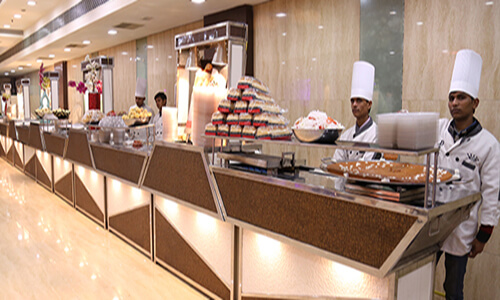
We have a specialized team of highly trained and experienced managers all from 5 stars, captains and other staff and they look after all of the needs of the guests. Our staff is dedicated, polite, courteous, neat and honest
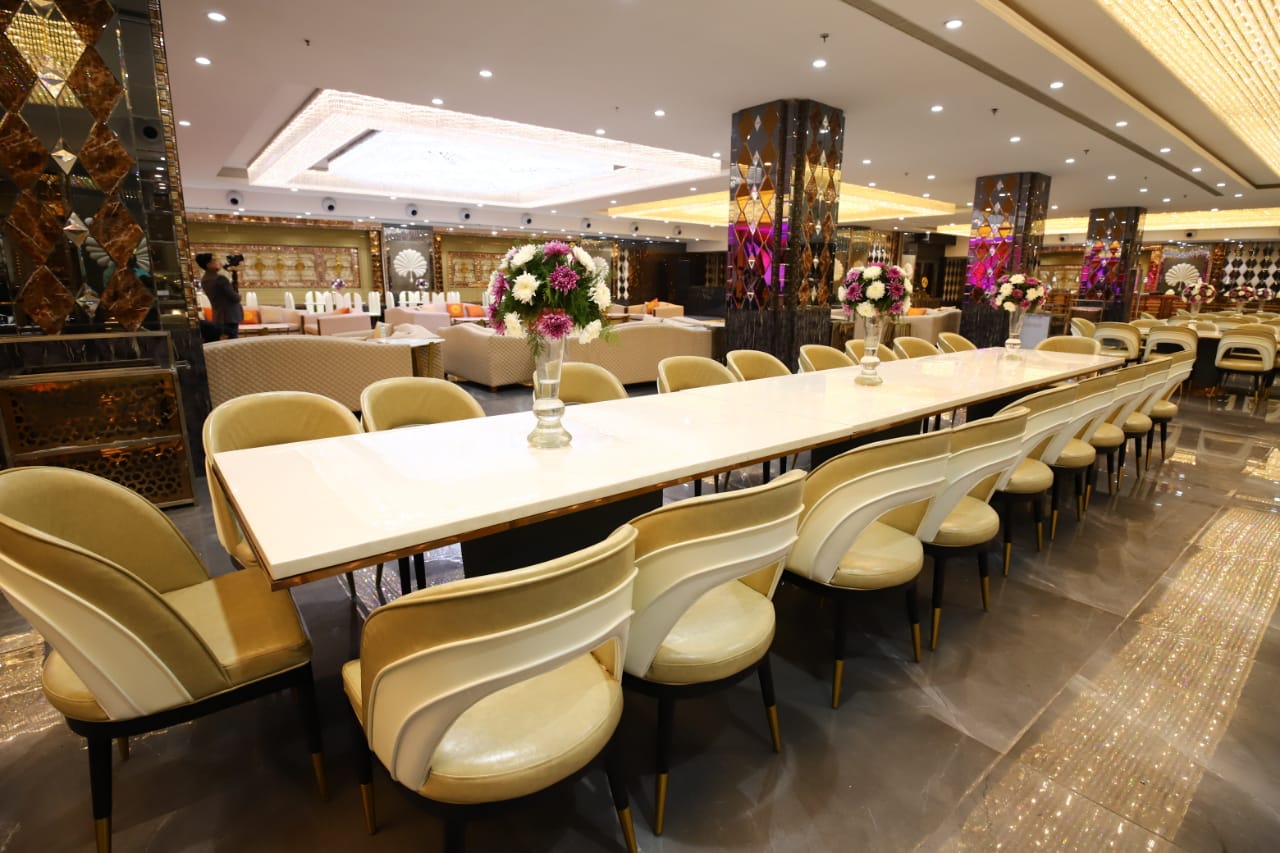
Spacious Elevators and escalated staircase is installed for convenience of our guests. All halls come with Bridle Room with lock for security of belongings of guest. Special Bar Counters
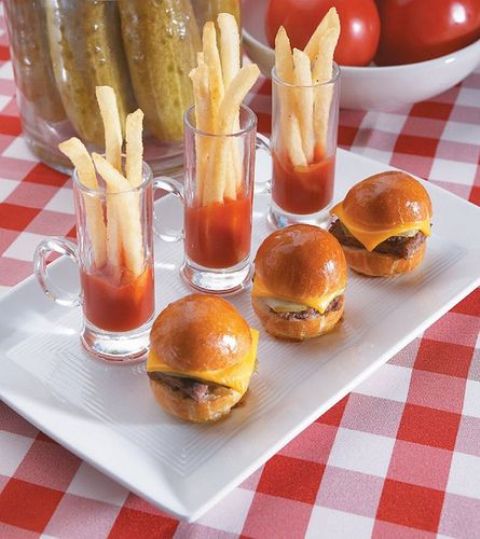
We are serving delicious snacks, some of them have been developed by our expert chefs, and they are our gift to the food industry. We serve full quantity of snacks from start till end of the function.
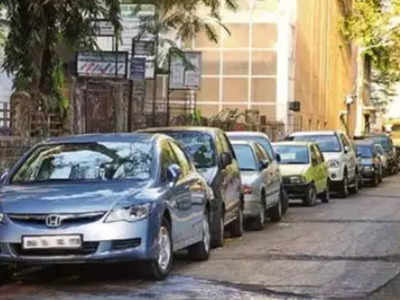
We provide ´Valet Parking´ facility at no extra cost to you. The cars of our guests shall be parked by our expert Valet parking drivers.

The richness of the ambience can be felt from the Cascading waterfalls, ornamental crystal chandeliers, beautiful Italian marble, light emitting onyx stone and ornate wood work. We have halls large enough to hold parties of 80 to 5000 guests. Beauty of our halls is unmatched in whole of East Delhi.
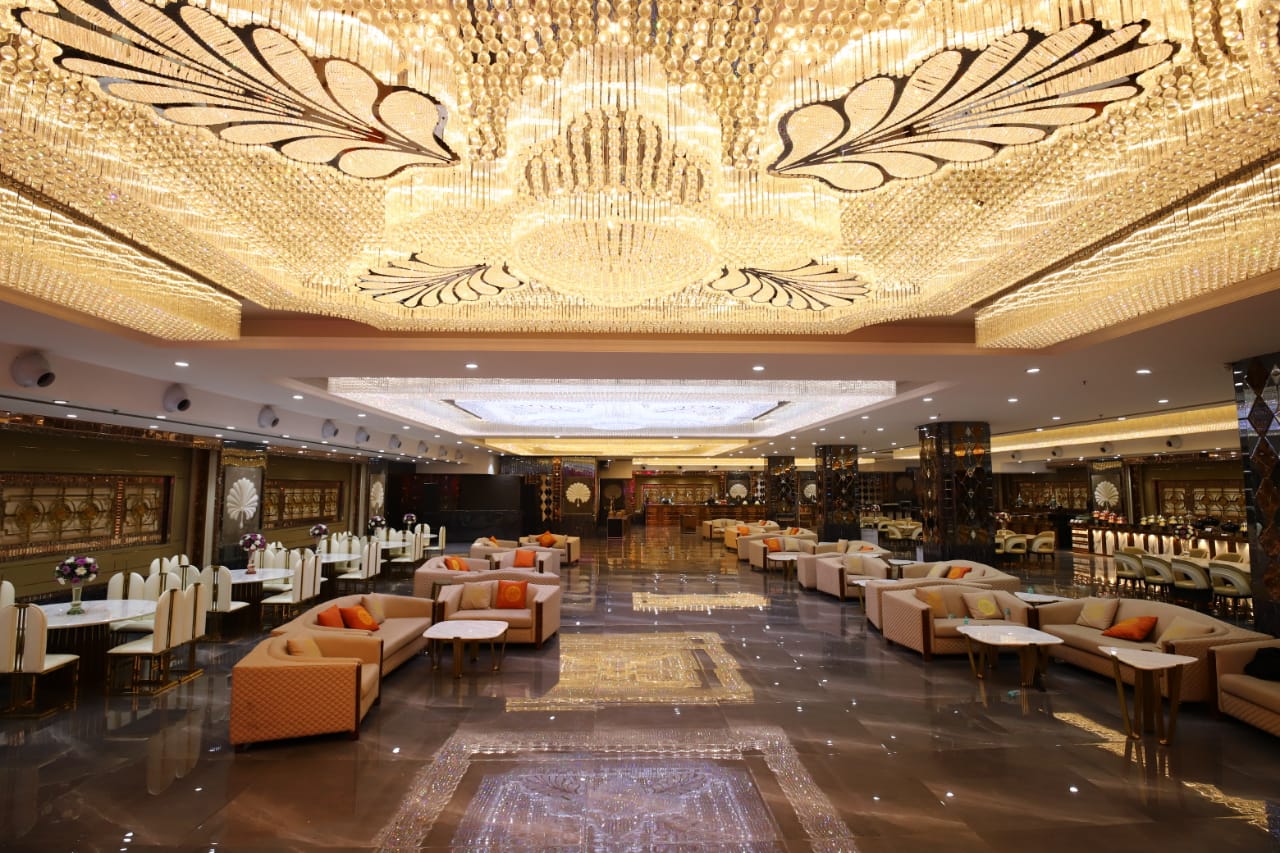
Our Banquet Halls are centrally Air-Conditioned. We run our AC on generators and hence it never stops and it is very effective in the middle of summer too.