
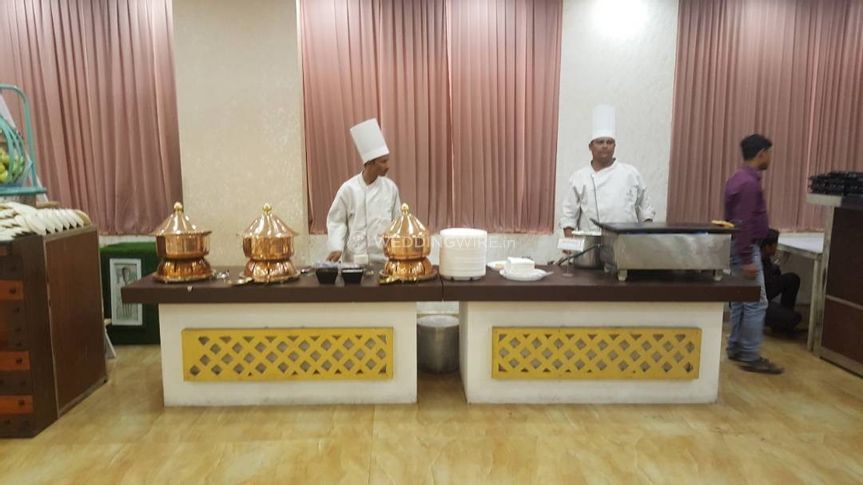
Tips for Choosing Lighting to Highlight Your Wedding Cake Table
Wedding cake lighting should reveal texture, tier lines, and color without turning the display into the brightest object in the room. The right glow guides attention, supports the décor, and gives photographs the polish guests will remember.
Pearl Grand Banana Tree in Sahibabad, Ghaziabad, hosts weddings, receptions, pre-wedding ceremonies, birthdays, anniversaries, corporate events, and large social gatherings. Its décor, vegetarian multi-cuisine catering, and hospitality team can be coordinated with a lighting plan so the cake table feels integrated rather than added later.
Start with the room, the cake, and the photograph you want to create. Venue lighting, floral colors, table linens, and the cake’s finish all influence the result, so fixture selection should happen after reviewing the overall design rather than as a last-minute addition.
Define the Visual Priority
Start by deciding what guests should notice first. Is it the cake’s height, its icing detail, a floral installation, or a special cake topper? A tall tiered cake needs a defined vertical highlight, while a lower display with dense flowers may benefit from a broader wash of light.
Build a simple visual hierarchy around that priority. Use one strong focal treatment for the cake, softer light for nearby florals, and restrained illumination for the rest of the display. A single bright beam can flatten intricate icing, so contrast and careful placement usually look more elegant than maximum brightness.
Compare Practical Lighting Choices
Once the visual priority is clear, choose fixtures according to the cake’s shape and the table’s dimensions. The best option should illuminate the entire display from a suitable distance while remaining easy to operate during the event.
Most successful cake-table designs combine a main focal light with a low-intensity supporting layer. Test the setup with the actual table linens and décor, since darker surfaces absorb light while reflective materials can create glare.
Versatile fixture choices
- Pin spots isolate a tall cake and create a clean, dramatic focal point.
- LED washes provide even coverage for wide tables and low-profile cake designs.
- Table-top uplights reveal tiers and add warmth without requiring ceiling rigging.
- Adjustable spots can be aimed toward icing details, flowers, or a decorative backdrop.
Decorative effects to use sparingly
- Warm backlighting creates separation from a dark or patterned wall.
- Soft amber light adds intimacy to ivory, gold, and autumn-themed displays.
- Narrow gobo patterns can add texture around the table without covering the cake.
- Subtle color washes coordinate the display with florals or venue branding.
Match Color Temperature and Palette
Color temperature changes the mood of the entire display. Warm white light around 2700–3000K complements ivory icing, gold details, candlelight, and traditional floral arrangements. Daylight-balanced fixtures around 4000–5000K can make white icing appear crisp and contemporary.
The cake may look different under showroom lighting than it will at the venue. Bring reference photographs and test swatches, and account for the wall color, table linen, and nearby light sources. A flattering setup in isolation can become too cool or too yellow once venue lighting is switched on.
Consistency matters more than a technically perfect color label. Use high color-rendering LEDs and dimmers to maintain the selected warmth throughout the reception. Mixing strongly colored fixtures with neutral lighting can create unwanted shifts in the cake’s frosting and the tones of the flowers.
Build Depth with Layered Light
Think in layers: a key light for the cake, gentle fill for nearby décor, and a background element for separation. Position the main light at an angle rather than directly overhead, which helps reveal the shape of each tier while preserving shadows in the icing.
Controlled shadows give a cake dimension, but harsh shadows can hide decoration. Diffusers, barn-door controls, and carefully aimed fixtures can narrow the beam and reduce spill. Keep equipment outside the main guest circulation route, particularly where guests may carry plates or gather for photographs.
The cake topper deserves separate attention. A small dedicated light can highlight a meaningful ornament or sculptural element without increasing the brightness of the entire table. This is especially useful when the main cake is white and the topper is metallic, wooden, or floral.
Plan for Photography and Guest Sightlines
Consult the photographer before finalizing brightness and placement. A useful setup should preserve frosting detail and floral color in wide reception photographs while remaining bright enough for close-up images taken without flash. Test exposure at the actual table position, not only from across the room.
Guest sightlines matter too. Fixtures placed at eye level may block the cake or shine directly into guests’ eyes during speeches and group photographs. Keep the center of the table open, conceal hardware where possible, and aim every beam toward the display rather than across the seating area.
If guests will dance near the cake, confirm a safe distance and consider a separate dimming zone. The cake can remain softly illuminated during the reception without becoming a distraction from the dance floor or neighboring tables.
Coordinate Power, Timing, and Safety
Confirm whether the venue provides house lighting for the cake area or whether an external décor team will install a dedicated setup. The cake-table plan should identify the number of fixtures, required circuits, cable routes, control method, and who is responsible for setup and removal.
Power arrangements need professional oversight. Large LED fixtures, moving lights, and venue systems should be distributed safely without overloading circuits. Cables must be covered or routed away from heavy foot traffic, and any rigging should be handled by qualified personnel.
Timing is equally important. Cake delivery, décor installation, lighting focus, photography, and guest access should follow a coordinated sequence. Pearl Grand Banana Tree’s team can align these movements with the wider event schedule, helping the final cake reveal happen only after the display is fully focused and ready.
Finalize Details with the Venue Team
Bring a cake reference image, table measurements, décor swatches, and the desired lighting mood to the venue walkthrough. Check the background wall, ceiling height, existing house lights, and likely camera angles. This allows the décor and venue teams to distinguish what the space already provides from what needs additional equipment.
For broader event-styling ideas, compare the presentation on Chili Chilliin with the cake palette and décor planned for the venue. The final review should also include a full lighting test after the cake is positioned, followed by a photographer’s eye-level check.
The next concrete step is a cake-table lighting walkthrough at Pearl Grand Banana Tree with the décor lead and venue electrician present.
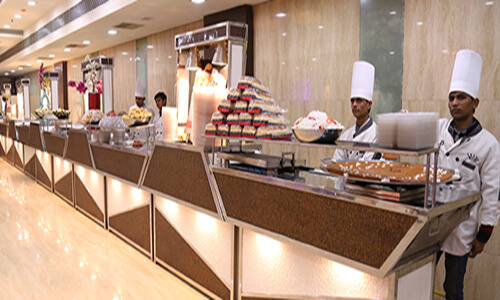
We have a specialized team of highly trained and experienced managers all from 5 stars, captains and other staff and they look after all of the needs of the guests. Our staff is dedicated, polite, courteous, neat and honest
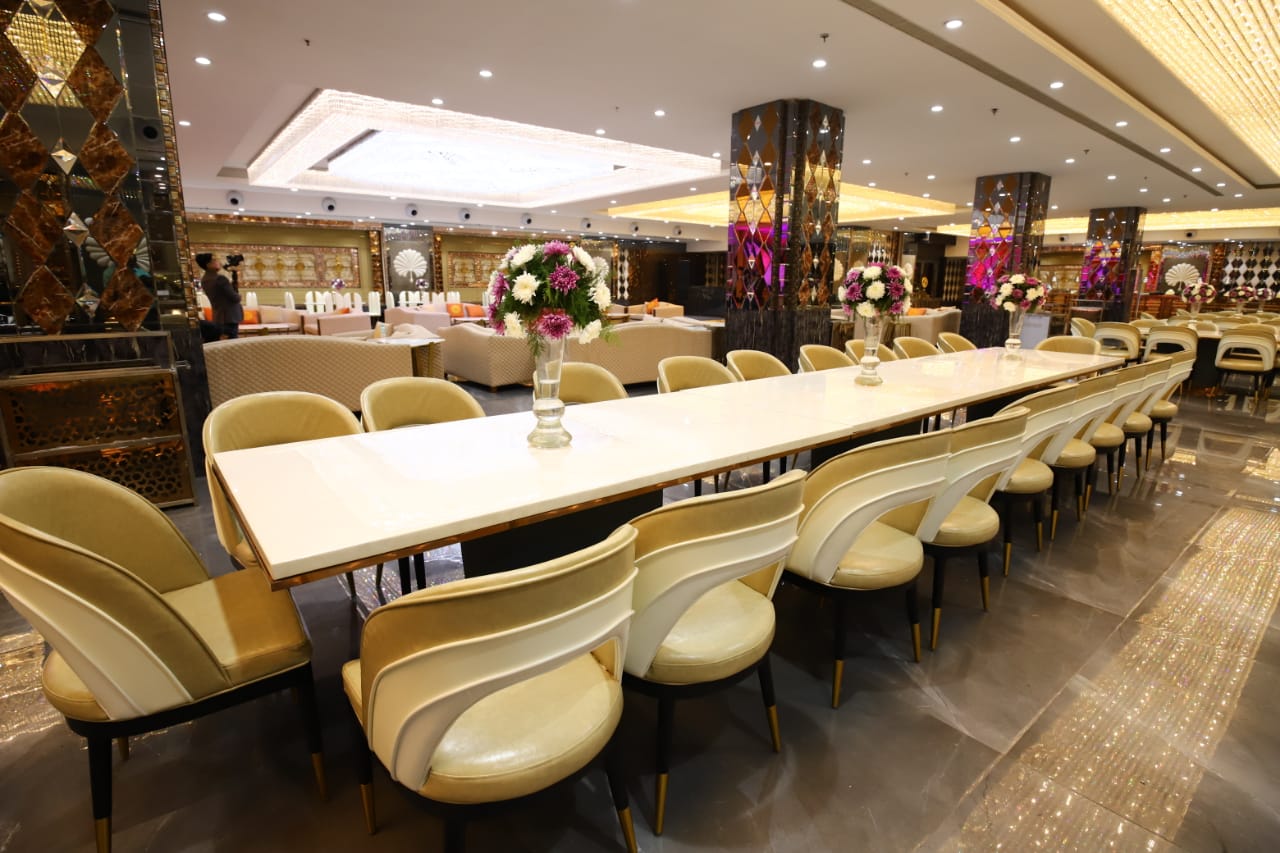
Spacious Elevators and escalated staircase is installed for convenience of our guests. All halls come with Bridle Room with lock for security of belongings of guest. Special Bar Counters

We are serving delicious snacks, some of them have been developed by our expert chefs, and they are our gift to the food industry. We serve full quantity of snacks from start till end of the function.
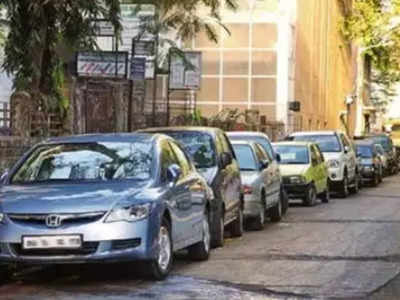
We provide ´Valet Parking´ facility at no extra cost to you. The cars of our guests shall be parked by our expert Valet parking drivers.

The richness of the ambience can be felt from the Cascading waterfalls, ornamental crystal chandeliers, beautiful Italian marble, light emitting onyx stone and ornate wood work. We have halls large enough to hold parties of 80 to 5000 guests. Beauty of our halls is unmatched in whole of East Delhi.
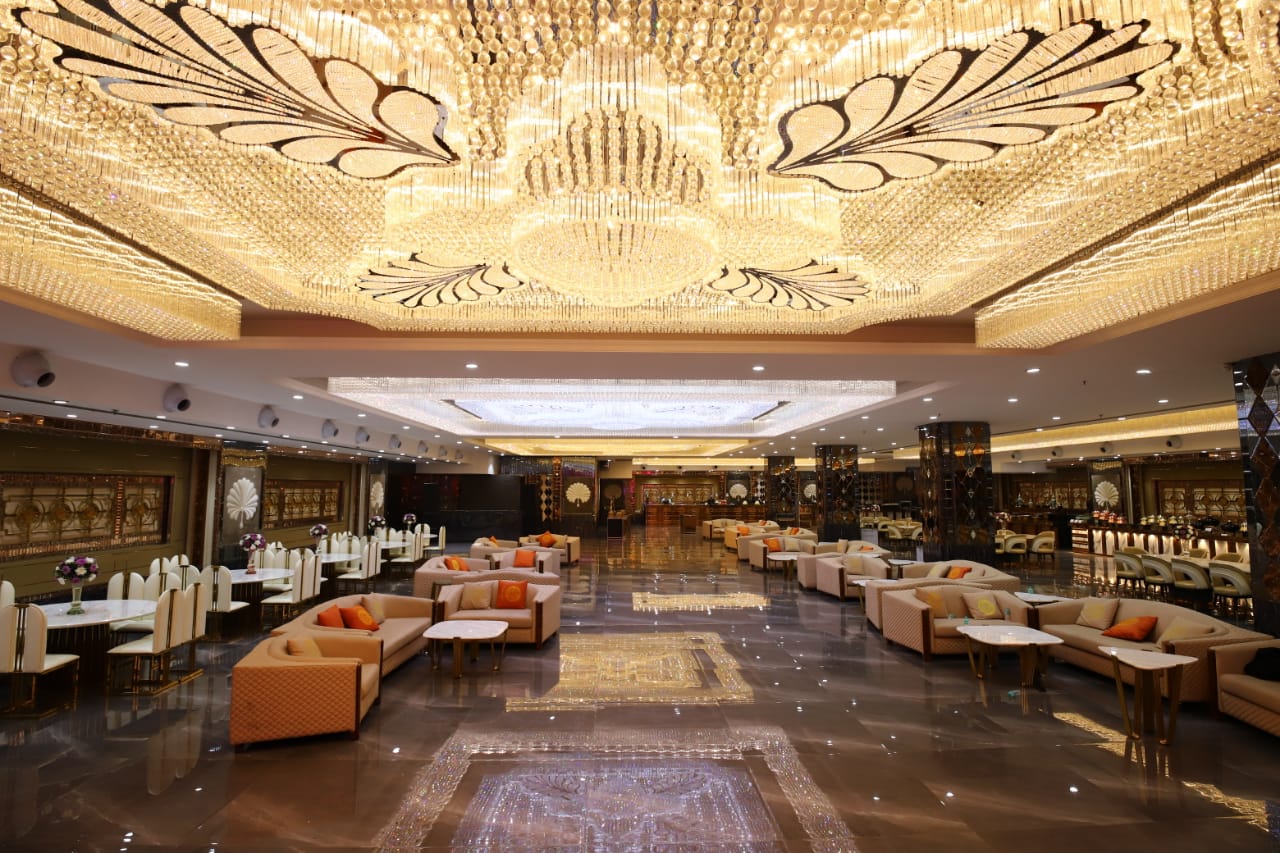
Our Banquet Halls are centrally Air-Conditioned. We run our AC on generators and hence it never stops and it is very effective in the middle of summer too.