
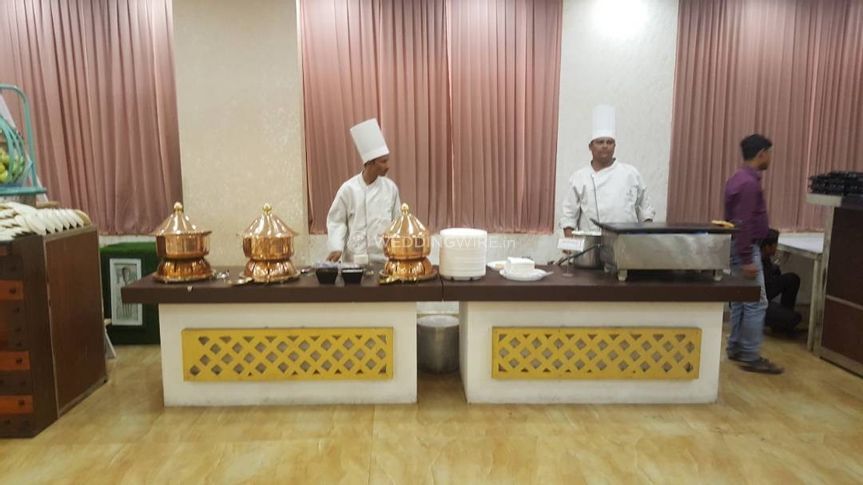
Hosting a Diwali gathering with sweets and festive décor
Diwali is one of those festivals where the small things — the aroma of ghee heating in the kitchen, a row of clay diyas on the windowsill — carry most of the meaning. For Australians celebrating with family here, or for those planning a wedding-style gathering back home, hosting a Diwali party is as much about feel as it is about food. The night usually runs late, arrives in a blur of greetings, and is remembered most for what was eaten, what was lit, and who was there.
This guide focuses on two anchors of the evening: traditional sweets and the décor that frames them. The advice below works whether you are booking a banquet hall in Sahibabad for a 300-guest reception or arranging a sit-down dinner in a back garden in Parramatta. A few thoughtful choices in advance help everything else fall into place on the night, and most hosts find that the planning itself becomes part of the celebration.
Setting the mood with Diwali lights and décor
Lighting carries the festival. Diyas, tea-light clusters, fairy lights and decorative urli bowls filled with petals and floating candles together create that warm flicker many diaspora families describe as the "real" Diwali moment. Beyond their visual role, these lights carry meaning — small lamps representing the triumph of light over darkness — so layering them across entryways, dining tables and the dance floor gives the venue a story rather than just a look.
Build décor around one or two strong motifs rather than a long checklist. Marigold strings and tuberose garlands frame doorways beautifully and smell of home for many in the diaspora; in suburban Sydney and Melbourne, fresh marigolds are easy to source from flower markets around Flemington or Harris Park in the weeks before the festival. A second anchor — a hand-laid rangoli at the entry, or printed backdrop panels near the photo booth — stops the space from feeling busy once guests arrive.
Keep a palette of two or three colours so the sweets themselves remain the visual hero later. Gold, marigold and crimson read as festive across most banquet settings and match the warm indoor lighting often used in larger halls.
Choosing traditional sweets for the spread
A traditional sweets table is less about quantity and more about contrast. A few soft, syrupy items (gulab jamun, rasmalai), a couple of milk-based barfi (kaju katli, kaju roll, milk cake), a fried favourite (motichoor or besan ladoo) and something that ages well (soan papdi, dry fruit barfi) covers most guest preferences. Including at least one item suited to fasting diets also helps where elders are fasting through the day.
Order from a sweet shop you trust rather than attempting every variety at home. Most Indian sweet houses — including well-known chains and smaller kitchen counters in places like Harris Park, Dandenong and Footscray — sell fresh Diwali batches that travel well and arrive on the day in good shape. For Australian hosts, ordering online from specialist Indian grocers such as Spice Mart or topping up through Woolworths' growing international aisle can fill gaps without rushing.
If a guest is diabetic, children are present, or the event runs late, keep the lighter options at the front of the table. Rose-petal kheer, fruit-based sandesh or a plain mawa barfi come across as festive without being heavy.
Comparing the classic Diwali sweets
A short brief helps when working with your caterer or venue kitchen. The table below compares a few favourites on traits that matter most when feeding a crowd of mixed ages and dietary needs.
| Sweet | Texture | Shelf Life | Best Served |
|---|---|---|---|
| Kaju Katli | Firm, fudge-like | 2–3 weeks (airtight) | Room temperature |
| Gulab Jamun | Soft, syrupy | 1–2 days | Slightly warm |
| Motichoor Ladoo | Granular, crumbly | 5–7 days | Room temperature |
| Soan Papdi | Flaky, layered | 7–10 days | Room temperature |
| Rasmalai | Soft, milky | 1 day | Chilled |
| Milk Cake | Dense, caramel | 7–10 days | Room temperature |
A quick match between the sweet and the moment makes the table feel curated. Kaju katli and soan papdi stay edible for days and can be gifted or displayed in takeaway boxes; gulab jamun and rasmalai are best for in-house service on the night. Besan or motichoor ladoo work in both roles, which is why most hosts place them at the centre of the spread.
Sweets that travel well for gifting
- Kaju katli: holds shape for weeks and packs flat, making it the easiest sweet to gift across cities.
- Soan papdi: its flaky layers travel well in tins and rarely spoil during short flights to relatives abroad.
- Dry fruit barfi: rich, lightly spiced and avoids the syrup that tends to leak in transit.
- Besan ladoo: granular and dry, it survives a day in a sweet box without losing texture.
- Mysore pak: dense and ghee-rich, it keeps for about a week in airtight boxes if refrigerated.
Décor items worth picking up early
- Marigold and tuberose garlands: order a week ahead, as supplies tighten in the days leading up to Diwali even at larger flower wholesalers.
- LED tea lights and floating candles: safer than open flames in venues with fabric draping, especially for halls hosting several events in a row.
- Brass or clay urli bowls: filled with petals and water, these work as centrepieces or as a focal point at the entrance.
- A printed rangoli stencil or stick-on kolams: useful for venues where the floor cannot be marked with powder.
- Fairy lights on a warm white setting: cool-white LEDs tend to flatten the warmth of a traditional sweets spread.
Timing, hospitality, and venue choices
Diwali falls in October or November, which in Australia is spring — outdoor courtyards and terraces are usable on most years, though evenings can still dip cool. Plan the main meal around sunset so guests can enjoy the lighting transition with sweets and tea before moving to the dance floor or a quieter seating lounge. Keep a brief window between arrival and the formal lamp-lighting so guests settle in first.
For gatherings beyond a few dozen guests, a dedicated venue tends to save effort. Larger banquet halls, particularly those with on-site vegetarian multi-cuisine kitchens and experienced hospitality staff, take coordination weight off the host's shoulders. Spaces such as Pearl Grand Banana Tree in Sahibabad work well for receptions and pre-wedding ceremonies tied to the festive window, and similar venues in major Australian cities — including Diwali marquee nights at Darling Harbour and community halls around Glen Waverley — offer catering included for those who prefer a managed event.
Confirm guest numbers a week ahead, brief the venue on dietary needs, and keep a small buffer of seating for late arrivals. A printed or digital welcome board near the entrance, a takeaway counter by the exit, and a quiet corner for elderly guests round out the hospitality and leave a calm end to a busy, beautiful evening.
Start with the sweets list on a quiet afternoon a week before the event. Once that list is settled, the lighting choices, centrepieces and seating plan will follow naturally.
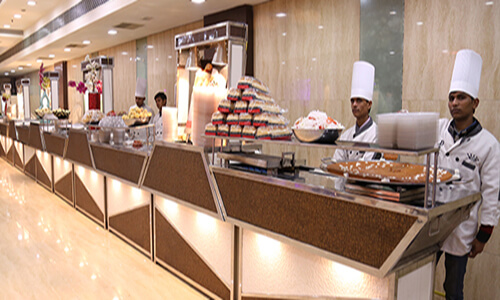
We have a specialized team of highly trained and experienced managers all from 5 stars, captains and other staff and they look after all of the needs of the guests. Our staff is dedicated, polite, courteous, neat and honest
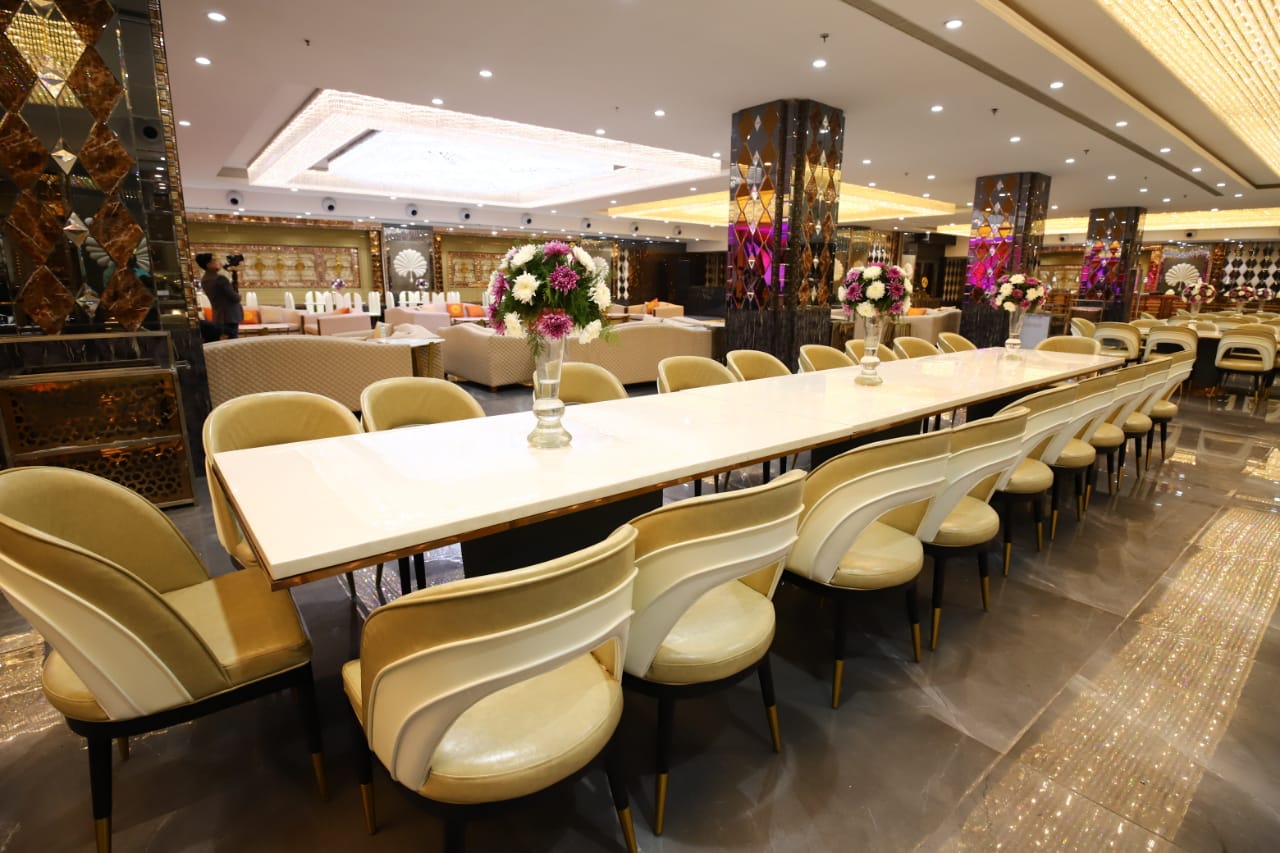
Spacious Elevators and escalated staircase is installed for convenience of our guests. All halls come with Bridle Room with lock for security of belongings of guest. Special Bar Counters
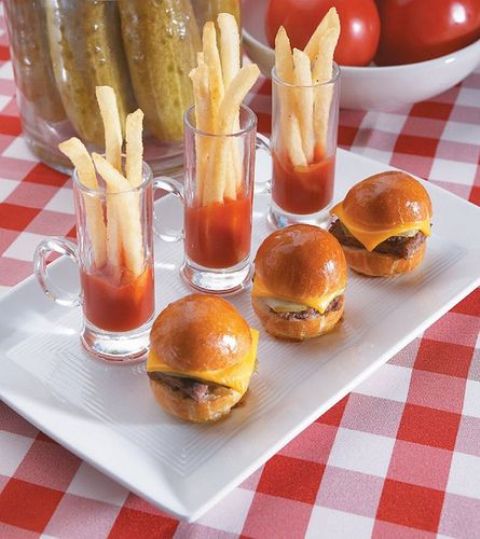
We are serving delicious snacks, some of them have been developed by our expert chefs, and they are our gift to the food industry. We serve full quantity of snacks from start till end of the function.
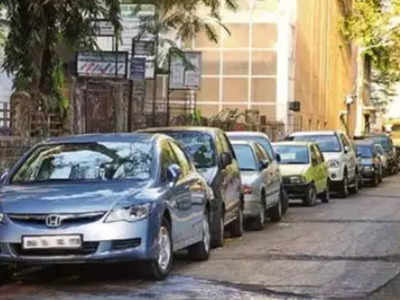
We provide ´Valet Parking´ facility at no extra cost to you. The cars of our guests shall be parked by our expert Valet parking drivers.

The richness of the ambience can be felt from the Cascading waterfalls, ornamental crystal chandeliers, beautiful Italian marble, light emitting onyx stone and ornate wood work. We have halls large enough to hold parties of 80 to 5000 guests. Beauty of our halls is unmatched in whole of East Delhi.
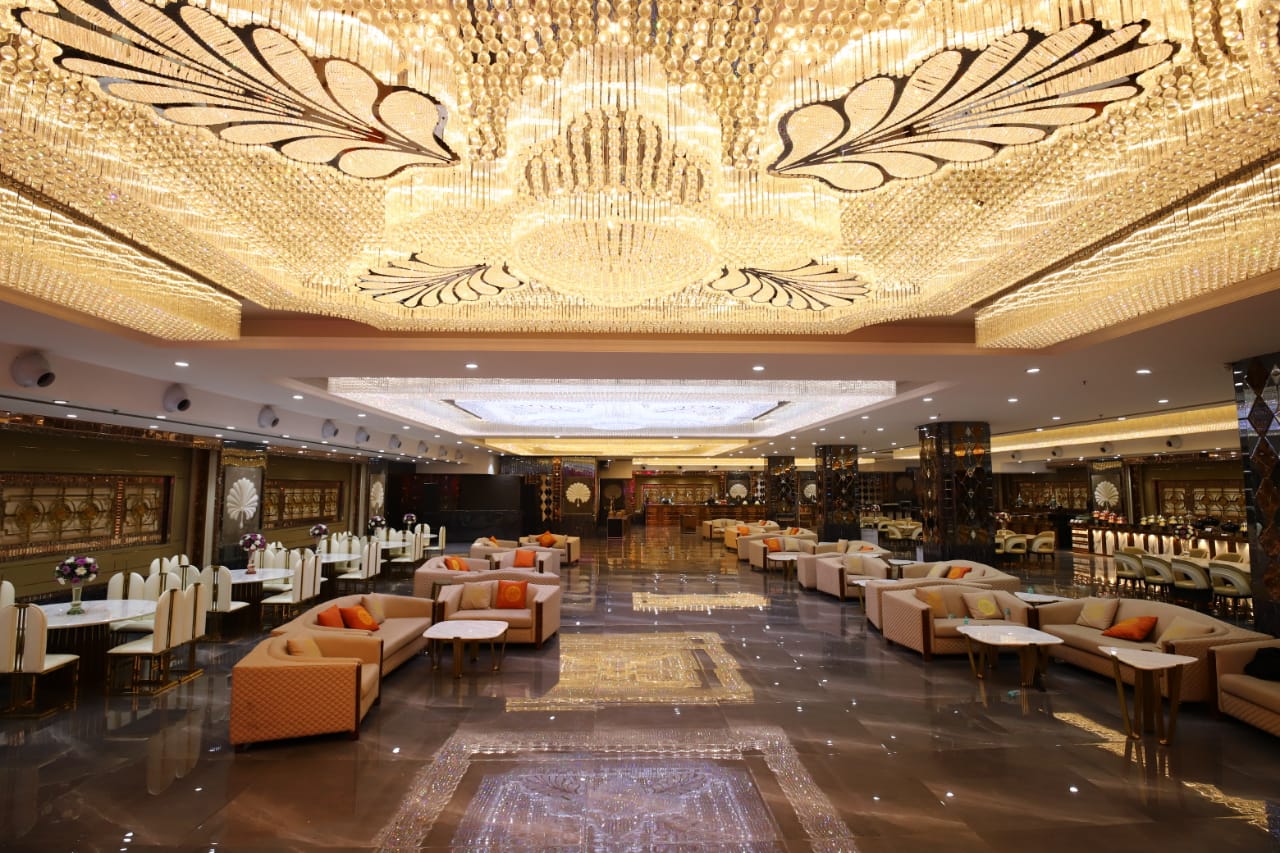
Our Banquet Halls are centrally Air-Conditioned. We run our AC on generators and hence it never stops and it is very effective in the middle of summer too.