
Keeping guests engaged during every event lull
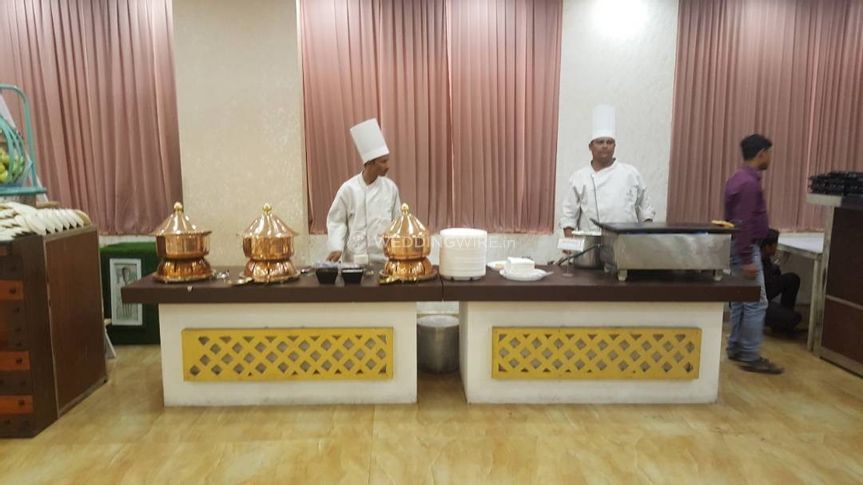
Keeping the event engaging during lulls means protecting the celebration’s rhythm without making guests feel over-programmed. At a large banqueting venue such as Pearl Grand Banana Tree in Sahibabad, experienced hospitality staff, décor teams and vegetarian multi-cuisine caterers can support several transitions within one gathering. The goal is a room that feels alive, not a schedule of forced activity.
Quiet intervals are predictable. They commonly appear after a ceremony, while speeches run, between food courses or when formal entertainment ends. Guests read these gaps quickly. Without a clear cue for what happens next, some check their phones, others drift toward the exit and many wait passively for the atmosphere to recover.
Australian celebrations benefit from an equally clear cue system. Sydney, Melbourne and Brisbane have different transport networks, so parking and pickup details should be supplied in advance. Planning for early arrivals and the familiar afternoon-tea window around 3 pm to 4 pm also helps guests settle comfortably and follow the schedule without repeatedly asking the host.
Read the timeline before the day arrives
Walk through the run sheet from arrival to farewell and mark every likely lull. Look especially at the interval between a ceremony and refreshments, lengthy speeches, the wait for a main course and the shift from formal entertainment to dancing. These are natural stopping points where attention can drift if nobody gives the room a new reason to stay connected.
Give each gap a purpose and an owner. A host might welcome early arrivals, an MC might introduce a short activity, or the décor team might reveal a new table display as speeches finish. Add a short buffer around formal moments so that late guests, catering delays and technical checks do not leave everyone standing around without direction.
Visual continuity helps transitions feel connected rather than disjointed. These anniversary theme ideas can inspire distinct visual chapters for milestones, while weddings might use colour, flowers and lighting to shift the mood from ceremony to reception. Repeated details keep the setting recognisable as each part of the programme unfolds.
Make transitions feel like part of the celebration
A transition works best when one clear sensory change signals that something new is beginning. Increase the music tempo before the formal programme, soften lighting for dinner and introduce a brighter display when the dance floor opens. The change should be noticeable, but not so dramatic that guests feel they have entered a different event.
For a drinks-focused chapter, styling a wedding bar can provide a focal point for conversation and reveal. Melbourne, Sydney and Brisbane also have strong networks of independent florists, cake studios, photographers and audiovisual suppliers, allowing décor and presentation to support each stage without looking repetitive.
Rehearse the cue with the MC, catering team, décor crew and entertainment lead. Agree on a clear signal for each change and identify a backup person for essential cues. This prevents a delayed item, microphone check or sound adjustment from turning a planned transition into an awkward blank period.
Invite participation without putting guests on the spot
Choose participation that suits the occasion and can be completed in five to ten minutes. Useful options include memory cards, table conversations, a light quiz, a live poll or a short musical moment led by the MC. Activities work best when they connect naturally with the event, such as anniversary memories during a milestone dinner or wedding advice during a reception break.
Participation must remain optional. Offer a table for conversation, a quiet corner and an easy view of the main stage so guests can engage at their own level. Clear captions, accessible seating and plain-language instructions help wider audiences participate, including guests who may not have English as their first language.
Use food, drinks and timing to reset attention
Meal timing can either absorb attention or expose an empty interval. Coordinate service with the programme, using smaller courses or shared plates to create conversation between formal moments. Afternoon-tea combinations of tea, coffee, fruit and small savoury items can bridge a late-afternoon gap while respecting the familiar Australian rhythm of refreshments before dinner.
Service and licensing need careful local checks. Australian liquor rules vary by state and territory, including the NSW Liquor Act 2007, the Victorian Liquor Act 2009 and the Queensland Liquor Act 1997. Relevant staff must complete approved responsible-service training where their role and licence require it, while food service should follow Food Standards Australia New Zealand standards and applicable state rules.
Plan the last toast around departure patterns. Sydney trains and Melbourne trams may carry guests away after a late finish, while Brisbane journeys often rely more heavily on cars and rideshares. Provide a clear cutoff time for alcohol service, strong non-alcoholic options and practical transport information so the final transition remains orderly.
Design for different ages and comfort levels
A reception rarely holds every guest’s attention in the same way. Children may need a supervised break after the formal programme, while older relatives may prefer a quieter seat away from loud speakers. Guests with sensory sensitivities or limited mobility also need a route that does not require repeated movement through crowded spaces.
Plan separate but connected zones where possible, with children’s activities, family seating and a calm lounge visible from the main area. During December and January, Australian school holidays and public holidays can affect staffing, travel and family availability, so confirm supplier and transport arrangements early and keep some activities flexible enough to shorten without disrupting the wider programme.
Create a practical engagement checklist
Turn the timeline into a shared working document that identifies likely quiet moments and the response required for each one.
- Mark every likely lull on the run sheet and assign a specific response.
- Pair each gap with one low-pressure activity and one visible environmental change.
- Give the MC, caterer, décor team and entertainment lead a shared cue sheet.
- Build ten-minute buffers around formal moments to protect the flow.
- Rehearse transitions once with the full team and note who handles delays.
The next concrete step is to block a 20-minute timeline review immediately after the venue walk-through, then invite the MC, catering, décor and bar leads to mark each lull and assign its response.
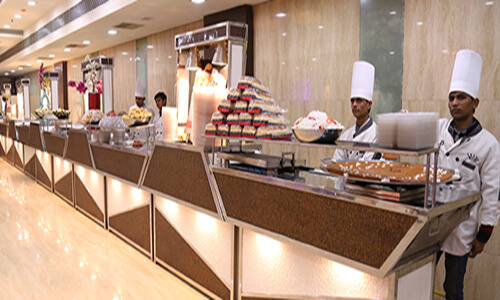
We have a specialized team of highly trained and experienced managers all from 5 stars, captains and other staff and they look after all of the needs of the guests. Our staff is dedicated, polite, courteous, neat and honest
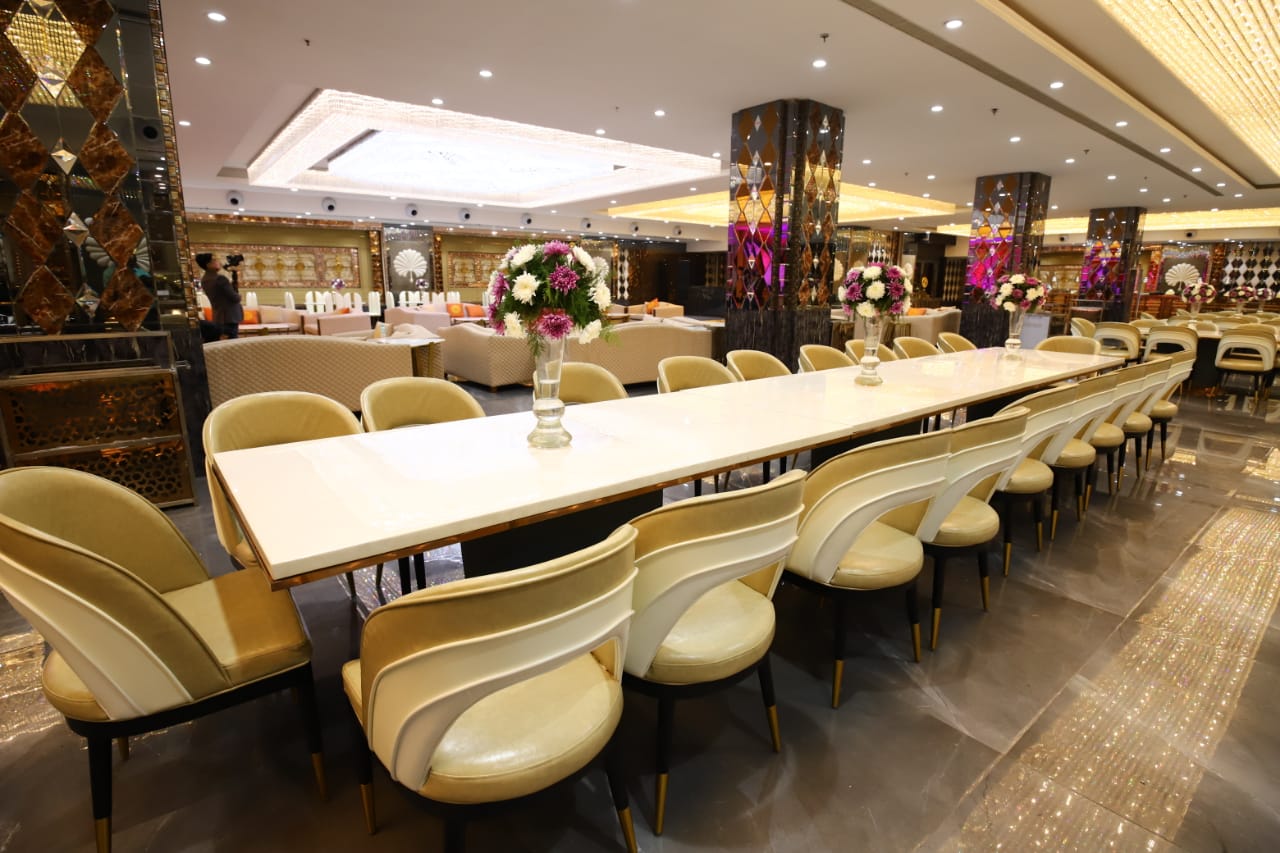
Spacious Elevators and escalated staircase is installed for convenience of our guests. All halls come with Bridle Room with lock for security of belongings of guest. Special Bar Counters

We are serving delicious snacks, some of them have been developed by our expert chefs, and they are our gift to the food industry. We serve full quantity of snacks from start till end of the function.
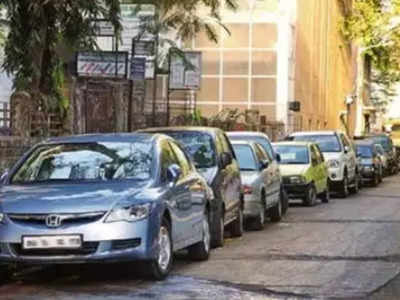
We provide ´Valet Parking´ facility at no extra cost to you. The cars of our guests shall be parked by our expert Valet parking drivers.

The richness of the ambience can be felt from the Cascading waterfalls, ornamental crystal chandeliers, beautiful Italian marble, light emitting onyx stone and ornate wood work. We have halls large enough to hold parties of 80 to 5000 guests. Beauty of our halls is unmatched in whole of East Delhi.
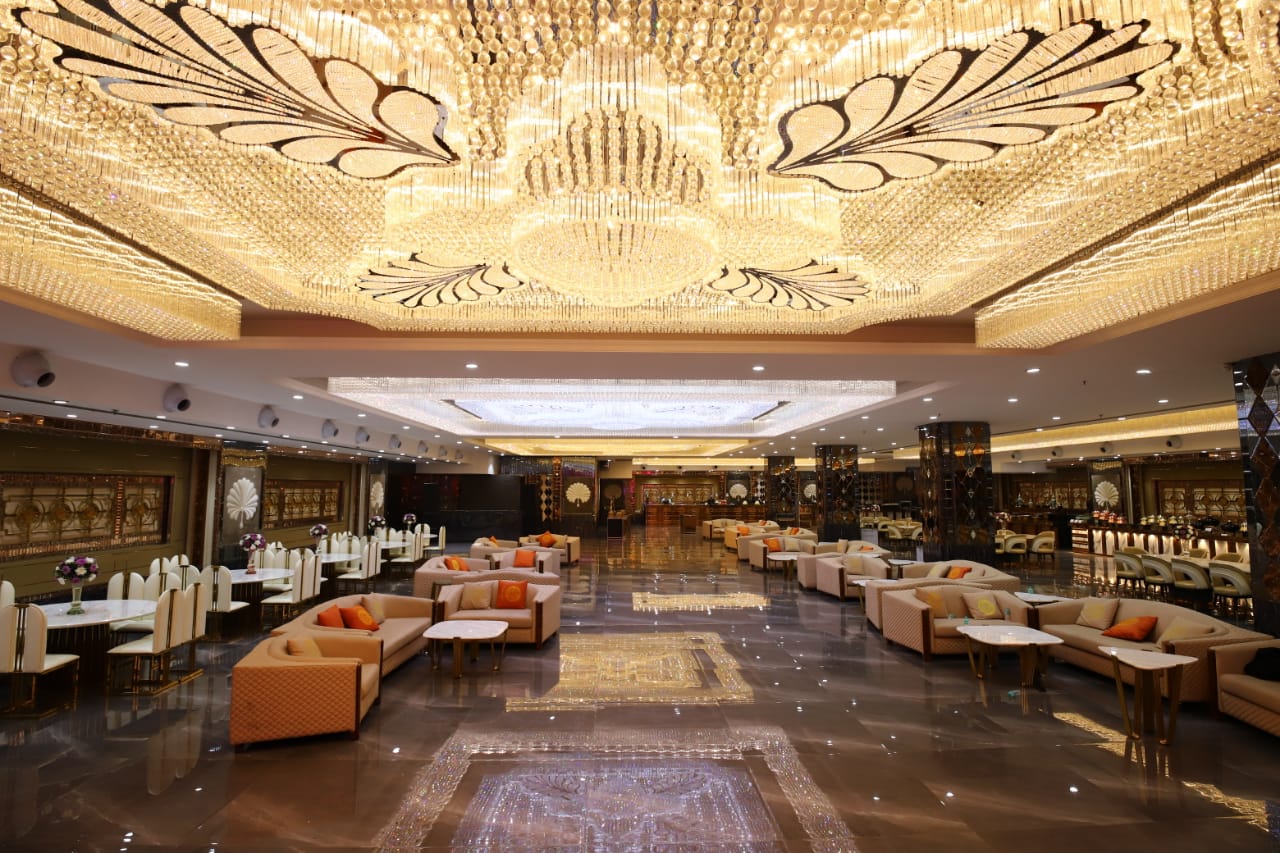
Our Banquet Halls are centrally Air-Conditioned. We run our AC on generators and hence it never stops and it is very effective in the middle of summer too.