
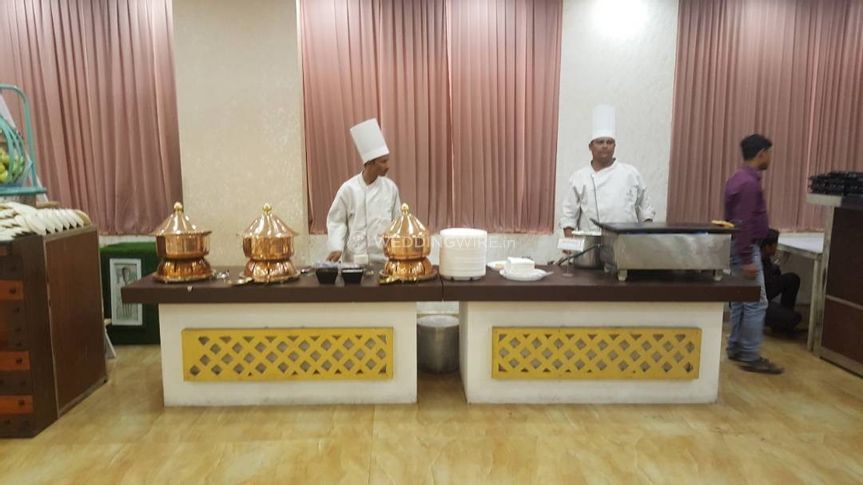
Quiet celebrations start with thoughtful sound management
Noise can quietly spoil an otherwise well-run celebration. A DJ set that feels festive in one corner may make conversation exhausting across the room, while amplified speeches can leave older guests and children uncomfortable. Sound management is therefore part of hospitality, not an extra service added after the décor is chosen.
Every venue has a different acoustic fingerprint. Carpet, upholstered seating, curtains and plants absorb reflections; marble floors, glass walls and high ceilings amplify them. Guest numbers also matter when dining, dancing and speeches overlap. The aim is not silence, but a balance that lets people talk, hear announcements and enjoy music without competing with one another.
Australian event settings add familiar practical realities. Sydney and Melbourne venues often share buildings or sit near residential neighbours, while Brisbane function rooms may need flexible plans for summer storms that move guests indoors. Councils, strata committees and liquor licence conditions can affect acceptable sound levels, so organisers should confirm local requirements rather than rely on guesswork.
A useful plan begins before equipment is hired. It identifies audience size, event timing, music volume, sensitive moments and who can make adjustments. Venues that combine catering, décor and hospitality can build these controls into the run sheet more effectively. The Pearl Grand Banana Tree website illustrates this integrated approach at a Sahibabad banquet venue with facilities for weddings, receptions, corporate events and large social gatherings.
Map sound to the guest journey
Treat arrival, dining, speeches, dancing and departure as separate acoustic moments rather than expecting one volume setting to work all evening. Record the expected guest numbers and note where people will naturally gather, such as near the entrance, buffet, stage or dance floor. This map reveals where sound needs to be directed or reduced.
Set targets for conversation, announcements and music. A brief reception can tolerate a livelier soundtrack than a seated dinner, while speeches require a clear background level. Brief staff on these targets and identify one person who can approve changes without delaying the programme.
Reduce echoes at the source
Room surfaces often create more discomfort than the speaker volume. Upholstered chairs, fabric wall treatments, carpet and curtains soften reflections, while hard floors and glass can carry voices farther than expected. Use soft furnishings or temporary absorptive panels where possible, and avoid placing all seating in one acoustically active zone.
Test before guests arrive. Play music at the planned level, speak from the actual lectern or stage position, and listen from the quietest and busiest seats. In a large reception, two lower-volume zones may work better than one powerful system. Moving equipment is often more guest-friendly than turning everything down.
Coordinate music, speech and technology
Use a sound check that includes microphones, music, video playback and emergency announcements, not just a quick microphone test. Position speakers to cover the room evenly without pointing directly across dining tables. Feedback control, sensible speaker limits and a clear handover between the DJ or musician and event host prevent abrupt volume changes.
Australia’s professional AV and sound-hire market supports this level of coordination, especially for corporate functions and multi-day celebrations. Ask the venue or supplier who operates the system, what equipment is included and who can respond if levels drift. Check hearing-loop or assisted-listening options where the guest list requires them.
Separate activities without isolating guests
Create distinct zones for dining, music, speeches and arrivals when the floor plan allows. A low divider, changed lighting, different seating or staggered timings can separate activities while preserving a sense of occasion. Buffets and children’s areas benefit from distance from speakers as much as the main dining area does.
For Indian wedding programmes, changes from mehendi or sangeet music to dinner speeches and reception dancing need rehearsed sound levels. At Pearl Grand Banana Tree’s location near Kaushambi Metro Station and Pacific Mall, planners should also coordinate loading, lift use and departure times so traffic noise does not undermine the indoor atmosphere.
Build a sound checklist for the team
A short checklist keeps sound decisions visible and assigns responsibility before the room fills.
Before guests arrive:
- Walk the full room at music level and test speech from every key position.
- Confirm speaker placement, microphone batteries and access to a technician.
- Brief ushers on the quietest route and areas that need volume checks.
- Keep emergency exits, announcements and accessibility routes clear of equipment.
During key moments:
- Lower music before speeches, then restore it after applause.
- Move roaming entertainers away from dining and waiting areas.
- Ask front-of-house staff to report signs of discomfort or strain.
- Reduce sound near exits during the final departure period.
Assign one sound lead and one backup, then include volume changes in the event run sheet. This prevents the host, caterer and entertainer from changing levels independently and keeps the experience consistent for guests.
Compare layouts for conversation and celebration
The right layout depends on what should happen where, how many people are moving and whether the event changes between seated and active phases.
| Layout | Main sound risk | Useful control | Guest benefit |
|---|---|---|---|
| Open dining hall | Echo and overlapping voices | Soft dividers and restrained music | Easier conversation |
| Dining beside a dance floor | Competing programmes | Separate speakers and timed transitions | Clearer meals and livelier dancing |
| Central stage | Feedback and weak rear coverage | Technician-led checks and even speaker placement | Consistent listening |
| Outdoor arrival space | Traffic, wind and crowd spill | Directional sound and an indoor overflow area | Smoother entry |
| Large multi-zone reception | Uneven volume between areas | Zoned controls and a roaming sound lead | Reliable comfort throughout |
Sound control works best when it follows the event rather than becoming a technical exercise. The standard to remember is not the lowest possible volume, but a room where music feels lively, speeches remain clear and nobody must strain to converse.
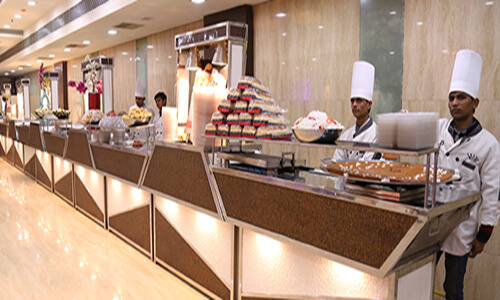
We have a specialized team of highly trained and experienced managers all from 5 stars, captains and other staff and they look after all of the needs of the guests. Our staff is dedicated, polite, courteous, neat and honest
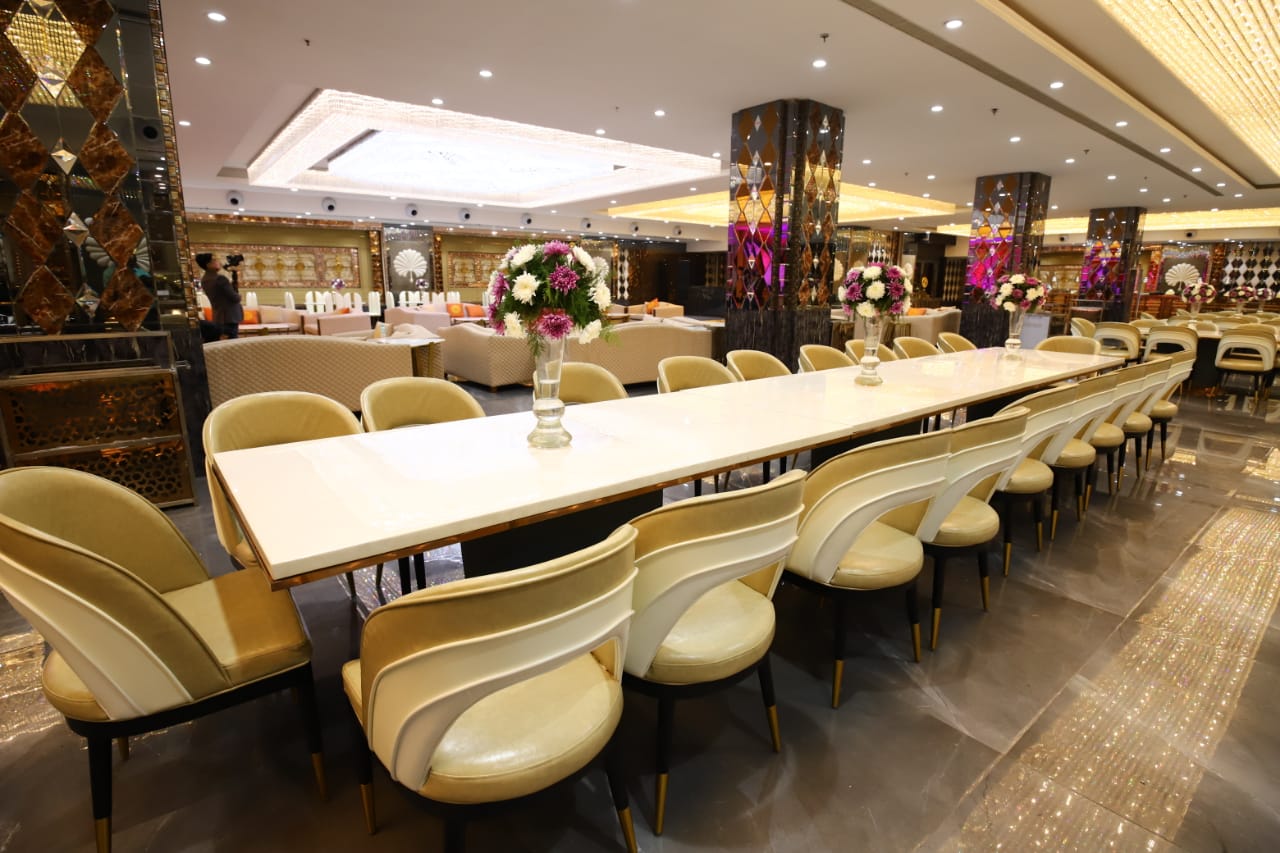
Spacious Elevators and escalated staircase is installed for convenience of our guests. All halls come with Bridle Room with lock for security of belongings of guest. Special Bar Counters

We are serving delicious snacks, some of them have been developed by our expert chefs, and they are our gift to the food industry. We serve full quantity of snacks from start till end of the function.
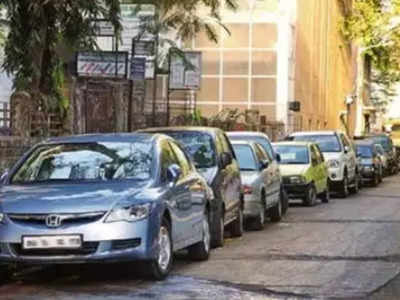
We provide ´Valet Parking´ facility at no extra cost to you. The cars of our guests shall be parked by our expert Valet parking drivers.

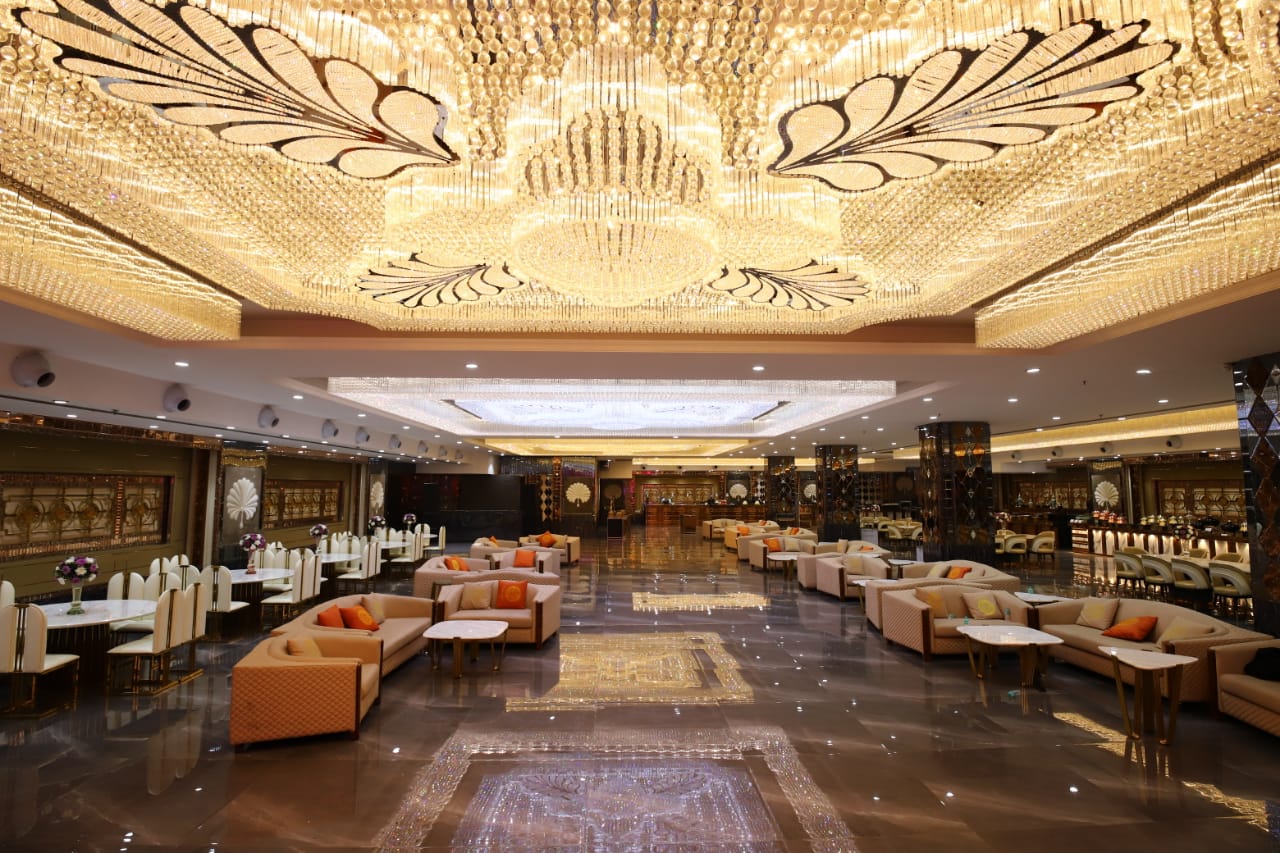
The richness of the ambience can be felt from the Cascading waterfalls, ornamental crystal chandeliers, beautiful Italian marble, light emitting onyx stone and ornate wood work. We have halls large enough to hold parties of 80 to 5000 guests. Beauty of our halls is unmatched in whole of East Delhi.
Our Banquet Halls are centrally Air-Conditioned. We run our AC on generators and hence it never stops and it is very effective in the middle of summer too.