
Keeping Multi-Segment Events on Time Without Losing the Atmosphere
Events with several parts—such as a ceremony, welcome drinks, dinner, speeches and dancing—need more than a single start and finish time. Each segment affects the next one, so a small delay during guest arrival can reduce meal service time, disrupt entertainment and leave suppliers rushing through room changes.
A clear schedule gives the venue team, hosts and suppliers a shared reference point. At Pearl Grand Banana Tree in Sahibabad, large weddings, birthdays, receptions and corporate gatherings can run smoothly when every transition is planned around guest movement, catering, décor and realistic travel conditions.
Build A Master Run Sheet
Begin with the guest-facing schedule, then add the operational timings behind it. A ceremony listed for 6:00 pm may require guests to arrive from 5:30, caterers to finish setup by 4:30 and the photographer to be ready even earlier. Include every transition, not just the headline activities.
| Event segment | Guest-facing time | Operational buffer | Responsible lead |
|---|---|---|---|
| Guest arrival | 30 minutes | 15 minutes | Welcome team |
| Ceremony or formal opening | 30–45 minutes | 10 minutes | Host or celebrant |
| Meal service | 60–90 minutes | 15 minutes | Catering manager |
| Speeches and performances | 30–45 minutes | 10 minutes | Emcee |
| Room change or dance floor | 15–20 minutes | 10 minutes | Venue coordinator |
Work backwards from fixed commitments. If a photographer needs the couple and family ready at 7:00 pm, the meal cannot be scheduled to finish at 6:55. Mark firm points, flexible points and decisions that can be shortened if the event runs late.
Assign Owners For Every Handoff
A timeline becomes useful when each task has one accountable person. The emcee can manage announcements, the catering captain can release courses, and a venue coordinator can direct décor or furniture changes. Hosts should avoid becoming the point of contact for every supplier while also greeting guests.
Use a shared run sheet with phone numbers, access times and approval limits. This is particularly valuable when a DJ, florist, photographer, decorator and caterer are working in the same space. A five-minute supplier briefing before guests arrive can prevent repeated questions throughout the evening.
Useful ownership checks
- Who signals the end of each segment?
- Who approves a shortened speech or delayed course?
- Who tells the kitchen when guests are seated?
- Who supervises furniture, staging or décor changes?
- Who communicates with family members and VIP guests?
Build a simple escalation rule for delays. For example, the emcee may shorten introductions by five minutes, while only the host or event manager approves changes to the ceremony, meal order or formal programme.
Match Catering To Guest Movement
Food service should follow the energy of the event. Canapés or drinks help absorb an extended arrival period, while a buffet may offer more flexibility than individually plated courses when guests are entering in waves. Vegetarian multi-cuisine catering can also be staged so that older guests, children and guests with dietary requirements are served without waiting through the entire programme.
Australian guests often expect punctual meal service, clear allergen information and straightforward options for children or vegetarian diners. When planning for Australian suppliers or guests, confirm food handling responsibilities under the Food Standards Code and make allergen details easy to communicate. GST-inclusive supplier quotes also make budget and timing decisions easier.
Avoid placing speeches between every course. A short welcome before service, one speech break during the meal and a final group announcement usually create fewer interruptions. Keep tea, coffee and dessert close to the point where guests will actually use them, especially after a long ceremony.
Coordinate Décor, Lighting And Room Changes
Room transformations are among the most common sources of schedule slippage. Decide in advance whether tables will be moved, whether a stage must be cleared, and where guests will wait during the change. If the same hall is used for a ceremony and reception, reserve a screened service route so staff can work without crossing the guest area.
Lighting should support each segment rather than remain at one setting all evening. Soft illumination suits dinner, brighter light helps family photographs, and a focused dance-floor setting changes the atmosphere later. Planning indoor reception lighting early can also prevent last-minute cable placement and equipment changes.
Allow extra time when décor includes candles, hanging elements, floral structures or a large stage backdrop. Confirm venue access windows, power requirements and fire-safety clearances before the event day. A beautiful installation that cannot be safely dismantled during the planned turnaround will affect the entire programme.
Allow For Families And Accessibility
Family events rarely move at a perfectly uniform pace. Parents may need time for prams, feeding or settling children, while older guests may prefer a slower walk between areas. A practical schedule includes comfortable seating near entrances, accessible paths and toilets that are easy to locate.
For a first birthday or similar gathering, activities should be short and varied. These toddler-friendly birthday ideas can help planners divide a large venue into calmer play, food and photography zones rather than expecting young children to remain in one formal programme.
Timing details worth protecting
- Add arrival time for guests using mobility aids or public transport.
- Keep children’s activities away from loud speakers where possible.
- Schedule family photographs before young children become overtired.
- Provide clear signs for dining, toilets and quieter seating.
- Leave a pause before cake cutting, speeches or group photographs.
For events involving Australian guests, consider accessibility expectations under the Disability Discrimination Act 1992 and check that temporary layouts do not block accessible routes. The same principle applies at an Indian venue: a generous circulation path improves comfort for everyone.
Account For Travel, Suppliers And Local Conditions
Guest arrival patterns depend on the city, season and event type. In Melbourne or Sydney, weekday guests may come directly from work, while a Saturday celebration can be affected by sports fixtures, roadworks or public transport disruptions. In India, traffic near Sahibabad, Kaushambi Metro Station and Pacific Mall can also change significantly around peak periods, so the run sheet should include an arrival buffer rather than relying on ideal travel times.
Ask suppliers to provide realistic loading and setup times. A decorator may need access several hours before guests, while a band or DJ may require a sound check during a period when the venue is otherwise quiet. Confirm delivery sequence so furniture, catering equipment and entertainment gear do not compete for the same entrance.
If alcohol is included for an Australian event, check the relevant state or territory liquor licence requirements and ensure responsible service of alcohol obligations are understood. For any venue, also clarify noise limits, end times, security and staff breaks before contracts are signed. These practical details protect the timeline from last-minute restrictions.
Keep Communication Simple On The Day
Use one master version of the schedule and give tailored copies to the people who need them. The venue manager may need the full operational plan, while the photographer only needs guest arrival, portrait and key formalities. Mark changes clearly rather than sending several conflicting messages through different group chats.
A short briefing before doors open should cover the first guest arrival, the first meal cue, emergency contacts and the agreed response to delays. Keep one person watching the clock and another watching the room. A segment should end when guests are ready to move on, not merely when its advertised duration has expired.
At the end of each major stage, record the actual time and adjust the next cue if required. The practical takeaway is simple: create one realistic run sheet, assign every handoff, protect transition buffers and let the venue team make small timing adjustments before delays become visible to guests.
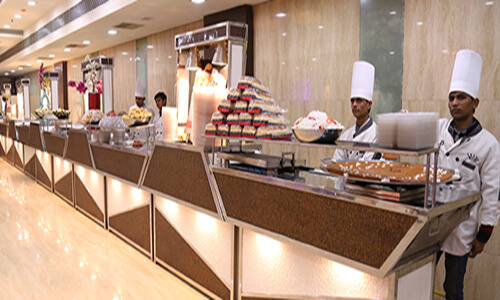
We have a specialized team of highly trained and experienced managers all from 5 stars, captains and other staff and they look after all of the needs of the guests. Our staff is dedicated, polite, courteous, neat and honest
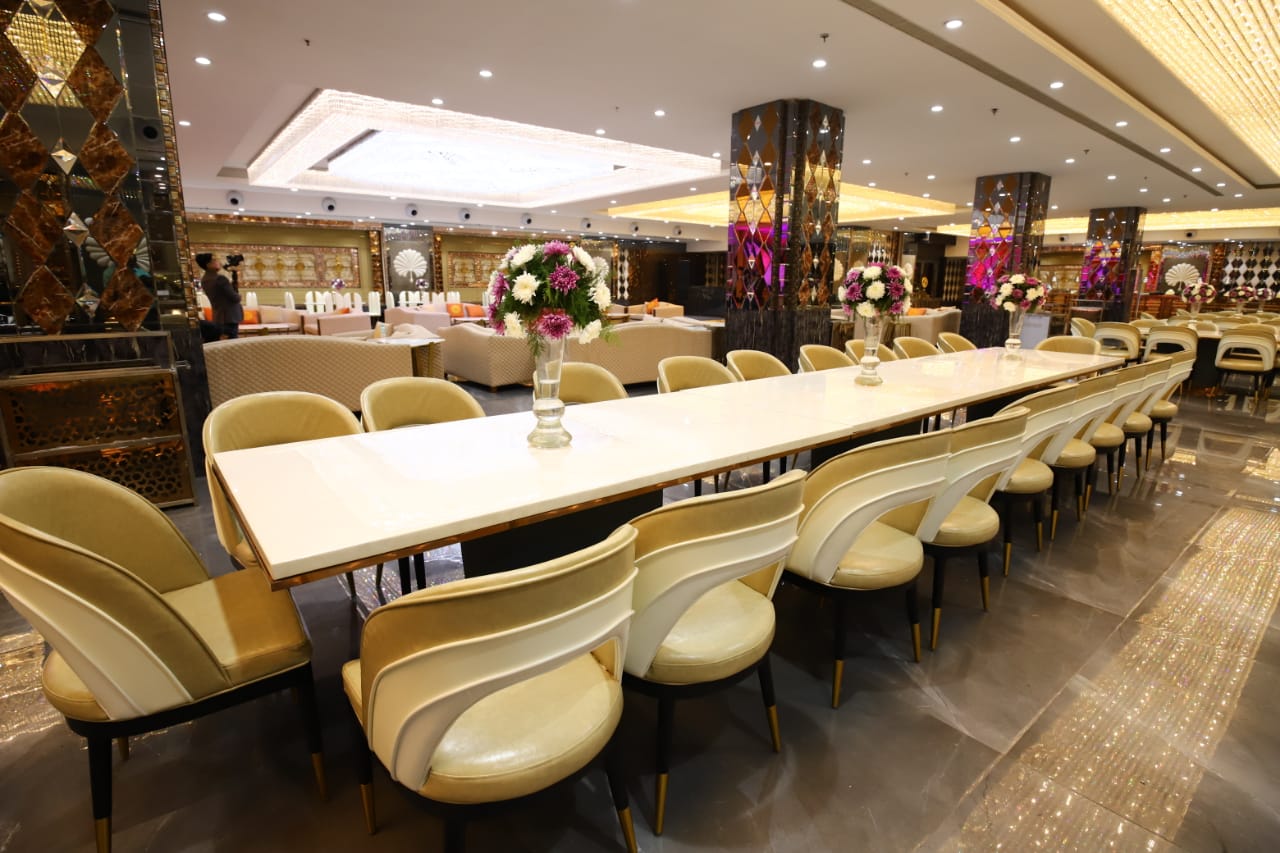
Spacious Elevators and escalated staircase is installed for convenience of our guests. All halls come with Bridle Room with lock for security of belongings of guest. Special Bar Counters

We are serving delicious snacks, some of them have been developed by our expert chefs, and they are our gift to the food industry. We serve full quantity of snacks from start till end of the function.
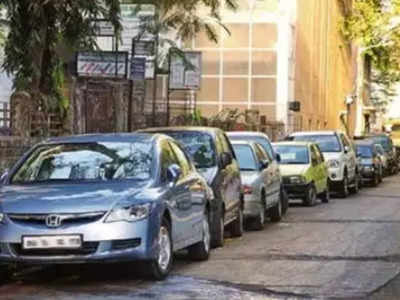
We provide ´Valet Parking´ facility at no extra cost to you. The cars of our guests shall be parked by our expert Valet parking drivers.

The richness of the ambience can be felt from the Cascading waterfalls, ornamental crystal chandeliers, beautiful Italian marble, light emitting onyx stone and ornate wood work. We have halls large enough to hold parties of 80 to 5000 guests. Beauty of our halls is unmatched in whole of East Delhi.
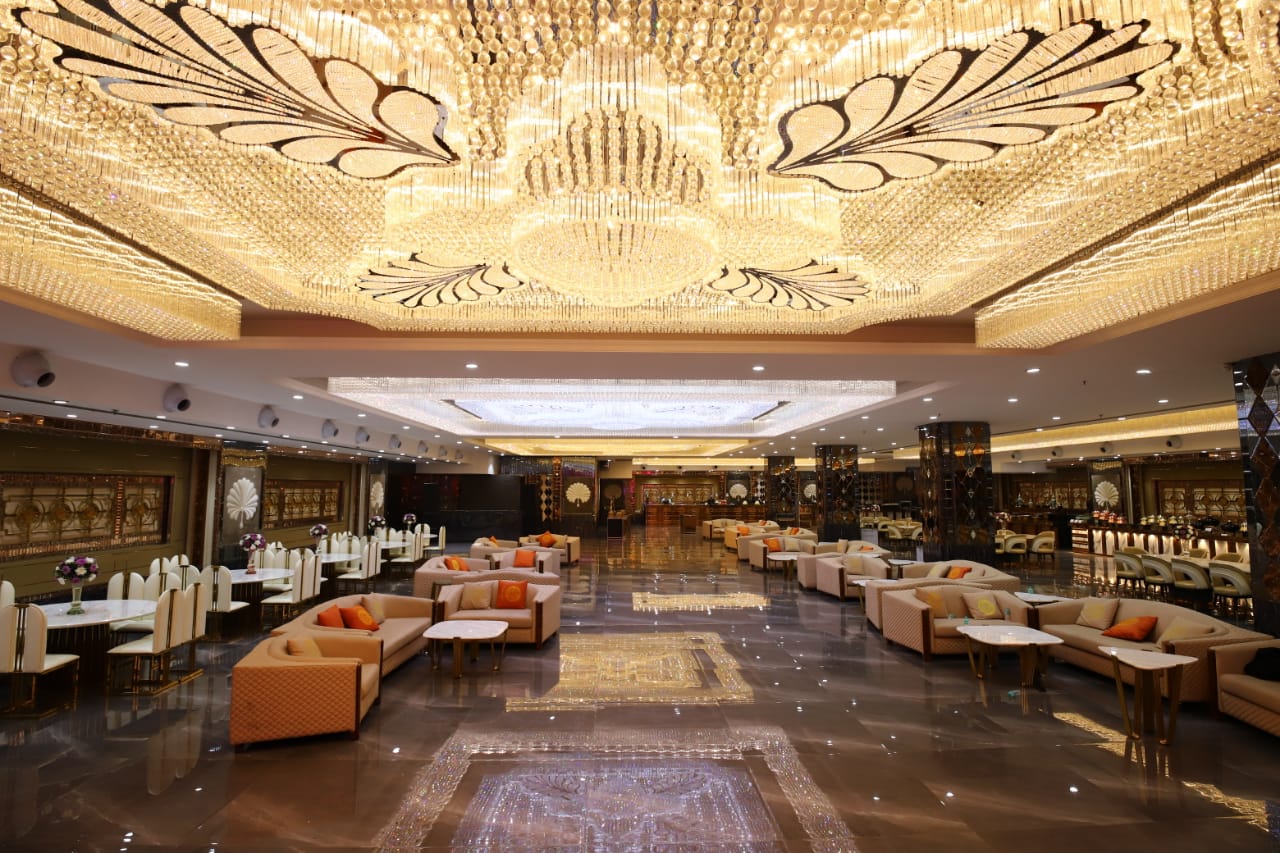
Our Banquet Halls are centrally Air-Conditioned. We run our AC on generators and hence it never stops and it is very effective in the middle of summer too.