
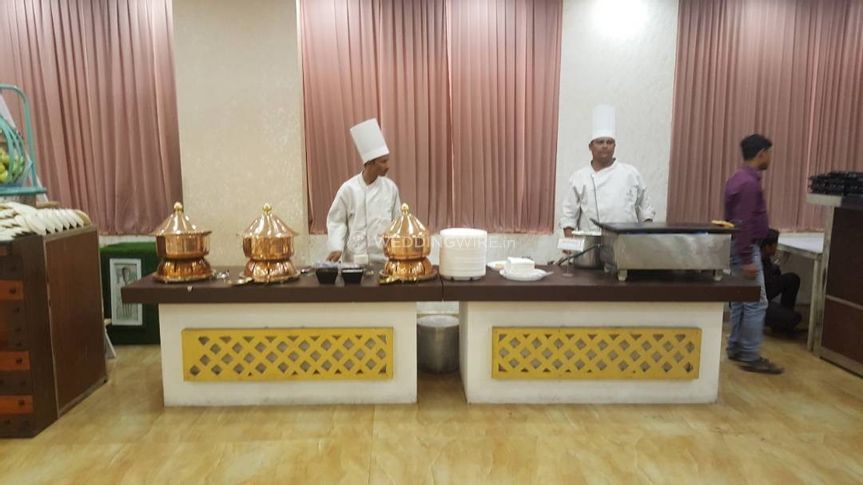
Self-serve beverage stations for large events
Large events need refreshments to be easy to find, quick to serve and comfortable for every guest. A self-serve beverage station works best when it functions like a small, well-planned café rather than a table crowded with bottles.
This matters at weddings, corporate functions and milestone parties, where queues form quickly and guests may also be managing plates, gifts or children. Good planning protects the budget: too little stock interrupts the event, while excessive stock ties up cash and leaves unopened containers behind.
Australia adds hot weather, state-based alcohol rules and a strong preference for tap-and-pay. A clear estimate, sensible menu and simple restocking system keep these realities manageable.
Start with guest numbers and movement
Begin with the likely peak period rather than the total guest list. For a two-hour reception with 150 guests, roughly 180 drink servings is a reasonable starting estimate; add more for a warm outdoor event, long drinks or children who will use juice. Adjust the figure to the menu and event duration.
Place ordering and collection in separate lines where space allows. Keep the station clear of doors, service routes and emergency exits, and leave enough width for guests carrying plates. Two-sided service can shorten queues, but it needs staff on both sides and a plan for restocking.
Large multi-room venues require separate stock and positions. The event spaces at Pearl Grand Banana Tree illustrate how a station can serve several functions without blocking the main flow.
Match the menu to Australian habits
Across Sydney, Melbourne, Brisbane and Adelaide, supermarket shelves offer familiar choices: bottled and canned soft drinks, juice, bottled water, coffee and beer. Takeaway coffee is part of daily routines, and many guests carry reusable water bottles, so both chilled coffee and plain water should be available.
A useful menu mixes free chilled still or sparkling water, soft drinks, juice, tea, coffee and at least one alcohol-free option such as a mocktail. Check whether the venue can provide filtered tap water; it reduces packaging and supports recycling goals.
Offer alcohol alongside these choices rather than making it the main attraction. Guests usually appreciate a broader range, and the station stays easier to manage when each drink has a designated container and price.
Build a practical back-of-house setup
Treat cooling as essential infrastructure. Check fridge capacity, keep perishable ingredients at 5°C or below and use insulated coolers for overflow. In Australian summer, shade and frequent ice replacement can matter as much as the number of drinks selected.
Confirm safe electrical capacity with the venue. Australian power is 240 volts, so protect high-powered appliances with suitable circuits, keep cables dry and secure them away from walkways, and never overload power boards.
Create separate waste stations for general rubbish, recycling and organics, with glass kept apart where councils require it. Provide scoops for ice, handwashing access and bins positioned before cups and bottles pile up.
Keep alcohol service within Australian rules
Liquor laws differ across Australian states and territories. In New South Wales, Victoria and Queensland, service may rely on the venue’s existing licence or a temporary event licence. The licence holder should confirm permitted hours, drink types, service areas and any staffing conditions.
Use staff with the appropriate Responsible Service of Alcohol training. Guests under 18 must not receive alcohol, staff need to check identification under the relevant state rules, and service must stop when a guest appears intoxicated. Keep procedures visible at the station.
A free-pour spirit station offers little control over quantities and creates unnecessary risk. If spirits are included, use measured servings and staff oversight. Clearly displayed standard-drink information helps guests make informed choices and supports the responsible service plan.
Make prices and instructions clear
When guests pay, display prices in Australian dollars and include GST where applicable. Australian consumer pricing rules require relevant taxes and charges to be shown, so avoid tiny price cards with ambiguous wording. Mark complimentary items as free.
Australian venues often favour contactless cards and mobile payments, but readers can lose connectivity or battery. Keep a small payment float, state whether cash is accepted and have a manual ticket or token system ready as a backup.
Label every drink, including common allergens such as dairy, nuts and gluten, and distinguish vegetarian or alcohol-free options. A prominent sign for free water prevents accidental charges and gives guests an easy non-alcoholic choice.
Keep the station easy to run
Give one staff member authority over the station and another the job of restocking. Volunteers can welcome guests and clear cups, while a paid attendant handles drinks, payments, alcohol checks and waste. This division prevents the serving counter from becoming a bottleneck.
Build the setup around these station setup recommendations:
- Calculate expected servings, then add a 15–20% buffer for heat and longer drink times.
- Chill every drink and refill coolers before the doors open.
- Post clear names, prices, allergens and alcohol-free labels at eye level.
- Use separate ice bins and store glass bottles away from the guest queue.
- Assign one attendant to refill, wipe surfaces and empty bins.
- Keep water available throughout the event, especially for outdoor functions.
- Prepare a payment float, spare receipt roll and backup card reader.
Before guests arrive, hold a ten-minute briefing covering the menu, queue direction, alcohol procedure, payment method and who to contact when stock runs low. Keep chilled water within reach of staff as well as guests.
Finish with a final event check
On the event day, compare actual stock with the estimate, test the payment system and confirm that signs are readable and bins are empty. Keep spare cups, labels, ice and rubbish bags nearby, because a simple refill should never require searching through storage areas.
During the event, record restocking needs rather than relying on visual impressions alone. Check the queue regularly, wipe spills promptly and remove empty bottles from the service surface. Coordinate any donation of unopened, non-alcoholic drinks with a local food rescue organisation and check the venue’s policy first.
Create the one-page station brief now, name its owner and circulate it to the venue, suppliers and staff seven days before the event.
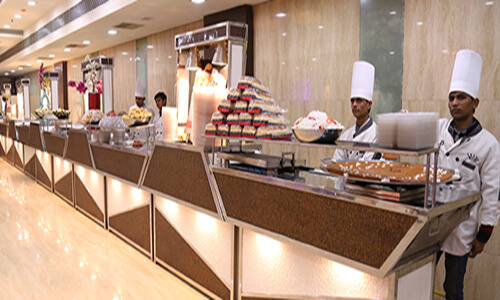
We have a specialized team of highly trained and experienced managers all from 5 stars, captains and other staff and they look after all of the needs of the guests. Our staff is dedicated, polite, courteous, neat and honest
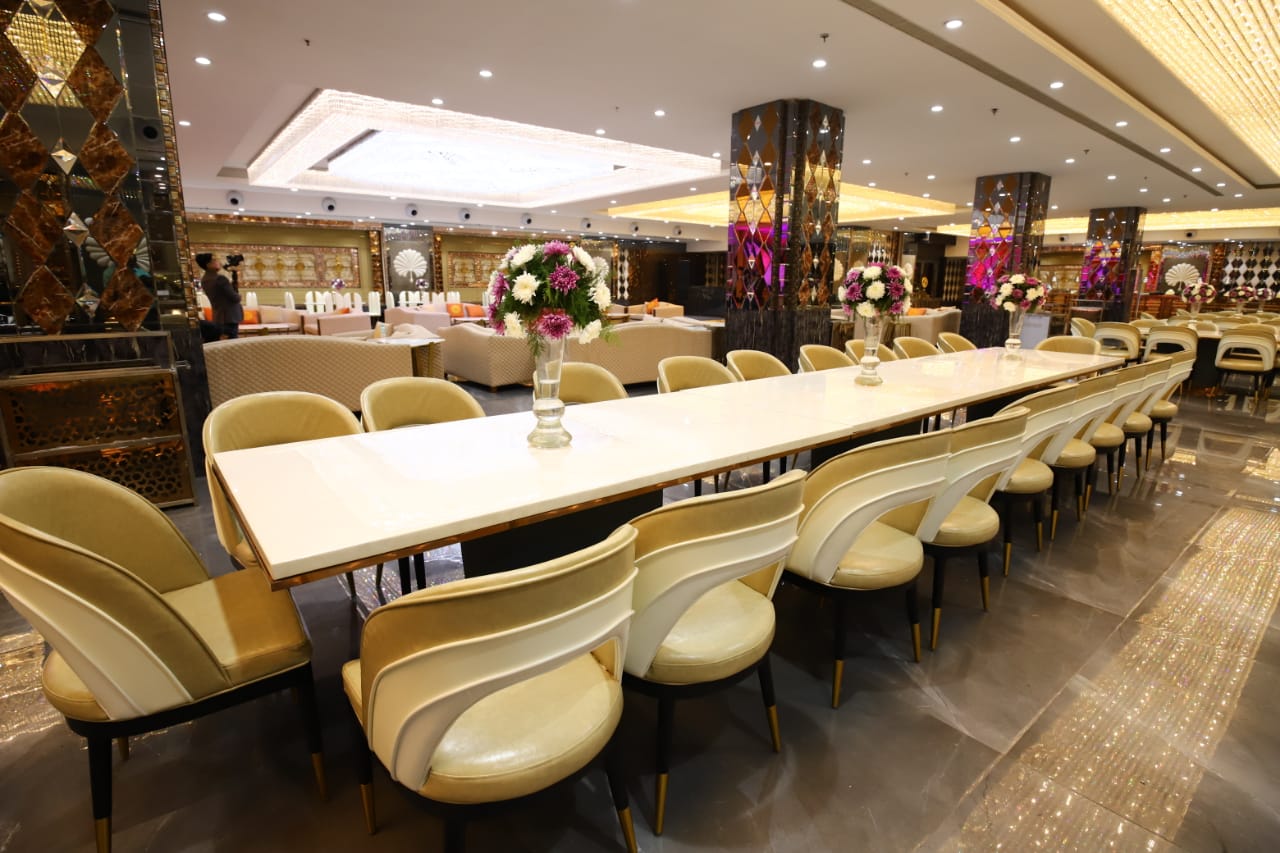
Spacious Elevators and escalated staircase is installed for convenience of our guests. All halls come with Bridle Room with lock for security of belongings of guest. Special Bar Counters
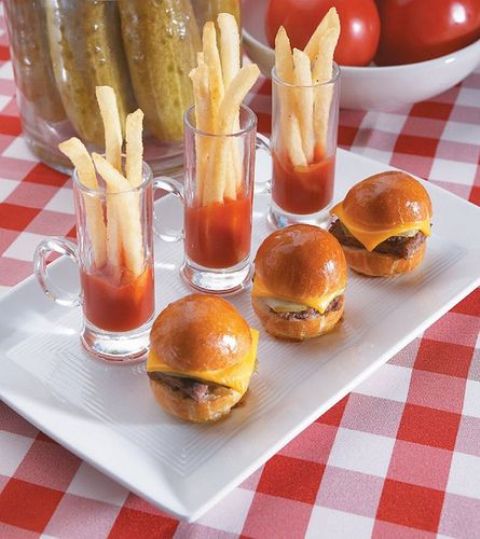
We are serving delicious snacks, some of them have been developed by our expert chefs, and they are our gift to the food industry. We serve full quantity of snacks from start till end of the function.
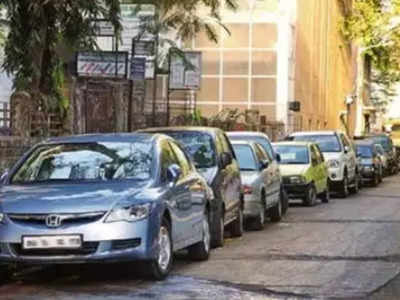
We provide ´Valet Parking´ facility at no extra cost to you. The cars of our guests shall be parked by our expert Valet parking drivers.

The richness of the ambience can be felt from the Cascading waterfalls, ornamental crystal chandeliers, beautiful Italian marble, light emitting onyx stone and ornate wood work. We have halls large enough to hold parties of 80 to 5000 guests. Beauty of our halls is unmatched in whole of East Delhi.
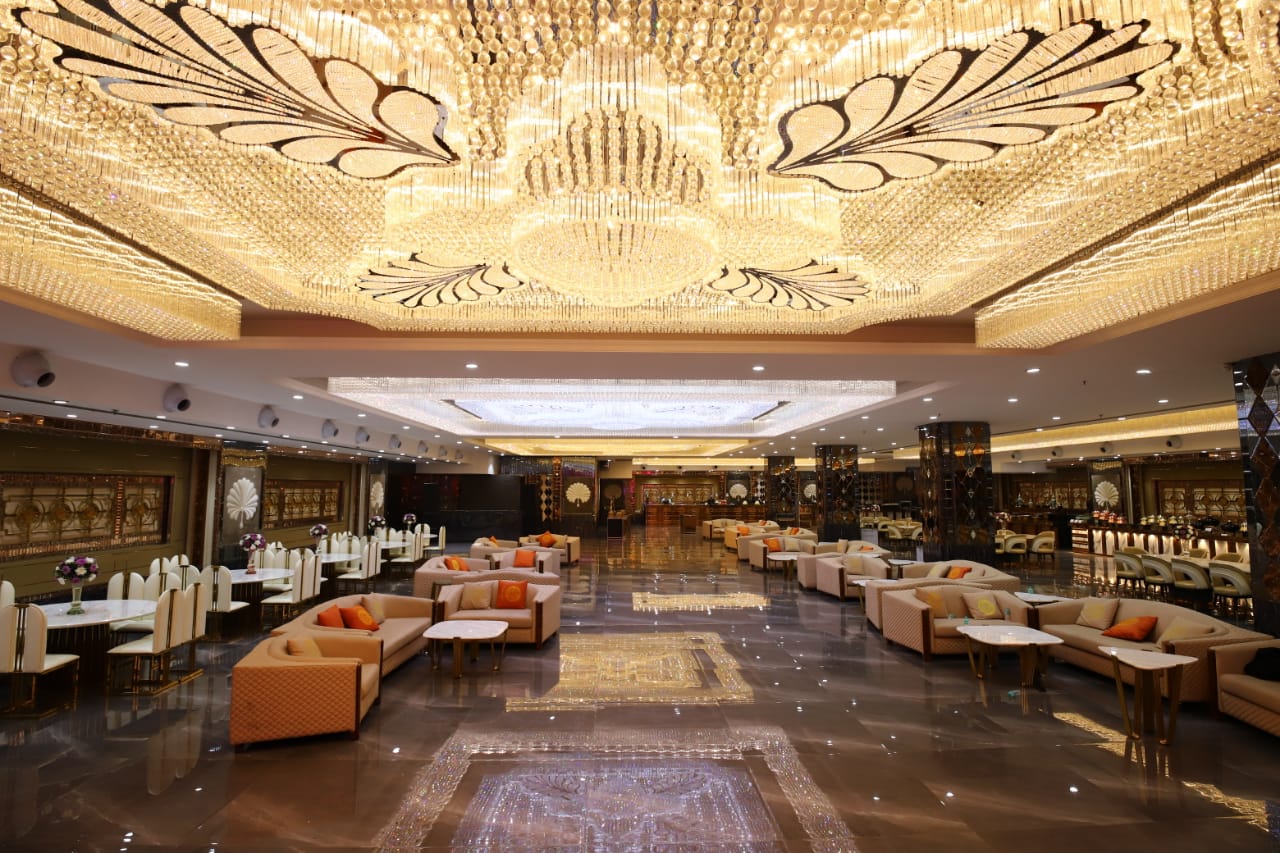
Our Banquet Halls are centrally Air-Conditioned. We run our AC on generators and hence it never stops and it is very effective in the middle of summer too.