
Planning Jain And Vegan Catering For Australian Events
A well-planned Jain or vegan menu can make a wedding, engagement, birthday, corporate function or family celebration comfortable for every guest. The key is to define the dietary boundaries early, explain them clearly to the catering team and choose dishes that remain appealing across different ages and food preferences.
For Australian hosts arranging an event in India, this also means balancing familiar expectations with local ingredients and kitchen practices. A menu may include Indian vegetarian favourites, fresh salads, seasonal produce and international dishes, while still respecting Jain principles or a fully plant-based standard.
| Menu requirement | Jain menu | Vegan menu | Catering priority |
|---|---|---|---|
| Meat, fish and seafood | Excluded | Excluded | Use vegetarian preparation areas |
| Dairy and ghee | Often accepted, depending on the family | Excluded | Confirm alternatives such as coconut or plant-based products |
| Eggs and honey | Usually excluded | Excluded | Check desserts, breads and sauces |
| Onion, garlic and root vegetables | Commonly excluded | May be included | Prepare a separate Jain selection |
| Cross-contact | Important | Important | Use clean utensils, cookware and serving spoons |
| Best approach | Fresh, simple, sattvic-style dishes | Clearly labelled plant-based dishes | Approve ingredients and recipes in advance |
Understand The Difference Between Jain And Vegan Food
Jain catering and vegan catering are not interchangeable. Jain guests may avoid meat, seafood, eggs and certain ingredients that grow underground, including potatoes, onions, garlic, carrots and beetroot. Some families also prefer food prepared with particular levels of care, while individual observance can differ.
Vegan guests avoid all animal-derived ingredients, including milk, paneer, ghee, yoghurt, cream, butter, eggs, honey and gelatine. A dish can be vegetarian but still unsuitable for a vegan guest, so labels such as “vegetarian”, “Jain-friendly” and “vegan” should be used precisely.
Ask each group or family representative whether the requirement is strict or flexible. This is especially useful for mixed Australian-Indian events, where guests from Melbourne, Sydney or Brisbane may be accustomed to different restaurant labelling and dietary explanations. Written confirmation prevents assumptions from reaching the kitchen.
Build A Menu Around Fresh, Familiar Flavours
A successful Jain menu can include vegetable pulao made without root vegetables, lentil preparations, paneer dishes, seasonal salads, fruit platters and breads prepared with approved ingredients. For vegan guests, replace dairy with coconut milk, cashew cream or other agreed plant-based options, while checking that the substitute itself suits the dietary standard.
A multi-cuisine vegetarian menu gives hosts room to offer Indian, Chinese, Continental and modern snack options. At Pearl Grand Banana Tree, the catering discussion can include the event style, guest numbers, service format and the level of Jain or vegan separation required.
Keep flavours balanced rather than making every dish hot or heavily spiced. Australians often expect a choice of mild and spicy food, particularly at corporate events or celebrations attended by children. Seasonal produce from local markets can also bring freshness to salads, fruit, garnishes and vegetable starters without making the menu feel unfamiliar.
Control Allergens And Kitchen Cross-Contact
A dietary promise is only reliable when the kitchen controls ingredients and preparation. Use separate knives, boards, pans, serving spoons and storage containers where practical. A vegan dish should not be finished with butter or ghee, and a Jain dish should not be garnished with onion, garlic or an unsuitable vegetable after it leaves the kitchen.
Australian hosts may be familiar with Food Standards Australia New Zealand requirements for declaring allergens. Although the event is being catered in Ghaziabad, the same disciplined approach is valuable: identify milk, wheat, nuts, peanuts, sesame, soy and other relevant allergens, then communicate them on menus or discreet service cards.
Useful information to collect before finalising recipes includes:
- Whether guests have allergies as well as ethical or religious restrictions
- Whether dairy-free means fully vegan, or whether some guests accept selected ingredients
- Whether Jain guests avoid all root vegetables or follow a family-specific variation
- Whether food must be prepared in a separate area or simply served with clean utensils
- Whether buffet labels need to be bilingual or especially detailed for overseas guests
Never rely on a generic “vegetarian” sign. A sauce, pastry, dessert or bread can contain dairy, egg, honey, gelatine or stock that is not obvious from its name. The catering manager should retain an ingredient record for every approved dish.
Choose A Service Style That Protects Dietary Choices
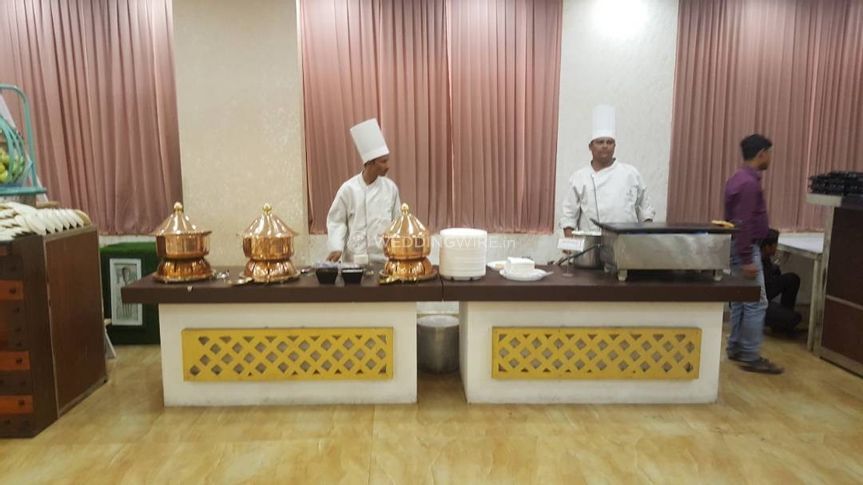
Buffets are practical for large weddings and receptions, but they require strong labelling and careful placement. Keep Jain and vegan dishes in clearly marked sections, provide separate serving spoons and avoid placing a shared ladle across multiple trays. Staff should know which dishes contain dairy, nuts, gluten or root vegetables.
Plated service gives tighter control and may suit a corporate dinner, anniversary or smaller celebration. It allows the kitchen to send the correct meal directly to each guest, though seating plans and meal symbols must be accurate. Family-style service can work well when every dish is suitable for the whole table, but it is less flexible for mixed dietary requirements.
For outdoor functions or warm-weather celebrations in cities such as Perth or Adelaide, monitor holding temperatures and limit the time that salads, coconut-based dishes and desserts remain in the open. In Australia, guests are accustomed to food-safety messaging and clear buffet management, so visible hygiene standards help build confidence.
Confirm Details Before The Event
A tasting is useful, but it should test more than flavour. Review the exact recipes, labels, substitutions, serving order and the process for handling late dietary changes. Confirm whether the same kitchen will prepare the Jain and vegan items and identify one staff member as the dietary contact during service.
A short written menu approval can prevent last-minute confusion. It should name each dish, list major allergens, identify whether it is Jain or vegan, and record any ingredient substitutions. This is particularly important when guests are travelling from Australia and may have already communicated requirements through several people.
Before signing off the catering arrangement, check these practical points:
- Final guest count and number of Jain, vegan and allergy-sensitive meals
- Separate utensils, cookware, storage and buffet service equipment
- Ingredient labels for dairy, egg, honey, gelatine, nuts, sesame and gluten
- Staff briefing, table markings and the person responsible for dietary questions
- Backup dishes if a supplier or seasonal ingredient becomes unavailable
Send the approved menu and dietary notes to the venue several days before the function, then confirm the final guest numbers and the designated service contact in writing.
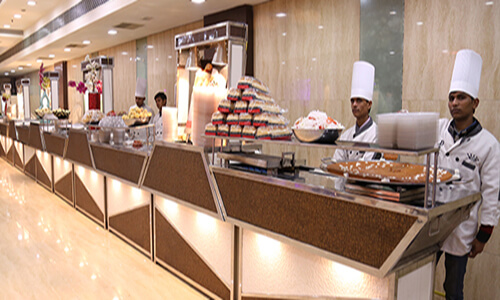
We have a specialized team of highly trained and experienced managers all from 5 stars, captains and other staff and they look after all of the needs of the guests. Our staff is dedicated, polite, courteous, neat and honest
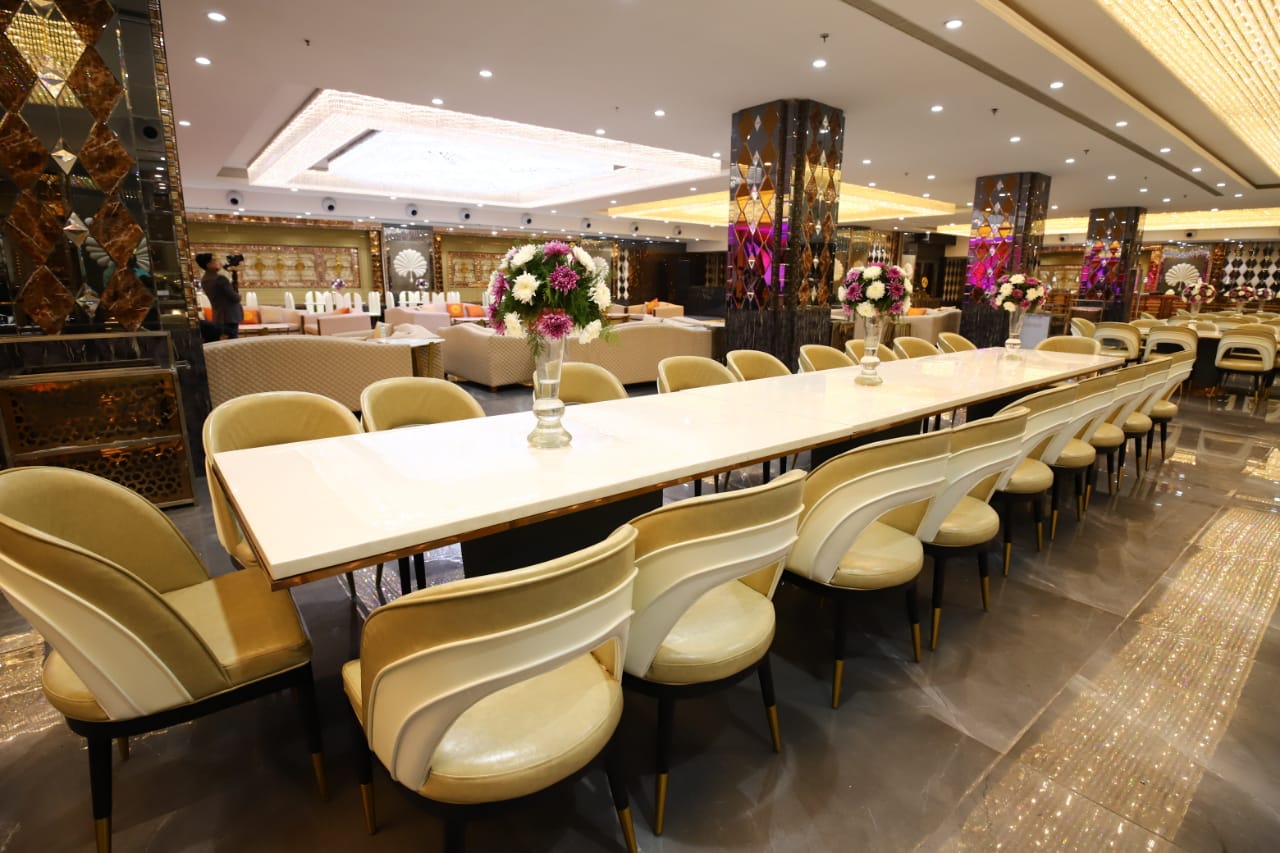
Spacious Elevators and escalated staircase is installed for convenience of our guests. All halls come with Bridle Room with lock for security of belongings of guest. Special Bar Counters

We are serving delicious snacks, some of them have been developed by our expert chefs, and they are our gift to the food industry. We serve full quantity of snacks from start till end of the function.

We provide ´Valet Parking´ facility at no extra cost to you. The cars of our guests shall be parked by our expert Valet parking drivers.

The richness of the ambience can be felt from the Cascading waterfalls, ornamental crystal chandeliers, beautiful Italian marble, light emitting onyx stone and ornate wood work. We have halls large enough to hold parties of 80 to 5000 guests. Beauty of our halls is unmatched in whole of East Delhi.

Our Banquet Halls are centrally Air-Conditioned. We run our AC on generators and hence it never stops and it is very effective in the middle of summer too.