
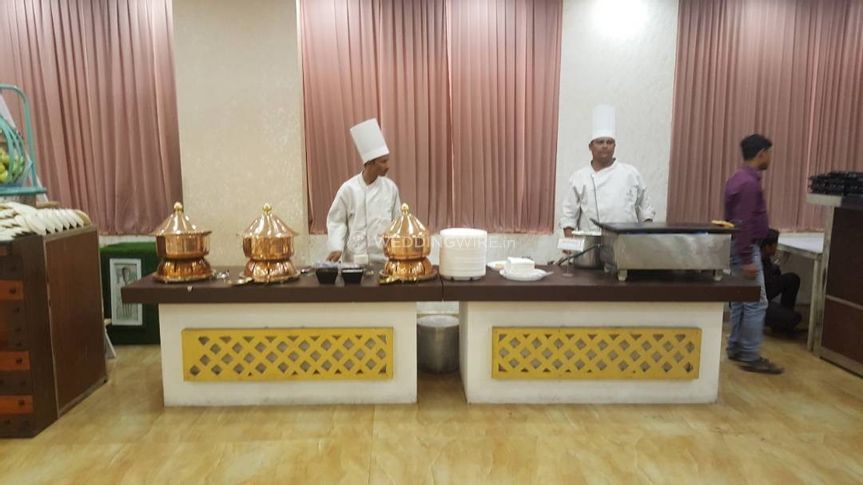
Creating a Welcoming Foyer Check-In Experience
The foyer is the first operational space guests encounter, so it should do more than look attractive. It needs to guide arrivals, support quick registration, answer common questions and create a calm transition from the outside world into the celebration or business event.
At Pearl Grand Banana Tree in Sahibabad, Ghaziabad, the foyer can help manage the movement of guests attending weddings, receptions, birthdays, corporate gatherings and pre-wedding ceremonies. With thoughtful planning, this shared area can feel polished for Australian visitors while still reflecting the hospitality and celebration expected at an Indian banquet venue.
Plan The Guest Journey Before Arrival
Begin by mapping the route from the entrance to the main hall. Guests should be able to identify where to stop, where to register and where to proceed without interrupting catering staff, entertainers or the event host. A simple flow might include an arrival point, registration desk, waiting space and directional sign to the function room.
Consider how different guests will arrive. Some may come by car, while others may use public transport or arrive in groups. The venue’s proximity to Kaushambi Metro Station and Pacific Mall can be mentioned in digital invitations and reminder messages, helping visitors plan their journey through the busy Delhi-NCR region.
For Australian guests, clear arrival instructions are especially useful when travelling internationally. Include the venue address, recommended arrival time, dress expectations, parking information and a local contact number. This is particularly helpful for guests accustomed to straightforward venue signage in Melbourne, Sydney or Brisbane.
Divide The Foyer Into Clear Zones
A large foyer should have separate areas for registration, information, waiting and photography. Even a small foyer can be divided visually with furniture, floral arrangements, rope barriers or freestanding signs. Keeping each purpose distinct reduces crowding and prevents guests from forming one large, uncertain queue.
Place the registration desk close enough to the entrance to be visible, but not so close that arriving guests block the doorway. A secondary information point can handle questions about seating, gifts, cloakroom arrangements or the timing of ceremonies. For weddings, a welcome display may also show the couple’s names and the day’s schedule.
Leave a generous path for guests who are not registering, including older relatives and people carrying children or gifts. This matters during Indian family celebrations, where large groups may arrive together and spend time greeting one another before entering the main venue.
Make Check-In Fast And Personal
Prepare separate lists when the event includes multiple groups, such as family members, corporate delegates, vendors or VIP guests. Alphabetical lists, table numbers, coloured wristbands or discreet name badges can help staff locate information quickly without making the process feel impersonal.
For a corporate event, use a registration system that records attendance, distributes badges and directs delegates to breakout rooms. Organisers familiar with Australian conferences may find useful ideas through conference planning resources when designing a smooth delegate check-in process.
For social events, a lighter approach may work better. A host can greet guests, confirm their names and guide them towards the relevant hall or seating area. Staff should know how to answer basic questions about vegetarian menu options, washrooms, prayer areas, photography and the schedule of rituals or speeches.
Use Signage That Works At A Glance
Foyer signage should be readable from several metres away. Use short phrases such as “Registration,” “Wedding Hall,” “Corporate Check-In” or “Reception Seating,” supported by arrows where necessary. Avoid filling signs with too much text, as guests usually look at them while walking or speaking with others.
Choose a consistent visual style that matches the event décor. Elegant lettering may suit an anniversary or reception, while stronger colour contrast can be more effective for a business gathering. For Australian visitors, use plain English rather than relying on unfamiliar local abbreviations, and consider adding Hindi translations where many family members will benefit.
Digital screens can display the event programme, sponsor messages or table assignments, but they should support physical signs rather than replace them. Printed signage remains valuable when mobile data is slow, batteries are low or guests are using international roaming.
Make The Area Comfortable And Accessible
The foyer may become busy during peak arrival periods, so plan seating for older guests, pregnant visitors and anyone who needs a short rest. Keep chairs away from the main traffic route and ensure that decorative installations do not narrow the accessible path.
Temperature and ventilation also affect the welcome experience. Guests arriving from Australia may be adjusting to Sahibabad’s heat, winter chill or seasonal air quality, so a comfortable indoor transition is important. During monsoon weather, provide a practical place for umbrellas and wet footwear without creating slippery surfaces.
Use non-slip flooring or mats near entrances, especially when rain is expected. Keep cables taped down or routed away from walkways, and avoid placing floral stands where flowing garments, children or mobility aids could catch on them.
Coordinate Décor, Catering And Staff
The registration point should look like part of the event rather than an improvised desk. A branded panel, fresh flowers, coordinated linen or a welcome board can make it attractive while preserving enough surface area for lists, badges and stationery. The venue’s event arrangements and décor services can be coordinated through Pearl Grand Banana Tree so the foyer supports the wider design.
Catering staff should not use the registration area as a service station. Welcome drinks, bottled water or small vegetarian appetisers can be placed on a separate table where guests can pause without blocking check-in. This arrangement is useful for long wedding arrivals and for events where guests are travelling from different parts of the National Capital Region.
Assign named team members to specific duties. One person can welcome guests, another can manage names or badges, and a third can escort people to the hall. A short briefing before doors open should cover the run sheet, emergency procedures, guest sensitivities and who has authority to resolve seating or access issues.
Practical Foyer Preparation Checklist
Use the following checklist during the final venue walk-through:
- Position the registration desk where it is visible but does not obstruct the entrance.
- Prepare printed guest lists, pens, badges, table plans and backup stationery.
- Add large, high-contrast signs for registration, washrooms, halls and waiting areas.
- Reserve seating and clear paths for older guests, children and people with mobility needs.
- Provide a separate table for welcome drinks, gifts, umbrellas or event materials.
- Brief staff on timings, guest categories, dietary information and escalation contacts.
- Test lighting, digital displays, power connections and mobile reception before arrivals.
After setting up, walk through the foyer as if you were a first-time guest. Check whether the registration point can be seen immediately, whether the queue has somewhere to extend and whether a person unfamiliar with the venue could reach the correct hall without asking for help.
The best foyer arrangement remains flexible. Arrival times can change, a family group may need extra assistance, or a corporate delegate queue may suddenly grow. Staff should be ready to open a second check-in point, move a sign or redirect guests while keeping the atmosphere composed.
A well-prepared foyer gives every arrival a clear next step. It welcomes guests warmly, protects the event schedule and allows the main celebration or programme to begin with less confusion. What guests should remember is simple: they should feel expected, guided and comfortable from the moment they enter.
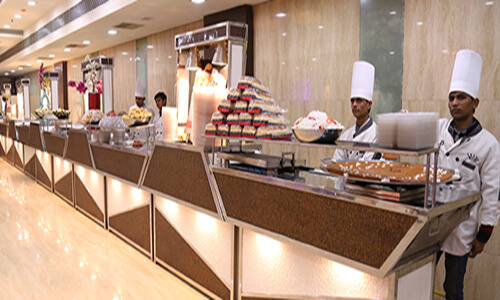
We have a specialized team of highly trained and experienced managers all from 5 stars, captains and other staff and they look after all of the needs of the guests. Our staff is dedicated, polite, courteous, neat and honest
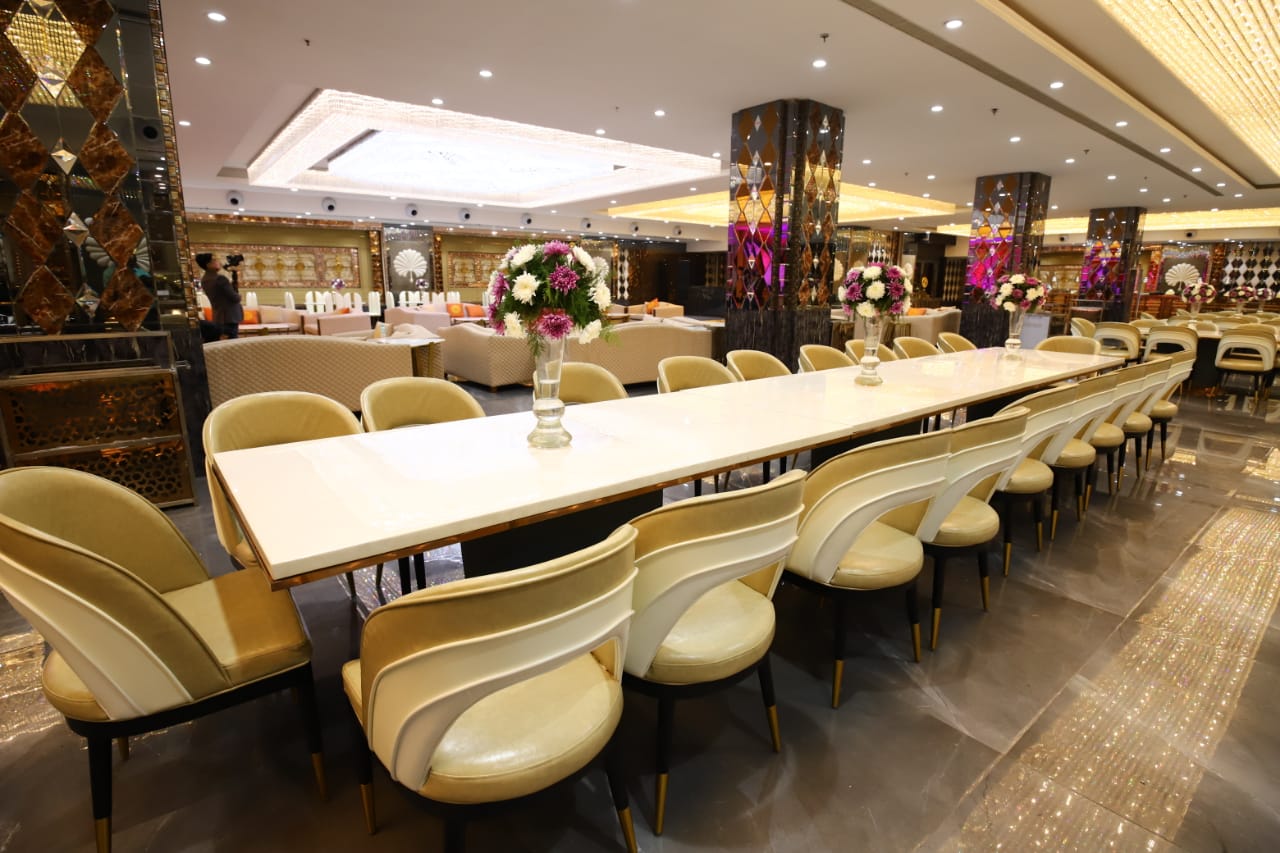
Spacious Elevators and escalated staircase is installed for convenience of our guests. All halls come with Bridle Room with lock for security of belongings of guest. Special Bar Counters

We are serving delicious snacks, some of them have been developed by our expert chefs, and they are our gift to the food industry. We serve full quantity of snacks from start till end of the function.
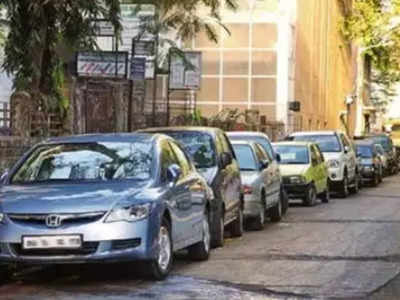
We provide ´Valet Parking´ facility at no extra cost to you. The cars of our guests shall be parked by our expert Valet parking drivers.

The richness of the ambience can be felt from the Cascading waterfalls, ornamental crystal chandeliers, beautiful Italian marble, light emitting onyx stone and ornate wood work. We have halls large enough to hold parties of 80 to 5000 guests. Beauty of our halls is unmatched in whole of East Delhi.
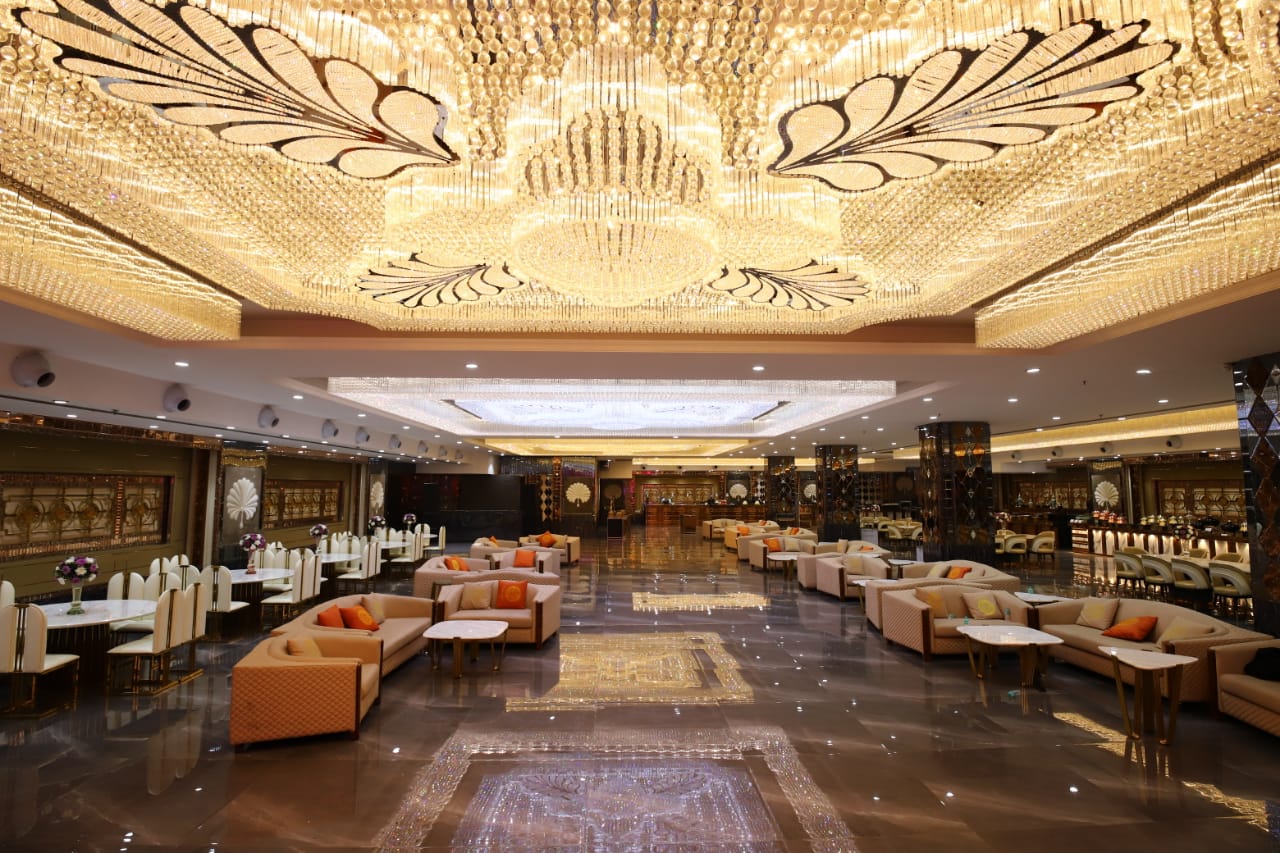
Our Banquet Halls are centrally Air-Conditioned. We run our AC on generators and hence it never stops and it is very effective in the middle of summer too.