
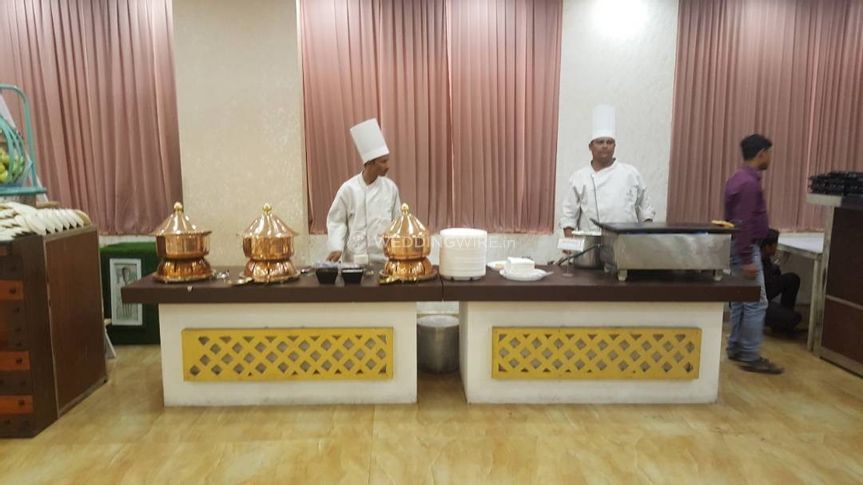
A Practical Guide to Uplighting a Banquet Hall
The best tips for using uplighting to transform your banquet hall ambiance begin with the room, not the colour catalogue. Uplighters sit on the floor and cast a low-angle wash across walls, columns and draped fabric. Used with restraint, they create depth, guide attention to the stage or cake table, and make a large banquet hall feel intimate without adding visual clutter.
Many Indian diaspora families in Sydney, Melbourne and Brisbane host large, multi-day receptions with South Asian catering, elaborate décor and professional event services. Lighting should complement food, clothing and photography rather than compete with them. A well-planned wash can support every part of the setting, from the entrance to the final dance.
Start with the room's visual zones
Decide which moments and features deserve emphasis. Entry points, dining tables, a stage, a mandap or cake table may each need a separate lighting focus. A few deliberate pools of light create hierarchy and show guests where to look, while a uniform wash can make everything appear equally important.
Sketch the room before hiring equipment. Mark columns, fabric panels, windows, doors, stage sightlines, chandeliers and dark corners. Equal spacing without purpose creates random bright and dull zones. The plan should connect every fixture to a feature while leaving adequate space for queues, tables and the dance floor.
Build a flattering colour palette
Warm white usually works best when people are the focus. A 2700–3000 K colour temperature gives Australian reception rooms the soft-white glow commonly requested for weddings, flattering skin tones and harmonising with ivory, gold and timber décor. Around 3500 K creates a cleaner corporate look, while saturated RGB colour works better as an accent than as the room’s only illumination.
Match the palette to materials rather than applying every venue colour equally. Deep jewel tones can enrich red, emerald, saffron and gold fabrics for a wedding, while lavender or icy blue may complement a cooler corporate scheme. Keep one dominant hue, one supporting accent and a neutral base; too many colours can reduce food appeal, distort décor and make photographs look inconsistent.
Layer light with other fixtures
Treat uplighting as one layer, not the whole lighting system. Keep chandeliers or ceiling lights bright enough for service, face visibility and safe movement, then let the wall wash create depth. Dimming the overhead fixtures during key reveals gives uplighting more impact and avoids the flat, shadow-heavy look produced by a single row of coloured lamps.
Pair uplighters with pin spots for the cake, stage or couple, festoon lights for warmth, and candles where flame-free LEDs are permitted. Mirrors and metallic finishes will catch the wash and extend it across the room. Haze can reveal colour beams, but it must be approved by the venue because it may affect detectors, ventilation and photography.
Place uplighters for even coverage
Angle fixtures towards the wall rather than straight at the ceiling or into guests’ eyes. A roughly 45-degree position often creates smoother coverage and reduces visible scallops; vary the distance if columns or fabric create uneven patches. Test the layout with the room’s normal occupancy, since tables and décor can block low beams.
Place units behind floral installations or inside suitable covers, but never where they create trip hazards. Keep sightlines to the stage clear and leave enough separation between fixtures to prevent hotspots. Along a long wall, work in deliberate sections instead of stretching a few lights across the entire surface.
Dim, time and automate the effect
Dimming is usually more valuable than extra brightness. Run dining and speeches at around 20–40 per cent, then raise the level for entrances, dances and photo moments. This matters in Melbourne, where guests often arrive after work under early winter sunsets, and in Sydney, where long summer evenings can leave the arrival area bright until late.
Use DMX-capable fixtures or a simple scene controller for reliable cues. Program slow fades rather than rapid flashes, save separate settings for ceremony, meal, dancing and late-night service, and rehearse the sequence with music. A locked manual setting is a sensible backup if the controller, laptop or network connection fails.
Coordinate power, safety and venue operations
In Australia, temporary event lighting should be planned under AS/NZS 3000 Wiring Rules and applicable state electrical safety requirements. A qualified electrician should check loading, earthing, residual-current device (RCD/GFCI) protection and safe cable routes. Fire exits, emergency lighting and venue insurance must remain unaffected.
The local market commonly offers lighting as part of an AV package with delivery, dimming controls and an on-site technician. Confirm whether setup, strike, power distribution, cable management and programming are included; these items can otherwise create surprise charges. For shorter events, a pre-programmed playlist with manual backup may be enough.
For a destination reception in Sahibabad, Pearl Grand Banana Tree offers large-group banquet spaces, vegetarian multi-cuisine catering, event arrangements, décor and hospitality staff near Kaushambi Metro Station and Pacific Mall. Its venue team can help with the practical layout, while its electrician should verify applicable Indian electrical and fire-safety requirements.
Build a dependable lighting plan
A clear brief and a site test make the lighting predictable across decorators, caterers and guests. Use the following checklist when agreeing on equipment, placement and operating plans:
- Mark uplighter positions, power outlets, focal zones and safe cable routes on the floor plan.
- Choose one dominant colour, one supporting hue and a warm or neutral base.
- Use 2700–3000 K light around dining areas and faces.
- Set speech, meal, dance and late-night scenes separately.
- Position fixtures at about 45 degrees and check for glare or scallops.
- Engage a qualified electrician and keep emergency paths clear.
- Rehearse every cue and carry a static lighting backup.
The practical takeaway is to use uplighting as a controlled layer of the room: warm, evenly placed fixtures at low intensity will usually flatter guests and décor better than brighter, faster-changing colour changes. A tested lighting cue and a static fallback give the banquet hall a polished atmosphere while keeping meals, speeches and photographs clear.
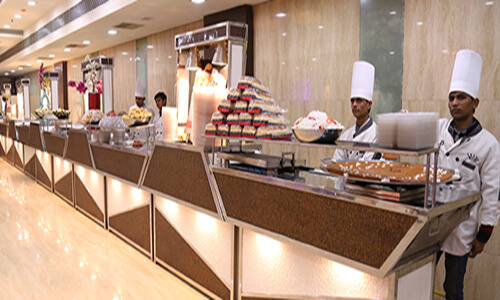
We have a specialized team of highly trained and experienced managers all from 5 stars, captains and other staff and they look after all of the needs of the guests. Our staff is dedicated, polite, courteous, neat and honest
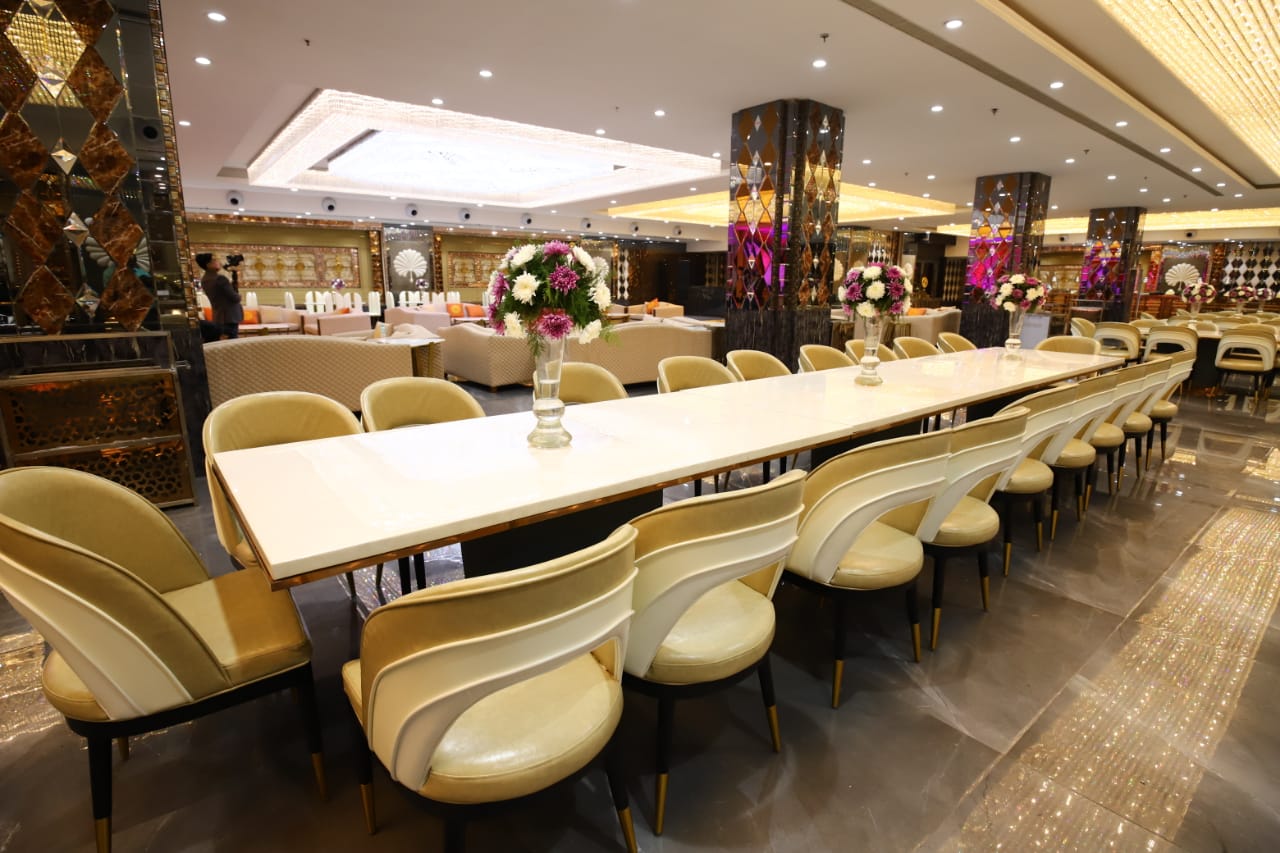
Spacious Elevators and escalated staircase is installed for convenience of our guests. All halls come with Bridle Room with lock for security of belongings of guest. Special Bar Counters

We are serving delicious snacks, some of them have been developed by our expert chefs, and they are our gift to the food industry. We serve full quantity of snacks from start till end of the function.
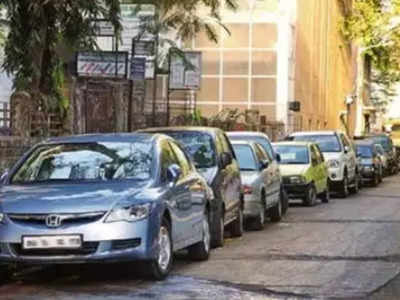
We provide ´Valet Parking´ facility at no extra cost to you. The cars of our guests shall be parked by our expert Valet parking drivers.

The richness of the ambience can be felt from the Cascading waterfalls, ornamental crystal chandeliers, beautiful Italian marble, light emitting onyx stone and ornate wood work. We have halls large enough to hold parties of 80 to 5000 guests. Beauty of our halls is unmatched in whole of East Delhi.
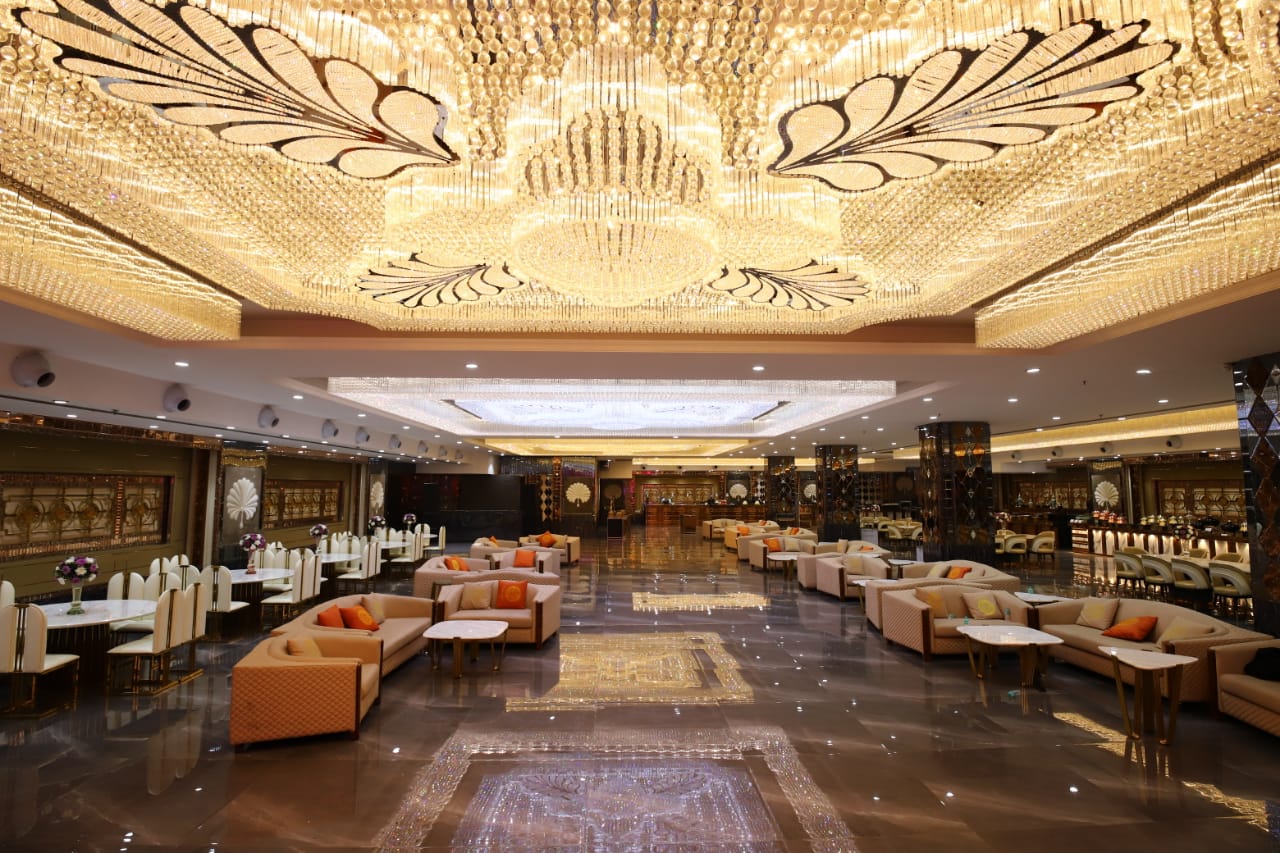
Our Banquet Halls are centrally Air-Conditioned. We run our AC on generators and hence it never stops and it is very effective in the middle of summer too.