
Choosing a Venue for a Religious Ceremony That Honours Every Tradition
Selecting the right place for a sacred occasion sets the tone for everything that follows, from the first prayer to the final blessing. Families across Sydney, Melbourne and Brisbane pour months of thought into finding a setting that respects cultural rituals while keeping guests comfortable, fed and inspired. A well-matched venue quietly supports the meaning of the day, while the wrong one can complicate even the simplest ceremony.
This guide walks through the practical and spiritual points worth weighing before signing a venue contract. Whether the gathering is a Catholic wedding, a Hindu puja, a Sikh milni or a multi-faith celebration, the underlying considerations stay remarkably similar. At the end, you will find a short checklist that distils the essentials into a single page you can take to your first site visit.
Location, Travel Links and Guest Convenience
The geographic position of a venue influences attendance more than almost any other factor. In cities such as Melbourne and Perth, guests often travel by tram, train or car, so proximity to public transport and major roads matters far more than an attractive address on a quiet side street. A venue within fifteen minutes of an airport, motorway exit or suburban train station will make life easier for older relatives travelling from interstate.
Parking is another everyday pain point that Australian families consistently raise when booking ceremony halls. Look for on-site parking, a nearby multi-storey, or at least unrestricted kerb space, since local councils frequently enforce timed parking zones around religious and community buildings. Checking the surrounding suburb for hotel options also helps, particularly when guests are flying in from regional towns like Cairns, Hobart or Warrnambool.
Accessibility under the federal Disability Discrimination Act is a baseline requirement, not a luxury feature. Ramps, accessible toilets, lift access and hearing loops should be standard, but it pays to confirm them in writing before paying a deposit. Venues that proactively accommodate accessibility tend to handle the wider logistics of a sacred gathering with equal care.
Catering, Dietary Laws and Food Safety Standards
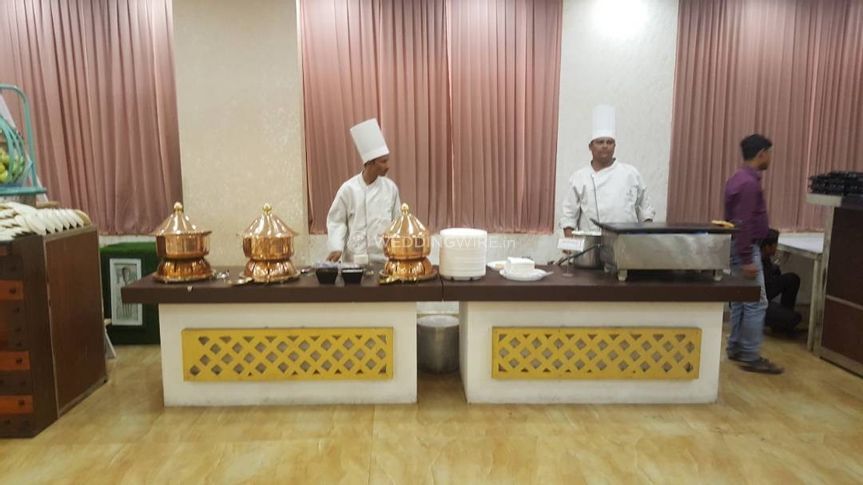
Food sits at the heart of nearly every faith-based celebration, and the rules around it can be strict. Halal, kosher, Jain vegetarian and sattvic menus all require separate preparation areas, certified suppliers and trusted cooks, and not every catering team is set up to deliver on that. A venue with in-house chefs who understand these requirements saves couples and families from the headache of sourcing external vendors.
In Australia, food businesses must comply with the Food Standards Code set by Food Standards Australia New Zealand, and reputable venues display their registration and most recent health inspection outcomes on request. This matters because cross-contamination between vegetarian and non-vegetarian dishes, or between halal and non-halal items, can ruin the spiritual significance of a meal. Ask how the kitchen segregates equipment, fridges and serving staff.
Beverage service is another quiet detail. Some Australian venues operate under a BYO liquor licence or a limited liquor permit issued by the state authority, while others hold a full licence with a per-head package. For ceremonies where wine, sherry or sacramental drinks play a role, clarify in advance whether the venue permits external supplies and what corkage applies. Confirming these details avoids last-minute changes that disrupt the flow of blessings and toasts.
Décor, Acoustics and the Feel of a Sacred Space
The visual and acoustic character of a room shapes how a ceremony is remembered. Large empty halls can feel cold without proper draping, floral arrangements and warm lighting, while older community halls may carry acoustic issues that muffle chanting or amplified prayers. A quick walk-through with the on-site decorator or event manager will reveal whether they have transformed the space for similar rituals before.
Hindu weddings often demand a mandap with a central pole, Sikh milnis require space for a langar arrangement, and Catholic ceremonies call for a clear aisle and a stationary or movable altar. Venues that welcome a brief site walk-through with the family's priest, pandit or celebrant tend to anticipate these layouts. They will also flag low ceilings, fixed stages or immovable furniture that could complicate a processional.
Sound systems deserve a closer look too. Many Australian venues invest in built-in AV, but the microphones, speakers and mixing desks differ wildly in quality. For ceremonies involving devotional music, kirtan, hymn singing or live instrumentalists, request a technical demo during the site visit. A reliable fold-back monitor for the officiant and clear speech coverage for guests at the back should be non-negotiable.
Capacity, Layout and Comfort for Extended Gatherings
Religious ceremonies tend to run longer than secular receptions, often blending rituals, prayers and shared meals into a single day. That makes room capacity and ventilation more important than a peak-hour headcount. Confirm the seated and standing limits with the venue manager, and ask how the air conditioning, ceiling fans or heating systems cope during a five- or six-hour booking.
Comfort for elderly guests is a recurring concern in multicultural Australian families, where grandparents frequently travel from countries like India, Sri Lanka, Lebanon and the Philippines. Comfortable chairs with armrests, shaded waiting areas, a quiet room for nursing mothers and clean accessible washrooms all add up. Venues that offer a dedicated holding room for the bridal party or a separate space for rituals restricted to family members show thoughtfulness beyond the basic floor plan.
The weather also plays a part in outdoor ceremonies in places like Brisbane and the Gold Coast, where afternoon storms are common between November and March. Confirm whether the venue has a wet-weather backup that still feels ceremonial, whether fitted drapes can seal a verandah, and how quickly staff can rearrange the layout. A venue that has hosted pheras, nikahs and vow renewals in changing weather will know exactly what to do.
Contracts, Permits and Venue Policies
A clear contract protects both sides and should never feel like an afterthought. Standard venue agreements in Australia cover hire periods, damage bonds, cancellation timelines, and itemised costs for staging, lighting and overtime. Reading the fine print matters because some venues charge per hour for every additional setup hour, while others offer a flat day-rate that includes morning access for decorators and priests.
Local council regulations may also influence the booking, particularly around noise, amplified music and outdoor fire rituals such as a Hindu havan or a Sikh akhand paath. Most Australian councils enforce curfew-style noise limits after 10 pm, and several require a temporary event permit for gatherings above a certain size. A knowledgeable venue will guide families through these requirements rather than leave them to navigate council websites alone.
Insurance is the final layer worth checking. Public liability cover, certificates of currency and any obligations on the host should all be outlined before signing. Once these are in place, the family can focus on the meaning of the day rather than paperwork.
A Practical Checklist Before You Sign
- Confirm the exact hire window, including setup, ceremony and pack-down hours.
- Verify catering segregation, certifications and the on-site food safety register.
- Test the sound system, lighting and air conditioning during a site visit.
- Check parking, public transport links and nearby accommodation for travelling guests.
- Ask about accessibility features, quiet rooms and shaded outdoor areas.
- Review cancellation terms, damage bond and any council permit requirements.
Locking in a venue that respects both the spiritual and practical sides of a religious ceremony lifts a quiet weight from the entire family. A shortlist built around location, dietary integrity, décor flexibility and clear contracts will usually point to a single standout option.
Book a weekday site visit at a shortlist venue, walk through the planned ceremony sequence with the event manager, and request a written quote that reflects everything discussed.
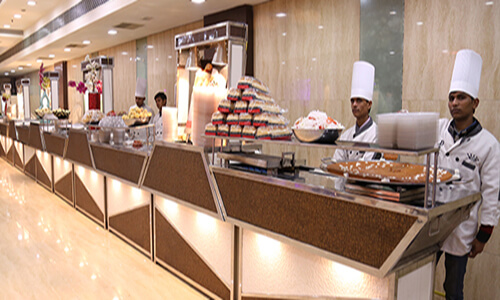
We have a specialized team of highly trained and experienced managers all from 5 stars, captains and other staff and they look after all of the needs of the guests. Our staff is dedicated, polite, courteous, neat and honest
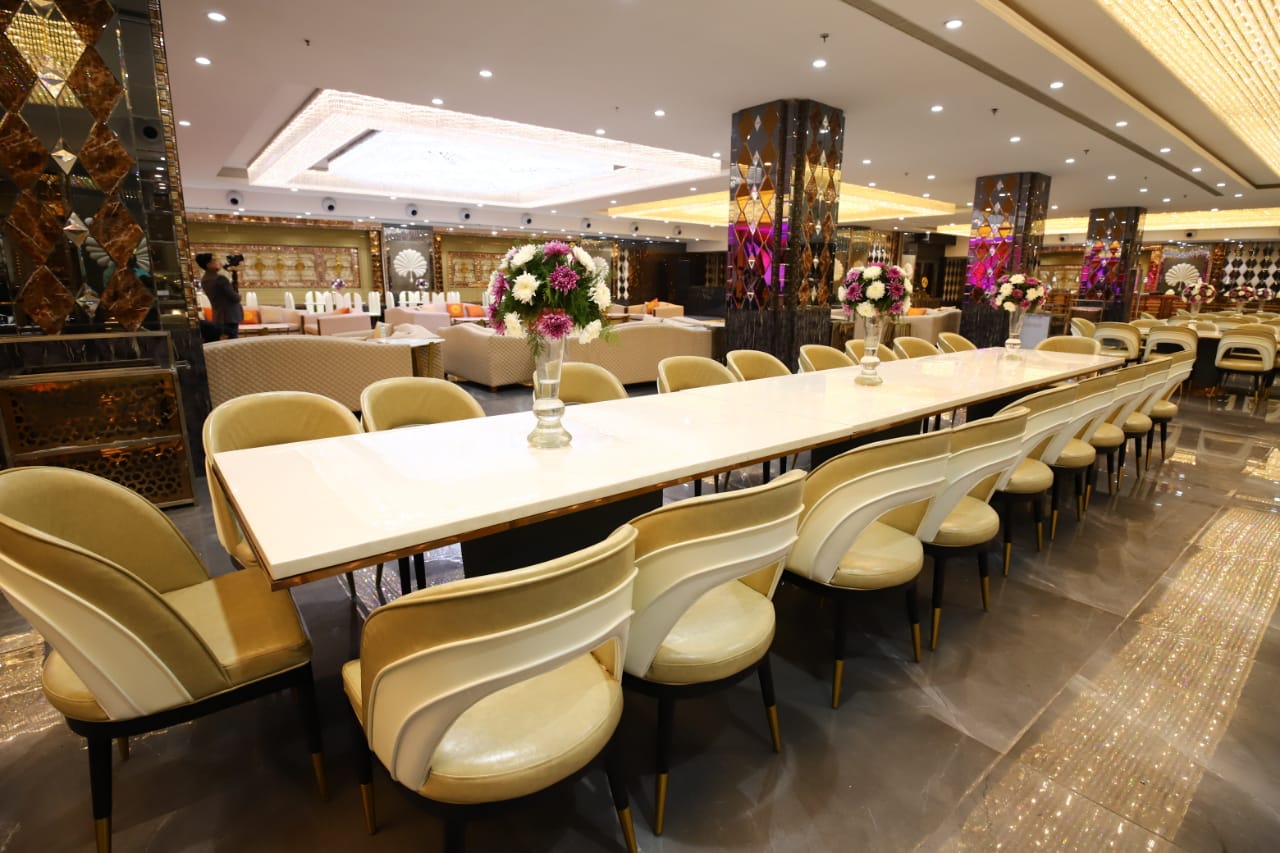
Spacious Elevators and escalated staircase is installed for convenience of our guests. All halls come with Bridle Room with lock for security of belongings of guest. Special Bar Counters

We are serving delicious snacks, some of them have been developed by our expert chefs, and they are our gift to the food industry. We serve full quantity of snacks from start till end of the function.
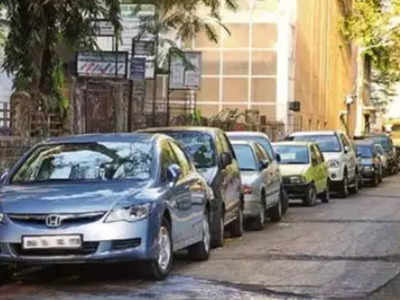
We provide ´Valet Parking´ facility at no extra cost to you. The cars of our guests shall be parked by our expert Valet parking drivers.

The richness of the ambience can be felt from the Cascading waterfalls, ornamental crystal chandeliers, beautiful Italian marble, light emitting onyx stone and ornate wood work. We have halls large enough to hold parties of 80 to 5000 guests. Beauty of our halls is unmatched in whole of East Delhi.
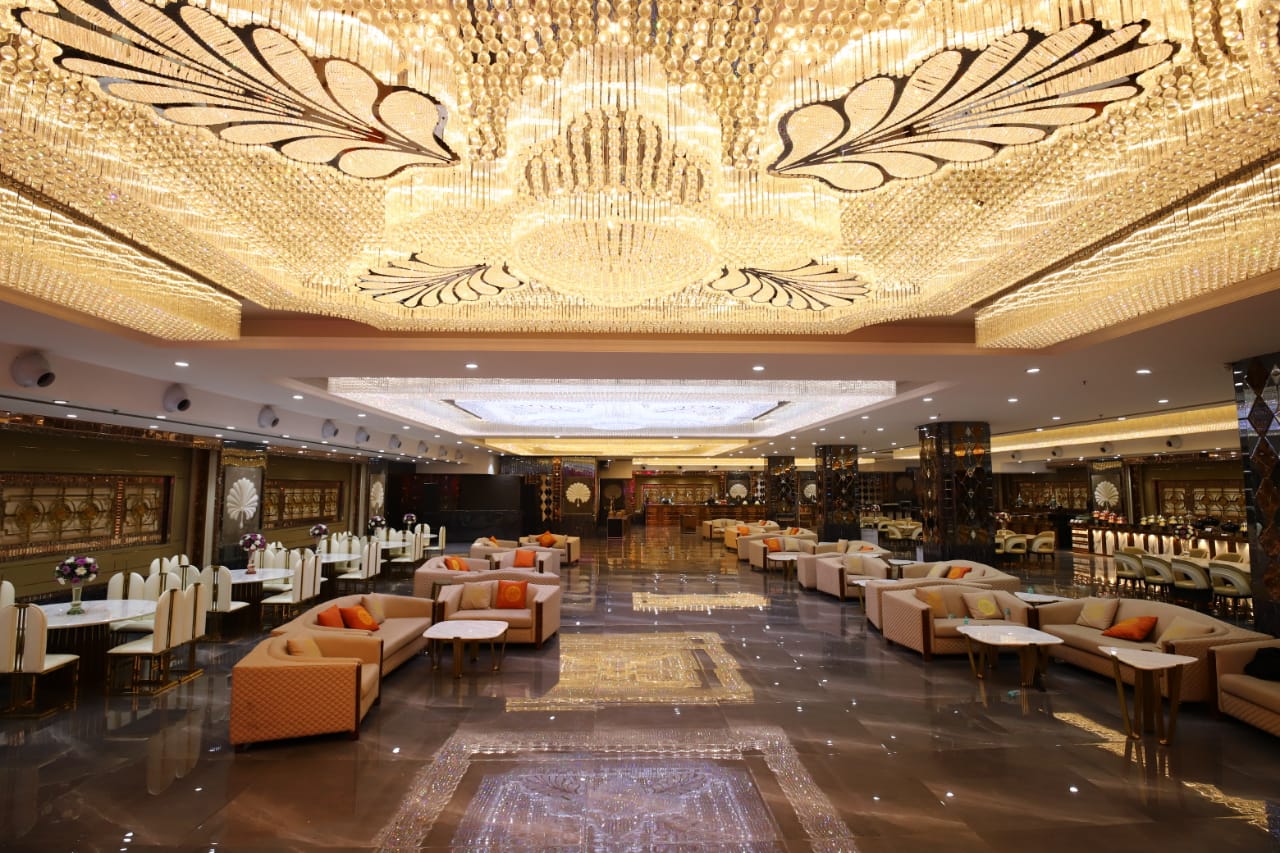
Our Banquet Halls are centrally Air-Conditioned. We run our AC on generators and hence it never stops and it is very effective in the middle of summer too.