
Choosing between a buffet and a plated dinner for your event
Picking the right dinner service is one of those decisions that quietly shapes how every guest remembers the night. The choice between a self-serve spread and a multi-course seated meal touches everything from the flow of conversation to how much your budget stretches. Whether you are planning a wedding, a milestone birthday, or a corporate function, the format you choose will influence the pace, the plating, and even the kind of conversations that happen at each table.
Across Australia, couples and event organisers are weighing these two formats more carefully than ever. With the cost of catering rising in Sydney and Melbourne, and with Brisbane venues pushing tighter turnaround times between ceremonies and receptions, the practical differences between buffet and plated service have become real talking points rather than just stylistic preferences.
Understanding how each service style actually works
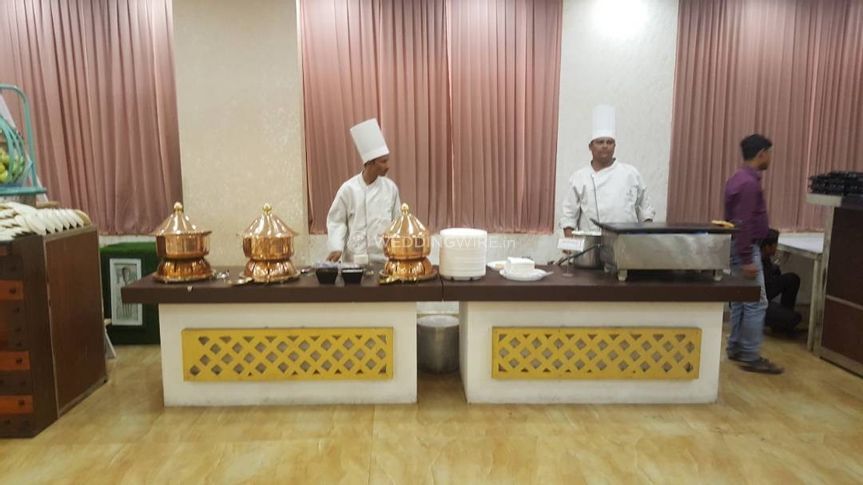
A buffet service places the food at a central station or several stations and lets guests help themselves, either all at once or in waves depending on the schedule. The kitchen can prepare larger volumes of fewer dishes, staff can focus on replenishment rather than individual orders, and the room often feels more social because people move around, refill their plates, and chat at the servery.
Plated service follows the opposite rhythm. Guests stay seated, courses arrive at staggered intervals, and the kitchen tracks every dietary requirement in advance so that each plate is built to order. The experience feels curated and paced, which is why corporate galas and high-end weddings in places like the Hunter Valley still tend to default to it. The trade-off is in labour: a plated service demands more waiting staff, more coordination with the kitchen pass, and a longer total service window, all of which show up in the invoice.
Guest count, venue layout, and timing
The number of guests you are hosting is usually the first filter. Buffets handle large numbers efficiently because the bottleneck is the servery, not the kitchen pass. If you are hosting 150 guests in a hall like Pearl Grand Banana Tree, a well-designed buffet line can move people through in 15 to 20 minutes. Plated service at that same scale takes considerably longer, often running two and a half to three hours for a three-course meal, which can compress dancing time and frustrate guests who arrived hungry.
Venue layout matters just as much. A buffet needs a clear circulation path, space for the food stations, and enough room for queues to form without blocking the dance floor or the bar. Plated service is more forgiving of awkward room shapes because guests remain at their tables, but it punishes you if the kitchen is far from the dining area, since runners have to cover long distances between pass and plate. Timing also has to be considered. Australian summer weddings, with ceremonies often starting at 4 pm to dodge the heat, leave very little daylight for photos, and a long sit-down meal can feel like it eats into the evening.
Budget, labour costs, and food waste
On paper, a buffet almost always looks cheaper per head, and in Australia that gap has widened as casual dining labour costs climb. You typically need fewer front-of-house staff, the plating cost disappears, and the kitchen can buy in bulk. Plated service carries premium pricing because you are paying for the precision, the staff, and the slower turnover.
The hidden cost with buffets is waste. Industry estimates suggest that plated events generate around 10 to 15 percent plate waste, while buffets can run between 20 and 30 percent, particularly when guests are encouraged to heap their plates "just in case". That waste is not only financial. Australian venues and caterers are increasingly conscious of their environmental footprint, and food waste reporting under state-level sustainability targets has become a quiet but real consideration. Some planners now ask for a hybrid model: a plated main with a small buffet of sides and salads, which keeps portions controlled while still giving guests a sense of choice.
The Australian context and local expectations
Australian audiences tend to be informal and food-confident, which subtly favours buffets. A typical Sydney or Melbourne crowd is happy to mingle, refill drinks at the bar, and wander over to a grazing table multiple times during the night. Multicultural menus are also easier to deliver through a buffet, because guests from different backgrounds can build their own plate rather than relying on the kitchen to remember who is halal, vegetarian, gluten-free, or avoiding pork for religious reasons.
There are moments, though, when Australians clearly expect a plated experience. Corporate award nights in the CBD, black-tie fundraisers, and high-end winery weddings in regions like Margaret River or the Barossa still tend toward seated service. Local etiquette is to give guests plenty of notice about the format on the invitation, because Australians generally dislike being surprised by something that affects their evening, especially if they have already eaten a big lunch at a long bridal-party brunch.
Matching the format to the occasion
The honest answer is that neither format wins universally. For a relaxed engagement party in a Brisbane brewery, a buffet with shared plates, a wood-fired pizza station, and a dessert table feels completely right. For a corporate gala at a Sydney harbour venue, plated three-course service still signals the kind of care and formality the host is paying for.
The right question is not which is better, but which matches the tone, the timeline, and the guest list you actually have. Think about how long you want people seated, how much movement you want in the room, and how much of the budget you want to spend on service versus food itself. A skilled venue team can talk you through the trade-offs in the context of your specific room and your specific crowd.
Practical points to weigh when you are finalising your choice
- Guest counts above 120 usually tip the balance toward a buffet or a hybrid, simply because the logistics of plated service become expensive and slow.
- The shape of the room dictates a lot. Long, narrow spaces struggle with buffet flow, while rooms with hidden kitchens make plated service harder to execute.
- Dietary diversity in your guest list is easier to manage with a buffet, where each station can be clearly labelled and guests can self-select.
- Photography and speeches fit more naturally with a plated service, because guests are stationary and the photographer can move around without blocking traffic.
- Weather matters in Australia. Outdoor or marquee events in summer heat often suit buffets, since guests can graze and return indoors as they please.
- Your venue's kitchen capacity is the final filter, because no format works if the pass cannot keep up with the room.
The decision comes down to knowing your crowd and respecting their time. Australians are patient, generous guests, but they also expect the evening to feel considered rather than chaotic. Choose the format that lets the food, the conversation, and the occasion all breathe at the same pace, and the rest of the night tends to take care of itself.
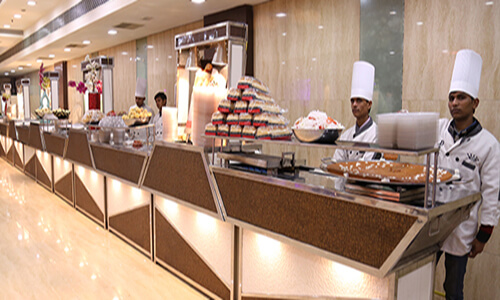
We have a specialized team of highly trained and experienced managers all from 5 stars, captains and other staff and they look after all of the needs of the guests. Our staff is dedicated, polite, courteous, neat and honest
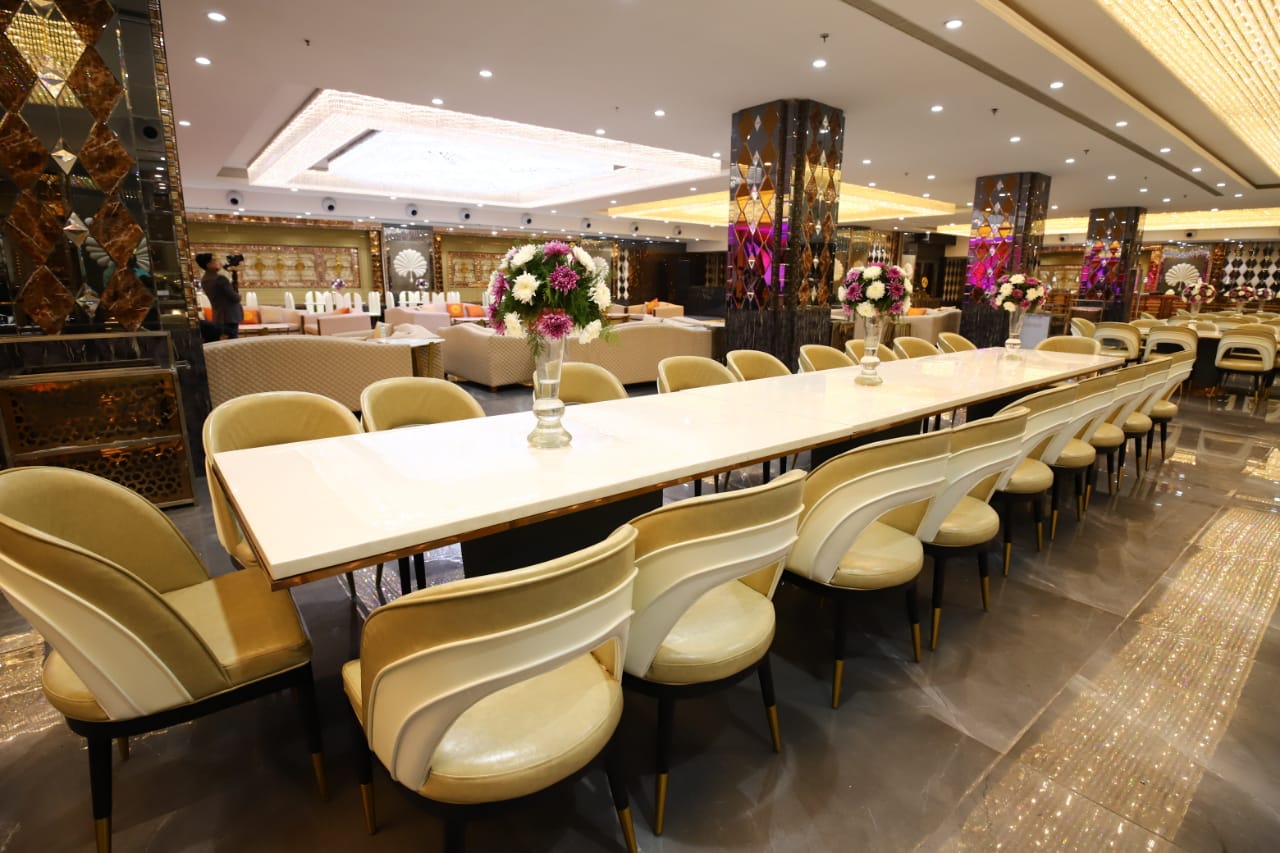
Spacious Elevators and escalated staircase is installed for convenience of our guests. All halls come with Bridle Room with lock for security of belongings of guest. Special Bar Counters
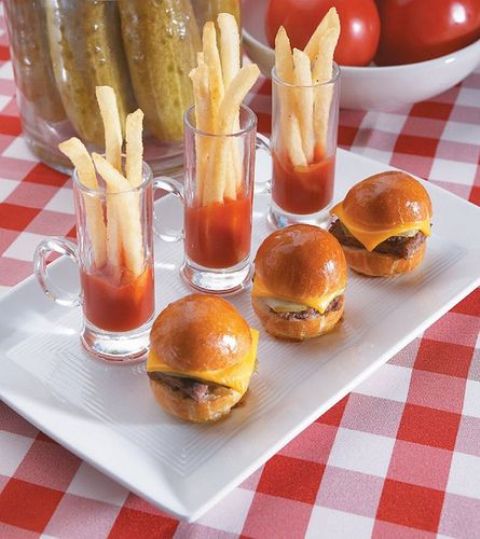
We are serving delicious snacks, some of them have been developed by our expert chefs, and they are our gift to the food industry. We serve full quantity of snacks from start till end of the function.
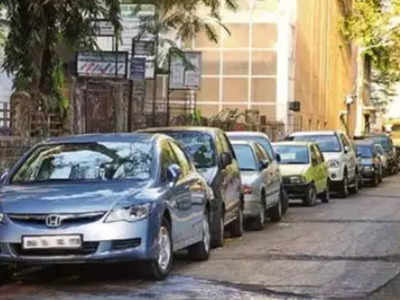
We provide ´Valet Parking´ facility at no extra cost to you. The cars of our guests shall be parked by our expert Valet parking drivers.

The richness of the ambience can be felt from the Cascading waterfalls, ornamental crystal chandeliers, beautiful Italian marble, light emitting onyx stone and ornate wood work. We have halls large enough to hold parties of 80 to 5000 guests. Beauty of our halls is unmatched in whole of East Delhi.
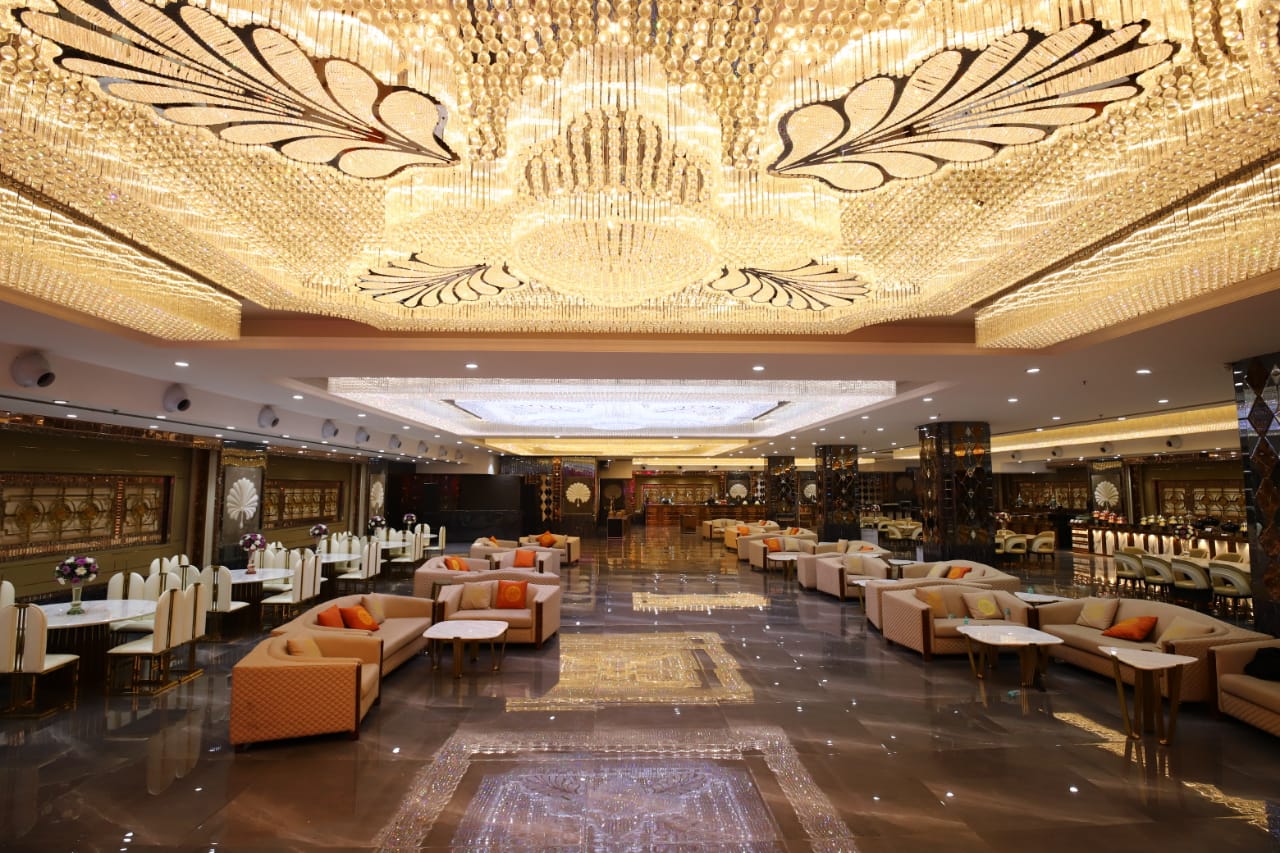
Our Banquet Halls are centrally Air-Conditioned. We run our AC on generators and hence it never stops and it is very effective in the middle of summer too.